Iran's Supreme Leader Vows No Compromise on Nuclear and Missile Capabilities Amid Regional Tensions

KATHMANDU. As regional tensions escalate, Iran's Supreme Leader has sent a clear message that the country will not compromise on its nuclear and missile capabilities. Amidst US pressure and uncertain ceasefire conditions, this statement is seen as a sign of Iran hardening its strategic stance.
In a statement released through state television, Ayatollah Mojtaba Khamenei stated that the Islamic Republic's scientific, technical, and military capabilities are linked to national identity and their protection is essential.
He criticized the US presence in the Persian Gulf region, describing the situation there as a 'new chapter in history.' Khamenei, who assumed the position of Supreme Leader after his father's death in a plane crash, has not appeared publicly since.
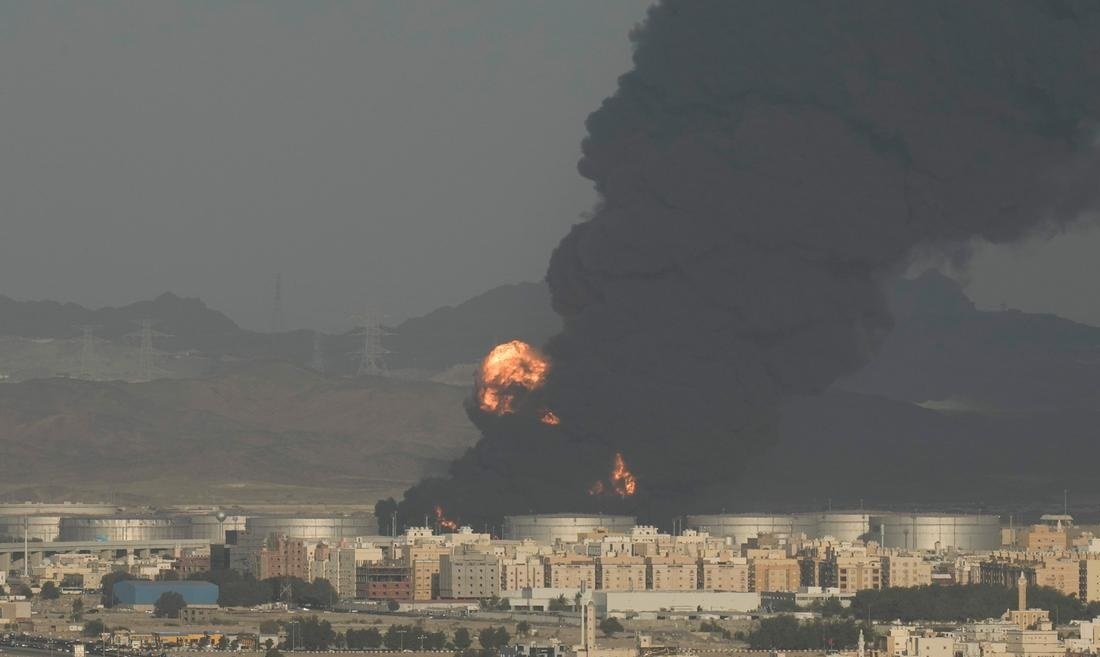
Iran's stance comes at a time when the country's economy is under pressure due to US sanctions. The movement of Iranian oil tankers has been disrupted after the US Navy blocked them, affecting exports and destabilizing oil supply in the global market. Iran's influence in the Strait of Hormuz is affecting the transport of nearly one-fifth of the world's crude oil. In this context, Brent crude prices have reached $126 per barrel.
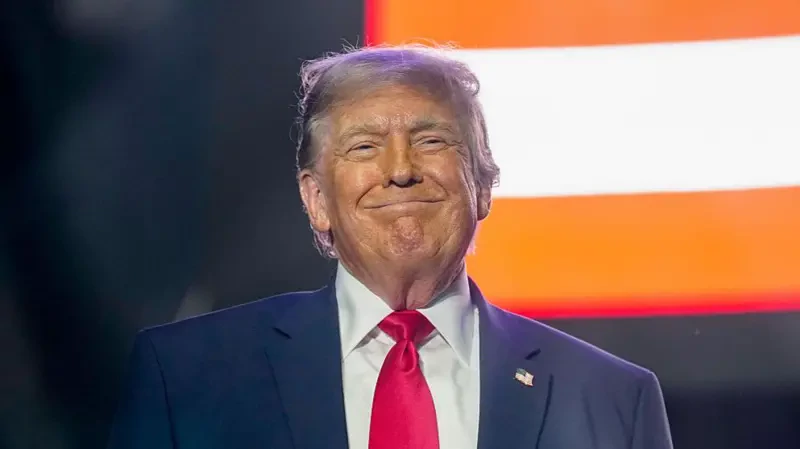
The pressure on energy supply has also increased political and economic pressure on US President Donald Trump. It is reported that he has put forward a new plan to resume oil transport through the Gulf region. According to the proposed plan, the US is preparing to continue its blockade on Iranian ports and, in collaboration with allied nations, make Iran's interference costly.
Meanwhile, the US State Department has instructed its diplomats worldwide to mobilize support for the initiative to maintain 'maritime freedom.' This initiative aims to ensure unimpeded passage through the Strait of Hormuz. The US side has described this as a necessary defensive step for the security of international waterways.
On the other hand, President Trump has also signaled a review of US military presence in Europe. His statement that troops may be withdrawn from Italy and Spain after Germany has sparked a new debate in relations with allied nations.
Dozens of commercial ships have been affected by US sanctions so far. This has further increased economic pressure on Iran by depriving it of oil exports. However, Iran continues to claim that its nuclear program is peaceful, even though it has been confirmed that it is enriching uranium to high levels.
To ease tensions, Pakistan has stated that it is facilitating indirect talks between the US and Iran. Islamabad believes that direct dialogue could facilitate problem-solving, although no concrete progress has been announced.
Khamenei's latest statement also signals Iran's intention to maintain its control over the Strait of Hormuz. Iran has presented its practice of collecting fees from some ships as a legitimate management, but the international community has not accepted it. Arab nations in the Gulf have strongly criticized such actions, comparing them to piracy.
Tensions are also rising within the country. Iran recently confirmed the execution of a young man accused in connection with protests. Human rights groups say repression has increased and executions have risen in the post-war period. According to the United Nations, at least 21 people have been executed since the war began.
Regional instability also persists. Clashes continue between Israel and Hezbollah in southern Lebanon. Despite the ceasefire, attacks are occurring, with both sides suffering losses. Israel has reported losing soldiers, while reports of civilian casualties have emerged from Lebanon.
Meanwhile, the United Arab Emirates has issued travel advisories for its citizens in Iran, Lebanon, and Iraq, urging caution and return if necessary. The overall situation indicates that the tension in the Middle East region is becoming more complex rather than easing.
This specific news has been automatically translated by AI. As a result, there may be some inaccuracies or language errors.