Nepal Sets First Official Quality Standards for Gundruk Production

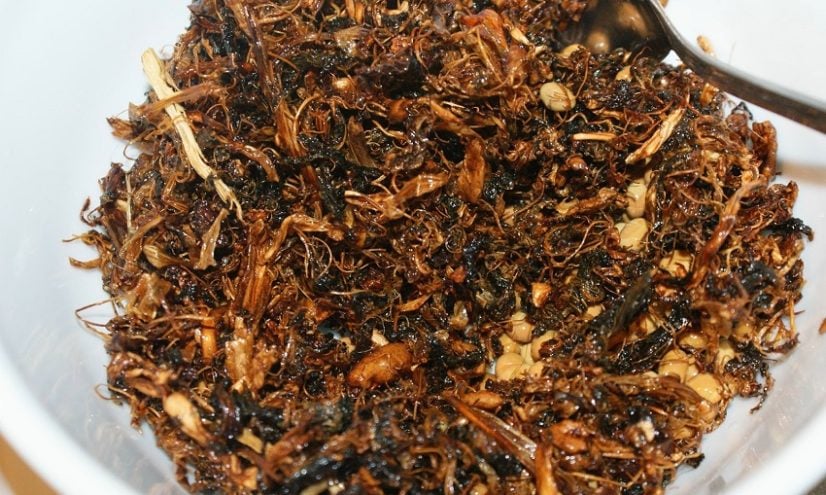
Kathmandu. The commercial production and distribution of Gundruk, Nepal's indigenous and popular vegetable, will now be strictly regulated. The government has established quality standards for Gundruk for the first time.
The Ministry of Agriculture and Livestock Development stated that it has set these standards by exercising the authority granted under Section 3 of the Food Hygiene and Quality Act, 2081.
Gundruk has been categorized under the group of fruit and vegetable products. These regulations will come into effect in the next six months.
What should Gundruk be like?
According to the standards, Gundruk can be made from the leaves and stems of mustard greens, rapeseed, radish, etc. It is defined as a fresh or dried product prepared by wilting these items and fermenting them through natural or pure culture lactic acid fermentation methods without the use of salt.
The government has completely banned the use of iron, aluminum, copper, and brass vessels in the production of Gundruk. The standards specify that Gundruk sold in the market must be clean, hygienic, and possess a natural taste and aroma. It must be free from mold, insect infestation, and foreign organic matter such as hair, chaff, or straw, as well as inorganic matter like soil, sand, glass, or plastic.
The standards state that no artificial colors or fragrances are permitted in Gundruk. For dried Gundruk, the moisture content must be a maximum of 12 percent, total ash a maximum of 17 percent, acid-insoluble ash a maximum of 1 percent, and acidity a minimum of 0.8 percent.
Gundruk cannot be sold openly or indiscriminately. Clean, dry, and food-grade packaging materials must be used for packing Gundruk.
This specific news has been automatically translated by AI. As a result, there may be some inaccuracies or language errors.


_h4b9UPRHuI.jpg)