Iran Faces Leadership Uncertainty Amid Internal Power Struggles and US Tensions

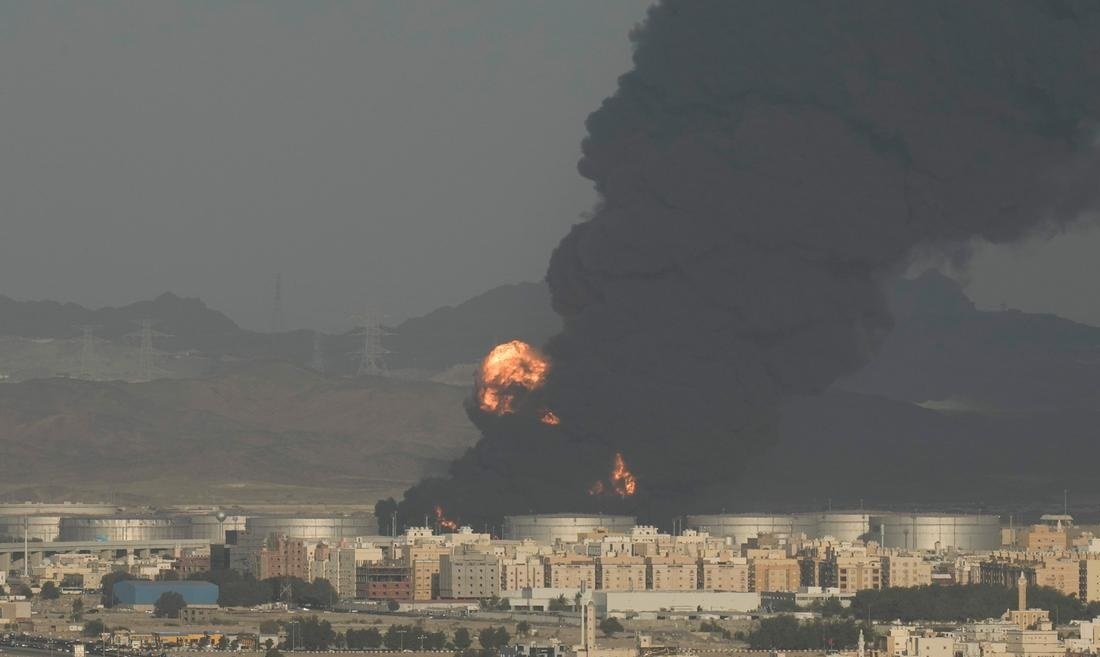
Kathmandu. Following the deaths of top leaders due to US and Israeli strikes, Iran has undergone a major government reshuffle. However, the state apparatus remains functional, according to the editor-in-chief of a West Asian newspaper.
Mina Al-Oraibi, editor of the UAE-based newspaper The National, stated that the loss of high-level leaders and experienced negotiators has weakened Iran's leadership. As new figures emerge, a power struggle is evident. Hardline factions, particularly those led by the Islamic Revolutionary Guard Corps (IRGC), are currently influential, while other factions seek diplomatic solutions.
The IRGC is a powerful Iranian military entity that plays a key role in regional military activities and is designated as a terrorist organization by the United States.
Al-Oraibi noted that Iran has historically employed a "good cop-bad cop" strategy, which often delays the resolution of complex issues. Despite significant challenges and instability, she emphasized that the state machinery has not collapsed and remains operational.
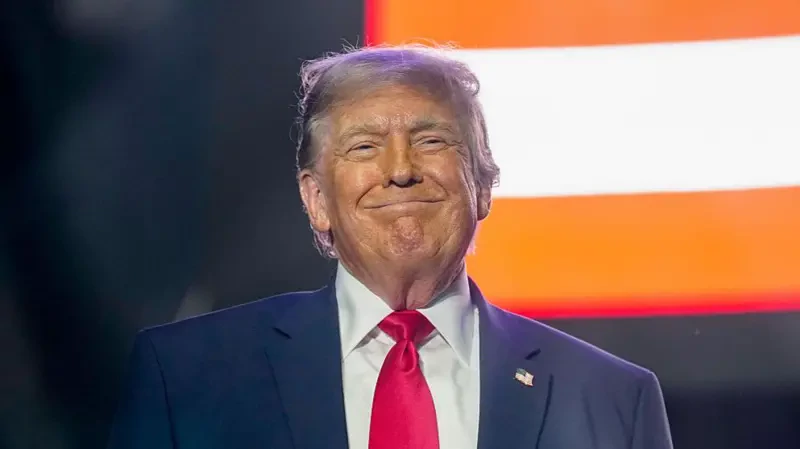
Meanwhile, US President Donald Trump has alleged that negotiations are stalled due to a lack of clear leadership in Iran. He remarked that the government is deeply divided and suggested that ceasefires were extended to allow time for a unified proposal.
However, Iran views Trump's remarks differently. Late at night in Tehran, a message was sent to all subscribers on local Iranian mobile networks. The message, presented as a joint statement from the President, Speaker of Parliament, Chief Justice, and other high-ranking officials, read: 'There is no such thing as hardliners or moderates in Iran. We are all Iranians and revolutionaries... one nation, one path.'
This specific news has been automatically translated by AI. As a result, there may be some inaccuracies or language errors.