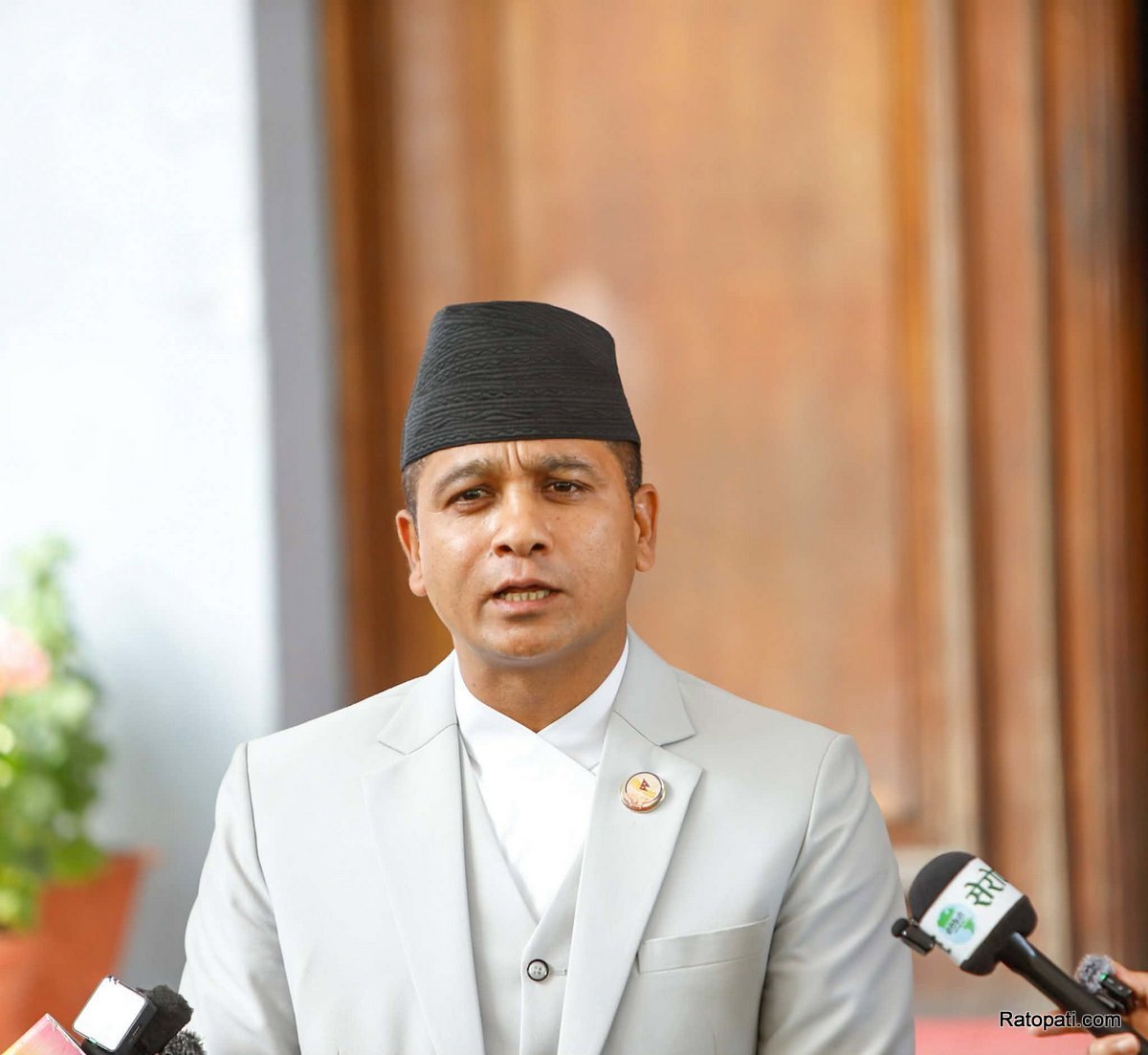
Prime Minister Balen Shah Orders Clearance of Thapathali Squatter Settlement


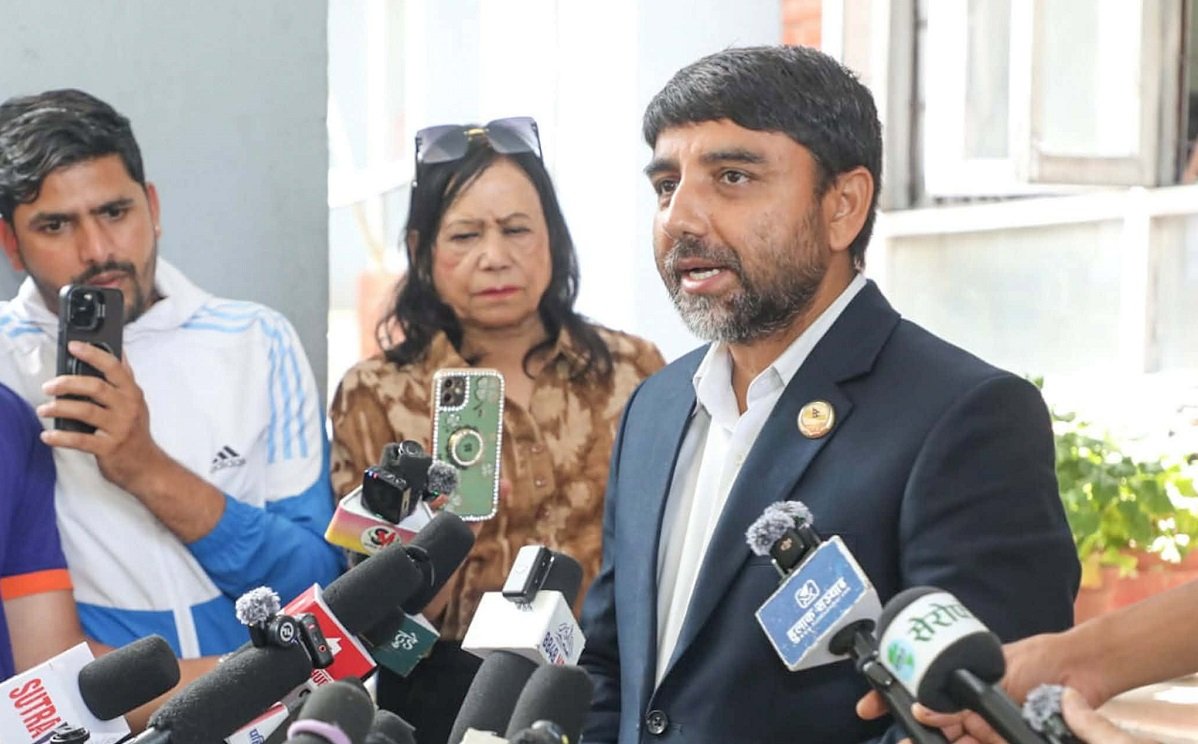
Kathmandu. Prime Minister Balendra 'Balen' Shah issued a directive to security chiefs on Wednesday: 'Clear the squatter settlement in the Thapathali area.'
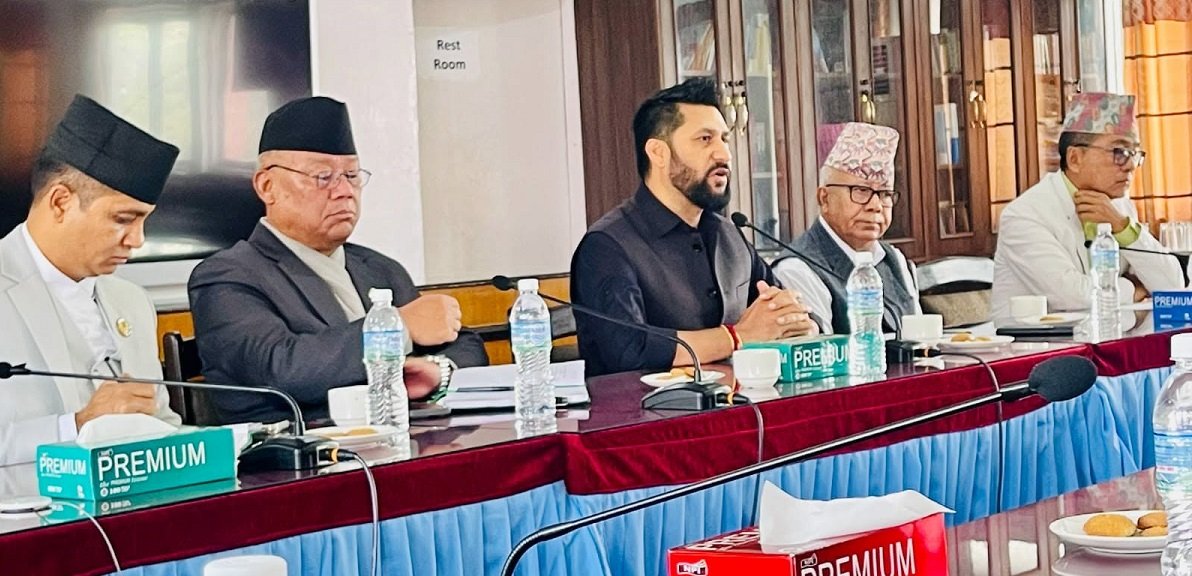
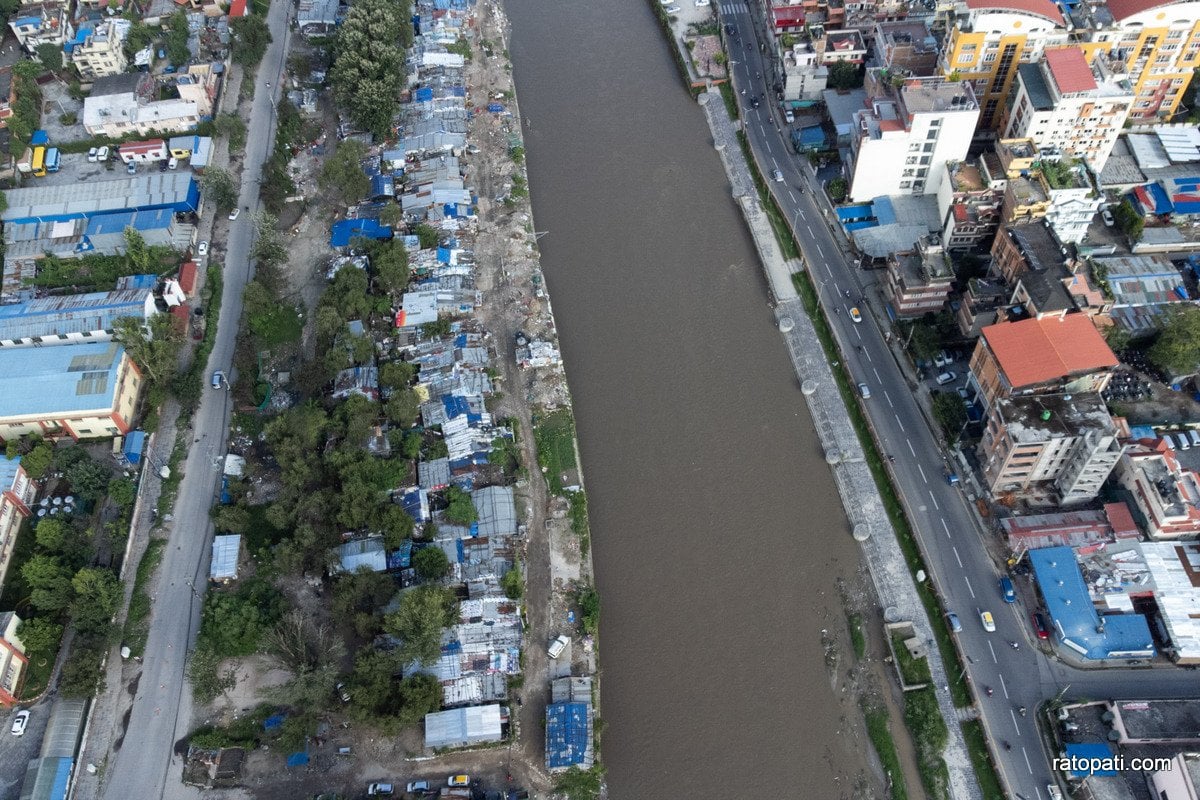
Prime Minister Shah issued this instruction after summoning high-ranking security officials, including Inspector General of Police Dan Bahadur Karki and Inspector General of the Armed Police Force Raju Aryal. A high-ranking security official who participated in the discussion told Ratopati that the Prime Minister has ordered the clearance of the settlement along the Bagmati riverbank by this coming Saturday and Sunday.
The official stated, 'That has been discussed, and further discussions will be held with the Chief District Officer of Kathmandu.' The Kathmandu administration has already begun preparations accordingly.
Before the House of Representatives election, Balen was the Mayor of Kathmandu Metropolitan City. He repeatedly attempted to use bulldozers to resolve Kathmandu's squatter problem, but was unsuccessful due to a lack of cooperation from the federal government. Having transitioned from the head of a local government to the executive head of the country, he has now begun the process of removing the squatter settlements.
_fiho8rpe5u_aixxTyi2qh.jpg)
- A relationship that began at Bagh Durbar
In the local level elections held at the end of Baisakh 2079, Balen was elected Mayor of Kathmandu Metropolitan City as an independent candidate. Having unexpectedly defeated major political parties, Balen soon became synonymous with the 'bulldozer'.
To understand this, it is necessary to look at the event of Bhadra 8, 2079. When the Kathmandu Metropolitan City used a 'drilling machine' in the New Baneshwor area, claiming that underground parking shown on the map was being used for commercial purposes, questions were raised against then-Mayor Balen Shah: 'Why is there law for the small, but comfort for the big?' Videos of parking encroaching on sidewalks in front of large malls and the District Court reached him through various channels.
On Bhadra 8, Balen used bulldozers on unauthorized structures built by Kathmandu Mall, RB Complex, and others. Following that, 'bulldozer terror' began in Kathmandu. The Metropolitan City adopted an aggressive strategy of using bulldozers on structures built by encroaching on public land, unauthorized settlements, and squatter settlements.
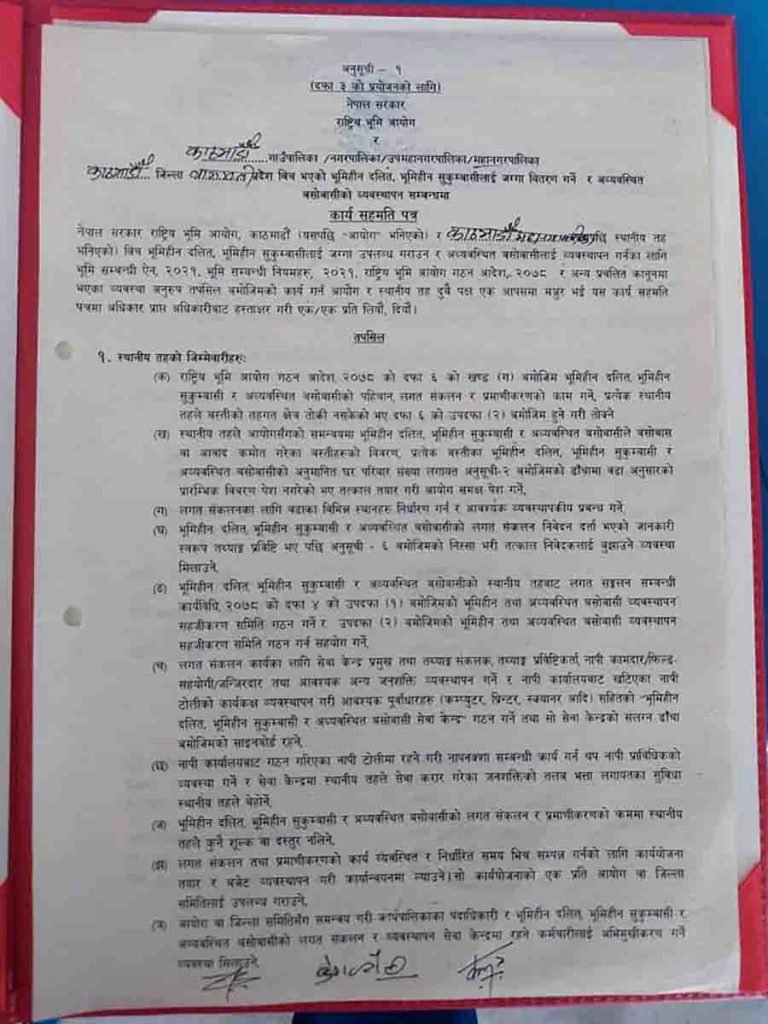
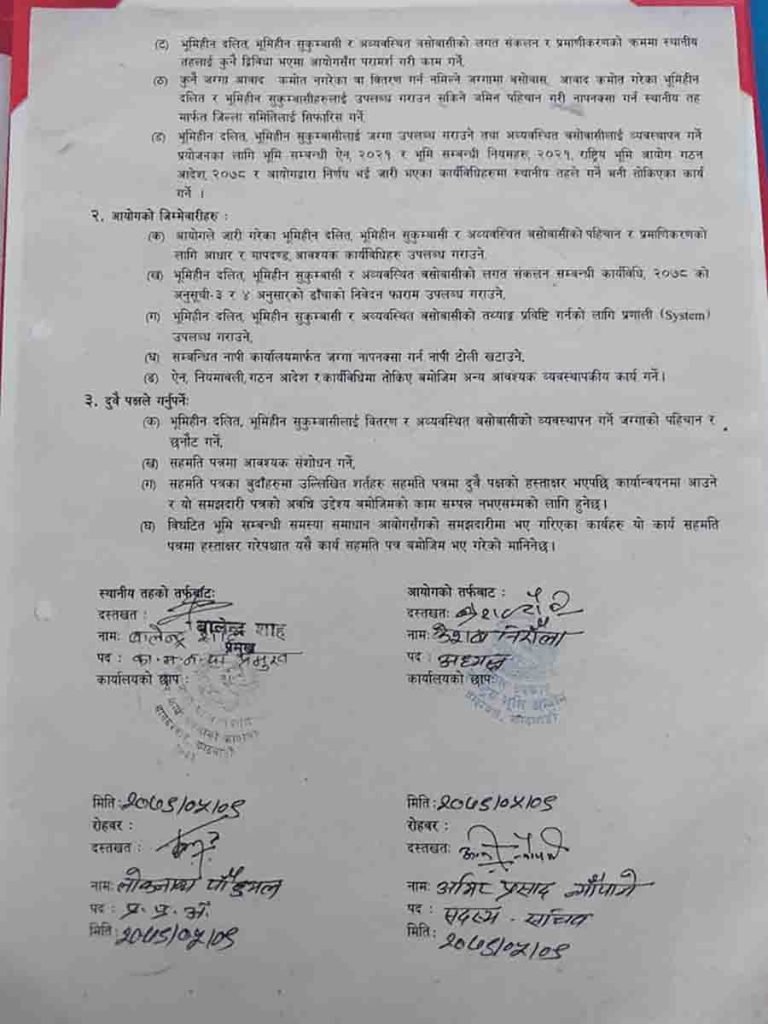
On Bhadra 9, 2079, an agreement was reached between Land Commission Chairman Keshav Niraula and then-Mayor Balen regarding the management of squatter settlements. According to the understanding, the Commission was to provide the necessary procedures to the Metropolitan City for the identification and verification of landless Dalits, squatters, and unorganized settlers, and work was to be carried out by creating an action plan.
According to the agreement, the Metropolitan City was required to identify, collect data, and verify landless Dalits, squatters, and unorganized settlers, and submit preliminary details ward-wise to the Commission.
This was the agreement
However, Balen did not follow the process. On Mangsir 12, 2079, Kathmandu Metropolitan City used a bulldozer on the squatter settlement in Thapathali. For this, Balen brought forward the High-Powered Integrated Bagmati Civilization Development Committee under the Ministry of Urban Development. The committee had issued a 10-day notice on Kartik 25, 2079, to remove squatter settlements on the riverbanks of the Kathmandu Valley.
The notice stated that if unauthorized houses, huts, construction materials, and vehicles placed on the riverbanks were not removed, they would be removed with the help of Kathmandu Metropolitan City and concerned bodies.
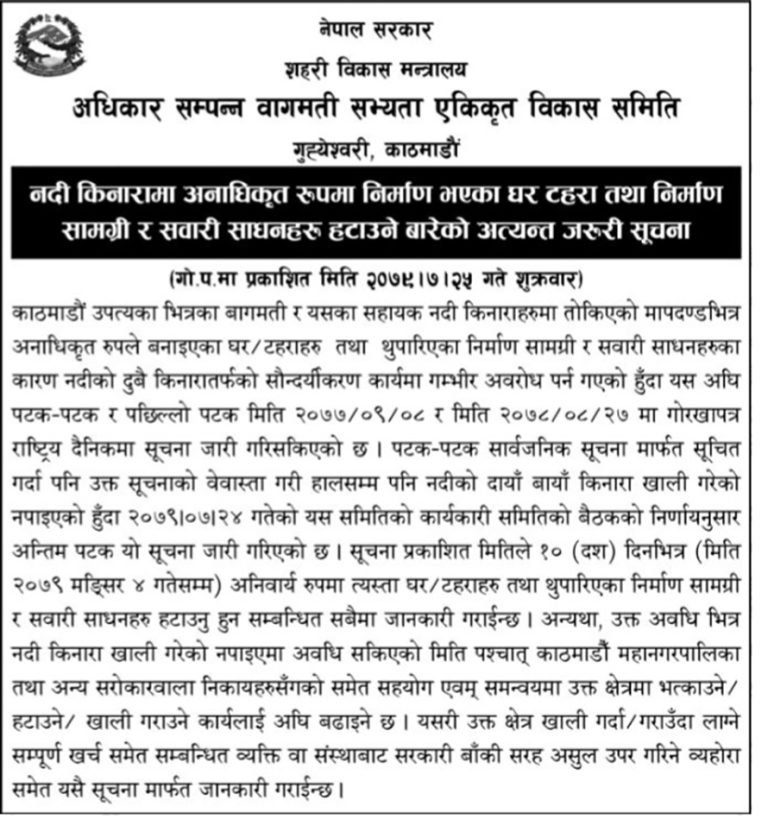
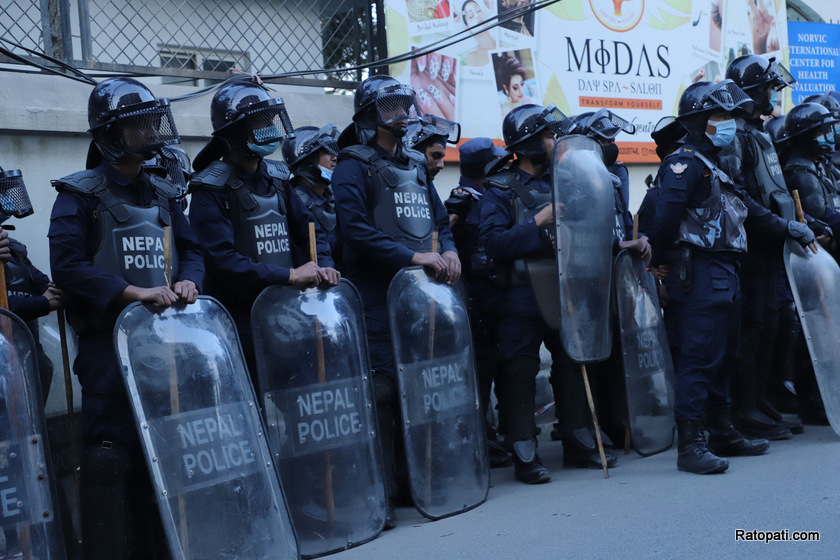
The 10-day deadline expired on Mangsir 4. At that time, it was the period of the House of Representatives and Provincial Assembly elections. The Kathmandu Metropolitan City's municipal police team reached the settlement with a bulldozer on the 12th, but 36 municipal police officers were injured when the squatters resisted. Then-Municipal Police Chief of Kathmandu Metropolitan City (currently an RSP MP) Raju Pandey had stated that the Nepal Police did not provide support.
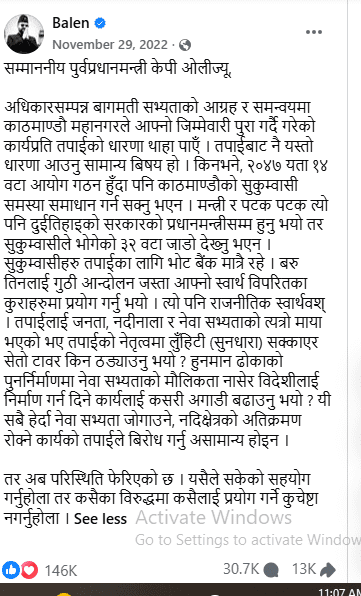
At that time, UML Chairman KP Sharma Oli was the Prime Minister and Bal Krishna Khand was the Home Minister. After KP Oli opposed the use of bulldozers in the squatter settlement, Balen heavily criticized Oli. On Mangsir 13, 2079, Balen commented through social media that Oli had not seen this when he led the state structure multiple times.
- Did not get support when Rabi Lamichhane was Home Minister
After the election, on Poush 10, 2079, Prachanda became Prime Minister and Rabi Lamichhane became Home Minister. The Metropolitan City had also written a letter to then-Home Minister Rabi Lamichhane seeking support. On Poush 13, Kathmandu Metropolitan City sent a letter requesting support to remove the squatter settlements on the banks of the Bagmati River in Thapathali and requested necessary support and coordination.
The letter requested the Home Ministry to provide necessary instructions and coordination to the concerned District Administration Office and security agencies.
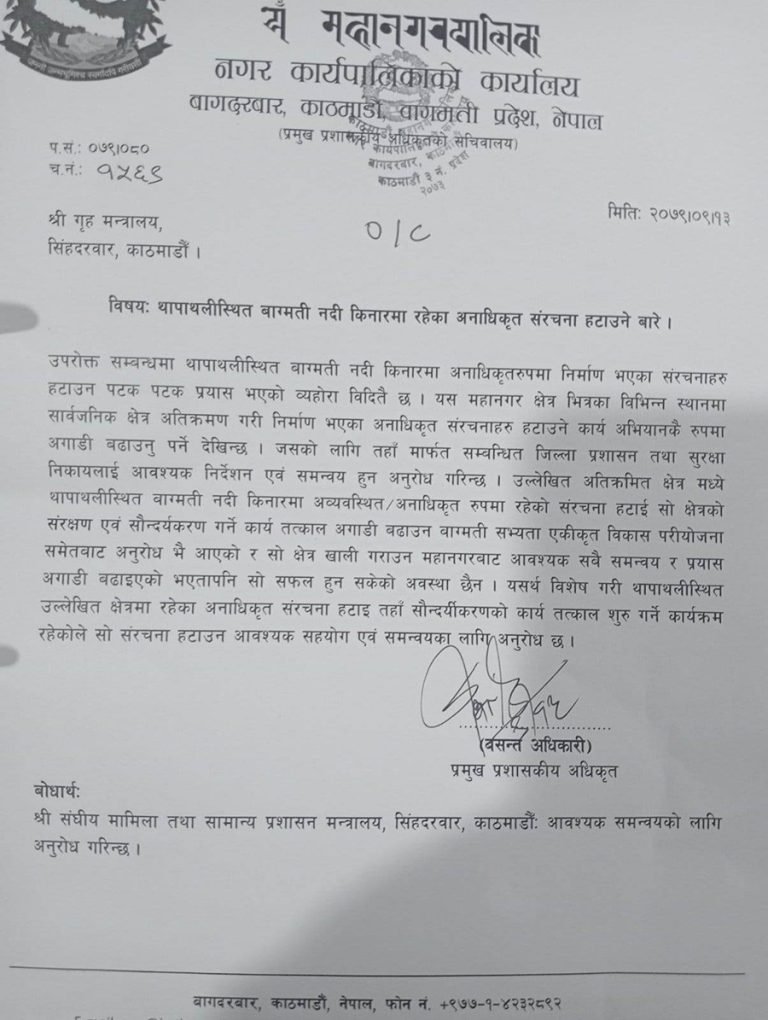
'Although the Bagmati Civilization Integrated Development Project has requested to immediately proceed with the work of removing unorganized/unauthorized structures on the banks of the Bagmati River in Thapathali and protecting and beautifying the area, and the Metropolitan City has moved forward with all necessary coordination and efforts to clear the area, it has not been successful,' the letter stated.
However, the Home Ministry did not provide support even then. The ministry sent a reply to the Metropolitan City stating that it would not support the immediate removal of unauthorized structures and settlements on the banks of the Bagmati River in Thapathali by using bulldozers. In the reply letter written by the Home Ministry on Poush 19, 2079, the ministry stated that there would be no support until discussions, coordination, and preparations were made.
Now, Balen has become Prime Minister from the RSP, which is led by Rabi Lamichhane. After not receiving support from the Home Ministry, Balen went to meet then-Prime Minister Prachanda on Magh 16, 2079. 'Make a bold decision for the squatter problem in today's cabinet,' Balen had told then-Prime Minister Prachanda. In response, Prachanda said that it should proceed according to the legal process.
- Failed in Gairigaun after Thapathali
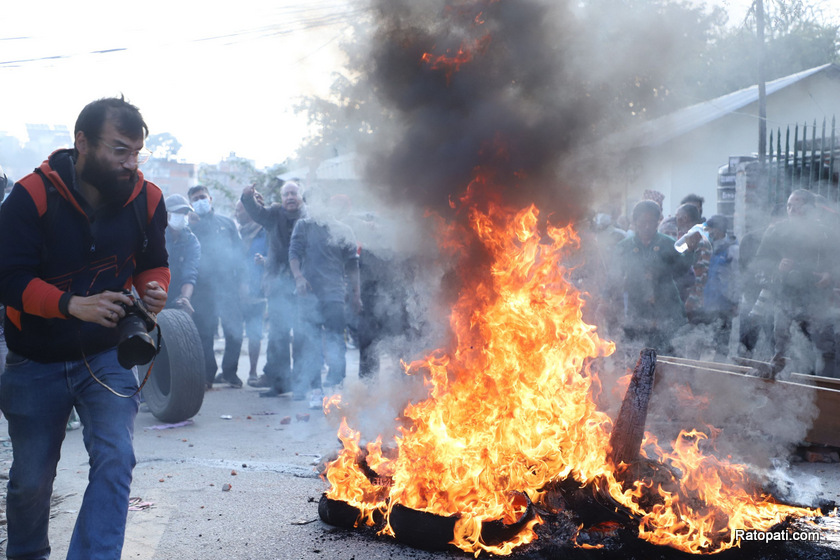
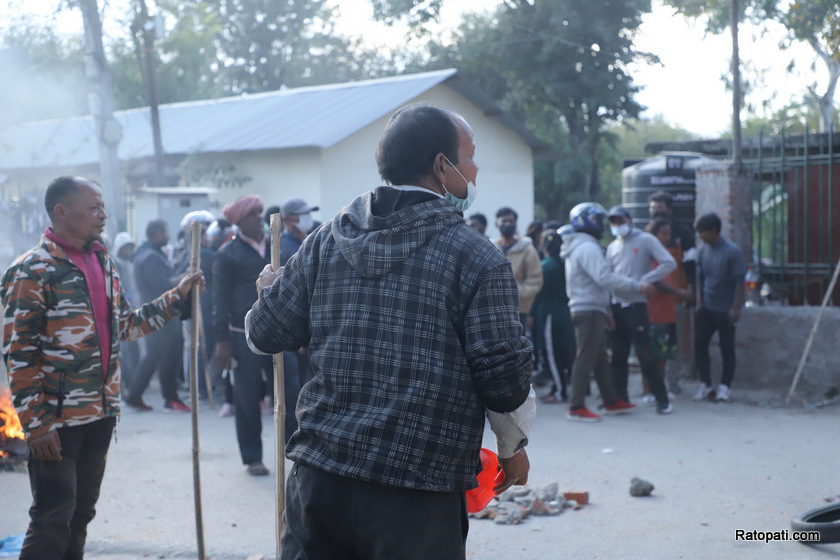
After failing in Thapathali, Balen turned towards the squatter settlement in Gairigaun. On Chaitra 24, 2079, the Gairigaun area became tense due to Balen's directive. That day, the Kathmandu Metropolitan City team was preparing to go to the squatter settlement with 7 bulldozers to remove the unorganized settlement. Residents of the squatter settlement, who had placed tires and barbed wire on the Bagmati corridor from Tinkune towards Gairigaun, later burned tires and protested.
The Metropolitan City's municipal police team was on standby at the transport office premises in Minbhawan with bulldozers. They were waiting for a suitable opportunity to use the bulldozers in the settlement.
Although then-Mayor of Kathmandu Metropolitan City Balen instructed the municipal police to remove the settlement at any cost, the municipal police did not go to Gairigaun. Current IGP Dan Bahadur Karki was the head of the District Police Range, Kathmandu, at that time. Karki had stated that the Metropolitan City did not coordinate on the issue of using bulldozers in the Gairigaun squatter settlement. He responded that the police only arrived for security after the crowd increased in that area.
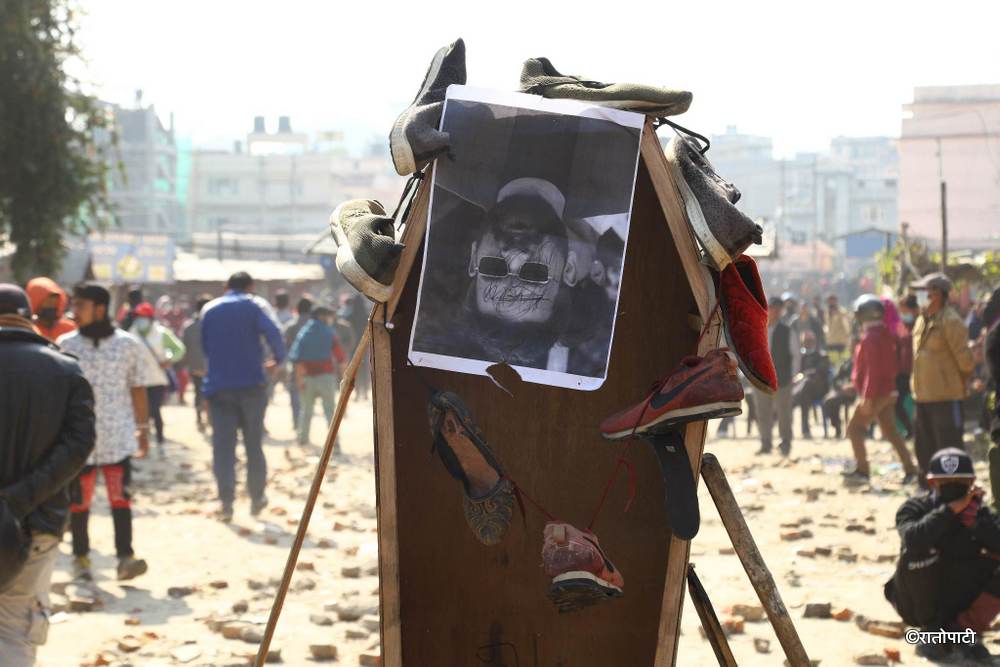
After the police and administration under the federal government did not cooperate, Balen started removing encroached structures in other areas. From removing sidewalk vendors to Tukucha, Balen's bulldozers moved forward. But in the meantime, the full text of the verdict delivered by the bench of Judges Dr. Ananda Mohan Bhattarai and Binod Sharma on Poush 3, 2080, was made public on Shrawan 1, 2081, in which it was said to clear government land on the riverbanks by relocating real squatters.
The court had given the option to identify real squatters and relocate them to the housing built in Ichangu Narayan. If that facility was not enough, it ordered to arrange housing elsewhere for the required number, and to remove the encroachment by giving money as immediate relief to facilitate the relocation of real squatters who did not want to go to those places.
Pointing to this order, Balen had the Metropolitan City issue a notice to leave 20 meters from the riverbank, but this issue became controversial in the executive meeting of the Metropolitan City. Deputy Mayor Sunita Dangol expressed objection to issuing the notice without discussion. Some time later, the government filed a petition for review of the Supreme Court's verdict.
Balen initiated efforts again during the time of the interim government led by Sushila Karki, which was formed after the Gen-Z movement. But Om Prakash Aryal, who had worked as his own legal advisor, was the Home Minister. Aryal did not show much interest in removing the squatter settlement. Then-Urban Development Minister Kulman Ghising also said that the squatter settlement was not a priority for the interim government. It is understood that Balen's relationship with Aryal also cooled due to this reason. Now, after becoming Prime Minister, Balen has prioritized the issue he could not do while being the head of the local government.
- Why is Balen so interested?
Some have called his efforts to remove the squatter settlement from being Mayor to Prime Minister unnatural. Balen has also been accused of not liking the poor. But those close to Balen argue that the work that was stopped due to the lack of cooperation from the federal government when he was Mayor is now being done by Balen.
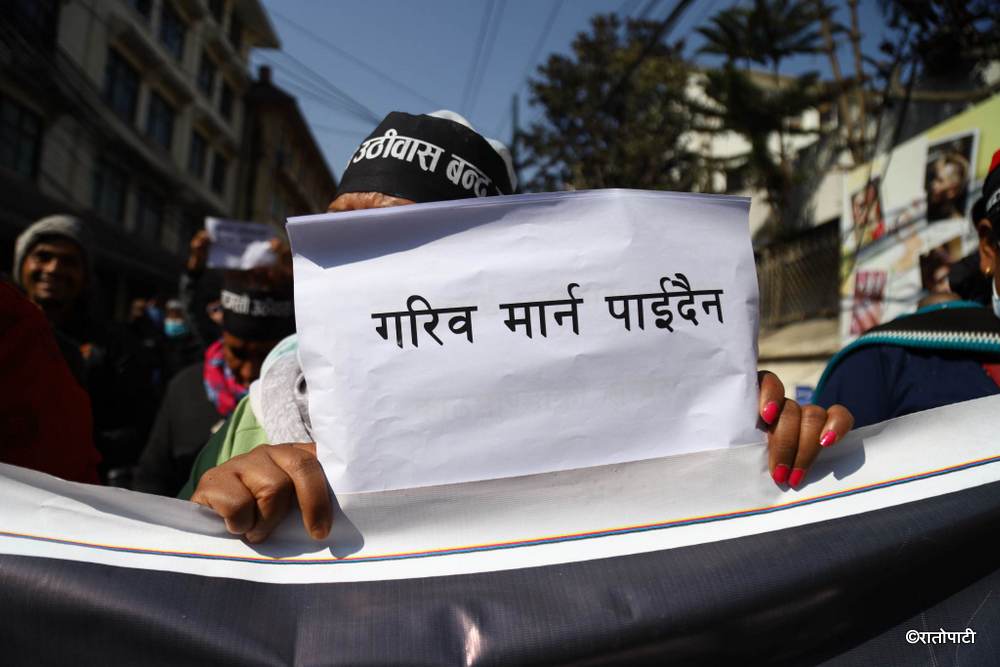
'His campaign to make Kathmandu clean and beautiful was from when he was Mayor, but it was not possible then. It is being done now. Again, there are more fake squatters than real ones there,' said an aide to Balen.
'There should be nice parks and greenery on the riverbanks of Kathmandu. For years, politics has been done here in the name of squatters. It's not that I don't like the poor, but they don't listen even when I say I will manage it properly. We are trying to remove those who live here as squatters while keeping property worth millions elsewhere,' said a member of the Prime Minister's secretariat.
- Baburam had also tried
The rumor of bulldozers running in the Thapathali squatter settlement is not new. Previously, when Baburam Bhattarai was Prime Minister in 2068, the Ministry of Urban Development had used bulldozers to clear the settlement. At that time, the government had planned to keep the squatters of Thapathali in Malpokhari of Lalitpur for some time, saying that it had started building apartments in Ichangu Narayan to house the squatters there. The then-government had tried to move the squatters of Thapathali to Malpokhari.
_mhdKyIty3n.jpg)
But the residents around Malpokhari did not agree to keep squatters in their area, and those living in the Thapathali settlement did not agree to leave the place they were living in, so this issue died down. The problem of the Thapathali squatter settlement, which was left unresolved at that time, has not been solved yet.
_zCSHAXsDQJ.jpg)
- How many squatters are there just on the riverbanks?
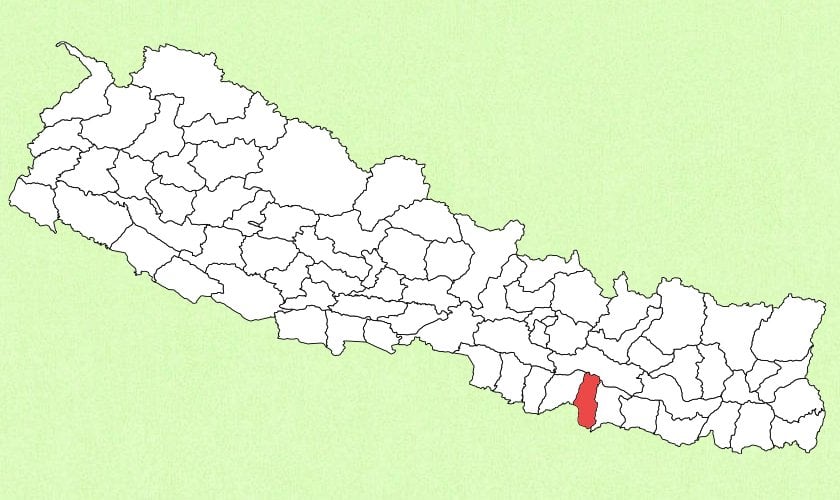
According to a study conducted by the Ministry of Urban Development, the number of unorganized households on the riverbanks of the Kathmandu Valley has been found to be 3,496. According to the study data released in 2078 by the High-Powered Integrated Bagmati Civilization Development Committee under the ministry, among the municipalities of the three districts of the valley, Kathmandu Metropolitan City has the highest number of 2,245 unorganized households.
The committee's preliminary study shows that there are 40 households in Kathmandu Metropolitan City-10 Devinagar, 36 in Shanti Binayak, 150 in Shankhamul, 143 in Ward Number 11 Thapathali, 193 in Bansighat, 6 in Ward Number 4 Dhumbarahi, and 14 in Baluwatar.
There are 147 households in Khadi Pakha of Ward 3 of the Metropolitan City, 32 in Narayan Tole, and 10 in Ranibari. According to the committee, there are 23 households in Ward Number 29 Anamnagar, 401 in Ward Number 14 Balkhu, 114 in Ward Number 32 Jadibuti Chowk, and 75 in Ward Number 16 Buddhajyoti.
Similarly, the committee stated that there are 19 households in Ward Number 2 Dhikure, 476 in Ward Number 31 Shantinagar, 35 in Ward Number 26 Sangam Tole, 162 in Ward Number 9 Sinamangal/Gairigaun, and 46 in Ward Number 15 Swayambhu.
The committee stated that there are a total of 90 households in Kageshwori Manohara Municipality-9, with 13 in Kageshwori Manohara Tole and 77 in Ward Number 8 Gothatar Buddha Chowk. There are a total of 156 unorganized households in Budhanilkantha Municipality of Kathmandu, with 14 in Kapan and 142 in Pathibhara. There are unorganized households in two local levels of Lalitpur. The High-Powered Integrated Bagmati Civilization Development Committee stated that there are 17 households in the Lalitpur Balkumari area and 215 households in the canal area of Godawari Municipality.
Similarly, the committee's data shows that there are 773 unorganized households in Madhyapur Thimi Manohara of Bhaktapur Municipality. According to the committee, this number has increased sharply now. 'I don't know how many households have increased in the latest data, but it is increasing,' said an official of the committee.
According to the book titled 'Urbanization: Diverse Dimensions of Livelihood' published by Martin Chautari, there were only 64 squatter households in the valley in 2058. According to the article titled 'A Decade of Squatter Movement in Nepal' by Masako Tanaka contained in the book published in 2063, there were only 64 unorganized settler households in Kathmandu in 2058.
- Kathmandu Metropolitan City in discussion, Authority does not know
After the news of Prime Minister Balen's directive to security chiefs came out, Acting Mayor of Kathmandu Metropolitan City Sunita Dangol has started discussions. The Ward Chair of Ward 11, where the Thapathali area falls, along with the Ward Chairs of Ward 6, Ward 17, and Ward 32, and Metropolitan Police Chief Bishnu Joshi are in discussions. Before that, Chief District Officer of Kathmandu District Ishwar Raj Poudel had requested to discuss and coordinate with the Metropolitan City team.
'There has been no information from the Prime Minister's Office yet, discussions have already been held with the CDO. Now the Metropolitan City will facilitate and coordinate the work prepared by the federal government. Discussions are currently being held for that,' said a Ward Chair participating in the discussion.
According to Metropolitan sources, CDO Poudel had said that the residents of the Thapathali settlement should be removed before the bulldozers run and the help of the municipal police is needed to keep their belongings safe. Accordingly, preparations are also being made to arrange temporary accommodation for the residents in hotels and lodges.
Development Commissioner of Kathmandu Valley Development Authority Januka Dhakal said that although the responsibility of protecting government, public, and vacant land lies with both the Authority and the local government, the issue of management and identification of squatters is also linked to the Land Commission. She said, 'The matter of clearing and managing after identifying squatters was raised in the past as well, but nothing has happened on this issue immediately.'
When asked if there has been any coordination or directive from the Prime Minister's Office or other high-level bodies to remove the settlement, Dhakal said, 'So far, there has been no discussion or directive from the Prime Minister's Office on this matter. The process will move forward only if something comes officially.'
This specific news has been automatically translated by AI. As a result, there may be some inaccuracies or language errors.