International Crisis Group Warns Against Long-Term Ban on Bangladesh Awami League
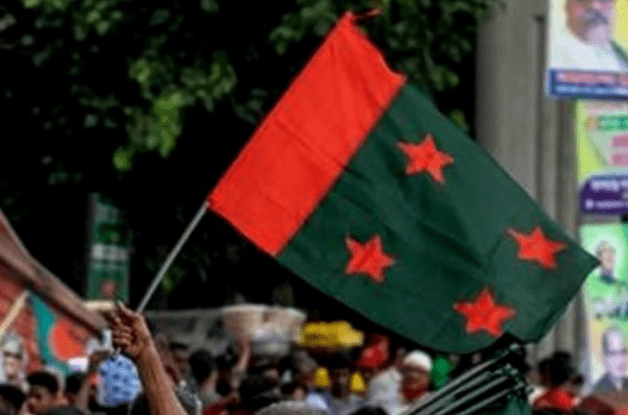
Dhaka. The International Crisis Group has warned that the temporary ban imposed on the major political party, the Bangladesh Awami League, amid the country's shifting political landscape is unlikely to be sustainable in the long term. Advising the new government to address this sensitive issue through political channels promptly, the group emphasized the necessity of an inclusive political process for the nation's stability.
Thomas Kean, a senior consultant for the International Crisis Group on Bangladesh and Myanmar, noted the Awami League's historical and influential role in Bangladesh's post-independence politics, expressing the view that the ban on the party cannot be maintained indefinitely. According to him, the current Bangladesh Nationalist Party (BNP)-led government is under pressure to formulate a clear policy regarding the political future of the Awami League.
A new report released by the Crisis Group urges India to play an active role, considering the Awami League's historical proximity to New Delhi and the fact that many of its senior leaders are currently in exile. The report suggests that New Delhi should use its influence to help create an environment for the Awami League leadership to return to the political process.
The report also highlights diplomatic balancing as a significant challenge for Bangladesh's new government. While improving strained relations with India is a priority, it notes that maintaining a balance with key partners like China and the United States is equally essential.
The political trajectory of Bangladesh shifted following a mass movement in August 2024 that ousted the government led by then-Prime Minister Sheikh Hasina. After nearly 15 years of rule, Hasina's departure became inevitable when the military refused to fire on protesters amidst widespread discontent.
Subsequently, an interim administration was formed under the leadership of Muhammad Yunus with the consensus of political parties and student leaders. The Crisis Group has described the election held on 12 February as a 'historic moment'.
In that election, the BNP secured a clear majority, and voters also supported reform proposals through a referendum. The report notes that the election was relatively peaceful and fair, and the transfer of power was smooth.
However, the Crisis Group concludes that two months after the election, challenges for the new government are becoming more apparent. Specifically, there are challenges in reviving the economy, managing the impacts of the Middle East conflict, and addressing pressures related to energy supply and inflation.
As Bangladesh's economy is dependent on the Middle East for fuel, electricity, and fertilizer, the report warns that instability in that region will directly impact foreign exchange reserves, economic growth, and inflation.
Furthermore, noting that economic reforms alone will not be sufficient, the report emphasizes the need to improve the performance of state institutions, increase public trust in security, and implement political reforms. It suggests that the government should seek consensus with the opposition on sensitive issues like the July Charter rather than escalating confrontations.
This specific news has been automatically translated by AI. As a result, there may be some inaccuracies or language errors.