Nepal Unveils New Strategy to Boost Energy Consumption and Electricity Exports


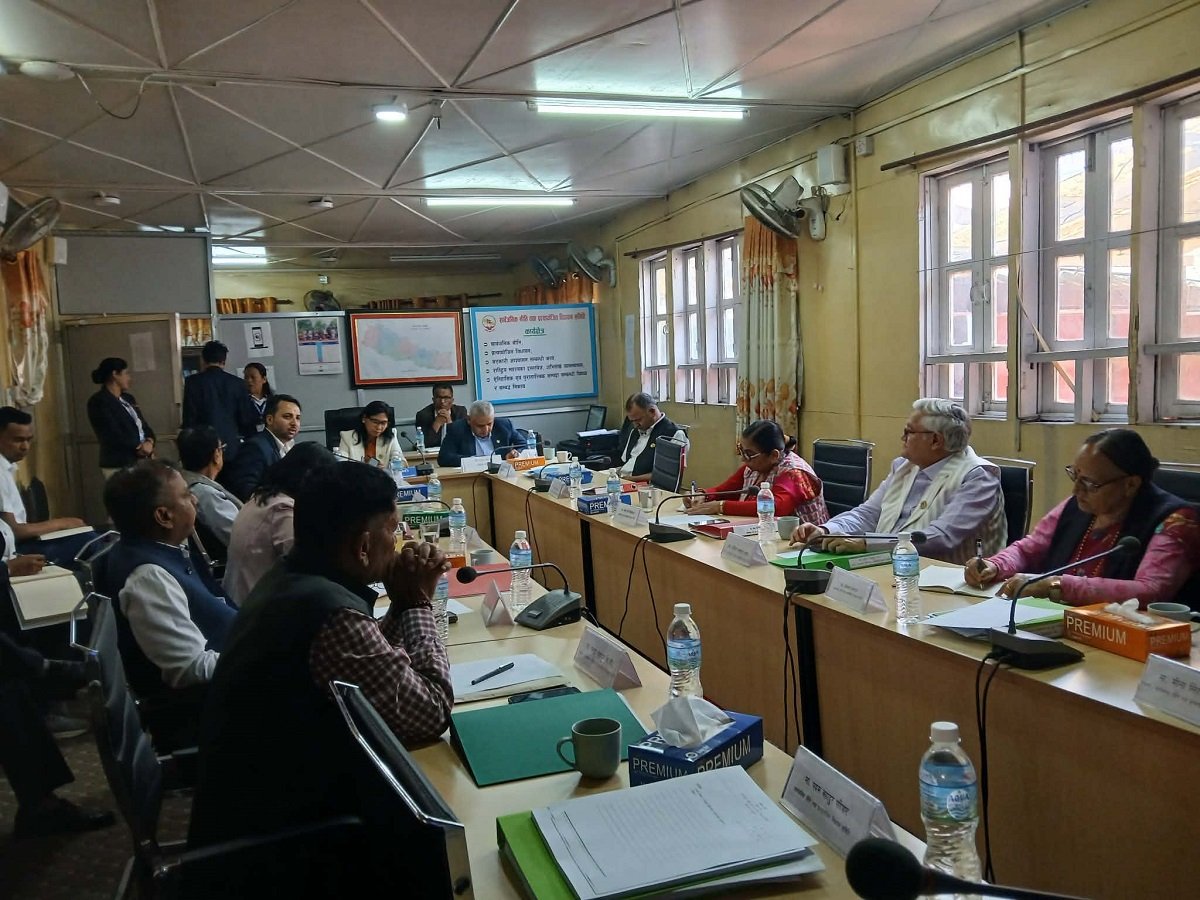
Kathmandu. With the objective of making the energy sector the primary foundation for economic transformation, the 'Energy Consumption Growth and Export Strategy, 2083' has been submitted to Minister for Energy, Water Resources and Irrigation, Biraj Bhakta Shrestha. The strategy, prepared by a committee coordinated by Joint Secretary Sandeep Kumar Dev of the Ministry, was submitted on Thursday.
Following the 100-point governance reform agenda approved by the Council of Ministers on Chaitra 13, Energy Minister Shrestha formed a high-level study committee to address energy consumption and export strategies as per points 74 (a) and (c).
The strategy presents a long-term roadmap that emphasizes significantly increasing domestic electricity consumption while promoting the export of surplus power. It also stresses the need for 100 percent household electrification and comprehensive improvements to transmission and distribution systems.
The strategy focuses on incentivizing the use of electrical household appliances, upgrading meter and transformer capacities, and gradually reducing the use of LP gas. It notes that per capita energy consumption, currently around 450 kilowatt-hours, could reach 1,500 kilowatt-hours within the next 10 years. Furthermore, it suggests prioritizing electric vehicles in public transport and expanding the network of charging stations. A policy has been adopted to replace coal and petroleum-based boilers used in industries with electrical systems.
The plan also includes setting consumer-friendly 'seasonal' electricity tariffs to boost consumption. It is believed that this will help increase energy efficiency, reduce trade deficits, and strengthen foreign exchange reserves.
Regarding production, the strategy aims to resolve the imbalance in output between the dry and wet seasons by increasing the share of reservoir and semi-reservoir hydropower projects. Additionally, plans have been put forward to increase electricity exports to regional markets through cross-border transmission lines alongside nationwide grid expansion.
The strategy is designed to maximize economic benefits by focusing exports on peak evening hours when demand is high, with a target to export 15,000 megawatts of electricity within the next 10 years.
The strategy identifies potential risks and proposes clear measures for their management. It also prioritizes expanding private sector participation in electricity trading and implementing structural reforms within the Nepal Electricity Authority to enhance operational efficiency.
It has been stated that a strict monitoring system will be adopted for the effective implementation of the strategy, and responsibilities will be ensured based on performance. The committee included Deputy Director General of the Department of Electricity Development Gokarna Panth, Ministry Joint Secretary for Legal Affairs Jok Bahadur Dangi, Electricity Regulatory Commission Secretary Navin Raj Singh, Acting Deputy Executive Director of the Electricity Authority Rajan Dhakal, Director Tharka Bahadur Thapa, and Ministry CDEs Raju Maharjan and Sanjeev Ray.
This specific news has been automatically translated by AI. As a result, there may be some inaccuracies or language errors.


_IvrWQ1hN9m.jpg)