Bagmati Province Committee Recommends Abolition of Policy and Planning Commission


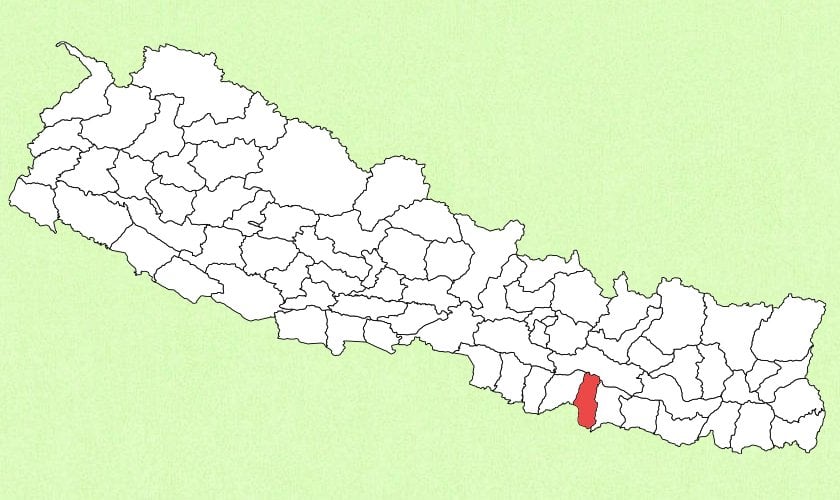
Hetauda. Questions have been raised regarding the working style and effectiveness of the Bagmati Province Policy and Planning Commission, with a formal recommendation made for its dissolution.
The Administrative Structure Review and Suggestion Committee of Bagmati Province has recommended that the government abolish the commission, concluding that its operations have failed to yield productive results.
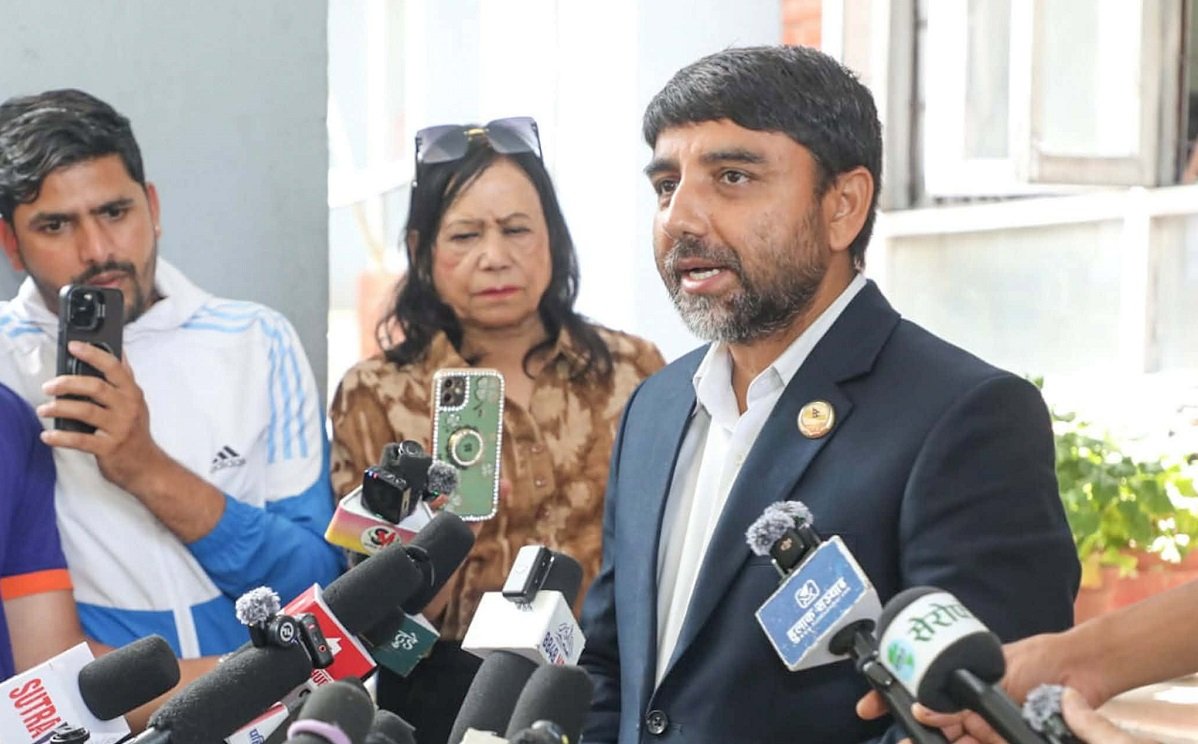
The study committee, led by former secretary Bimal Wagle, concluded that the relevance of the commission—often considered the provincial government's think tank—cannot be justified. The report submitted by the committee states that the commission has failed to deliver expected results and serves only to increase public expenditure.
According to the report, the commission's share of the total budget for the fiscal year 2082/083 is only 0.06 percent (43.824 million rupees), indicating that its role is of low priority to the government.
The report further notes that most of the commission's tasks are already being performed by individual ministries, and its involvement in project selection and monitoring appears merely ceremonial. Since ministries formulate and implement their own plans, the commission's role is limited to coordination—a function that could be handled by the Office of the Chief Minister, leading the committee to recommend its dissolution.
The committee concluded that the commission has failed to effectively monitor and evaluate major provincial projects, and that the strategic advice and results provided are minimal compared to its large administrative structure and costs.
Proposal for a 'High-Level Policy and Planning Committee'
The committee has recommended abolishing the commission under the Ministry of Economic Affairs and Planning and establishing a high-level political policy committee instead. To ensure continuity in planning and policy work, it has proposed a structure under the Office of the Chief Minister and Council of Ministers.
The proposed high-level committee would be chaired by the Chief Minister and consist of five members. The committee recommends that the Minister of Economic Affairs and Planning and the Chief Secretary serve as members, alongside two government-appointed experts, including one woman. The secretary overseeing planning at the Chief Minister's office is recommended to serve as the member-secretary.
The proposed committee would be tasked with managing a project bank, operating a policy laboratory, setting budget ceilings, and conducting monitoring and evaluation. The committee suggests that this body could make the government more result-oriented by establishing a project bank, running a policy lab for evidence-based policymaking, creating performance-based indicators for project monitoring, and setting targets for annual development programs.
According to the report, implementing this high-level committee would allow the Chief Minister to receive direct expert advice, replacing the current commission. This would reduce administrative costs while making the planning process more accountable by bringing it under the direct supervision of the Chief Minister.
This specific news has been automatically translated by AI. As a result, there may be some inaccuracies or language errors.