Opposition Parties Face Scrutiny Over Silence Amid Rising Inflation and Government Policies

Kathmandu. The impact of rising petroleum prices is being felt across all sectors. With fuel prices in Nepal surging significantly due to the conflict between Iran and the United States in West Asia, the government has shown little initiative to provide relief to the public.
While there is underlying frustration among stakeholders regarding some decisions made by the government led by Balen Shah, there remains an unusual silence.
Perhaps sensing this silence, Gen-Z activist Raksha Bam took to social media on Saturday to question Congress President Gagan Thapa, who also serves as the leader of the main opposition party. 'As the president of the second-largest party in parliament, I feel your role is even greater and more responsible when in opposition,' she said. 'Today, the opposition appears weak. Those in power may not listen to the people's voice, but the opposition must speak to ensure that voice is heard. We need a strong opposition voice.'

Dissatisfaction is growing, particularly because the government led by the Rastriya Swatantra Party (RSP), which received a mandate close to two-thirds, has failed to control inflation or provide relief to the public. The soaring cost of living is affecting everything from household kitchens to development projects.
RSP MP Ashika Tamang herself satirized the excessive price hike of bananas. On Sunday, Tamang wrote on Facebook, 'In a country where bananas grow in abundance, a dozen costs Rs. 3350.'
There are complaints against the government for various issues, including bulldozing squatter settlements in different parts of the country without providing alternatives, unnecessary harassment of citizens, and attempts to dissolve student organizations at universities. However, the opposition parties, who are expected to hold the government accountable for every wrong decision, are being accused of remaining silent.
In the election held on Falgun 21, the RSP won 182 seats to form a single-party government, leaving the opposition parties in a very weak position. However, despite their numerical weakness, the opposition has failed to play the role expected of them on serious issues.
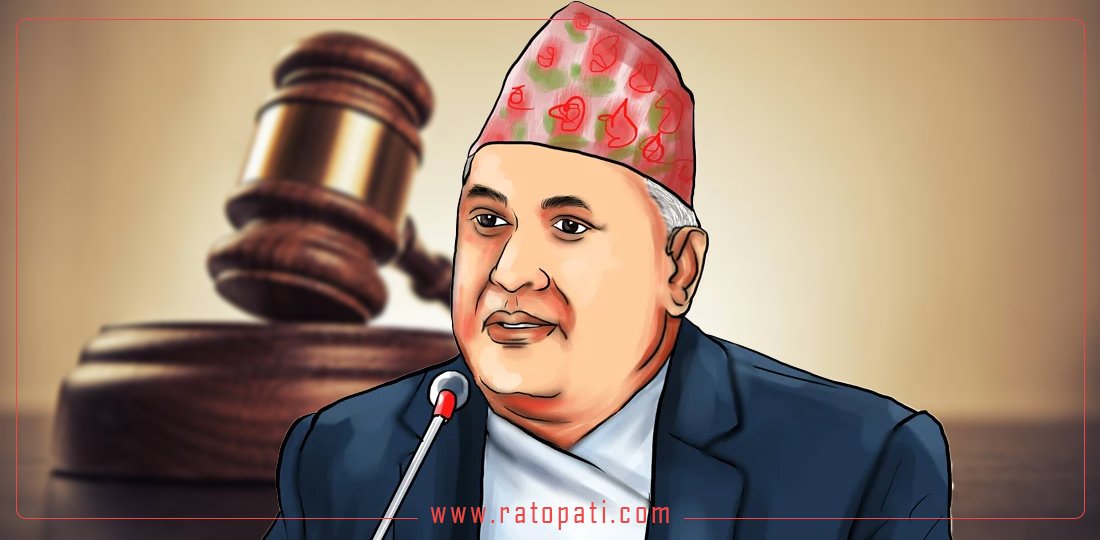
Nevertheless, Nepali Congress General Secretary Pradip Paudel states that they have not yet announced protest programs because the government was only recently formed.

'We have waited for some time because the government was just formed. This does not mean the opposition has become helpless. The party has been speaking out on issues like price hikes from the beginning. The government should bring an immediate relief package by providing tax exemptions on petroleum products,' Paudel told Ratopati. 'We are not in favor of forming a front with opposition parties just yet. If the government does not move toward listening to the people's voice, we will bring forward pressure-oriented programs in collaboration with all parties.'
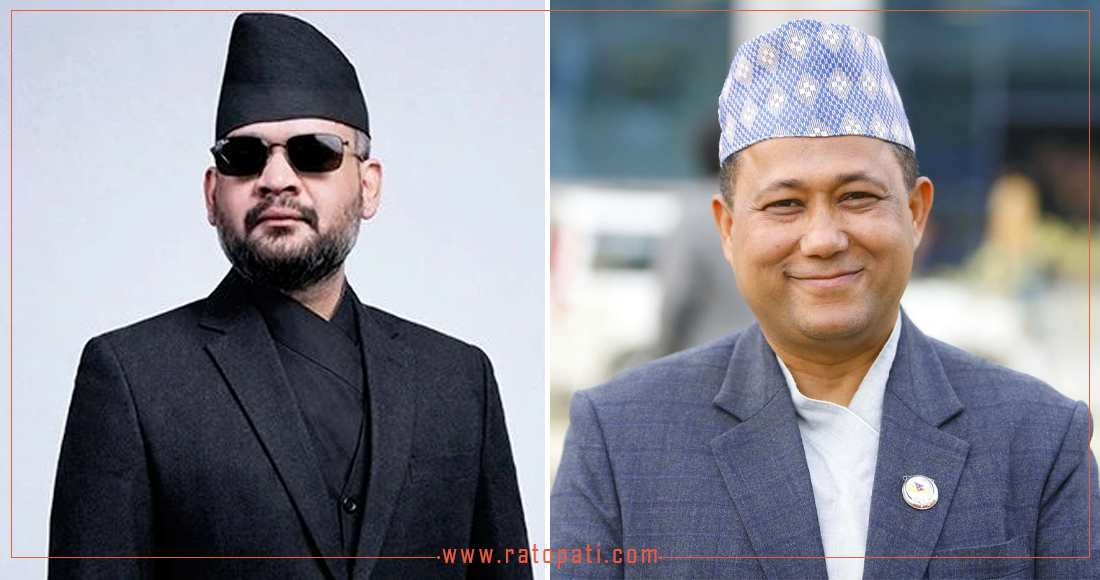
UML Deputy General Secretary Yogesh Bhattarai also clarified that they are protesting quietly because the government was recently formed with a large mandate. He argues that it is not appropriate to take to the streets for protests while parliament is not in session.
'The government was recently formed with a large mandate. Therefore, the opposition is in a state of quiet protest. Parliament is also not in session. It does not suit us to go to the streets to protest right now,' said Bhattarai. 'There is a greater danger of the government becoming authoritarian at such times. There is a risk of becoming aggressive and breaking rules and laws. But this will not make the government popular.'

He stated that since the market has been devastated by the rise in petroleum prices, opposition parties should now make their positions public.
He said, 'The rise in petroleum prices has devastated the market. Every person's life has become extremely difficult. The government should create a good plan to provide relief to the lower and middle classes.'
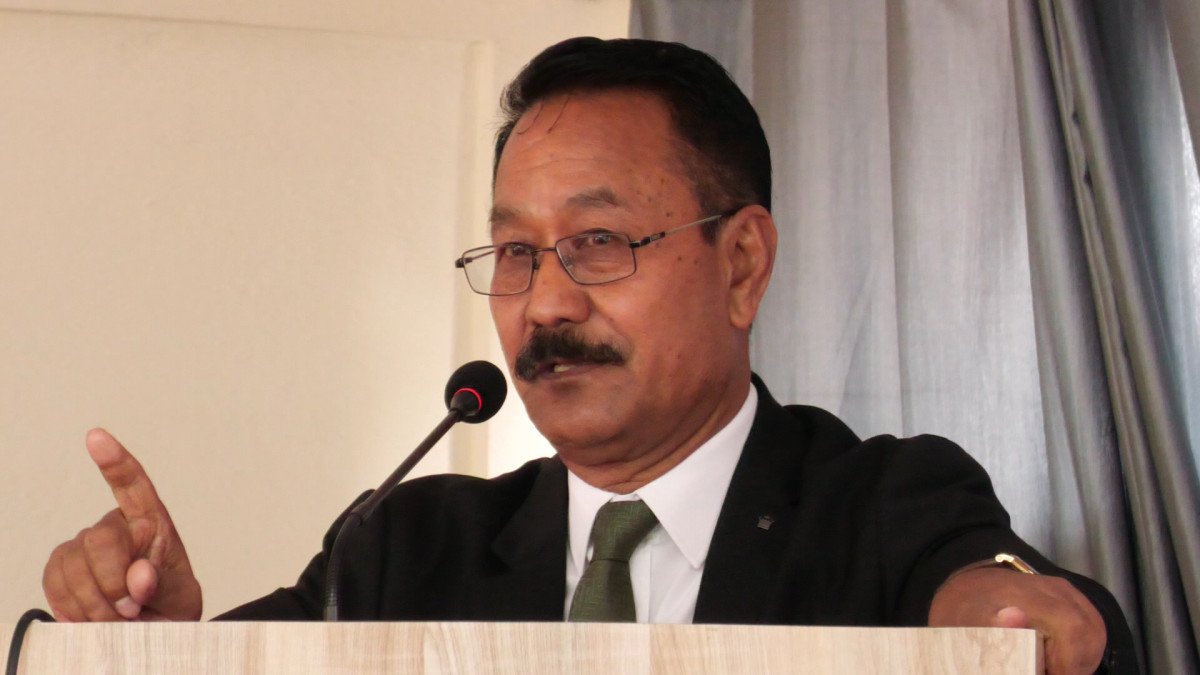
Meanwhile, Nepal Communist Party leader Dev Gurung stated that the government itself should focus on controlling price hikes and providing relief to the public. He clarified that as an opposition party, they will hold discussions both within and outside the party.
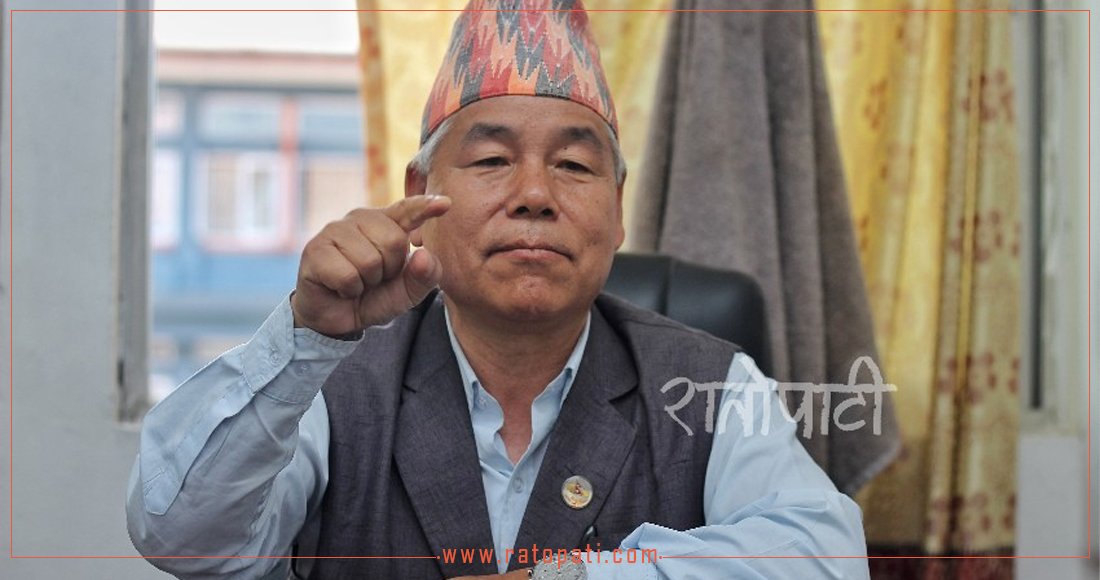
'The subject of providing relief to the public is the government's responsibility. We will discuss the issue of rising inflation within the party and with other opposition parties. These are issues that opposition parties should raise in parliament. Since parliament is not in session, we will discuss how to move forward,' said Gurung.
The NCP issued a statement on Sunday expressing opposition to the government's failure to control price hikes, the displacement of squatters, and the ban on student organizations.
'Our party urges the immediate control of inflation and black marketing that has increased following the formation of the new government. Furthermore, the attempt to ban student organizations against the spirit and sentiment of the Constitution is highly objectionable,' the statement said. 'Such a ban in a federal democratic republic, achieved through sacrificial struggle, on students who have enjoyed the right to organize even during the Panchayat era, cannot be accepted.'
The NCP has also expressed concern over attempts to ban trade unions, which contradicts constitutional rights to organize and international treaties ratified by Nepal. It has urged the government not to take this matter lightly and to reconsider.
Leaders of another opposition party, the Rastriya Prajatantra Party (RPP), have emphasized that since the rise in petroleum prices is a global problem, the government should provide relief to the public through tax exemptions. RPP parliamentary party leader Gyan Bahadur Shahi said the party would issue a statement on this matter.
_E8nHC5D9VZ.jpg)
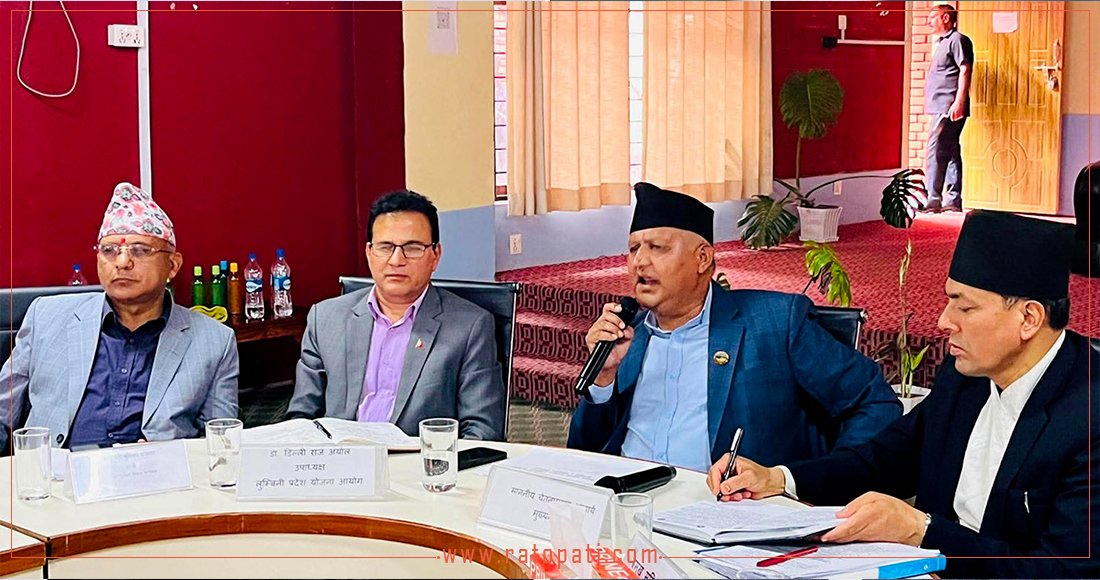
'The current problem is not just Nepal's; it was created due to events in global politics. But the government could have provided relief to the public on price hikes by offering tax exemptions. We have been drawing the government's attention to this through various means. We will discuss it within the party and make our perspective public,' said Shahi.
RPP MP Khushbu Oli asserted that although she had spoken in parliament about the rising cost of household expenses, it was not heard. She emphasized that the Oil Corporation, which always shows losses, should be investigated thoroughly.
'Inflation and price hikes are not just Nepal's problems. But the government could have provided special relief. I had raised the issue in parliament that kitchens have become expensive. It has not been heard. The party will bring an official position on this matter,' said Oli.
Labor Culture Party General Secretary Aryan Rai asserted that the party has been expressing its views on price hikes through various channels. Informing that internal discussions are underway to put further pressure on the government, he clarified that an official position would be made public in a few days.
'We have expressed our views on the issue of controlling inflation. Parliament is not in session right now. We have been putting pressure on the government through various means. The party will make an official position public on this matter,' said Rai.
_rtU6HljIG5.jpg)
It should be remembered that on Chait 19, RSP Chairman Rabi Lamichhane himself had said that they did not want the benefit of a honeymoon period.
Addressing the first meeting of the House of Representatives, Lamichhane had asked for questions to be raised. 'We don't need the benefit of a honeymoon period. We want to work by counting seconds, not days; we have already started,' Lamichhane had said. However, some have commented that the opposition party has forgotten its role and become as dim as a firefly's light.
This specific news has been automatically translated by AI. As a result, there may be some inaccuracies or language errors.
-(2)_QJLjKxR87n.jpg)