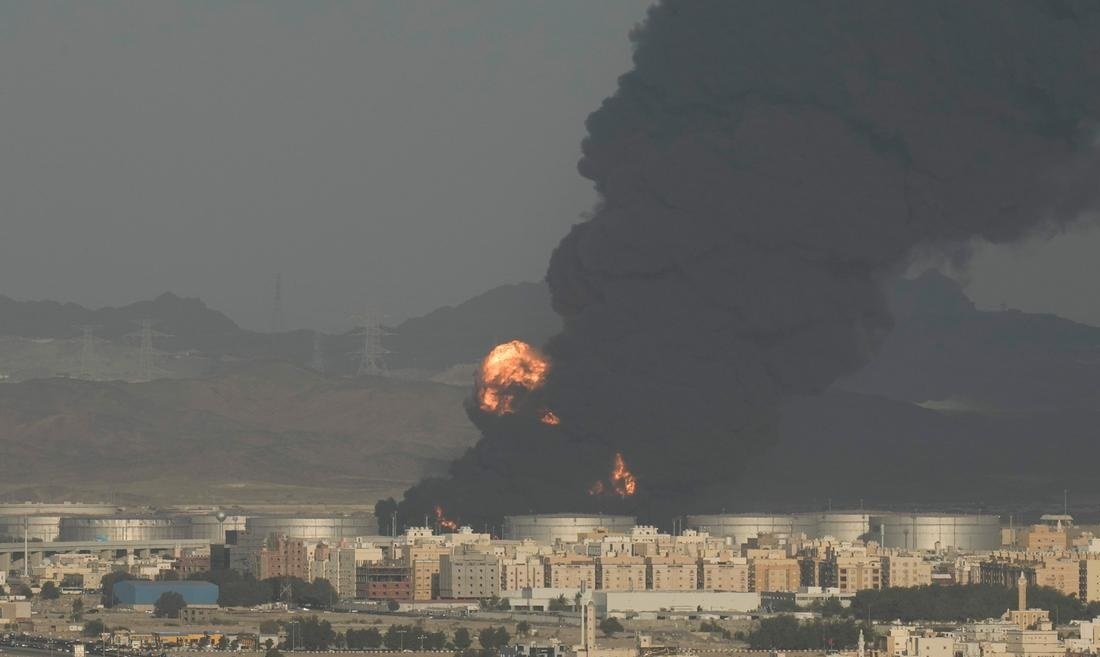
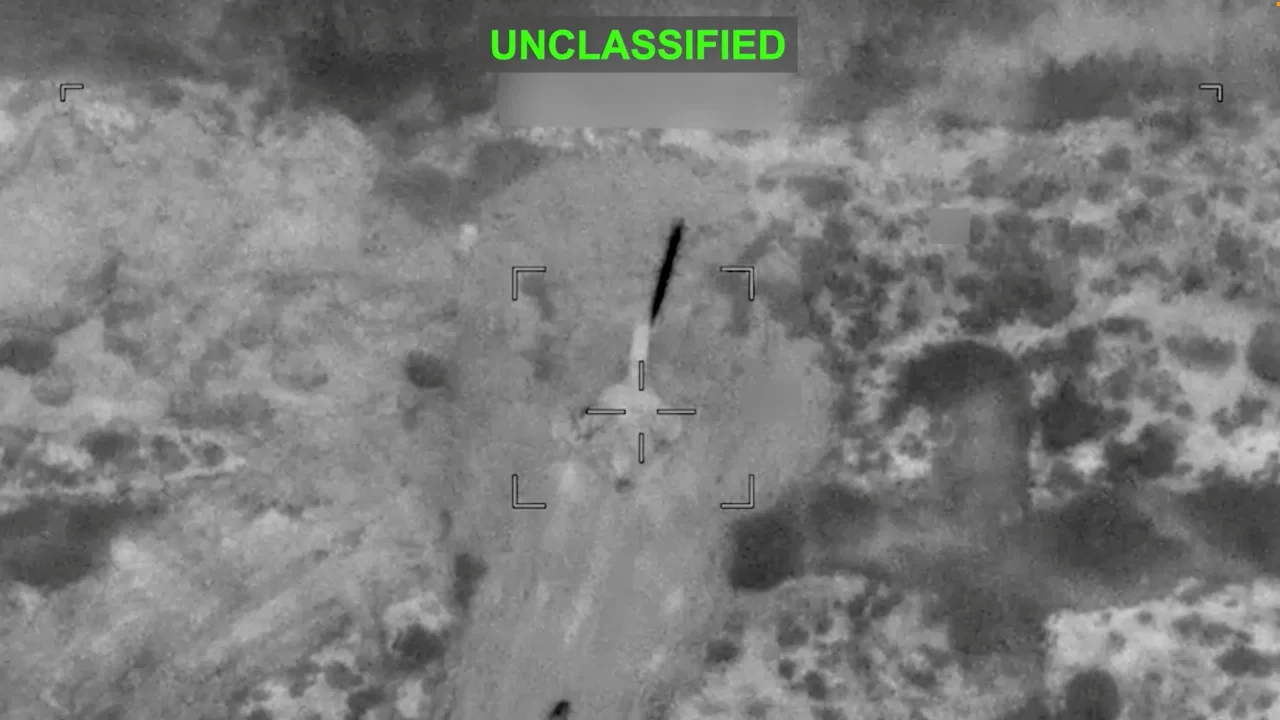
Regional Tensions Surge as Iran Threatens to Close Strait of Hormuz Over US Sanctions


Iran. Regional tensions have flared again as Iran clarified that the Strait of Hormuz will not be fully opened until the United States lifts its naval blockade on Iranian ports. With the waterway, which had briefly opened, becoming uncertain again, concerns have resurfaced in the global energy market.
In a televised address, Iranian Parliament Speaker Mohammad Bagher Ghalibaf stated that while there has been some progress in talks with the US, deep disagreements remain on fundamental issues. According to him, a final peace agreement is not immediately possible, and negotiations have not yet reached a decisive stage. He noted that many complex aspects remain in the dialogue aimed at ending the war with Israel and the US.
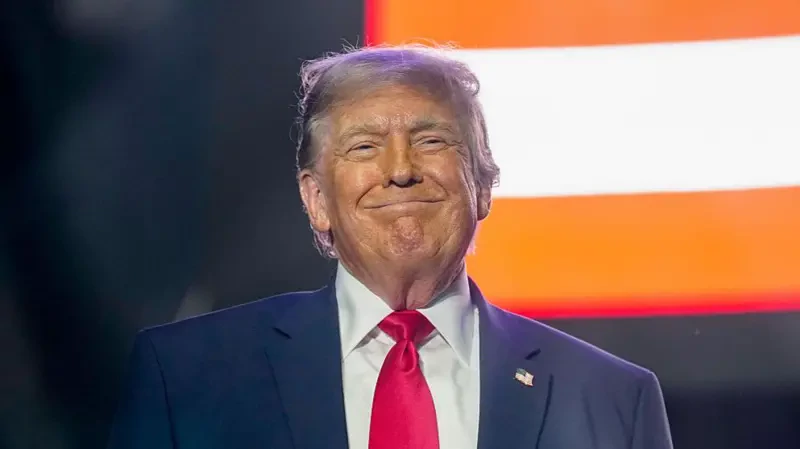
A two-week ceasefire is set to expire on Wednesday, adding further uncertainty to the situation. Meanwhile, US President Donald Trump claimed that 'good talks' are underway with Iran and warned Tehran against adopting a pressure-based strategy. He also accused Iran of trying to 'blackmail' the international community through the Strait of Hormuz.
On Friday, Iran had announced the opening of the Strait of Hormuz following an agreement between its ally Hezbollah and Israel in Lebanon. Since about one-fifth of the world's oil and liquefied natural gas is transported through this route, the decision had provided relief to the global market and lowered oil prices. However, after the US insisted on maintaining the blockade on Iranian ports, Tehran signaled that it would again restrict the waterway.
"If the US does not lift the blockade, movement in the Strait of Hormuz will certainly be restricted," Ghalibaf warned. Meanwhile, Iran's Supreme Leader Mojtaba Khamenei stated in a written message that the Iranian Navy is fully prepared to fight against the US.
Amid the tension, Iran's Revolutionary Guards have warned that ships passing through the strait without permission will be considered as collaborating with the enemy and will be 'targeted' if necessary. Although some oil and gas tankers passed through during the brief opening, many ships have turned back, and tracking data showed the waterway appeared mostly deserted by Saturday afternoon.
A British maritime security agency reported that shots were fired at a tanker, while a security firm named Vanguard Tech stated that the Iranian military threatened to destroy an empty cruise ship leaving the Gulf region. In another incident, an unknown projectile struck a ship, damaging containers, though no fire occurred.
In this context, India has expressed strong objection to the shooting incident involving two ships flying its flag in the strait and has summoned the Iranian Ambassador to New Delhi to register a protest.
Diplomatic efforts are also ongoing. Egypt, involved in mediation with Pakistan, has expressed hope that a final agreement will be possible soon. The main obstacles to the talks are considered to be Iran's stockpile of highly enriched uranium and control over the Strait of Hormuz.
US President Trump claimed that Iran had agreed to hand over 440 kilograms of enriched uranium, but Iran rejected this, clarifying that such a proposal was never part of the negotiations. According to the Iranian Foreign Ministry, the stockpile is in a secure location and there is no plan to hand it over to the US under any circumstances.
The Middle Eastern conflict, which began on February 28, has expanded to include Iran, Gulf countries, Israel, and Lebanon. A French soldier was killed and three others were injured in an attack on UN peacekeepers in Lebanon. French President Emmanuel Macron has blamed Hezbollah for the incident, but the group has denied the allegation.
UN Secretary-General Antonio Guterres condemned the incident, stating that preliminary assessments suggest the attack was carried out by Hezbollah. This event has further complicated regional tensions and added challenges to peace efforts.
This specific news has been automatically translated by AI. As a result, there may be some inaccuracies or language errors.