Global powers push for maritime security in Strait of Hormuz as Iran ceasefire nears deadline


Kathmandu. As the deadline for the ceasefire with Iran approaches, international concern over the security of the Strait of Hormuz and the resumption of maritime traffic has intensified. In this context, discussions between US Secretary of State Marco Rubio and British Foreign Secretary Yvette Cooper have clarified upcoming diplomatic steps.
According to US State Department Principal Deputy Spokesperson Tommy Pigott, Rubio held a telephone conversation with Cooper to review the latest developments regarding the ceasefire with Iran. The discussion focused specifically on the state of maritime security in the Strait of Hormuz and how to ensure the blocked international waterway remains safe and open.
Both sides emphasized the need to immediately restore freedom of navigation in the strait, agreeing on the necessity of ensuring an environment where commercial vessels can transit safely. This is expected to help maintain the global energy supply chain without disruption.
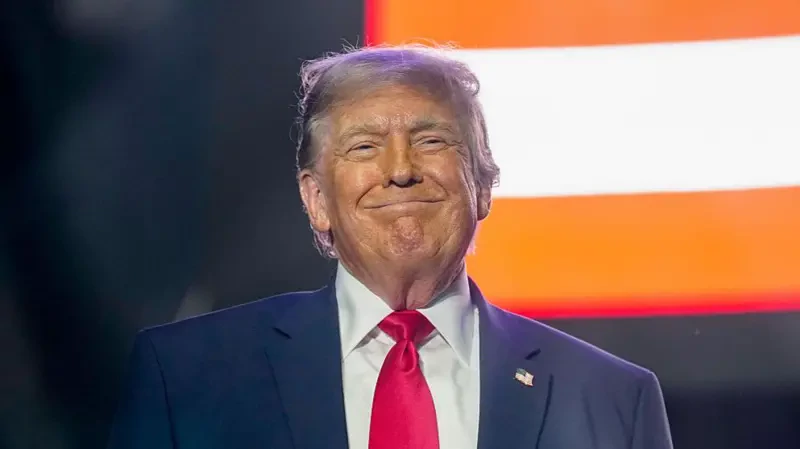
The ceasefire between Washington and Tehran is scheduled to expire on April 22. Uncertainty remains regarding its future and potential extension. US President Donald Trump has indicated he remains optimistic about ongoing talks, though he noted he has no clear stance yet on whether an extension is necessary.
Speaking to reporters, he mentioned that dialogue between the US and Iran is moving in a positive direction. According to him, Iran now appears willing to agree on issues it was not prepared to discuss two months ago, particularly regarding nuclear weapons. He stated that the US is focused on reaching a final agreement with Iran.
Meanwhile, European leadership has begun accelerating efforts to reopen the Strait of Hormuz. British Prime Minister Keir Starmer and French President Emmanuel Macron are preparing to host a virtual meeting of world leaders, with approximately 40 countries expected to participate.
The meeting will discuss measures to keep key maritime routes secure while supporting the fragile ceasefire with Iran. According to the British Prime Minister's office, the proposal to form a security mission through international coordination to reopen the strait will also be on the agenda.
It is reported that the proposed mission would be defensive in nature and could be implemented through joint military efforts if necessary. Collaborating with the International Maritime Organization for the safety of ships and crews is also a priority.
Starmer is scheduled to travel to Paris to co-host the meeting with Macron, with German Chancellor Friedrich Merz also expected to attend. The meeting is set to emphasize that the immediate and unconditional reopening of the strait is a global responsibility.
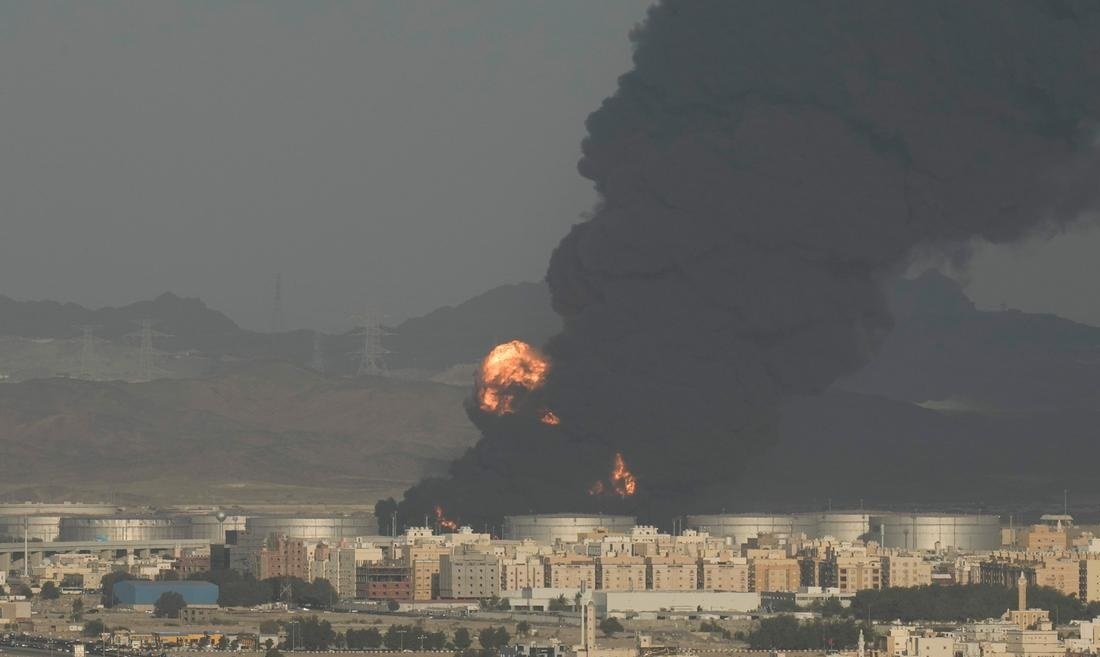
Analysts suggest that because the blockade of Hormuz has directly impacted energy supplies and international trade, a multilateral initiative is essential for a resolution. In this situation, coordination between the US, Europe, and regional powers appears likely to decisively influence the stability of the ceasefire and the state of maritime security in the coming days.
This specific news has been automatically translated by AI. As a result, there may be some inaccuracies or language errors.