Russia and Ukraine announce temporary Easter ceasefire
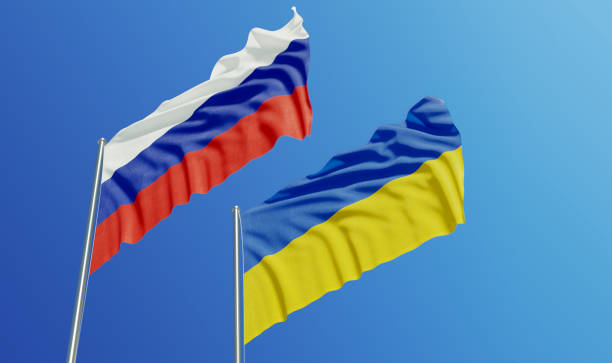
Kremlin. Amidst the ongoing four-year conflict, a short-term temporary ceasefire between Russia and Ukraine is set to take effect starting Saturday, coinciding with the Orthodox Easter. While US-led peace efforts have not yielded expected results, this move is viewed as a small but significant gesture of humanitarian relief.
According to a directive issued by the Kremlin, a 32-hour ceasefire will be in effect from 4:00 PM Saturday (1300 GMT) until Sunday night. Defense Minister Andrei Belousov and Army Chief Valery Gerasimov have been ordered to completely halt hostile activities on all fronts during this period.
Ukrainian President Volodymyr Zelenskyy also noted that he has repeatedly expressed his country's readiness for a ceasefire on the occasion of Easter. He indicated a willingness to respond positively to Russia's proposal.
However, this temporary ceasefire is not directly linked to a long-term peace process. Kremlin spokesperson Dmitry Peskov clarified that Russia did not hold prior discussions with Ukraine or the United States on this matter, presenting the move as a separate humanitarian initiative.
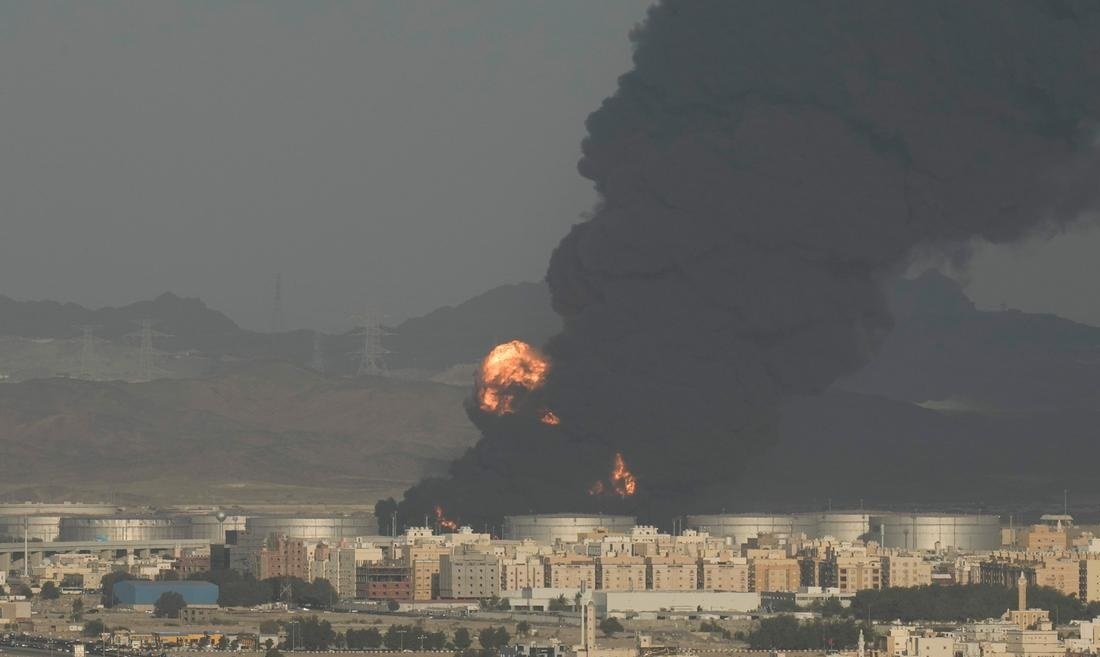
Meanwhile, violent incidents have not ceased ahead of the ceasefire. Local officials reported that separate attacks in Ukraine's Poltava and Sumy regions on Friday night left one person dead and about 15 injured. According to the Ukrainian Air Force, Russia launched 128 drones on Thursday night alone.
Peace talks mediated by the US have yet to achieve concrete results. Moscow is demanding territorial and political concessions, which Ukraine has rejected, viewing them as tantamount to surrender. Furthermore, the US focus shifting toward the Middle East has made negotiations more complex.
The war has claimed millions of lives and displaced millions more. It is considered the deadliest conflict in Europe since World War II. While fighting has somewhat stabilized on the front lines in recent years, Russia is achieving small territorial gains at a high cost.
However, analyses suggest that Russia's progress has slowed since the end of 2025. Ukraine has reportedly managed to push Russia back with some counter-attacks in the southeastern region. Additionally, analysts say that technological and communication disruptions, particularly restrictions on Starlink satellite usage and attempts to control the Telegram app, have impacted Russia's military momentum.
Nevertheless, the situation toward the cities of Kramatorsk and Sloviansk in the Donetsk region remains challenging for Ukraine. To date, Russia holds about 19 percent of Ukrainian territory, most of which was captured in the early stages of the conflict.
In such a situation, while the Easter ceasefire may halt violence for a short time, the prospect of lasting peace remains uncertain.
This specific news has been automatically translated by AI. As a result, there may be some inaccuracies or language errors.