Prime Minister Balen Shah's Diplomatic Outreach Sparks Debate on Protocol


Kathmandu. Within two weeks of the government formation led by Rastriya Swatantra Party senior leader Balen Shah, the diplomatic sector has become a subject of intense discussion.
The government is receiving praise for briefing cabinet members, ambassadors, and heads of diplomatic missions on Nepal's diplomatic code of conduct on Chait 25. While many view Prime Minister Balen Shah's collective meeting with diplomats as a fresh start, others see it as a continuation of established traditions.
During the collective meeting, Foreign Secretary Amrit Bahadur Rai briefed the attendees on Nepal's foreign policy and code of conduct. Previously, Secretary Rai had also conducted a training session for cabinet members at the Prime Minister's office regarding diplomatic protocols.
Former Foreign Secretary Shankar Das Bairagi remarked, 'Information regarding foreign policy and the code of conduct was provided in the past as well, but the approach taken by the current government is novel.'
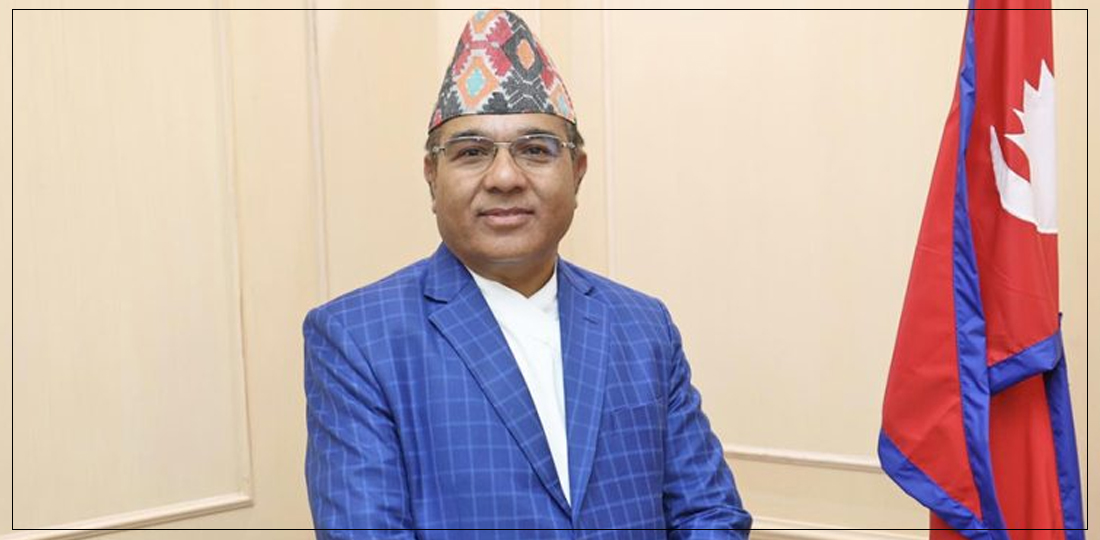
In the past, ambassadors would line up to congratulate the Prime Minister immediately upon appointment, often holding individual meetings. Prime Minister Balen has ended this practice by opting for collective engagement.
According to Foreign Ministry officials, ambassadors had sent messages through the ministry to meet the Prime Minister, but Balen directed that a collective meeting be scheduled instead of individual ones.
Former Foreign Minister Pradeep Gyawali argues this is not an entirely new event, noting that previous Prime Ministers have also held collective briefings. However, he acknowledged that the specific briefing provided to ministers on the code of conduct is a positive and new initiative.
_4ViJnXK3HO.jpg)
Gyawali emphasized that geopolitical realities sometimes necessitate individual meetings, stating, 'Not all issues can be addressed in a group setting; some require country-specific discussions.'
Former Foreign Minister Bhesh Bahadur Thapa also described the current government's practice as novel and positive, though he noted that its long-term impact on diplomacy remains to be seen.
The Ministry believes these briefings will enhance ministerial accountability, ethics, and the protection of national interests. The new code of conduct strictly regulates meetings between ministers and foreign officials, requiring the presence of a Foreign Ministry official and mandatory reporting of all discussions.
_153pogJQQz.jpg)
The protocol also mandates prior approval from the Foreign Ministry for any agreements with foreign entities, strict adherence to formal attire, and a prohibition on accepting unauthorized gifts or sharing sensitive information.
This specific news has been automatically translated by AI. As a result, there may be some inaccuracies or language errors.