The Enigmatic Legacy of Neanderthals and Their Interaction with Homo Sapiens

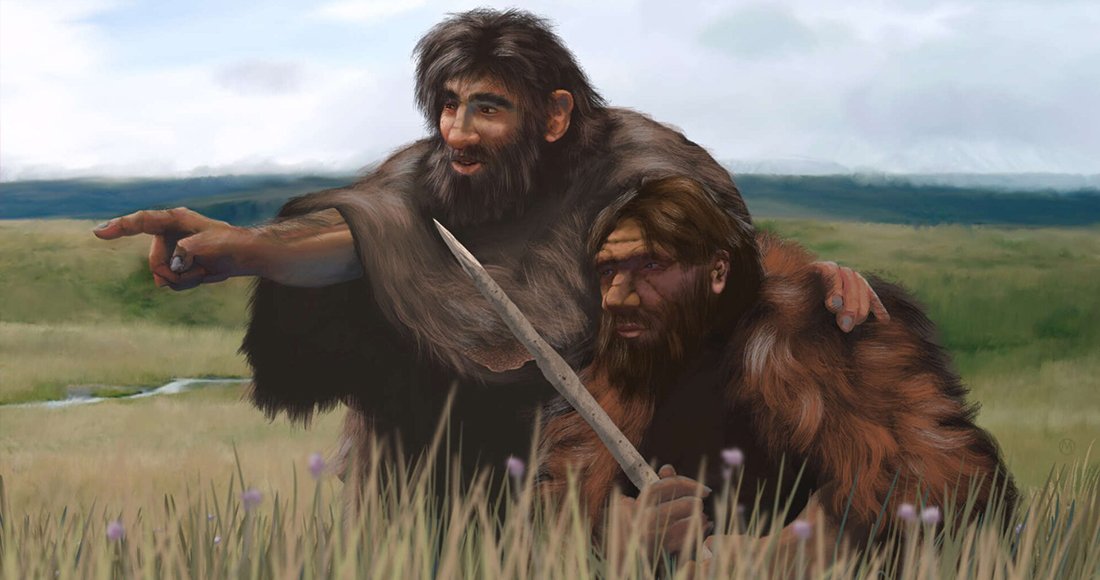
What was the lifestyle of Neanderthals and Homo sapiens (modern humans), and how did they encounter one another?
Evidence suggests cases of cannibalism. Were they killed by local Neanderthals? DNA testing of modern humans reveals that those living outside Africa possess 2 to 5 percent Neanderthal DNA.
Neanderthals are our closest relatives. They likely went extinct over 300,000 years ago. What role did modern humans play in their demise?
The Swabian Jura mountains in Germany feature limestone cliffs. Many caves here still contain remains of Stone Age humans, both Homo sapiens and Neanderthals. Researchers from the University of Tübingen have been excavating these rocks for over 45 years. The ancient artifacts discovered by archaeologists and anthropologists are truly fascinating.
Researcher Martina Lake says, 'I recently completed my Master's degree from Jagiellonian University in Krakow, and my main interest is in Neanderthals. They are our closest species or subspecies. I often wonder, how different were they really from us? How much do we want to see them as different from ourselves, and how can we define being human?'
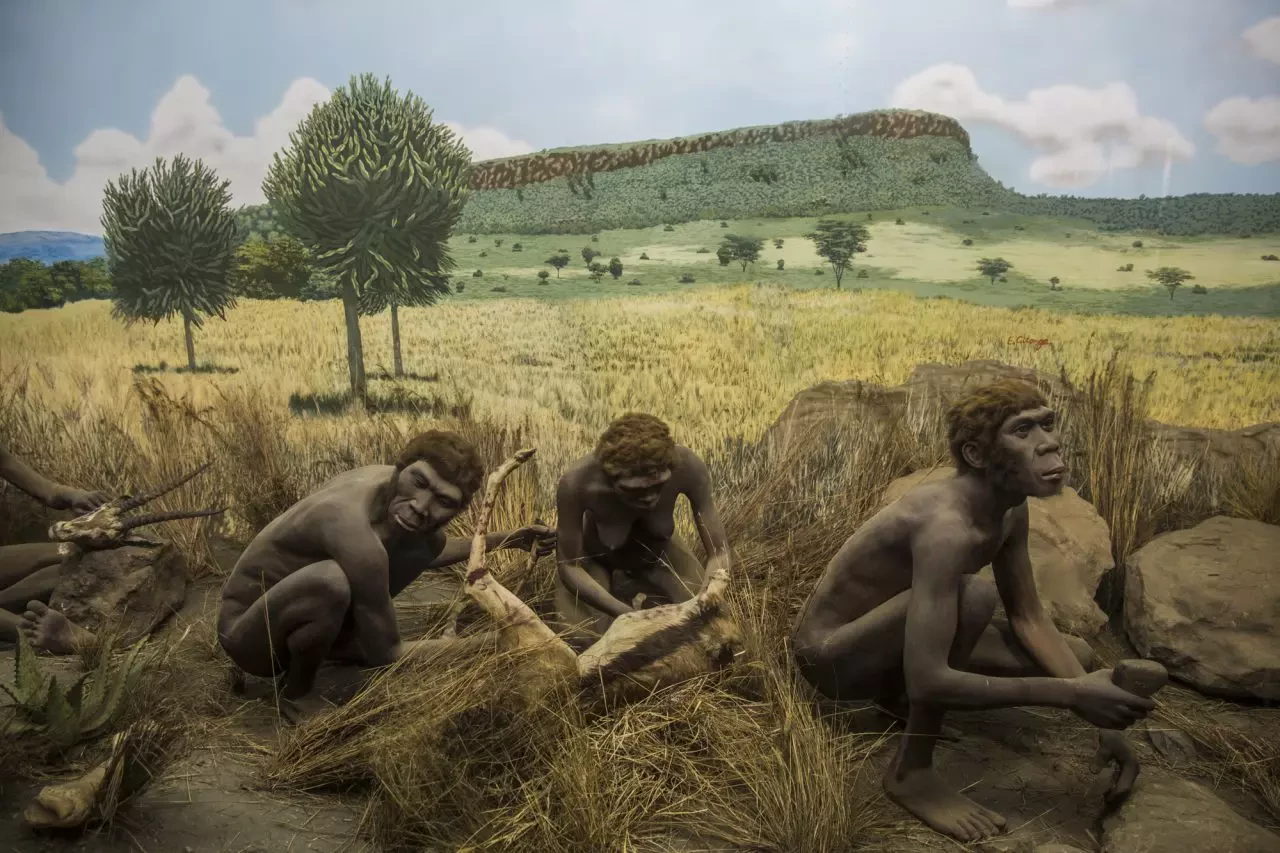
There is still a water source near the cave, which is rich in fish. The fish likely did not reach the cave on their own. This clarifies that these remains, like animal bones, were left behind by humans as food waste. Based on this, we can estimate what Neanderthals ate in the Swabian Jura region, likely 40,000 years ago.
Another researcher, Alexander Janas, says, 'We are searching for history. On one hand, we are looking for remains of early modern humans, while on the other, my colleagues are searching for traces of Neanderthals. We want to know how Neanderthals went extinct and how they lived. A common belief is that Neanderthals only hunted large animals and ate only meat. However, our research shows they also hunted small animals and ate fish alongside meat.'
The evidence found here is quite different from remains found in France. In France, we can see the transition to modern humans directly, and the layers there are changing. In the small French village of Saint-Césaire, Isabelle Crèvecœur and her team from the University of Bordeaux are conducting significant excavations. Neanderthals once lived here.
In 1979, archaeologist François Lévêque discovered Neanderthal bones here. Since then, archaeologists have been conducting extensive excavations in hopes of uncovering more mysteries about Neanderthals. However, they have not been as lucky as Lévêque's team so far.
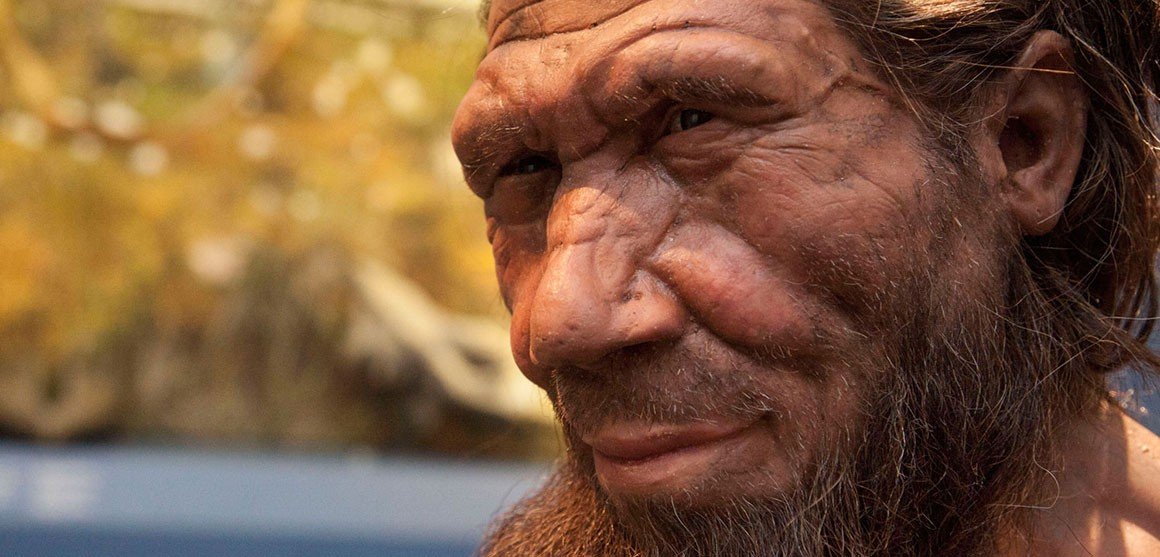
In fact, they have found significant remains of a Neanderthal human. This is one of the latest Neanderthal species found in France and is completely preserved. The fact that the skull and many limb bones were found intact is an extraordinary achievement in itself.
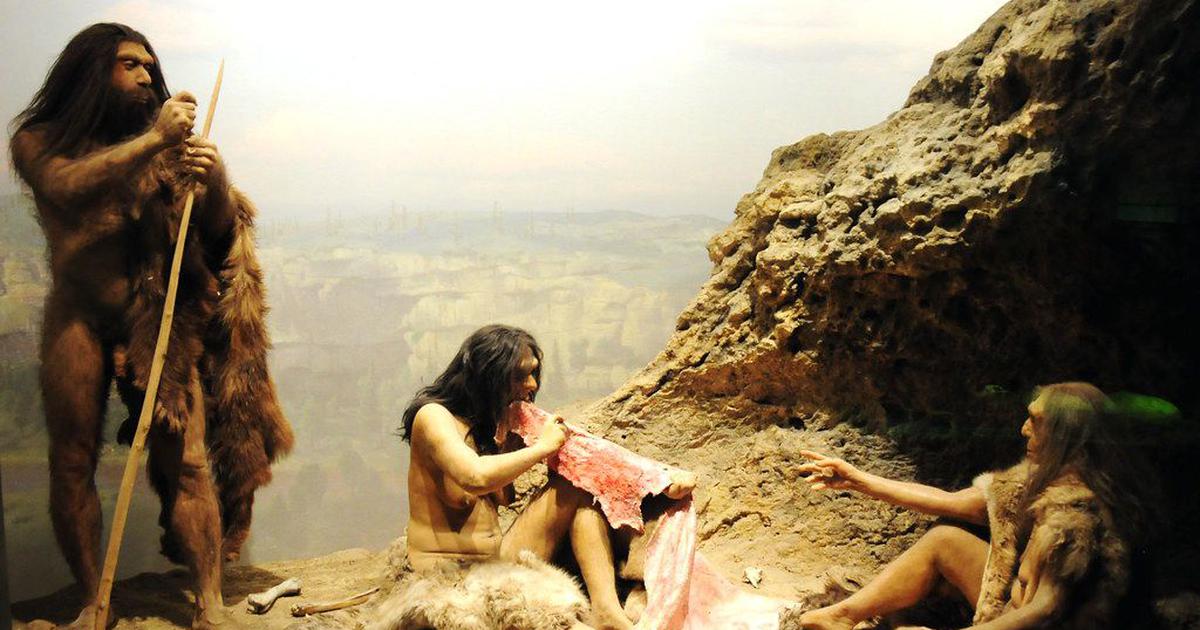
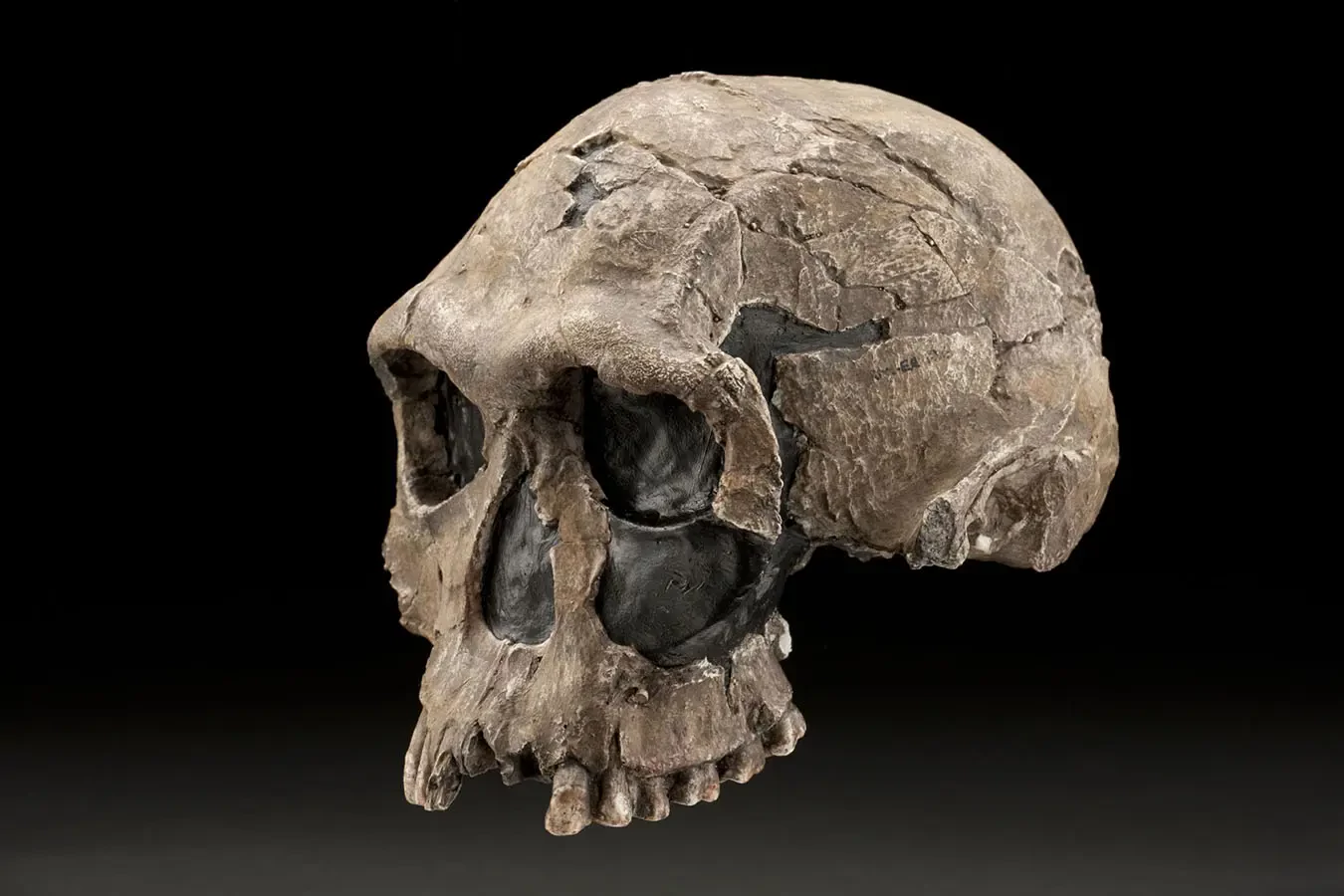
Because the bones were preserved, it was possible to reassemble the skull fragments. Based on the skull structure, forensic anthropologists have also reconstructed the face of that Neanderthal woman. It looks very similar to modern humans.
Philipp Gunz of the Max Planck Institute for Evolutionary Anthropology in Leipzig, Germany, is researching how this similarity between Neanderthals and modern humans came about.
The undisputed common ancestor of modern humans and Neanderthals is Homo erectus. They were excellent hunters living in Africa and Asia. The oldest fossils of Homo erectus are about 2 million years old. This lineage, which originated in Africa, later spread to Europe and established itself there.
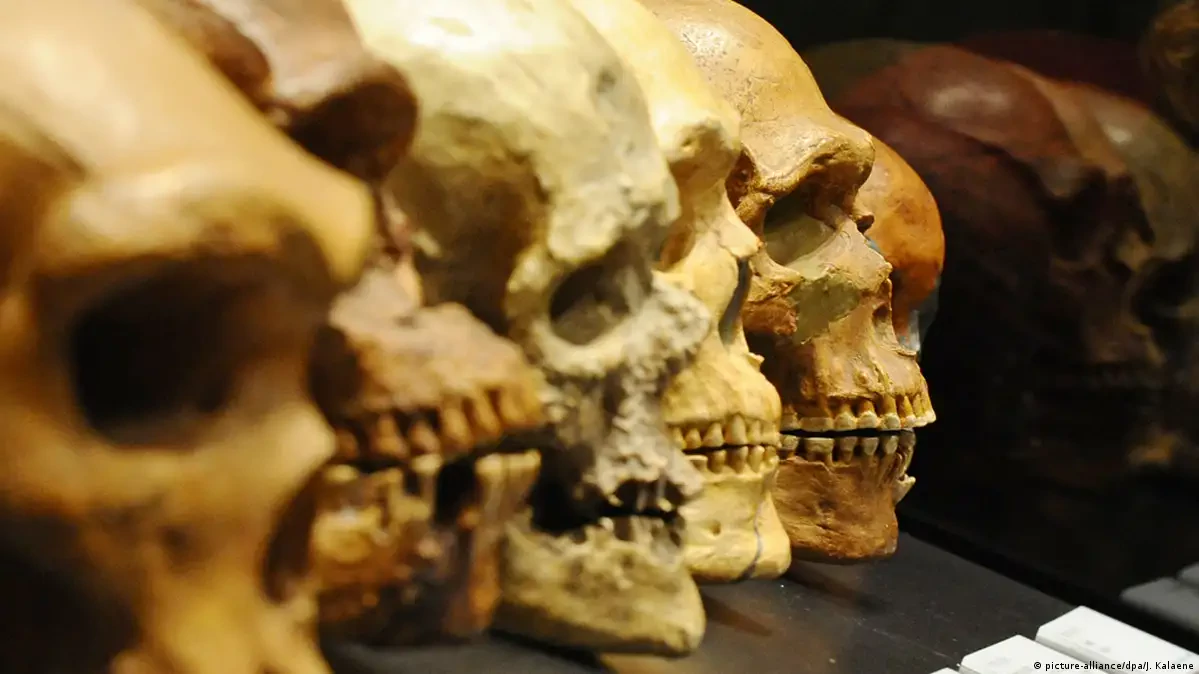
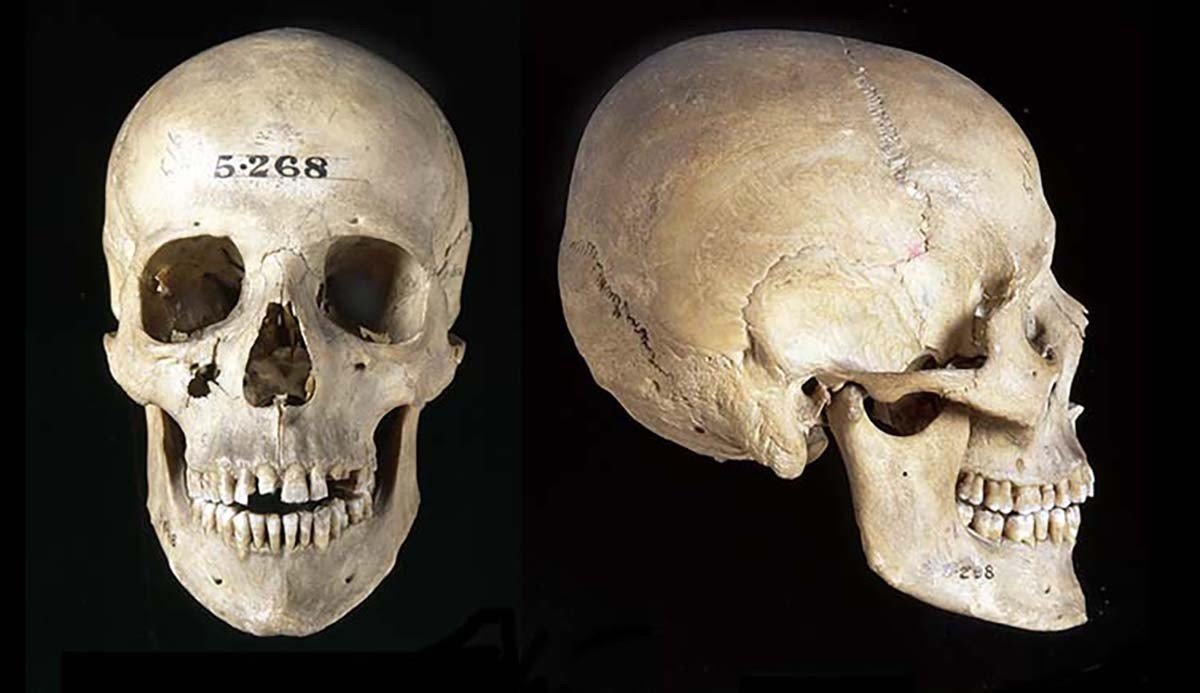
Those early humans changed over thousands of generations, and as their skulls became larger and longer, they became Neanderthals. On the other hand, the evolution of Homo erectus in Africa took a different direction. Their skulls became rounder, and their foreheads and faces became flatter, resulting in the birth of Homo sapiens.
This means Neanderthals are not our direct ancestors, and humanity originated in Africa. Forty years ago, this was unimaginable. But at that time, a young scientist from England changed the prevailing traditional view. Today, he is the head of the human origins research team at the Natural History Museum in London.
Chris Stringer is a renowned expert in human evolution. He says, 'During my PhD, I started thinking that Neanderthals were not our true ancestors. When modern data from around the world was integrated to create an evolutionary tree, the mitochondrial DNA inherited from women showed that everyone's roots were connected to Africa. Therefore, in 1988, Peter Andrews and I published an influential research paper. In it, we advocated for the African origin of Homo sapiens based on genetic and fossil evidence. At that time, this was a very controversial idea.'
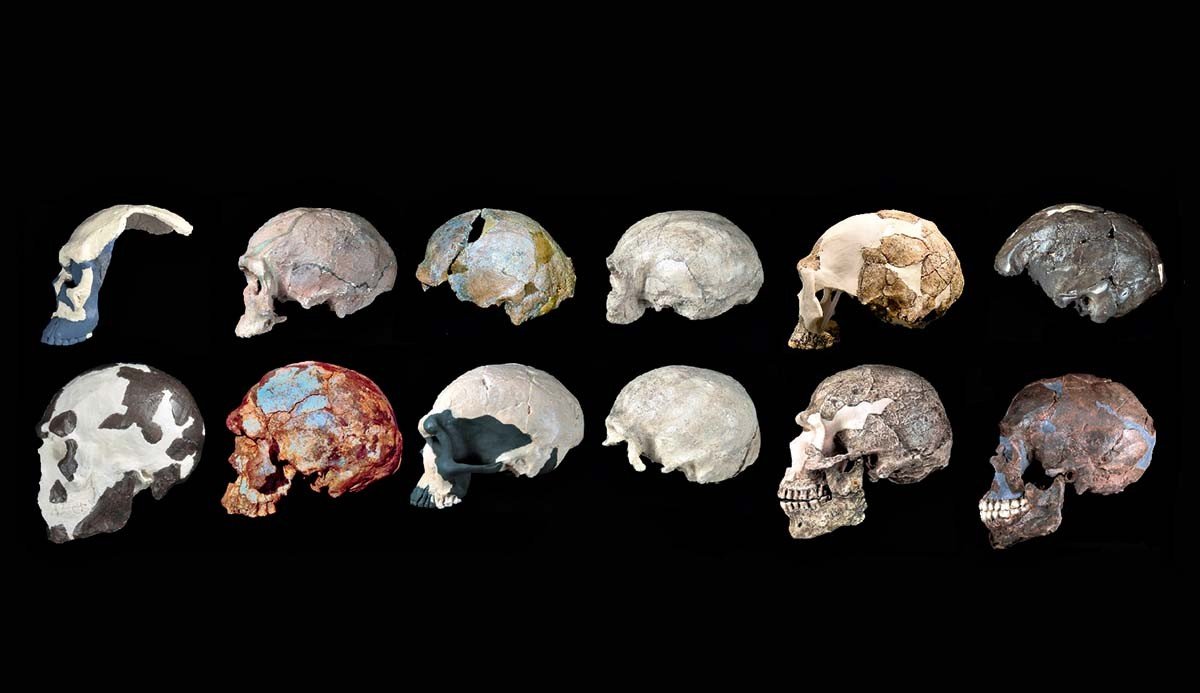
Chris Stringer changed an old belief of the world. Previously, many anthropologists thought humanity began in Europe or Asia. But the existence of many types of humans at the same time has made the search for human origins even more mysterious. About 150,000 years ago, when Homo sapiens left Africa in search of the world, they encountered their close relatives along the way.
Neanderthals lived in Europe, Denisovans in Northern Asia, Homo erectus in Southeast Asia, and strange humans lived on the islands of Flores and Luzon in Indonesia and the Philippines. Even when fully developed, the people of Flores were only 1 meter tall. All these species have long since gone extinct, and today Homo sapiens is the only living species of the human race.
- But how was this possible?
Researchers are looking for answers with the help of remains and bones. Was there a major difference in the lifestyles of Homo sapiens and Neanderthals? What did Neanderthals eat on today's French soil?
Remains like horse teeth found during research help establish the relationship between stone tools and animals. This shows that these groups hunted, brought killed animals to their sites, and extracted meat to eat.
But how are researchers sure they hunted? Could that horse not have died there by coincidence?
Small, man-made marks found on the bones confirm this. The marks made by stone tools to extract meat clearly show that those animals were used for food.
Experimental archaeologists like Rudy Walter prove that such marks were made by stone tools. The methods he uses on bones today likely match the marks from 40,000 years ago exactly. They did not just extract meat; they used every part of the animal, from the hooves to other organs.
The cut marks found on the bones also indicate that jewelry was made there. They used animal skin and fur for clothing, tents, and cooking vessels. Food can also be cooked in skin. They dried animal tendons to make strong thread, which was very difficult to break. In such research, new discoveries, hypotheses, and experimental tests are intertwined.
Martina Lake of the University of Tübingen, speaking about a surprising discovery in a hollow rock, said, 'We have found 60,000-year-old remains, which are 20,000 years older than our estimate. This makes it clear that this is completely linked to Neanderthals. The previous belief that Neanderthals could not make such complex objects without being influenced by Homo sapiens is now just history, not modern knowledge. This discovery shows that Neanderthals were more intelligent and complex than we thought.'
If these tools did not come from Homo sapiens, what weapons did our ancestors use? Signs of this are found in the Sibudu Cave in South Africa. A team from the University of Tübingen is excavating in a remote area. Archaeologists have found a great treasure in this place, which has been used as a shelter by humans for the past 45,000 years. Their buckets for collecting archaeological material are filled with thousands of stone tools.
Many of these tools are made from sharp stones, and some show signs of being attached to arrows or spears using ochre. Rudy Walter tried to re-test based on the elements found on those sharp stones. The tools found in Sibudu, South Africa, contained a mixture of beeswax, tree resin, and red chalk.
The adhesive substance made by heating this was suitable for attaching sharp stones to wooden sticks. In the Stone Age, the spear was the main hunting weapon, and about 18,000 years ago, the 'spear-thrower' was developed, which made it possible to throw spears twice as far and at higher speeds. Did Homo sapiens defeat Neanderthals because of superior weapons?
Remains found in the Goyet Cave in Belgium show that there were deadly conflicts and even cannibalism between human groups in the Stone Age. The cut marks found on Neanderthal bones and bones broken to extract 'bone marrow' confirm that they were treated like animals.
To know where these people were from, researchers used 'isotope analysis'. Isotopes tell where any object or creature came from. In every geographical region, the isotope ratio of elements like carbon, strontium, or sulfur is different.
These elements accumulate in bones and teeth through the water humans drink and the food they eat. This makes it possible to find a 'fingerprint' of where a person's childhood was spent and where they grew up. Analysis revealed that some Neanderthals who were cannibalized in the Goyet Cave had come from other regions.
Now, more precise information is being obtained through genetic methods. We have high-quality 'genomes' of Neanderthals, which confirm that our common ancestor was the same about 600,000 years ago. Although the two species went on different paths, evidence has been found that they met and even reproduced from time to time.
This is why Neanderthal DNA exists in every non-African human today.
Extracting DNA from old bones is very difficult. But it is possible to extract DNA from 200,000-year-old bones preserved in a natural freezer like a cave. Bone dust is mixed into a chemical solution, the amount of DNA is increased with the help of a PCR machine, and a computer prepares the DNA sequence.
Extracting DNA from 50,000-year-old bones was a revolutionary achievement. Max Planck Institute scientist Svante Pääbo was awarded the Nobel Prize for this work. Their research proved that modern humans and Neanderthals could interbreed.
This means it was not always just violence and conflict between them.
Traces of sexual relations between them are found in the DNA of Europeans, but not in Africans. The main reason for this is that the meeting of the two species happened outside Africa. Today's Israel, parts of Asia, and Central Europe were potential 'hybrid zones'.
Nearly 50,000 years ago, when Homo sapiens reached Europe from Africa, they frequently mated with Neanderthals. But as the number of Homo sapiens increased, Neanderthals disappeared. Were we, Homo sapiens, responsible for this?
Although many believed there was a war between them, the population density in Ice Age Europe was so low that it is hard to believe they wiped each other out through war or conflict.
In fact, Neanderthals were absorbed into the vast population of Homo sapiens. Their small population gradually merged into the larger human group. Therefore, from an evolutionary perspective, even if we did not evolve from them, it can be said that they are our partial ancestors.
Neanderthals did not go completely extinct; rather, they disappeared while leaving their mark in our 'gene pool'. This story of human origin is still just as exciting and mysterious. More layers of it will likely be revealed in the coming days.
This specific news has been automatically translated by AI. As a result, there may be some inaccuracies or language errors.