Nabil Bank's Burn Treatment Initiative Offers New Hope to Thousands in Nepal

Kathmandu. For 42-year-old Bharat Lohar from Bhimdatt Municipality-4, Kanchanpur, the last three months were the most painful of his life. Suffering from epilepsy, he was warming himself by a fire in his home to escape the cold of Poush when he had a seizure and fell into the flames. By the time he regained consciousness, most of his hands and legs were severely burned.
Living in extreme poverty, his family could not afford modern hospital treatment. With no money, they relied on herbal pastes, hoping for a recovery that never came. Instead, the wounds worsened, eventually becoming infested with maggots.
Bharat had no choice but to wait for death in agony. The physical pain and mental trauma were unbearable. 'I picked the maggots out of my own wounds with my hands. I had lost all hope of recovery or even survival,' he recalls. 'I thought if God wouldn't let me die, I would have to beg to survive.'
Now, however, he has regained hope. Thanks to a 'Free Burn Treatment Camp' organized by Nabil Bank in collaboration with Sushma Koirala Memorial Hospital and Seti Provincial Hospital in Dhangadhi, Kailali, from Falgun 12 to 14, he received proper care. After initial treatment at the camp, he was referred to the Sushma Koirala Memorial Hospital in Kathmandu, where he is undergoing free treatment. After three surgeries, his condition is improving.
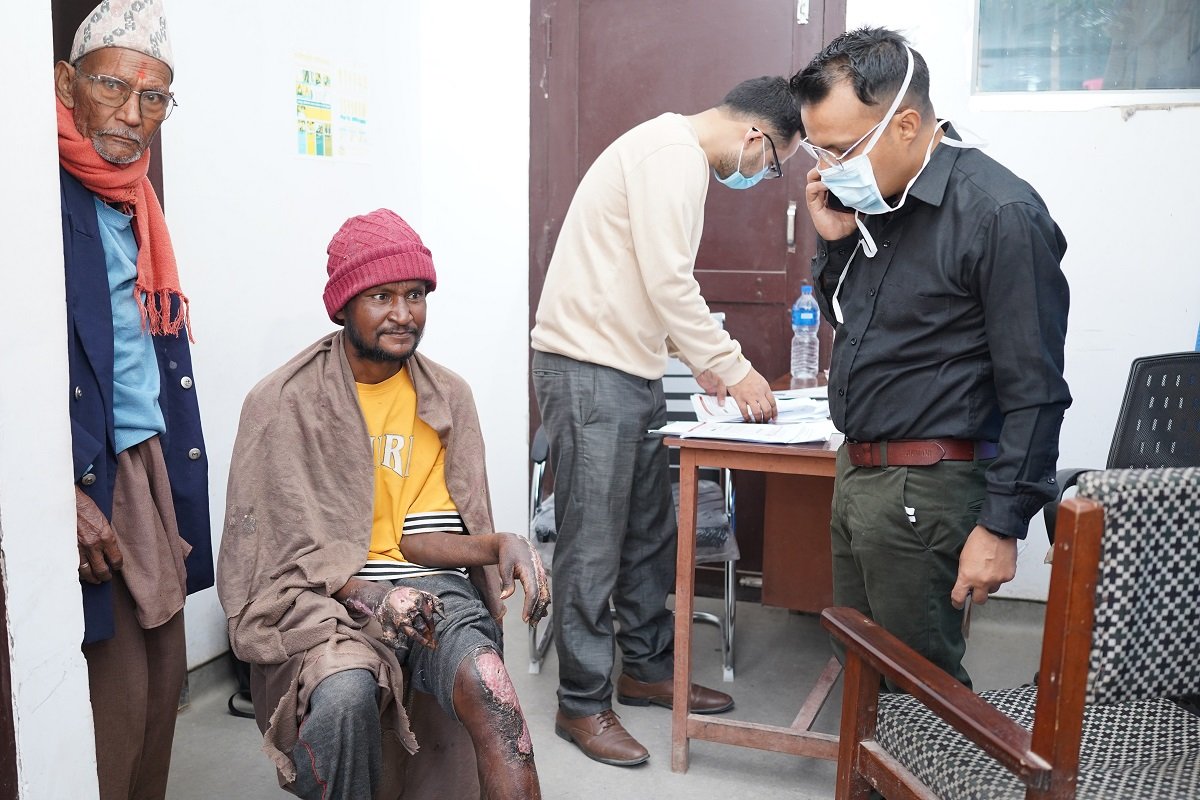
Bharat says, 'I used to work in painting. I may not be able to do that same work again, but I feel motivated to do something.'
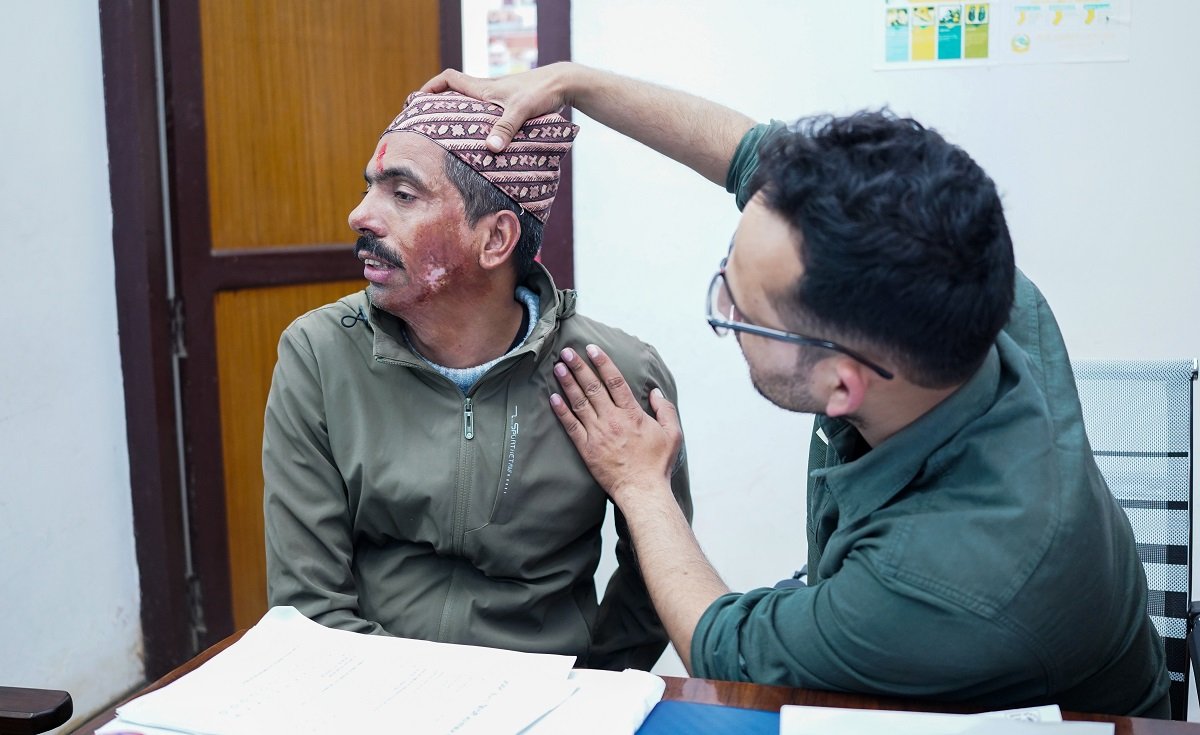
The camp provided initial treatment to 65 burn victims, including 35 men and 30 women. Twenty patients underwent surgery by senior doctors at Seti Provincial Hospital, while 18 were brought to Kathmandu for further treatment.
The Paradox of Burns and Treatment
A bitter reality of burns is that they often affect the poor, yet treatment is prohibitively expensive. This paradox leaves many without access to necessary care.
Plastic surgeon Dr. Shankarman Rai notes that in Nepal, burns are most commonly caused by open flames, hot water, oil, hot iron, and steam. Recently, electrical burns due to exposed wires, poorly managed transformers, and weak cable networking have also been on the rise.
Government statistics reveal a grim situation: approximately 56,000 people in Nepal suffer from burns annually, but only about 1,400 reach hospitals—a mere 2.5 percent. This means 97.5 percent of victims lack access to treatment due to financial constraints, lack of hospital access, and low awareness.
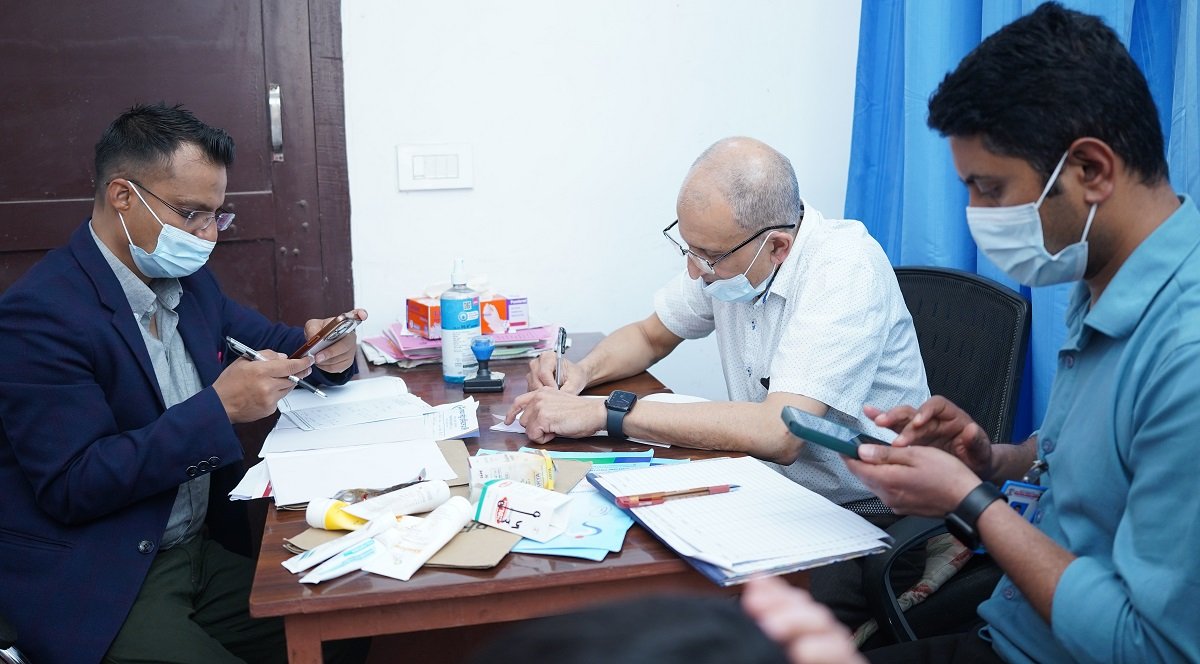
Recognizing this, Nabil Bank launched its Burn Project. After supporting the treatment of an acid attack survivor named Basanti in 2021, the bank intensified its efforts in the field of burn care.
Spreading Hope from Sudurpashchim
The three-day free camp in Dhangadhi brought hope to many, including Durga Pandey, whose five-year-old daughter suffered severe neck injuries from hot oil two years ago. Unable to afford treatment, Durga was finally able to get her daughter operated on for free by specialist doctors.
Expanding to Karnali, Lumbini, and Madhesh
Following the success in Sudurpashchim, Nabil Bank is expanding its campaign. CEO Manoj Gyawali confirmed that preparations are complete for free surgical camps in Karnali, Lumbini, and Madhesh provinces.
'The impact we saw in Sudurpashchim has given us more energy,' says CEO Gyawali. 'We want to ensure no citizen has to live a painful life due to lack of burn treatment.'
According to the schedule, a surgical camp will be held in Surkhet, Karnali Province, from Chaitra 27 to 29. Camps are also planned for Lumbini Province from Baisakh 25 to 28, and in Janakpur and Birgunj in Madhesh Province within the month of Baisakh.
Reaching the Grassroots
To ensure the message reaches remote villages, Nabil Bank utilized local radio, news media, and public announcements via rickshaws to inform victims about the camps.
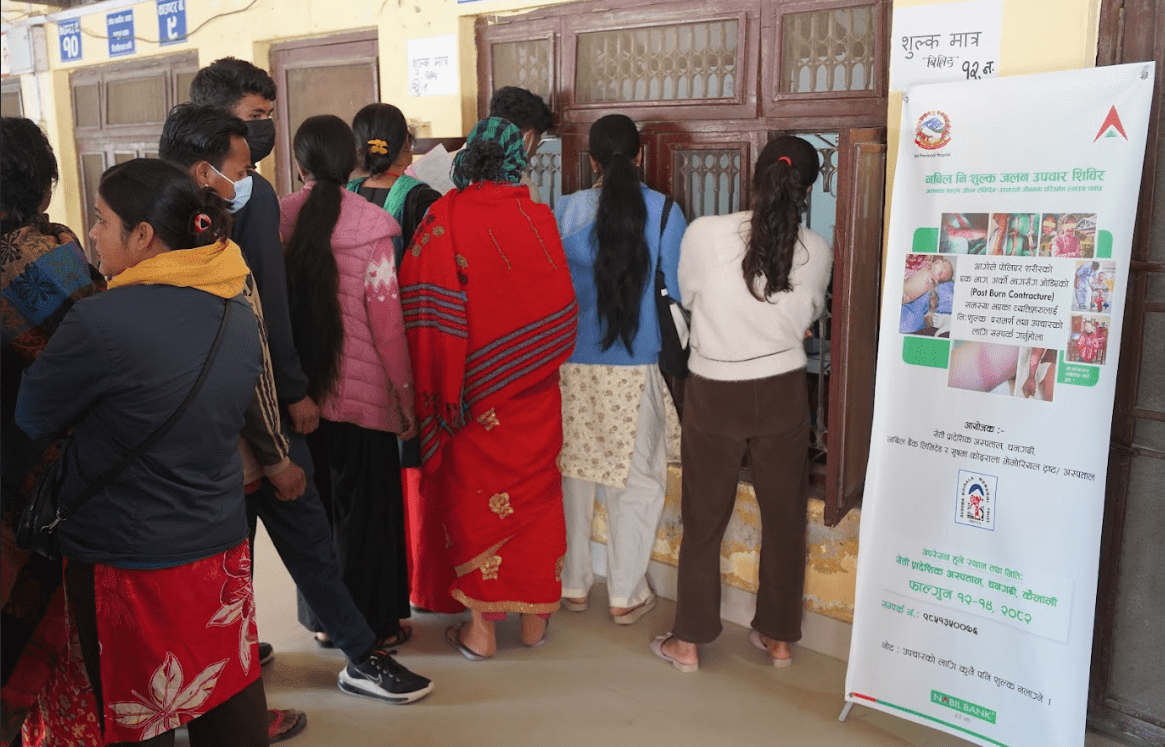
This initiative serves as an example of how a corporate entity can address the needs of grassroots citizens through its Corporate Social Responsibility.
This specific news has been automatically translated by AI. As a result, there may be some inaccuracies or language errors.