The Bab el-Mandeb Strait: A New Flashpoint Threatening Global Economy

If you had never heard of the 'Strait of Hormuz' before, you have likely heard of it now. The restrictions imposed by Iran on the Strait of Hormuz, through which more than 20 percent of the world's total oil and gas passes, have placed immense pressure on the global economy.
While grappling with the distress caused by the restrictions in Hormuz, some analysts have begun warning of the emergence of another new 'flashpoint.' That is the Bab el-Mandeb Strait.
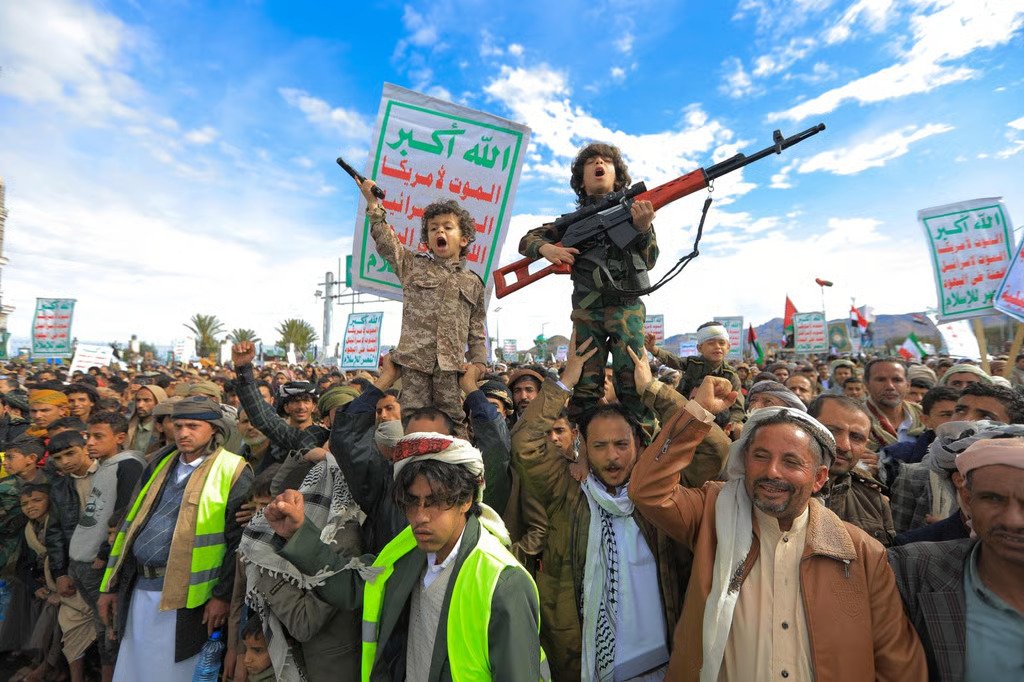
On March 28, the Houthis signaled their entry into the ongoing war in West Asia. These rebels are aligned with Iran and control northern Yemen. Since the start of the Iran war, they launched missiles at Israel for the first time on March 28.
Yemen is located on the edge of the Bab el-Mandeb. The Houthis have already caused significant disruption by attacking ships traveling in the Red Sea in 2023 and 2024. According to a report published by Bloomberg, Iran has now urged the Houthis to carry out similar operations.
In the coming days, everyone's attention will be focused on the Bab el-Mandeb and the Red Sea. This article attempts to discuss how a second major disruption, following the shock of the Strait of Hormuz, could impact the global economy.
- What is the Bab el-Mandeb Strait?
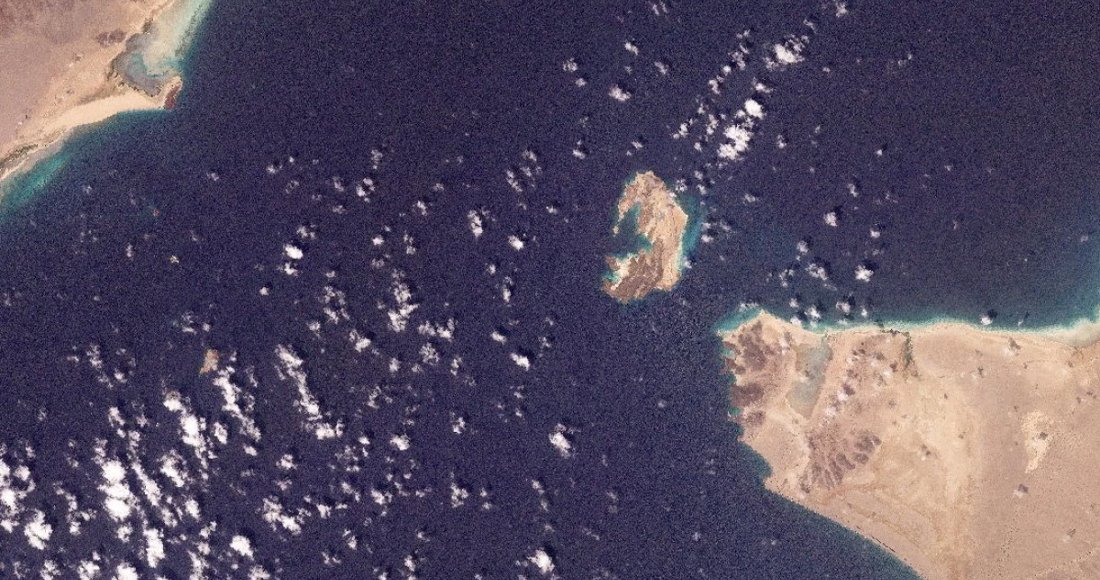
The Bab el-Mandeb is a narrow strait located between the Arabian Peninsula and Africa. Yemen lies on its Arabian side, while Eritrea and Djibouti are on the African side. The narrowest part of the strait is only 30 kilometers wide. The Arabic name 'Bab el-Mandeb' literally means 'Gate of Tears.' It earned this name due to the suffering endured by those crossing it in ancient times.
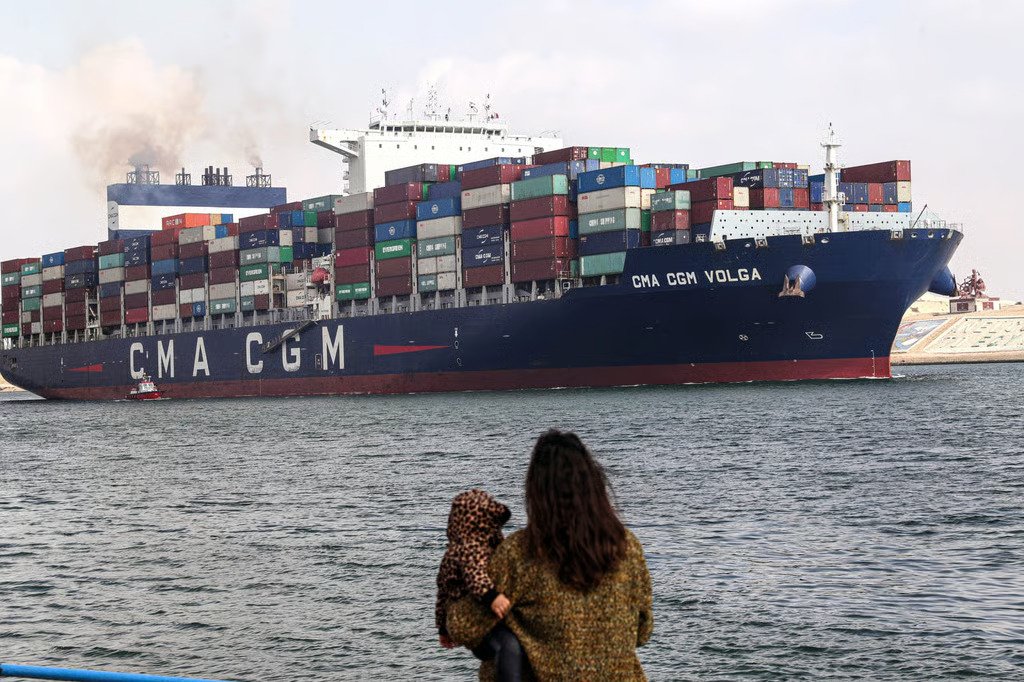
Even today, the importance of this strait has not diminished. Ships can reach the Mediterranean Sea directly through the Suez Canal in Egypt via this strait. The Red Sea and the Gulf of Aden lie between these two straits and the canal that connect the Mediterranean and the Indian Ocean.
Before the opening of the Suez Canal in the 19th century, ships could only complete the Asia-Europe journey by sailing around the southern tip of South Africa. After the Suez Canal opened, the Mediterranean and Red Seas were connected by a waterway, which significantly reduced travel time. For example, a tanker carrying oil from Saudi Arabia to the Netherlands would have to cover a distance of 20,000 kilometers if it went around South Africa. However, by taking the Red Sea route, it reaches the Netherlands in a journey of 12,500 kilometers.
Certainly, this is a much shorter route. According to the U.S. Energy Information Administration, it takes 34 days to reach the Netherlands from the Arabian Sea via South Africa, but the same journey takes only 19 days via the Red Sea.
- What goods pass through the Bab el-Mandeb?
In normal times, 14 percent of global maritime trade passes through here. A complete breakdown of the goods passing through is not available, but it is certain that fossil fuels account for the largest share.
According to estimates by the International Energy Agency (IEA), 42 million barrels of crude oil and petroleum products passed through here in 2025. This amount is 5 percent of total global production. Since all ships pass through the Suez Canal route, official data provided by the Suez Canal Authority gives us detailed information about ship traffic through the Red Sea.
In the last quarter of 2025, 40 percent of the 3,425 ships that passed through the Suez Canal were carrying fossil fuels. This included 1,330 oil tankers and 88 LNG gas tankers. Another 40 percent, or 1,339, were cargo ships, which included agricultural products such as corn, wheat, and soybeans, as well as coal and iron ore. 13 percent, or 459, were container ships.
Following the Houthi attacks in 2023 and 2024, there was some decline in shipping through the Red Sea route. Currently, there are not many reports of attacks from that region.
- Can the Bab el-Mandeb be closed?
It is not possible to close the Bab el-Mandeb completely. Even its narrowest part is wide enough for maritime traffic. It is somewhat different from the Strait of Hormuz. Unlike Hormuz, there is no compulsion to pass through only one area here. Many ships stopped at the Bab el-Mandeb can reach the Mediterranean via the Suez Canal.
Ships going to and coming from Asia, however, would have to go around Africa, which would make the journey several weeks longer.
Saudi Arabia has prepared a 'Plan B' keeping the Hormuz problem in mind, which is called the 'East-West Pipeline.' The pipeline connects Abqaiq in the north to Yanbu on the Red Sea coast. Oil has already started being sent through that pipeline immediately after the Iran war. The pipeline is operating at nearly full capacity.
Oil going to Asia from this new exit route would still have to pass through the Bab el-Mandeb to avoid the long route. In that case, the route for oil and gas coming to Asia could be blocked at the Bab el-Mandeb.
- Previous experience
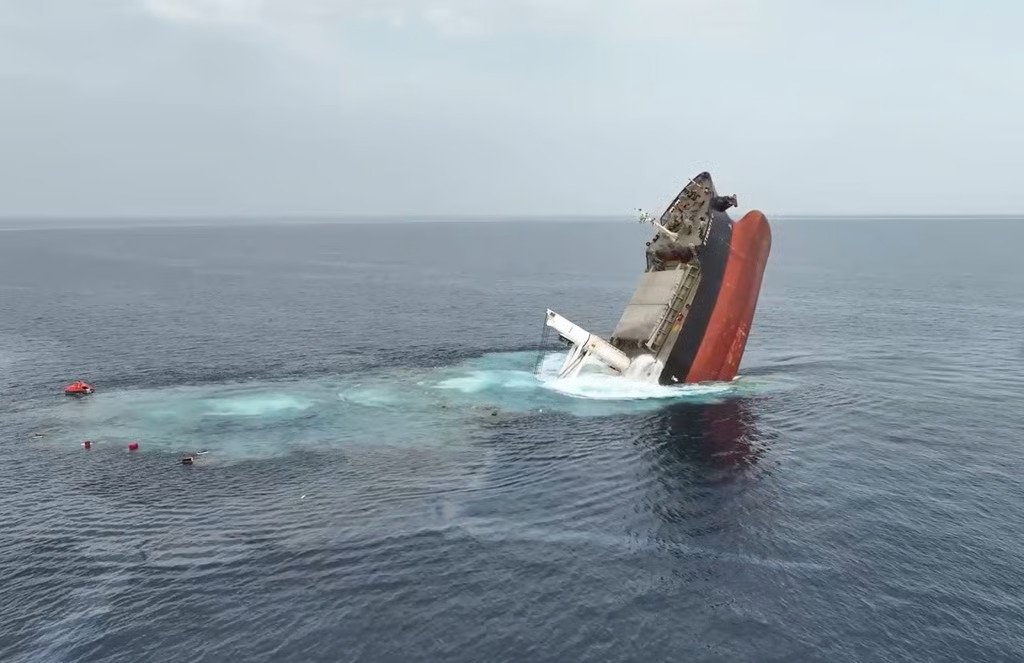
To understand what kind of disruption might occur in the Red Sea due to potential Houthi attacks, we need to look at some recent crises. According to the International Maritime Organization, 67 attack incidents were recorded between November 2023 and September 2024. In the attacks, some ships suffered minor damage to their equipment. But others had to face serious fires and major damage immediately after being hit by missiles or drones.
Since 2024, attacks have been relatively fewer. The Bab el-Mandeb was never completely closed. Some ships continued to pass through even during the crisis period.
Old-style strategies could still be applied. For shipping companies, the mere threat of attack could be enough to stop or reduce ship operations. The crew members of the ships could face very high risks. Their lives could be in danger.
In addition to this, the cost of insurance also makes movement through this region difficult during attacks. In 2024, the cost of insurance was 0.6 percent of the value of the ship's cargo. As tensions in the Red Sea increased, that cost rose to 2 percent.
If the Strait of Hormuz and the Bab el-Mandeb were closed simultaneously, it would have a serious impact on both the global supply chain and the global economy.
This specific news has been automatically translated by AI. As a result, there may be some inaccuracies or language errors.