Rising Global Tensions Trigger Inflationary Fears in Nepal

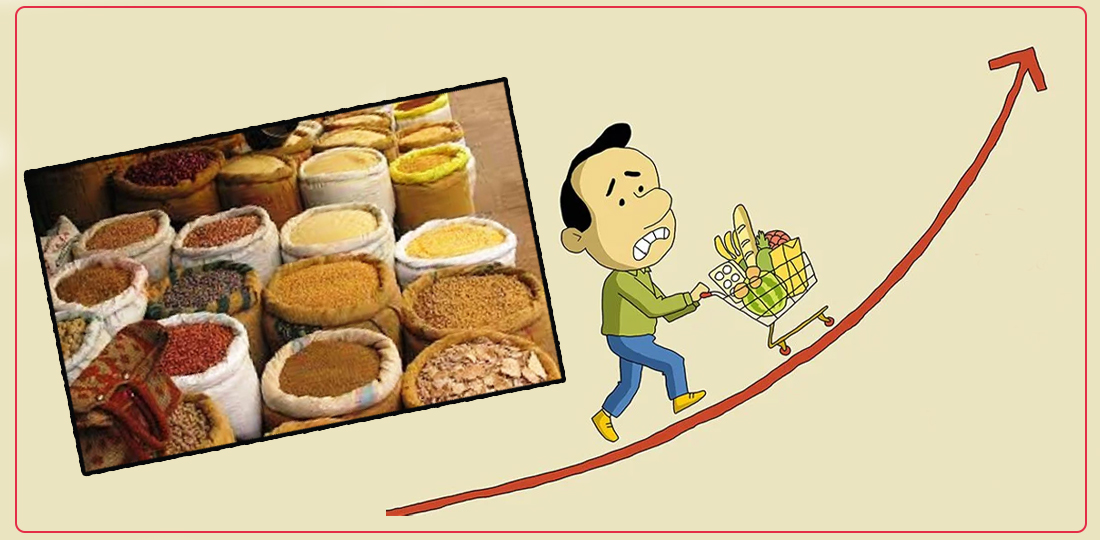
Kathmandu. The ripples of escalating conflict in West Asia have reached Nepali kitchens. As tensions mount between the United States, Israel, and Iran, global crude oil prices have skyrocketed.
Petroleum products have seen a sharp price hike, and other commodities are experiencing a gradual increase in costs. The Nepal Oil Corporation has raised fuel prices three times in less than a month and has warned of further increases.
The public is gripped by fear due to rising inflation. Prices of everything from transportation to food and clothing are soaring.
In the month of Chaitra, the Oil Corporation has increased petroleum prices three times. On Chaitra 1, petrol was increased by 15 rupees and diesel by 10 rupees. Immediately after, on Chaitra 12, petrol and diesel prices were increased by 15 rupees each.
Following a series of hikes, the price of petrol reached at least 202 rupees per liter after another 15-rupee increase on Chaitra 19. The continuous rise in fuel prices is adding a heavy burden of inflation on consumers.
The corporation is often compelled to raise prices in the Nepali market when international prices rise. According to the corporation, despite the latest price hikes, it still claims a loss of over 4 billion rupees. The corporation has also signaled that fuel prices may rise further if the war does not stop.
According to an International Monetary Fund study, for every 10 dollar increase in oil prices per barrel, the global economy shrinks by 0.15 percent and inflation rises by 0.4 percentage points. Similarly, if oil prices go above 100 dollars per barrel, global inflation rises by 1.2 percentage points and the economy shrinks by 0.4 percent.
The rise in petroleum prices directly impacts transportation, meaning fares increase. As transportation costs rise, the prices of food, clothing, and other essential goods automatically increase. The price of green vegetables and fruits in the market has already increased by 10 to 15 percent.
According to an International Monetary Fund study, for every 10 dollar increase in oil prices per barrel, the global economy shrinks by 0.15 percent and inflation rises by 0.4 percentage points. Similarly, if oil prices go above 100 dollars per barrel, global inflation rises by 1.2 percentage points and the economy shrinks by 0.4 percent. Therefore, economic experts say that the rise in petroleum prices will shrink Nepal's economy and increase inflation.
What is the government's preparation?
The government has initiated policy processes to deal with this inflation caused by the international situation. To solve the problems seen in the supply of petroleum products, the Council of Ministers decided on Sunday to reduce fuel consumption by granting two days of leave per week.
Finance Minister Dr. Swarnim Wagle stated that the government has already made some immediate remedial decisions. He mentioned that the main goal is to reduce fuel consumption and plan for government austerity.

Wagle said, 'If the situation becomes more difficult, the government will try to keep prices at a certain point by adjusting infrastructure taxes, making necessary changes to value-added tax rates, and using other financial tools.'
He stated that traditional and piecemeal reforms are not enough for the current problem, and bold, structural transformation is necessary. According to the Finance Minister, protecting low and middle-income families from the burden of inflation is the state's primary responsibility.
He said, 'This inflation was not brought by the government; it is the result of war and global circumstances. However, we are conscious of balancing the strategy of reducing consumption and the state bearing the burden to protect the people from its impact.'
He informed that the government is preparing to make radical changes in collaboration with the private sector and the use of technology to make the fuel-saving policy more effective and determine the future economic direction.
He said that since inflation has increased significantly, the government will adjust infrastructure taxes and make necessary changes to value-added tax rates to address it. He also mentioned that there will be an effort to keep prices at a certain point by using other financial tools.
What do economists say?
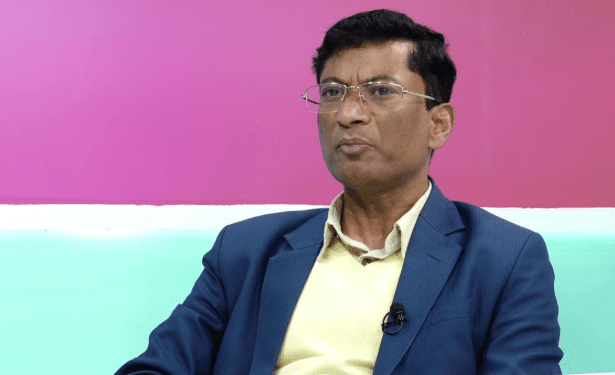
Economist Dr. Ramesh Poudel says, 'The war between Iran and Israel has disrupted the global supply chain. A 45-rupee increase per liter in petroleum products is not normal. This will have a devastating impact on transportation, hotels, restaurants, and manufacturing industries.'
According to Dr. Poudel, if this war does not stop immediately, Nepal's inflation will increase excessively. He suggested that Nepal should take diplomatic initiatives for a long-term solution.
He suggests that the government should explore alternative routes and sources for petroleum supply by utilizing relations with India and China. He stated that promoting electric vehicles (EVs) and increasing the use of electric stoves internally is the best option right now.
He understands that the government's policy of giving two days of leave per week is positive for the time being.
He says there is a psychological effect where the fees for internal production and other services are also increasing under the pretext of rising petroleum prices. Price increases are also occurring in some sectors due to the shortage of raw materials.
Dr. Poudel suggested that if countries like India and China can strengthen diplomatic relations with Iran and bring petroleum products destined for the US or the European Union to Nepal and India, price stability could be achieved.
What do consumer rights activists say?
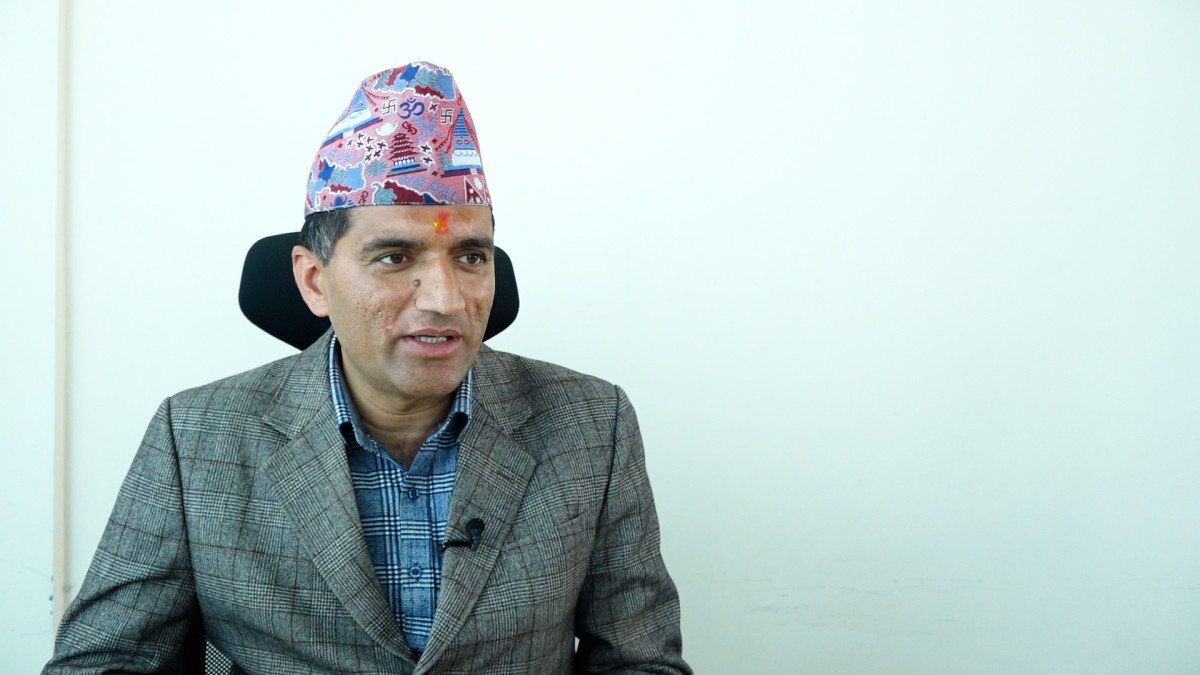
Madhav Timilsena, President of the Consumer Rights Investigation Forum, said that the government needs to take immediate concrete steps to reduce the pressure of rising inflation in the country. He suggested that the government should reduce taxes and strengthen internal management, especially to control the price of petroleum products.
President Timilsena said that inflation has increased not only due to external reasons but also due to weaknesses in internal management. He emphasized that the government should keep all options open for control and regulation.
He said, 'Customs and other tax rates on petroleum products should be reduced immediately. Along with this, it is necessary to make regulation and monitoring effective to facilitate the supply of other consumer goods.'
He believes that the government also needs to adopt measures for expenditure austerity. He emphasized that an odd-even system should be implemented immediately to reduce fuel consumption. For a long-term solution, he believes the government should introduce plans such as providing subsidies for electric vehicles and induction stoves, and offering discounts on household electricity.
He says such steps will encourage the general public to use electric energy and reduce dependence on fuel.
Timilsena said that the government has already delayed taking such steps and should immediately take effective policy decisions and implement them. He emphasized permanent and structural reforms, stating that momentary closures or other temporary measures will not solve the problem.
This specific news has been automatically translated by AI. As a result, there may be some inaccuracies or language errors.


-(2)_QJLjKxR87n.jpg)