Nepal Faces Market Volatility and Inflation Amid Rising Petroleum Prices

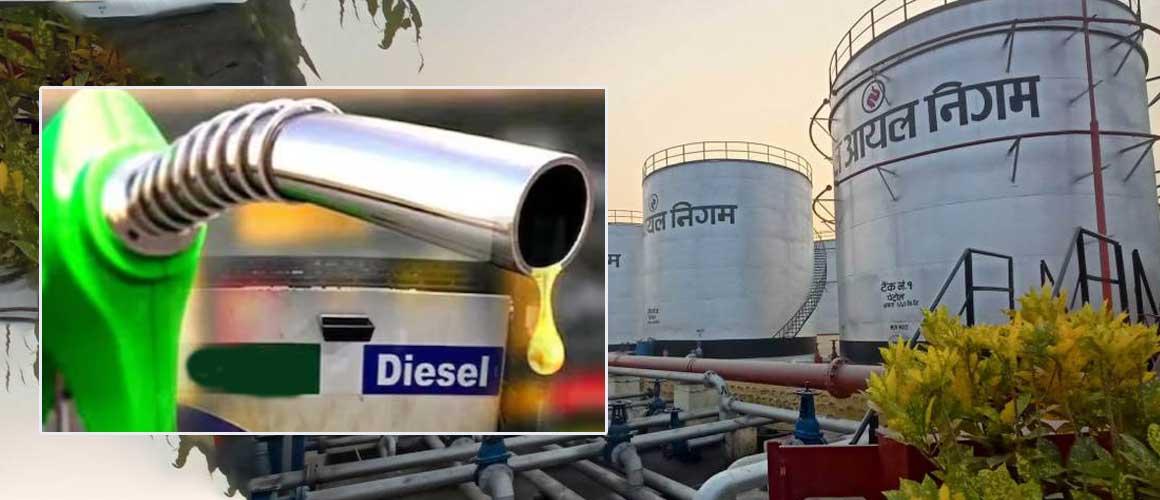
Kathmandu. The supply of petroleum products in the international market has been disrupted due to the conflict in West Asia, leading to a significant price hike. This has had a major impact on Nepal as well.
Following consecutive increases in fuel prices in Nepal, the cost of daily essential goods has become uncontrolled. With prices rising twice in a short period since the new government took office, preparations are underway to adjust transport fares and shipping costs. However, using the excuse of increased shipping costs, businesses have begun to unreasonably raise prices, burdening consumers.
There is rampant black market activity with unreasonable price hikes in cooking oil, green vegetables, fruits, eggs, cement, iron rods, and plastic products. Adjusting transport fares is expected to lead to further price increases. Consumer rights activists complain that regulatory government bodies remain silent while the market spirals out of control.
Arbitrariness in the market under the pretext of fuel price hikes
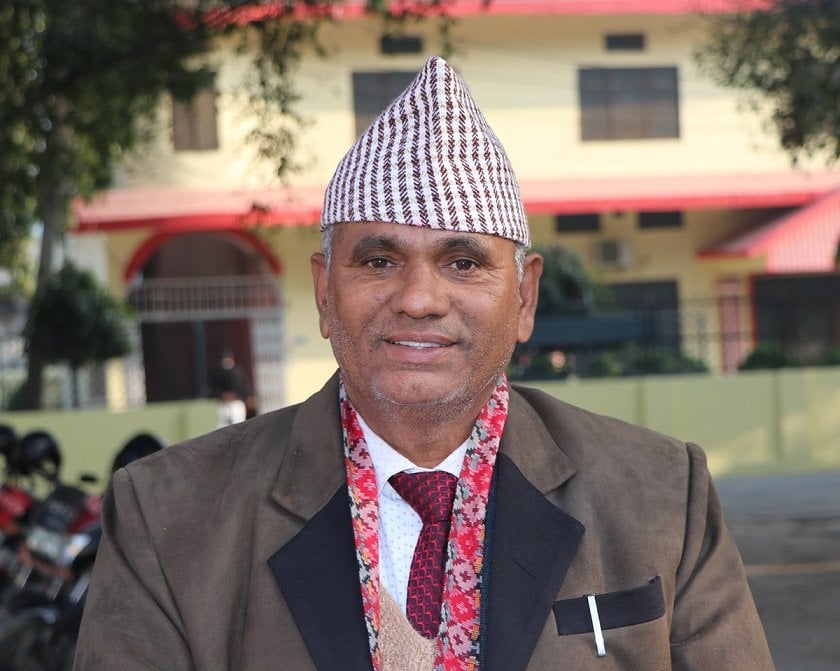
Consumer rights activist Krishna Prasad Bhandari 'Marseli' stated that with the rise in petroleum prices, businesses have started black marketing by unreasonably increasing the prices of consumer goods.
According to Bhandari, even before the adjustment of transport fares, businesses have started increasing prices for food, clothing, and construction materials. He noted that Nepali businesses are exploiting consumers by using the excuse of rising crude oil prices in the international market.
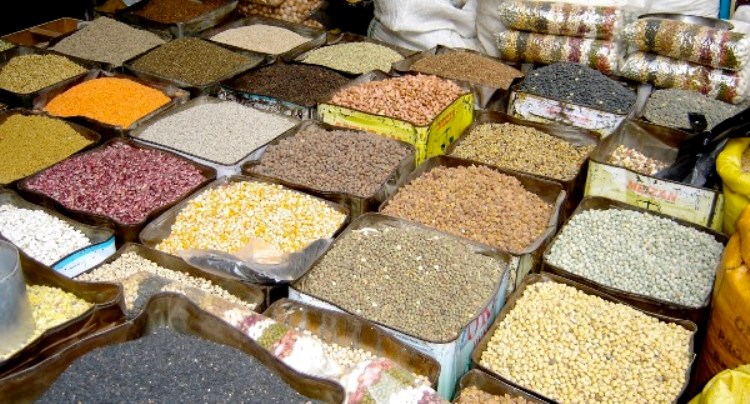
Bhandari informed that businesses are selling goods already purchased at lower prices and stored in warehouses at higher rates under the pretext of fuel price hikes. He specifically mentioned that unreasonable profits are being made on items like cooking oil, cement, and rods. He pointed out that while prices should be determined by looking at the difference between purchase and sales bills, black marketing is occurring by selling old stock at new prices.
He commented that although the government claims to have deployed over 900 inspection officers for market monitoring, the impact in the market appears minimal. He claimed that the current monitoring by the Department of Commerce is merely a 'ritual'. He accused businesses of gaining confidence because the department has yet to categorize the market or set price standards for goods.
Bhandari stated that it is unfortunate that the government has failed to implement the 'Consumer Court' clearly provided for in the Consumer Protection Act 2075. He urged the government to use the powers granted by the Act and Regulations to immediately form a price determination committee and board. He suggests that such committees should calculate the actual cost of goods and set fair prices.
Bhandari clarified that to organize the market, a strong system must be developed rather than just conducting random raids. He stated that consumers will only find relief if purchase and sales details are strictly monitored, profit margins are capped at 20 percent, and those engaging in black marketing are brought to justice with zero tolerance.
'The Corporation worked to burden consumers directly instead of utilizing the fund'
The Nepal Oil Corporation has a 'Price Stabilization Fund' of over 20 billion rupees secured. Consumer rights activists have raised serious questions about the government's intentions, alleging that despite having a large amount in this fund, it was not utilized, and the burden was placed directly on the public, encouraging middlemen and black marketeers.
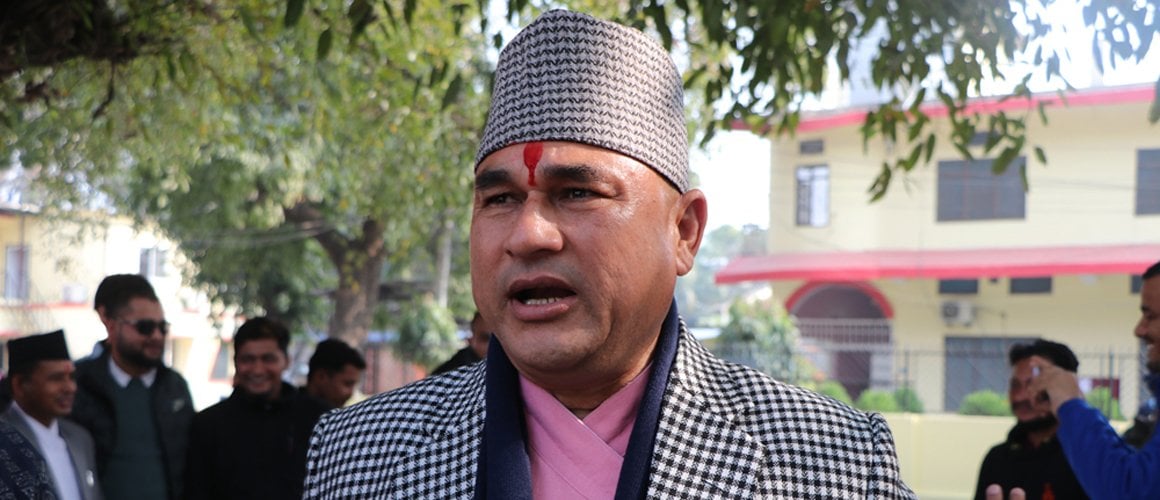
Consumer rights activist Bishnu Prasad Timilsina raised serious questions about the government's intentions and market management. He accused the government of not being responsible to consumers and being under the influence of middlemen.
The Nepal Oil Corporation collects funds for the 'Price Adjustment Fund' on every liter of fuel so that consumers are not hit when prices rise in the international market. His argument is that in such a situation, instead of using the fund to provide relief to consumers, prices were increased. Timilsina says, 'There is currently over 20 billion rupees deposited in that fund. When fuel prices in the international market rise by 5-10 percent, there was an option to cover it from this fund and provide it to consumers at the old price, but the government did not utilize this money and worked to directly burden the consumers.'
Timilsina claimed that there is collusion between large traders and depot heads before the decision to increase prices is made. He gave the example of the Thankot depot being emptied the day before the 15 rupee price hike. 'Getting prior information about the price hike, all oil is sent from the depot to the pumps and sold at the increased price the next day,' he said, 'This is naked corruption and the Commission for the Investigation of Abuse of Authority should investigate it immediately.'
Similarly, Nepal is completely dependent on India for petroleum products. Timilsina described the failure to implement fuel agreements made with China after the 2072 blockade as a diplomatic weakness of the government. 'We have become like we are under India's control; we are forced to pay whatever price they say,' he said, 'India is controlling Nepal in the name of the international market.'
He stated that although there is no shortage of gas in the market, an artificial shortage has been created. He expressed outrage that a company hiding 6,000 cylinders of gas was fined only 300,000 rupees. He said, 'Fining someone who makes 30 million in profit only 300,000 is an encouragement for them to do more black marketing. Such traders should be prosecuted under criminal law.'
The government has decided to give two days of leave a week under the pretext of saving fuel. Timilsina called this a 'publicity stunt' without preparation. 'This decision has caused further problems for people who have come from far away for hospital treatment, court dates, and other government services,' he said. He suggests that such decisions should be implemented only after giving notice at least a month in advance.
He emphasized that to get permanent relief from the problem of petroleum products, Nepal should make maximum use of its own hydropower. He said the government should work by setting an example itself. 'If the Prime Minister walks to the office, only electric vehicles are encouraged, and induction stoves are distributed to students instead of fuel, only then will dollars be saved from going out,' he suggested as solutions.
He stated that the government, which was formed with the slogan of good governance, should not protect middlemen and black marketeers. He has demanded that the government make market monitoring effective and take concrete steps to control price hikes to gain the trust of the people. Activist Timilsina warned that the lives of ordinary consumers have become difficult due to this inflation and mismanagement, and if the government does not bring relief packages immediately, the situation could become even more dire.
Ministry discussing to control inflation, instructions to increase monitoring
The government has started discussions on various options to reduce the impact of inflation seen in the market and transport fare adjustments following the rise in petroleum prices. Spokesperson for the Ministry of Industry, Commerce and Supplies, Netra Prasad Subedi, informed that 10 to 15 options are being discussed to provide relief to consumers.
The government made this preparation after the prices of other goods in the market also started to rise due to the fuel price hike. According to spokesperson Subedi, the Council of Ministers has already made a decision on one of the options under discussion, while decisions on other options will be taken after analyzing the international situation and the state of war.
Subedi said that the Department of Commerce is monitoring based on complaints to ensure that businesses do not engage in activities like hiding goods or charging arbitrary prices under the pretext of price hikes. He said that since the current situation is complex, the government is studying it closely.
Department claims activity to stop artificial inflation
In the context of inflation appearing in the market, spokesperson for the Department of Commerce, Supplies and Consumer Protection, Narahari Tiwari, argued that inflation has not increased much in the market right now. 'Fares for vehicles with Nepali number plates have not increased immediately. However, vehicles importing goods from India have increased fares. The increase in fares for vehicles carrying cement raw materials, iron rods, food grains, and petroleum products from India has had a direct impact on the market.'
The department's analysis is that production and transport sectors have both become expensive after the price of petrol increased from 154 rupees per liter to 180 rupees. Spokesperson Tiwari says, 'It is natural for production and transport costs to increase after fuel prices rise, the effect of which has started to appear in the market gradually.'
He informed that the price of construction materials is also under pressure as the import of raw materials required for cement industries, including plastic materials, has become expensive. However, he said that there has been no significant price increase in food items like rice and lentils so far.
The department is closely watching this price hike seen in the market. According to Tiwari, the department is analyzing whether the price hike is natural or artificial inflation created by businesses. The department has intensified market monitoring. He clarified that while natural increases based on costs cannot be stopped, strict surveillance will be kept on artificial shortages or black marketing by businesses.
This specific news has been automatically translated by AI. As a result, there may be some inaccuracies or language errors.