The Compromised Dignity of the Attorney General's Office in Nepal

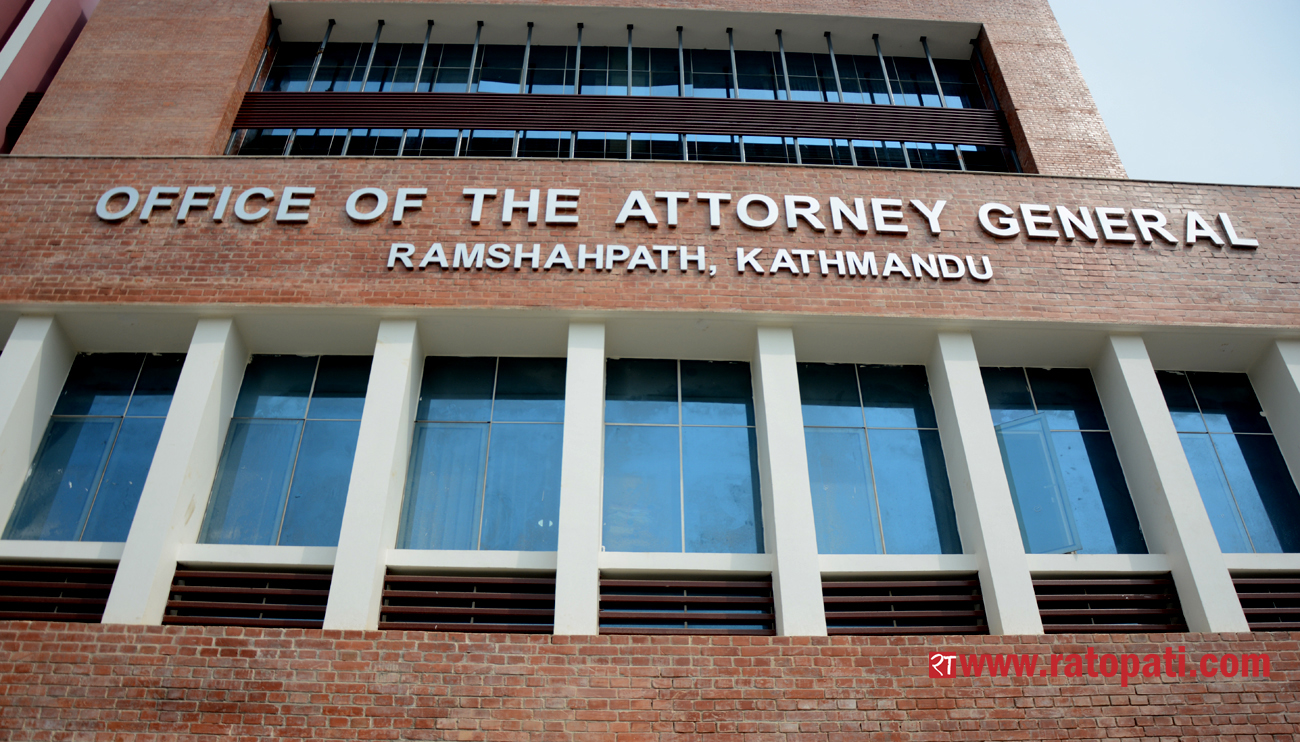
Kathmandu. The fact that the office of the Attorney General, the government's chief legal advisor, is frequently used by ruling parties or leaders to suit their own interests has repeatedly come to light.
Article 158 of the Constitution outlines the functions, duties, and powers of the Attorney General. According to sub-article (1), the Attorney General shall be the chief legal advisor to the Government of Nepal. It is the duty of the Attorney General to provide legal opinions on constitutional and legal matters to the Government of Nepal and other officials designated by the government.
Sub-article (2) states that the Government of Nepal shall be represented by the Attorney General or government attorneys under their authority in cases involving the rights, interests, or concerns of the Government of Nepal. The same sub-article states, 'Except as otherwise provided in this Constitution, the Attorney General shall have the final authority to decide whether or not to prosecute cases on behalf of the Government of Nepal before any court, judicial body, or authority.'
Essentially, it is in the context of this sub-article that the government or ruling parties have been found to use the Attorney General to serve their own interests. Specifically, those with political access and those in power are often seen using the Attorney General as a tool to weaken their cases or to prevent prosecution altogether.
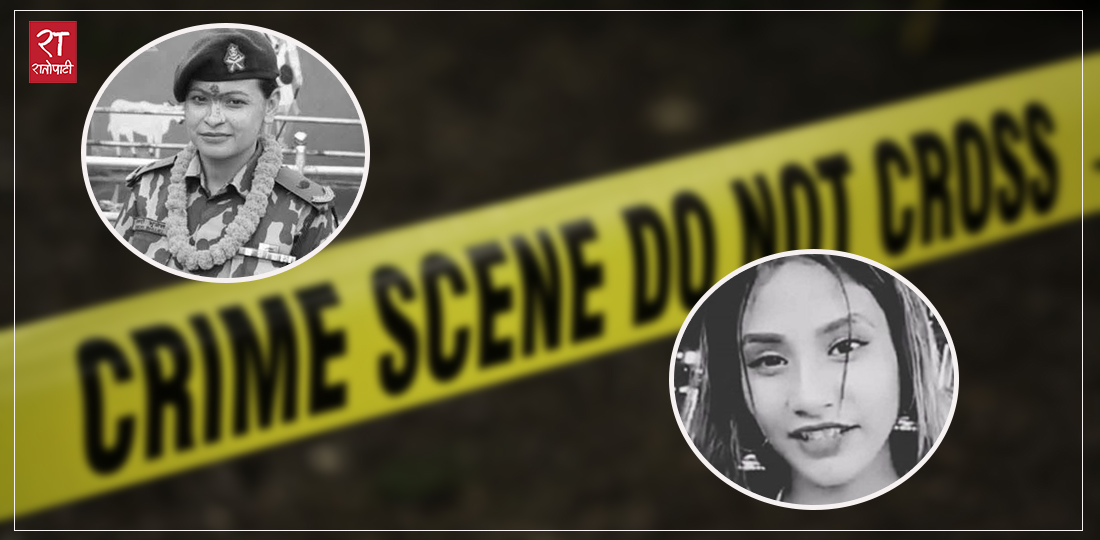
In 2064 BS, following the Rautahat bomb blast during the Constituent Assembly elections, the Attorney General's office decided to close the file on the alleged massacre where victims were thrown into a brick kiln, rather than pursuing prosecution. After the Attorney General's office decided to close the file on the incident that occurred on 27 Chaitra 2064 in Rajpur, Rautahat, on 30 Ashar 065, the judicial journey of this case effectively came to a halt.
The decision of the District Government Attorney's Office, Rautahat, not to prosecute the case involving the alleged burning alive of Trilok Pratap Singh (known as Pintu) and Osi Akhtar Miya was upheld by the Appellate Government Attorney's Office, Hetauda, on 9 Ashar 065. Three weeks later, the Attorney General's office decided to continue the decision made by the district and appellate offices. Yagyamurti Banjade was the Attorney General during the Congress-led government.
By closing the file within three months without investigation under his direction, the victims' right to justice was denied. The Attorney General, whose primary constitutional duty is to defend the government and provide legal advice, does not have the authority to refrain from prosecuting murder cases. Supreme Court precedents state that the Attorney General does not have the authority to decline prosecution in cases of heinous crimes.
The Constitution gives the Attorney General the final authority to decide whether or not to prosecute on behalf of the Government of Nepal before any court or judicial authority. '...However, this provision should be interpreted as referring to cases falling under Schedules 1 and 2 of the State Cases Act, 2049, and other cases where the Government of Nepal is the plaintiff under Nepal law,' stated the joint bench of Supreme Court Justices Balaram KC and Bharat Raj Upreti in the mandamus order issued in the Suntali Dhami case, adding, 'The decision made by the Attorney General may be final only for government agencies.'

Regarding the Rautahat incident, in the case of Congress leader Mohammad Aftab Alam, the father of Trilok Pratap and the mother of Oshi Akhtar had filed a formal complaint against Mohammad Aftab Alam, Mohammad Mohtab Alam, Sheikh Bhadai, Sheikh Movin Alam, Shesh Saraj, and others. After the investigation did not proceed, the case reached the Supreme Court. Hearing the petition against the Attorney General's office, the joint bench of then-Supreme Court Justices Sushila Karki and Bharat Bahadur Karki ruled that the authority to prosecute or not is not the discretionary power of the Attorney General, and ordered the investigation process to proceed and the case to be registered, thereby reopening the file.
The Supreme Court, in the Suntali Dhami case, interpreted that since the Constitution gives the responsibility of prosecution to the Attorney General, it 'cannot limit, cut, or control the extraordinary jurisdiction of the court.' However, ignoring this Supreme Court precedent, questions are raised repeatedly when decisions are made to withdraw cases linked to political access.
The Attorney General is primarily responsible and accountable to the Prime Minister. This is because sub-article 2 of Article 157 of the Constitution states, 'The President shall appoint the Attorney General on the recommendation of the Prime Minister. The Attorney General shall remain in office for as long as the Prime Minister desires.'
The Supreme Court has established the principle that if the rights of the victims are not protected, the decision of the Attorney General's office can also be reviewed. In the Suntali Dhami case, the Supreme Court stated, 'Since the Constitution has entrusted the responsibility of prosecution to the Attorney General and it is generally their final responsibility, if the prosecution required by the Constitution and law is not done, if there is discriminatory behavior violating the integrity of justice, if impunity is promoted, or if the power of prosecution is not used properly and the victim or party is unable to protect their rights, then the principle of judicial review adopted by the Constitution does not allow the court to say that the prosecution decision cannot be reviewed if a credible basis is raised.'
Although Article 158 of the Constitution gives the Attorney General the final authority to prosecute or not, the Supreme Court has concluded that this authority is not above the extraordinary jurisdiction of the Supreme Court guaranteed by Article 133. In the Dhami case, the Supreme Court has already interpreted that the Attorney General 'cannot limit, cut, or control the extraordinary jurisdiction of the court.'
- Controversy over Attorney General's directive in Dekendra Khadka murder case
During the government led by former Prime Minister Dr. Baburam Bhattarai, Attorney General Mukti Narayan Pradhan directed that action not be taken against those involved in the murder of journalist Dekendra Thapa in Dailekh during the conflict period. The then-Attorney General had sent a written letter to the District Government Attorney's Office not to proceed with immediate action, arguing that the murder was linked to transitional justice and should be addressed by the Truth and Reconciliation Commission.
Advocate Govinda Prasad Sharma Bandi had filed a writ in the Supreme Court regarding this letter. In the preliminary hearing, the bench of then-Supreme Court Justice Kalyan Shrestha ordered the government not to obstruct the investigation and to inform the Supreme Court about it. Since the Attorney General's letter appeared wrong at first glance, the Supreme Court issued an interim order not to implement it. Subsequently, the investigation into this case proceeded.
- Four controversial decisions during former Attorney General Badal's two terms
Ramesh Badal, who became Attorney General on 8 Chaitra 2077 during the government led by then-Prime Minister K.P. Sharma Oli, made the decision not to prosecute former DIG and former MP Nawaraj Silwal in a forgery case. Silwal was accused of forging performance evaluation documents in the dispute over the appointment of the Nepal Police IGP.
Attorney General Badal, appointed by then-Prime Minister K.P. Sharma Oli, decided not to prosecute Silwal. The decision not to prosecute was made while Silwal was an MP for the UML. The Attorney General's office decided not to prosecute, stating that former DIG Silwal, who was accused of forgery, had not gained any benefit.
In 2073 BS, when Silwal claimed the position of Inspector General of Police, the Supreme Court had ordered an investigation into the forgery case regarding the alteration of the performance evaluation form.
- Second case
Badal also became controversial when he decided not to prosecute in the Bansbari public land case during his second term as Attorney General. Attorney General Badal had approved the report that came from the High Government Attorney's Office, Patan, through the District Government Attorney's Office, Kathmandu.
Sanjay Thakur, the chairman of Chandbagh, withdrew the case filed in the Supreme Court on 23 Poush 2081. After withdrawing the case from the Supreme Court, the District Government Attorney's Office wrote an opinion not to prosecute and sent it to the High Government Attorney's Office. The High Government Attorney's Office sent it to the Attorney General's office. After two Deputy Attorneys General of the Attorney General's office agreed with the opinion, Attorney General Badal approved the decision not to prosecute.
- Third case
The third controversial decision of former Attorney General Badal is the decision not to prosecute in the file related to leasing Bal Mandir land. This decision brought Badal into significant controversy. After widespread opposition, the Attorney General's office reached a decision to prosecute. Based on the decision of the Attorney General's office, the case was registered against the defendants in the Kathmandu District Court on 25 Baishakh 2082 and is currently pending.
Arrest warrants were issued against 20 people in the Bal Mandir land case on 27 Baishakh 2081. Initially, the CIB had completed the investigation and submitted the file to the District Government Attorney's Office in the second week of Magh 2081. The District Government Attorney's Office had decided not to prosecute, stating that there were insufficient grounds and reasons to investigate and prosecute for fraud and other criminal charges in that case.
Those against whom arrest warrants were issued included then-Bal Mandir Chairperson Rita Singh, Tulsi Narayan Shrestha, Ganesh Bhakta Shrestha, Krishna Shankar Shah, Shyam Kumar Ale, Subash Kumar Pokharel, Gopal Shrestha, Prachanda Raj Pradhan, Ram Kaji Kone, and Yogendra Bahadur Shahi. Arrest warrants were also issued against Deepak Das Shrestha, Chiranjivi Tiwari, Pravin Raj Joshi, Murari Nidhi Tiwari, Purushottam Raj Joshi, Shraddha Sedhai, Amin Singhania, Siddharth Kedia, and Kirti Prasad Pandey. Then-Vice Chairperson of the Child Organization, Tulsi Narayan Shrestha, was arrested.
The Central Investigation Bureau (CIB) of Nepal Police had investigated the claim that the land of the Nepal Child Organization in Naxal was given on a long-term lease in a way that benefited the business group and caused loss to the government. Out of 119 ropani 12 ana 3 paisa of land in the name of the Nepal Child Organization (Bal Mandir) in Naxal, 28 ropani 5 ana 1 paisa was rented by Brihaspati Vidya Sadan.
- Fourth case
Then-Law Minister of Koshi Province Government, Leela Ballabh Adhikari, was arrested by the police from Biratnagar on 25 Kartik 2081 on charges of human trafficking. Three youths who flew to Japan with him and other individuals involved had already been arrested.
After investigating for a few days, the investigation report was submitted to the District Government Attorney's Office. The police report included an opinion that Adhikari should be prosecuted. On 10 Mangsir 2081, the Government Attorney's Office, with the permission of the Attorney General's office, decided not to prosecute Adhikari, claiming there was 'insufficient basis and evidence.' However, a case was filed in the Kathmandu District Court against 11 others arrested for the same offense.
- Khamba Bahadur Khati's tenure also in controversy
The tenure of Khamba Bahadur Khati, who became Attorney General in the government led by then-Nepali Congress President Sher Bahadur Deuba, also became controversial. Khati, who became Attorney General on 31 Ashar 2078, could not make institutional improvements but was busy with controversial decisions.
In Jestha 2079, Hari Prasad Joshi, working in the Attorney General's secretariat, and other staff members pressured Assistant Attorney Sangita Thokar of Lalitpur to weaken a minor rape case. After she refused to weaken the case, she was transferred to Makwanpur.
After Sushil Chautaut, who had relations with Congress leader Umesh Shrestha, was involved in a rape case, pressure was exerted from the level of the Attorney General. The case, in which pressure was applied to weaken it and the government attorney was transferred after resisting, is currently pending in the Supreme Court.
After the Department of Revenue Investigation was about to investigate the tax evasion case of Bottlers Nepal, then-Attorney General Khati appointed Joint Attorney Krishna Mohan Koirala as the head of the High Government Attorney's Office, Patan. Joint Attorney Koirala used various excuses to prevent the investigation report from moving forward.
Under Khati's direction, the High Government Attorney's Office, Patan, was preparing to decide not to prosecute for revenue leakage if the revenue equivalent to the claim was deposited in the government account. For this, the Attorney General's office pulled Surya Raj Dahal and sent Krishna Mohan Koirala to the High Government Attorney's Office, Patan. Koirala tried to delay the investigation report as much as possible, or if not, to make them pay the revenue and decide not to prosecute. This matter was stopped due to widespread pressure.
- Singer Yogeshwor Amatya's land case
Cases were not filed against those involved in the land forgery case of singer Yogeshwor Amatya. Attorney General Khati intervened and ordered an opinion not to prosecute to be written. Despite the 'dissenting opinion' of senior government attorneys in the Attorney General's office, the decision not to prosecute was made.
Even though a loan was taken from the bank by preparing forged documents, they were granted immunity, stating that it was not appropriate to file a case on charges of banking offense after the loan had already been repaid before the investigation.
- Attorney General also used in Rabi Lamichhane's case
Then-Attorney General Dinmani Pokharel decided not to prosecute in the passport-related matter of RSP Chairman Rabi Lamichhane on 6 Chaitra 2079. He took that decision based on the note of the Attorney General's office, which was based on the report that came from the High Government Attorney's Office through the District Government Attorney's Office.
The Supreme Court had dismissed Lamichhane's citizenship, stating that the process was incomplete. With this, a dispute started regarding the passport Lamichhane had obtained using the same citizenship. In this dispute, the Attorney General's office decided not to prosecute on 6 Chaitra 2079.
Then-Attorney General Pokharel took that decision based on the report that came from the High Government Attorney's Office through the District Government Attorney's Office.
With this decision, Lamichhane received a clean chit. No government agency proceeded with any investigation against him. After the investigation file on passport misuse reached the District Government Attorney's Office, Kathmandu, from the police office, the process of getting a decision not to prosecute began.
Lamichhane was accused of having both Nepali and American passports and using two passports at once. He fell into controversy after it was found that he used his Nepali passport without surrendering his American passport. Although the Attorney General's office decided not to prosecute for making and using a passport using his old Nepali citizenship, Yubraj Safal had filed a writ in the Supreme Court against it. Currently, that case is pending in the Supreme Court.
- Controversial decision of former Attorney General Baral in a case she was involved in herself
Sabita Bhandari, who was the Attorney General in the interim government led by Sushila Karki, gave a clean chit to a clinic close to her in an egg trafficking case.
The legal advisor to the Karki-led government, formed on the strength of the Gen-Z movement, decided not to prosecute those involved in the egg trafficking case of a minor girl at Hope Fertility and Diagnostic Pvt Ltd.
Deputy Attorney General Sanjeev Raj Regmi of the Attorney General's office signed the decision not to prosecute the doctors of that clinic. Although Attorney General Bhandari claimed that she was not involved in that decision, she will have to take responsibility for it after the Deputy Attorney General under her signed it.
The police had started an investigation into two clinics in Kathmandu on charges of illegally collecting eggs from girls and trafficking them to infertile couples for the purpose of childbirth.
While the Government Attorney's Office was preparing to move the case forward after completing the investigation into Hope Fertility and Diagnostic Pvt Ltd operating in Babarmahal and Angel Fertility Clinic operating in Maharajgunj, the file was closed after the Attorney General's office decided not to prosecute.
The bureau had arrested five people, including three doctors from Hope Fertility and Diagnostic Pvt Ltd. Those arrested included Dr. Asim Adhikari, Dr. Swasti Sharma, Dr. Malina Chaudhary, Justina Pradhan, and Alisha Oli.
Among those arrested, Dr. Swasti Sharma is the daughter of Attorney General Baral's maternal aunt (sister). After the Kathmandu District Court said to keep them out of custody and investigate, the accused were released on attendance bail. The decision not to prosecute was made because of the relationship of then-Attorney General Baral with that fertility center. It was found that those clinics were collecting eggs from girls under 18 years of age and transferring them to infertile women.
Meanwhile, stating that illegal egg extraction was taking place, the Supreme Court issued an order in the name of the government not to extract and store eggs from women and girls. On 2 Bhadra, the single bench of Justice Tek Prasad Dhungana issued an order to stop the extraction and storage of eggs and to make the government's regulation and monitoring effective. Advocates Neerav Gyawali, Dhruva Bhandari, and Ankita Tripathi had filed a writ on 1 Bhadra, making the Prime Minister's Office, Ministry of Home Affairs, Ministry of Health, Nepal Police, etc., as opponents.
- Decision to withdraw Lamichhane's organized crime and money laundering case
Then-Attorney General Sabita Bhandari decided on 30 Poush to modify and withdraw the 'organized crime' and 'money laundering' cases related to various cooperative fraud cases involving Rastriya Swatantra Party Chairman and former Home Minister Rabi Lamichhane.
In the seven-page 'note and order,' the District Government Attorney's Offices have been directed to prosecute Lamichhane only for cooperative fraud and to remove the other two serious types of cases.
After a writ was filed in the Supreme Court against this decision of the Attorney General, the petition to withdraw the claim of 'organized crime' and 'money laundering' in the case of Rabi Lamichhane in the cases pending in the District Courts of Kaski, Kathmandu, Rupandehi, Chitwan, and Parsa is currently suspended.
The Attorney General's office has made the report of the Parliamentary Special Investigation Committee 2081 the main basis for this decision. Quoting page 449 of the report, it is said - there is no evidence confirming Rabi Lamichhane's involvement in the entire process of money coming from the cooperative organization to Gorkha Media Pvt Ltd.
However, the committee concluded that his participation as Managing Director in the expenditure/operation of the money after it came to the company was seen. It is argued that since his involvement in the process of bringing the money was not seen, organized crime is not confirmed.
- Decision not to appeal in minor rape case
Another controversial decision made by Attorney General Bhandari is the sensitive case related to minor rape. This is the second controversial decision of Bhandari after becoming Attorney General. On 16 Kartik, she decided not to appeal to the Supreme Court against the accused Sushil Chautaut in the 13-year-old minor rape case. The Attorney General's office has given two bases for not appealing in the minor rape case.
The first basis is that the victim girl filed an application not to move the case forward, and the victim gave a statement in court contrary to what she gave in the investigation, based on which the Attorney General's office decided not to appeal.
The Lalitpur District Court had sentenced businessman Chautaut to 18 years and one month in prison and eight lakh rupees in compensation in the case of raping a minor girl. But the Patan High Court overturned that decision and acquitted Chautaut in Jestha 2081. Chautaut was accused of raping a girl kept under his own protection.
- Past Attorneys General also did reform work
If we look at the Attorneys General after the promulgation of the Constitution in 2072 BS, Hari Krishna Karki became Attorney General after leaving the post of President of the Nepal Bar Association, and was later recommended as a Supreme Court Justice. Although he tried to move forward some processes of transitional justice, he could not succeed.
Raman Kumar Shrestha took the initiative for the physical improvement of the Attorney General's office. He took the initiative to make the Government Attorney's Office agile and fast. Shrestha held a conference of government attorneys for the first time. He directed government attorneys to act according to the law and not to be under anyone's pressure or influence in prosecuting cases. The subsequent Attorney General, Basanta Ram Bhandari, did not make institutional improvements, nor did he break the established order.
This specific news has been automatically translated by AI. As a result, there may be some inaccuracies or language errors.