Community Schools in Kailali Impose Illegal Fees to Fund Teacher Salaries
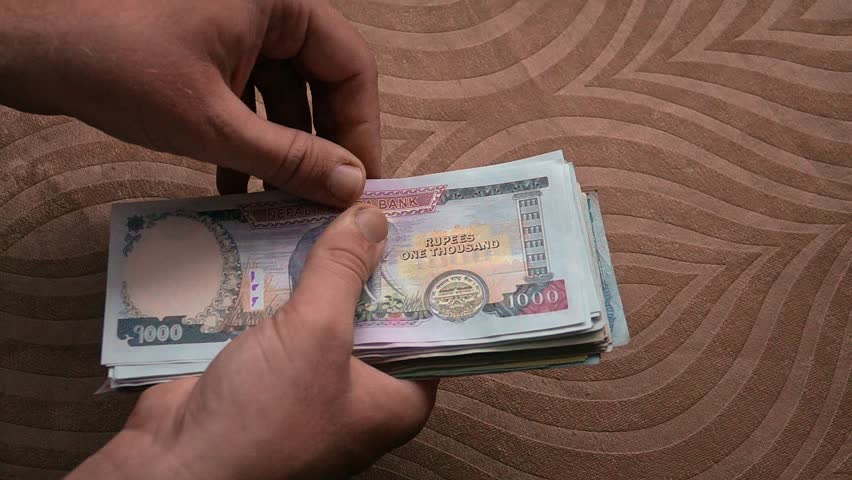
Kailali. It has been found that community schools within the Janaki Rural Municipality are collecting fees from students under the guise of 'school service charges' to cover teacher salaries and allowances. Some schools have been found to be charging fees for new student admissions starting from early childhood development levels.
Most schools in the rural municipality have been collecting monthly fees from students starting from grade 6, labeling them as parental service charges. All schools operating classes above grade 9 are currently collecting such fees.
Khagendra Raj Ojha, principal of Himalaya Secondary School in Janaki-9, stated that the school collects fees during new admissions for early childhood development or other grades. "Fees are charged upon initial admission. From grade 6 onwards, the school has been collecting monthly fees," he says. "We had to do this to raise additional resources because the grant provided by the rural municipality is insufficient to manage teachers."
The Constitution of Nepal, under Article 31 regarding the right to education, mandates 'free and compulsory education up to grade 8.' According to this provision, no fees can be collected from students up to grade 8. Teachers explain that schools collect these service charges to provide salaries and allowances to teachers managed with the help of the rural municipality.
While some schools teaching up to the secondary level only collect fees from students in grades 9 and 10, schools teaching basic levels from grades 6 to 8 are collecting fees under the name of school service charges.
Rural Municipality Chairman Ganesh Chaudhary stated that he was unaware of schools collecting fees from students. "The rural municipality is not informed about schools collecting money from students," he said. "No complaints have been received; once we receive complaints, we will regulate it."
There are 33 community schools in the rural municipality. Among them, 47 teachers are managed through the limited resources of the rural municipality. This includes 17 primary level teachers, 25 lower secondary teachers, and four secondary level teachers. The rural municipality has been providing a monthly amount of Rs 9,000 for primary teachers, Rs 11,000 for lower secondary, and Rs 13,000 for secondary teachers.
"We have not managed teachers through rural municipality grants. We have been paying schools based on the number of teachers as support," said Dharmananda Kapadi, head of the education branch of the rural municipality. "Although we have heard verbally that schools are collecting fees from students, it is not in our official records."
It has been found that some schools have managed teachers solely with the funds provided by the rural municipality. Kaman Singh Dhami, principal of Kalika Basic School in Ward No. 1, stated that the school does not collect any fees from students and mentioned that two primary teachers working at the school are working for a monthly salary of Rs 9,000.
Education branch head Kapadi mentioned that the court had previously stayed the rural municipality's efforts to adjust schools and redistribute teacher quotas based on student numbers, noting that in many schools, there are more teachers than students.
This specific news has been automatically translated by AI. As a result, there may be some inaccuracies or language errors.