Iran Implements 'Toll Booth' System in Strait of Hormuz, Asserting Control Over Key Oil Chokepoint

Tehran. Iran has formalized its control over the Strait of Hormuz by implementing a 'toll booth' system, which appears to position it as the primary custodian of this vital oil shipping route.
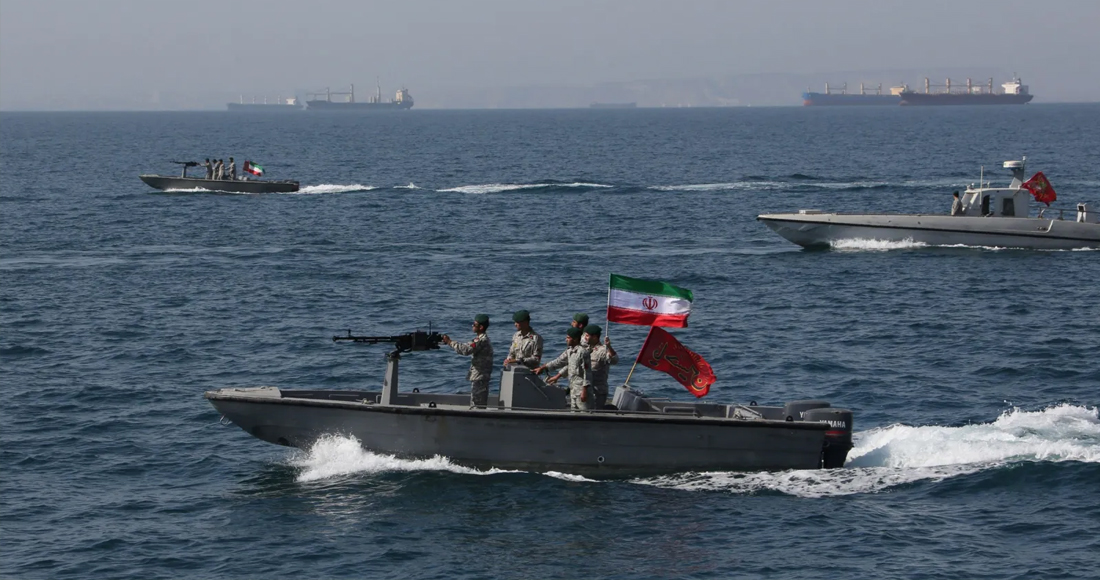
Under this system, vessels must enter Iranian waters and submit their details, including the full manifest, owner, destination, and crew list. Approved ships receive a special code and are escorted safely near the Iranian coast. Some ships have paid a fee, which is reportedly being settled in Chinese Yuan.
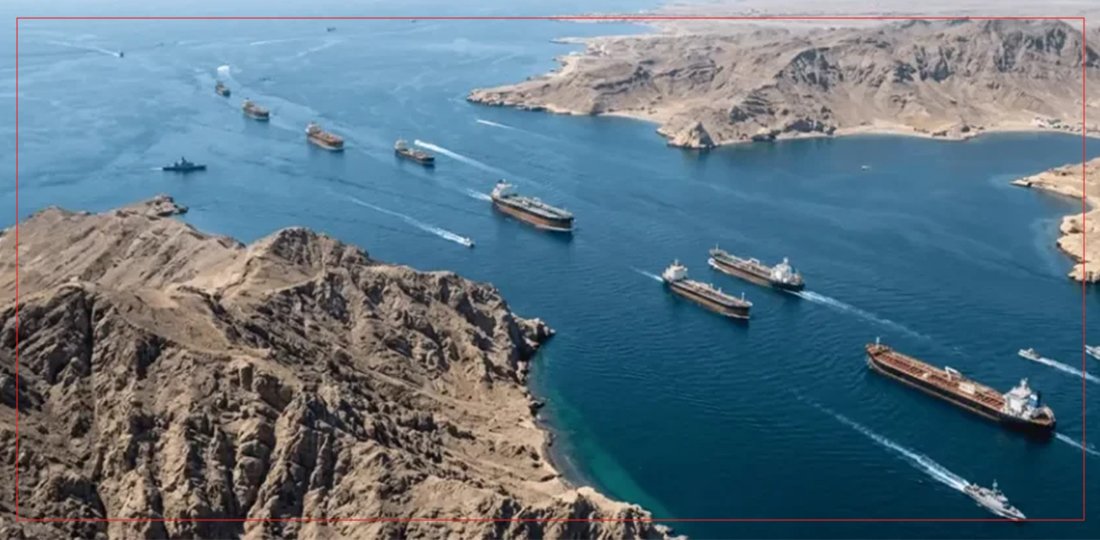
Traffic in the Strait has drastically decreased since March, leading to a rise in global oil prices and a supply crisis for oil in Asian countries. Since March 1, only about 150 ships have passed, equivalent to a single day's traffic under normal circumstances. Most passing vessels have headed in an easterly direction.
For security reasons, some ships turn off their radio identification systems while transiting and reappear in the Gulf of Oman. At least 18 ships have been attacked, resulting in the deaths of seven crew members. Some vessels have passed following diplomatic pressure.
The Iranian parliament is planning to legalize fees and control within the Strait of Hormuz. This signals a formal assertion of Iranian sovereignty and could also serve as a source of revenue. The International Maritime Organization has condemned the attacks on ships and highlighted the need for international coordination to ensure freedom of transit.
An oil official from the United Arab Emirates described this as 'economic terrorism' because it directly affects global energy supply and consumers. If the formal system for controlling the Strait of Hormuz is made permanent, it could have long-term implications for international trade and oil supply.
This specific news has been automatically translated by AI. As a result, there may be some inaccuracies or language errors.