US Proposes 15-Point Ceasefire to Iran Amid Escalating Regional Tensions

_gdf6c1thm9_HDxLwnLSEf.jpg)
Kathmandu. The US government has put forward a 15-point ceasefire proposal aimed at ending the ongoing conflict with Iran. This proposal was reportedly delivered to Iran via Pakistan, signaling a potential mediation role for Pakistan to resume talks between the US and Iran.
Meanwhile, the US appears to be preparing to further strengthen its military presence in the West Asia region. While approximately 50,000 troops are already deployed in the area, preparations are underway to send an additional 1,000 soldiers. Furthermore, a large contingent of Marines is also being mobilized. This is viewed as a strategy to maintain flexibility for necessary decisions in the future.
Despite intensified diplomatic efforts, the situation remains complex. Iran has denied claims that any formal talks are taking place with the US. Conversely, the US has indicated that talks are ongoing, showing that mistrust between the two sides remains deep.
The Strait of Hormuz, a vital waterway in West Asia, has also become a center of tension. As Iran tightens its control over this route, international trade has been affected, and fuel prices have risen sharply. This has increased concerns about the impact on the global economy.
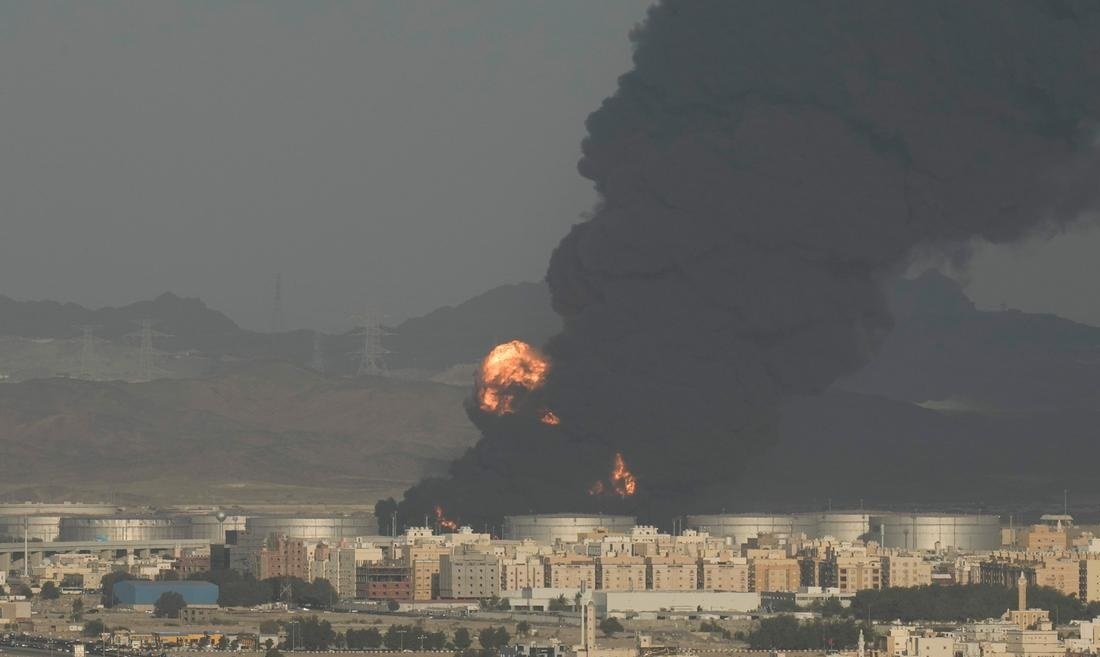
Attacks continue from both sides during the conflict. Iran is launching missile and drone attacks towards Israel, while Israel has conducted airstrikes on various locations in Iran and Lebanon. These attacks have resulted in civilian casualties and injuries.
Tensions have also risen in Lebanon. Israel stated it targeted Iran-backed groups there. In the meantime, the Lebanese government has instructed the Iranian ambassador to leave the country, further complicating regional tensions.
Pakistan has expressed its readiness to mediate talks between the US and Iran. If the talks succeed, a ceasefire might be possible in the near future. However, immediate resolution appears challenging due to the rigid stances and mutual distrust of both sides.
Overall, while diplomatic initiatives are moving forward on one hand, military activities are increasing on the other, making the situation in West Asia more sensitive and uncertain.
This specific news has been automatically translated by AI. As a result, there may be some inaccuracies or language errors.