US-China Summit Dynamics Shift as Middle East Crisis Weakens Trump's Hand, Analysts Suggest

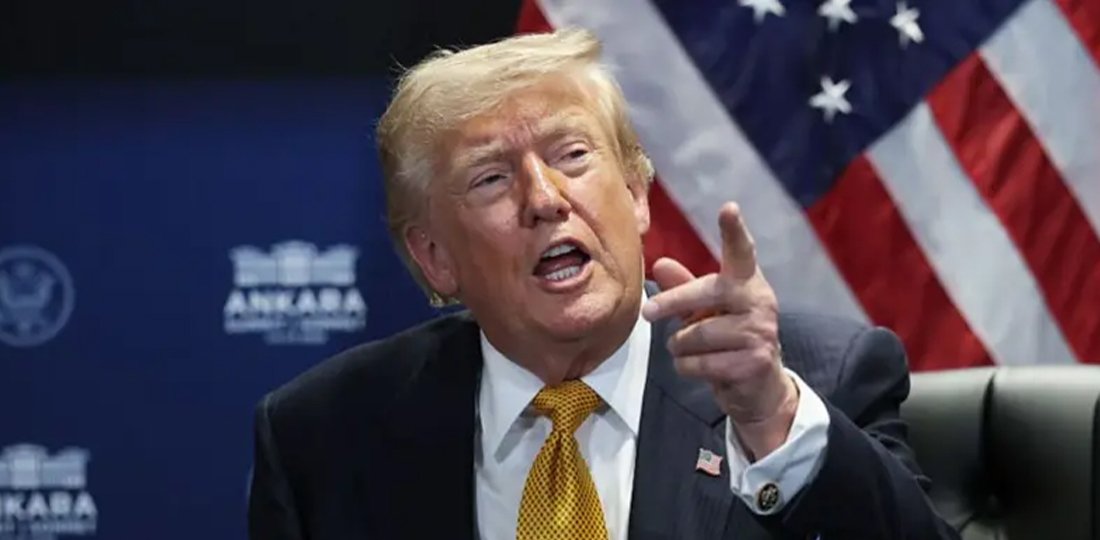
As the West Asian conflict rattles American diplomatic equations, signs indicate that the balance of power may tilt towards Beijing in the proposed US-China summit. Analysts suggest that US President Donald Trump has been placed in a weaker position due to entanglement in the Iran-Israel conflict, which allows Chinese President Xi Jinping to gain further leverage in negotiations.
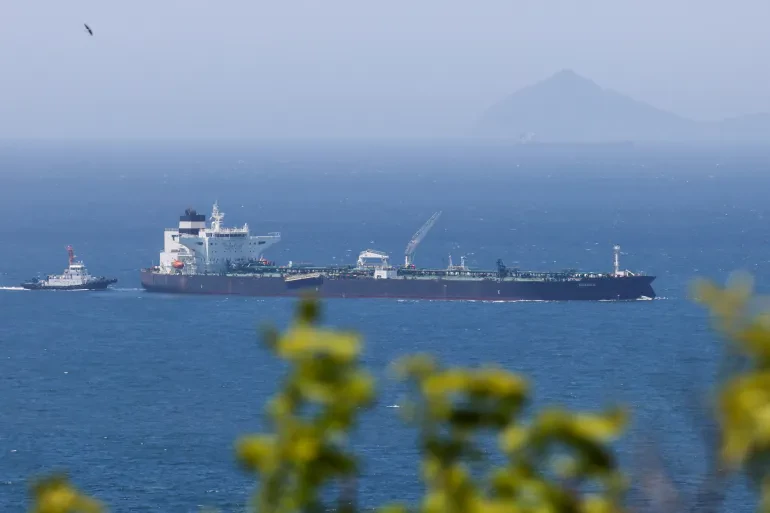
Although scheduled to visit Beijing later this month, Trump postponed his trip by a few weeks due to the deteriorating situation in West Asia. This delay comes against a backdrop where regional violence escalated following the decision to attack Iran in coordination with Israel, energy prices hit record highs, and the risk of global supply disruptions increased after Iran effectively shut down the Strait of Hormuz, limiting the President's diplomatic options.
With difficulties in formulating a clear strategy to end the war and a lack of expected support from traditional allies, Trump may be compelled to seek diplomatic achievements from China.
Ali Winer, Senior Advisor at the International Crisis Group, commented that the display of American power is backfiring, "weakening the illusion of American omnipotence." According to him, the US, unable to reopen the Strait of Hormuz alone, now requires the cooperation of its rival, China.
On Tuesday, Trump indicated he expects to travel to China in "five or six weeks." The main objective of the potential summit is believed to be formalizing the tariff ceasefire agreed upon during the meeting in South Korea last October. However, the current weakened position suggests it will be difficult for the US to maintain a hard line on issues like deep tariff cuts or access to critical minerals.
While US-China trade talks held in Paris last weekend were described as "constructive," analysts note a lack of concrete achievements. According to Dan Wang of Eurasia Group, weakened bilateral trust due to long-standing disputes over trade, technology, and rights limits the possibility of a major agreement. Furthermore, the US investigation into excess industrial capacity across 60 economies, including China, has displeased Beijing.
Meanwhile, China appears to be preserving its strategic advantage. Beijing has so far ignored US requests to reopen the Strait of Hormuz and has maintained restrictions on the export of rare earth minerals.
These minerals are considered essential for the US defense industry. According to Jason Bedford of the National University of Singapore, control over the supply of some "heavy" rare earth elements, used in drones, jets, missile systems, and radar, could impact American military production.
The impact of this crisis is also expected to be felt in US domestic politics. Analysts suggest that China could use issues like agricultural purchases as leverage in negotiations, potentially affecting the crucial midterm elections for the Republican party. Wu Xinbo of Fudan University warned that the US will face further challenges if it fails to stabilize relations with China.
Nevertheless, the potential summit is unlikely to bring significant changes to the long-term geopolitical goals of either country. It is reported that the Trump administration is considering easing some sanctions on Iranian oil to control rising energy prices, which analysts believe could benefit China.
Since China is considered the main buyer of sanctioned Iranian oil, it plays a role in supporting Tehran's economy. Analysts suggest that China has no incentive to limit its defense cooperation with Iran as long as the US continues supplying arms to Taiwan. This further complicates the broader power competition.
Mixed reactions are also evident among the general public in Beijing regarding Trump's potential visit. One local IT employee described him as a "leader who makes unstable decisions," suggesting his stance could change even after an agreement.
Another employee in the finance sector viewed the visit as a sign that the US is still signaling a desire for positive relations.
This specific news has been automatically translated by AI. As a result, there may be some inaccuracies or language errors.