Baglung Secures Five Federal Parliament Representatives for the First Time

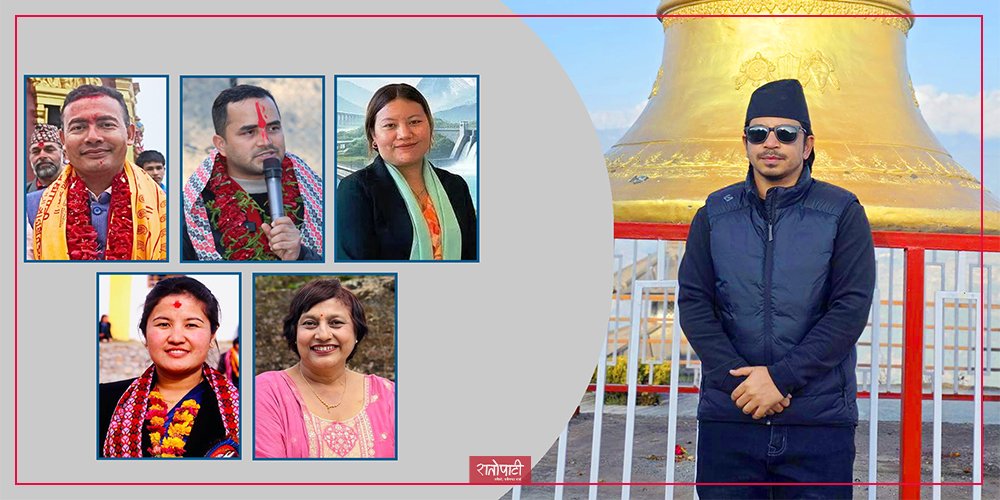
Baglung. This time, five individuals will represent Baglung in the Federal Parliament. Baglung has never received this many members of parliament at once before. The residents of Baglung are delighted to receive such a large number of representatives for the first time. Two members were elected under the first-past-the-post system and three under the proportional representation system in the House of Representatives election held on Falgun 21.
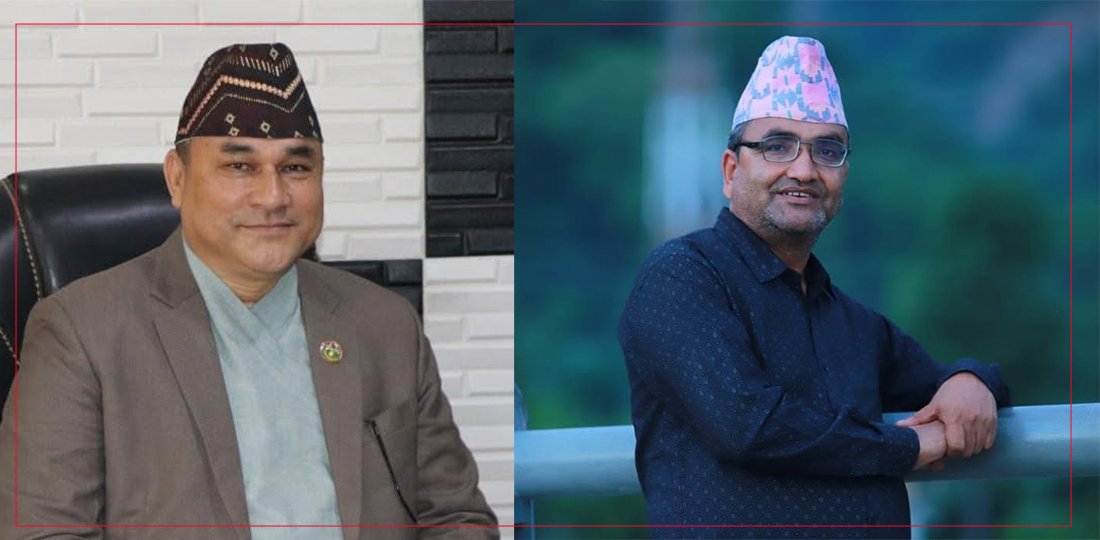
Under the first-past-the-post system, Sushil Khadka of the Rastriya Swatantra Party (RSP) won from Baglung Constituency No. 1, and Som Sharma, also from RSP, won from Constituency No. 2. According to the final list submitted by the parties to the Election Commission on Sunday, Renuka Kaucha from the Nepali Congress, Ganga Chhantyal from RSP, and Balawati Sharma from the Communist Party of Nepal (CPN) became proportional representation members of parliament.
Kaucha Emerged from Student Politics
Renuka Kaucha, who became a proportional representation member of parliament from the Nepali Congress, is a leader who emerged from student politics. A permanent resident of Galekot Municipality-11, Baglung, she was elected Deputy Mayor in the first local level election in Galekot. After working for reforms in the education sector as Deputy Mayor, her name was also on the proportional representation list for the 2079 House of Representatives election, but she did not become an MP in the end.
She began her political journey in 2065 BS by becoming the treasurer of the Free Students Union from the Nepal Student Union at Saraswati Multiple Campus in Kathmandu, and she has also served as the central president of the Magar Student Union. She has continuously been a general convention representative since the 12th General Convention of the Congress and has also served as a central member of the Women's Association.
Although she was included in the proportional representation list for the first time in the 2070 Constitution Assembly election, she could not become an MP then either. She has been continuously raising her voice for the rights of women and children for a long time.
Chhantyal, Who Raises Issues of Disability and Indigenous Peoples, is Now an Honorable Member
Ganga Chhantyal, from the most remote Tamankhola Rural Municipality-6 Narjakhani in Baglung, became a proportional representation MP from RSP. The 35-year-old Chhantyal had been working in the field of persons with disabilities, women, and indigenous peoples for about a decade.
Chhantyal, who entered politics for the first time, has been working nationally and internationally in favor of citizens with disabilities. She herself is a person with a different ability. Although Chhantyal, who has been living in Kathmandu for 25 years, is not very familiar with the citizens of Baglung, they are happy that she became an MP.
She has worked for various Non-Governmental Organizations (NGOs) and International Non-Governmental Organizations (INGOs) and has also been operating an enterprise in Kathmandu. Chhantyal, who runs a garment business, has also provided employment to 15 women and youth.
Balawati's Journey: From People's War to Parliament
Balawati Sharma, who became an MP from the Communist Party of Nepal (CPN), is a leader who emerged from student politics and the People's War. Sharma, who started her political journey from the then CPN (Maoist Centre), became a member of the interim parliament in 2063 BS.
A resident of Baglung Municipality-12 Amlachaur, she has served as the central member and Baglung in-charge of the Maoist Centre and is currently a central member of the CPN. She has been in central leadership since 2068 BS and became a proportional representation MP from the Khas Arya Women's Group (Cluster).
When she joined the People's War in 2051 BS, she played the role of co-in-charge of Rolpa district. She is the wife of CPN leader Devendra Poudel. Poudel was a candidate from Nawalparasi-2 in the election held on Falgun 21 but could not win. Poudel, who became an MP from Baglung-2 in 2074 with the support of the Left Alliance and in 2079 with the support of the Congress, was preparing to contest from Baglung-1 this time. However, the party sent him to Nawalparasi. A leader stated that Poudel went to Nawalparasi with the plan to make his wife Balawati an MP through proportional representation. Many leaders and cadres of CPN Baglung were displeased when Balawati was placed on the proportional representation list.
One leader added, "There are many leaders who joined the People's War; they never got an opportunity. Do only two people (husband and wife) of Comrade Devendra want positions and opportunities? When will other leaders get opportunities?" The leader further added, "This time, since Comrade Devendra was certain to lose, he secured his wife through proportional representation."
Prakash Could Not Become an MP
When the Rastriya Swatantra Party (RSP) submitted the final list of elected candidates for the 57 seats obtained under the proportional representation system of the House of Representatives to the Election Commission, the name of Prakash Bik (Prakash Saput) could not be included. Although the party placed him second in the Dalit Male Group (Cluster), his name was not included in the final list sent to the Election Commission.
Prakash, who has a background in CPN-UML, was included in the RSP's proportional representation list after the Gen-Z movement and the Balen team. On Magh 19, Prakash, who was campaigning dressed in 'Balen attire' after worshipping the 5,555 kg Mahaghanta at Panchakot in Baglung's Sarvasiddhidham, generated good public support, but he himself was deprived of becoming an MP.
When visiting villages and settlements, there was a significant number of citizens saying, 'One vote for Prakash Saput.' Consequently, RSP received good proportional votes in Baglung. Saput, who has a CPN-UML background, joined RSP after the Gen-Z movement via the Balen group. His name was placed second in the Dalit group (Cluster).
Prakash, who transitioned from a singer to an actor, had achieved great success (a leap) in artistry. RSP had deployed him across the country for election campaigning as he was on the proportional representation list. However, his desire to enter parliament in the end was not fulfilled.
26 Names on the Proportional List, Only Three Became MPs
For the selection of MPs through the proportional representation system, five parties included 26 names on the proportional list from Baglung, but only three people succeeded in becoming MPs. The Nepali Congress recommended three names, but only Renuka Kaucha became an MP.
The Congress had placed Renuka Kaucha at number four in the Indigenous/Tribal Women Group (Cluster), Shakuntala Sharma at number nine in the Khas Arya Women Group, and Parbati Acharya at number 21 in the same group. Sharma and Acharya could not become MPs.
The Communist Party of Nepal (CPN) had recommended two names from Baglung. Balawati Sharma was in the first position from the Khas Arya Women Group (Cluster) and became an MP. Chet Bahadur Pun, who was at number 20 from the Indigenous/Tribal Group, could not become an MP.
Ganga Chhantyal and Prakash Bik's names were on the proportional list from RSP. Despite securing 57 seats in proportional representation, Prakash could not become an MP from RSP. His name was second in the Dalit Group (Cluster). Chhantyal's name was second in the Indigenous/Tribal Women Group, and she became an MP.
From the Progressive Democratic Party (PrLoPa), Shanti Bik was second from the Dalit Women Group, and Dal Singh Khatri was first from the Khas Arya Group. However, PrLoPa could not cross the threshold in the election, receiving only 24,676 votes. The Rastriya Janamorcha had the highest number of candidates on the proportional representation list from Baglung, with 17 names included. However, Janamorcha also could not cross the threshold, receiving only 29,446 votes.
This specific news has been automatically translated by AI. As a result, there may be some inaccuracies or language errors.