Activists Pressure Government to Release Karki Commission Report on Violent Protests
Kathmandu. The 'Genji' (Youth) movement that took place on Bhadra 23 and 24 last year paralyzed the country's politics and social life. On the 23rd, an spontaneous protest occurred against corruption, nepotism, and the ban on social media, among other issues. Following the government's crackdown on the movement, the next day, Bhadra 24, arson and vandalism targeted structures across the country, including Singha Durbar.
However, anger is growing as the state has yet to publicly disclose the full facts of those events. The 'Genji' activists have become agitated because the report from the 'Gauribahadur Karki Investigation Commission,' formed to investigate the incident, has not been made public even a week after it was submitted.
The Genji activists have launched pressure campaigns ranging from social media to the streets. While running a hashtag campaign on social media demanding, 'Make the Karki Commission Report Public,' they rallied at Maitighar Mandala on Sunday to caution the government.
The youths gathered at Maitighar Mandala questioned the government, asking, 'Where is the full report of the Karki Commission?'
In Sunday's demonstration, participating youths used banners, placards, and slogans to pressure the government to immediately publicize the report. Although the commission, led by former Justice Gauribahadur Karki and formed on Ashoj 5, submitted its report to the government on Phagun 24, activists believe that the government keeping it 'confidential' has raised suspicions.
Youth active in the Genji movement consider this not just a demand for a report, but a fight for citizens' right to be informed in a democracy. It is believed that the document, prepared after the commission received multiple extensions to its three-month mandate, includes the names of the main planners and culprits behind the crackdown on Bhadra 23 and the vandalism and arson on the 24th.
Why are the Genji activists increasing pressure?
For the past few days on social media, Genji activists have been pressuring the government by changing their profile pictures to read, 'Where is the full Karki Commission report?' They have been demanding that the interim government itself should make this report public.
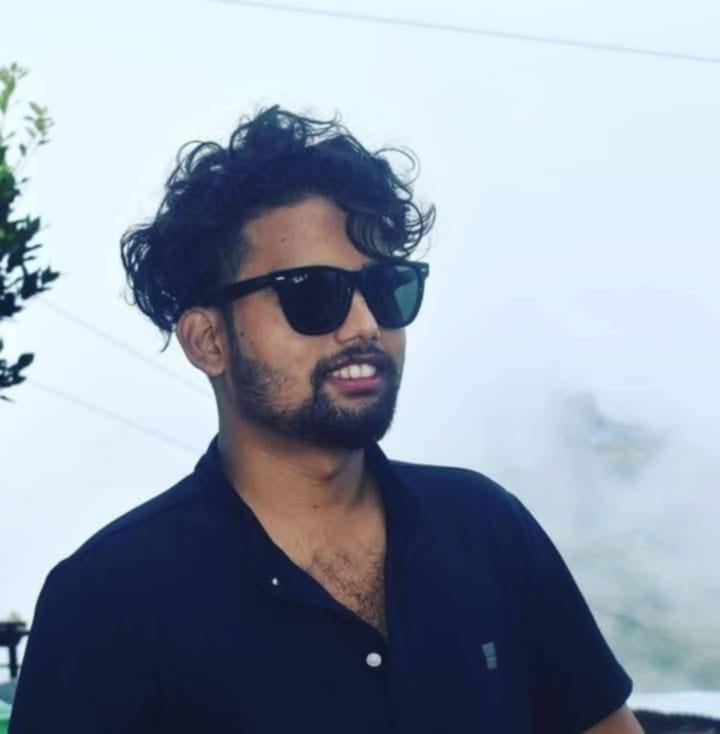
Genji activist Rijen Rana accused the Prime Minister of a mismatch between words and actions regarding transparency. He stated, 'The Karki Commission should not become another means to weave conspiracy theories while setting aside the reality. The Honorable Prime Minister's words regarding transparency must now translate into action.'
Rana also reminded the new representatives entering the parliament from the streets of their responsibilities. He said, 'Dear Honorable Genji Members, you are entering the parliament alongside us from the streets. You must not forget the commitment to implement point number 7 (Transparency) of the agreement between the interim government and us. The elected parliament must play a role in implementing the recommendations in this report.'
Raksha Bam's Argument: Truth Cannot Be Hidden in the Name of Sensitivity
Raksha Bam, coordinator of the Genji Front, emphasized that the truth regarding the events of Bhadra 23 and 24, which she considers extremely sensitive, must come out. She stated via her Facebook, 'Those events of Bhadra are sensitive in themselves. But the old tradition of keeping the truth away from the public in the name of sensitivity should not be repeated. The public must be allowed to read and understand this report.'
Bam stated that implementation and transparency are equally important and warned the interim government, 'We are watching; let the Karki Commission report be fully publicized.'
Majid Ansari's Question: Will This Also End Up Like the Lal Commission?
Activist Majid Ansari raised a serious question, referencing the fact that victims of the Madhes and Tharuhat movements have still not received justice. Addressing Prime Minister Sushila Karki directly, he asked, 'Who burned Singha Durbar? The country still does not know. Is the Karki Commission report intended to be shelved in a drawer, just like the Lal Commission report?'
Ansari continued, 'You (the Prime Minister) cannot evade the responsibility of making this report public before the elected government takes its oath. Where did the commitment to make it public by Phagun 23 disappear? The families of the injured and martyrs are still waiting for justice.'
Activist Tanuja Pandey expressed the pain of losing her friends during the movement. She said, 'Who killed our friends? Who are the elements that burned the country to the extent of endangering the nation's sovereignty? We are waiting for those answers. This is not just a wait for a day; this is a wait for justice and truth. We should not be betrayed.'
Similarly, Sanken Rai stated via social media that they are demanding a right, not begging for justice. She wrote, 'We are not asking to produce justice, but to secure and distribute justice.' She questioned who will take responsibility for the killing of innocent people, placing the repeated extensions of the commission's term under suspicion.
Activist Jasmine Ojha argued for the report's publication by explaining the fundamental principles of democracy. She said, 'In a democracy, truth is not the private property of the state; it is the right of the people.'
Activist Amit Khanal 'Urja' said, 'Honorable Prime Minister, please give us that report book a little faster! We need to read it too. Is there a plan to suddenly hold an exam later? At least let us prepare for an 'open book' exam!'
Genji activist Yatish Ojha stated, 'No ifs, no buts—make the Karki Commission report public!'
Genji activists Arnab Chaudhary, Bikash Kami, Monika, and others are also pressuring the government, demanding the publication of the Karki Commission report. They demand that the report clearly expose the state's repression during the Bhadra incidents and the subsequent political maneuvering.
The commission, formed on Ashoj 5 last year, was initially given three months. However, citing incomplete work, its term was extended three times: one month on Poush 3, 20 days on Magh 8, and 25 days on Magh 26. The commission finally submitted its report on Phagun 24, but the government has shown no urgency in making it public.
This specific news has been automatically translated by AI. As a result, there may be some inaccuracies or language errors.