The Story of Black Gold: How Oil Shaped the Modern World and Its Enduring Curse


The year was 1859, and the date was August 27. American businessman Edwin Drake received a message that made him lose his senses. The message read: ‘Pay your debts, give up, and go home.’
At that time, Drake was searching for rock oil (crude oil). This is a type of brown, raw oil. Oil bubbles had been seen in the ground of Western Pennsylvania. Drake's objective was to extract kerosene from this rock oil to light lamps.
In those days, whale oil was used to light lamps, and it was gradually becoming very expensive.
However, shortly before receiving that discouraging message, oil had been discovered during an excavation. When that oil erupted, the pressure was so great that the spray reached a height of 21 meters from the ground.
This single event saved the lives of millions of whales and marked the beginning of a process that would change the face of the world.
One Year After Oil Discovery
What happened a few kilometers south of where Drake found this oil signaled what the future of the world would look like in the coming years.
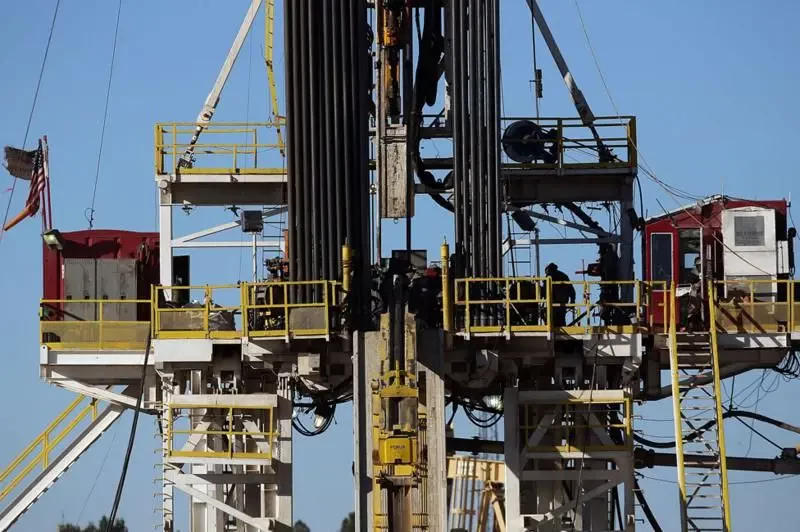
According to a New York Times report, when oil was discovered in Pit Hole City, Pennsylvania, in 1864, fewer than 50 people lived within a radius of several miles around it. But within a year of the oil discovery, ten thousand people began living in Pit Hole City. Fifty hotels, one of the busiest post offices in the country, two telegram centers, and dozens of brothels opened there.
In the changed circumstances, some people became instantly rich overnight. But Pit Hole City did not meet the other conditions necessary for a sustainable economy. As a result, the shine of Pit Hole faded within a year.
The economy dependent on Pit Hole's oil could not gain momentum, but humanity's thirst for oil continued to grow and grow.
The World's Energy Needs
The situation now is such that it can be said the world economy is drenched in oil. It fulfills one-third of the world's total energy demand. This is more than coal and double the combined capacity of nuclear, hydropower, and non-conventional energy sources.
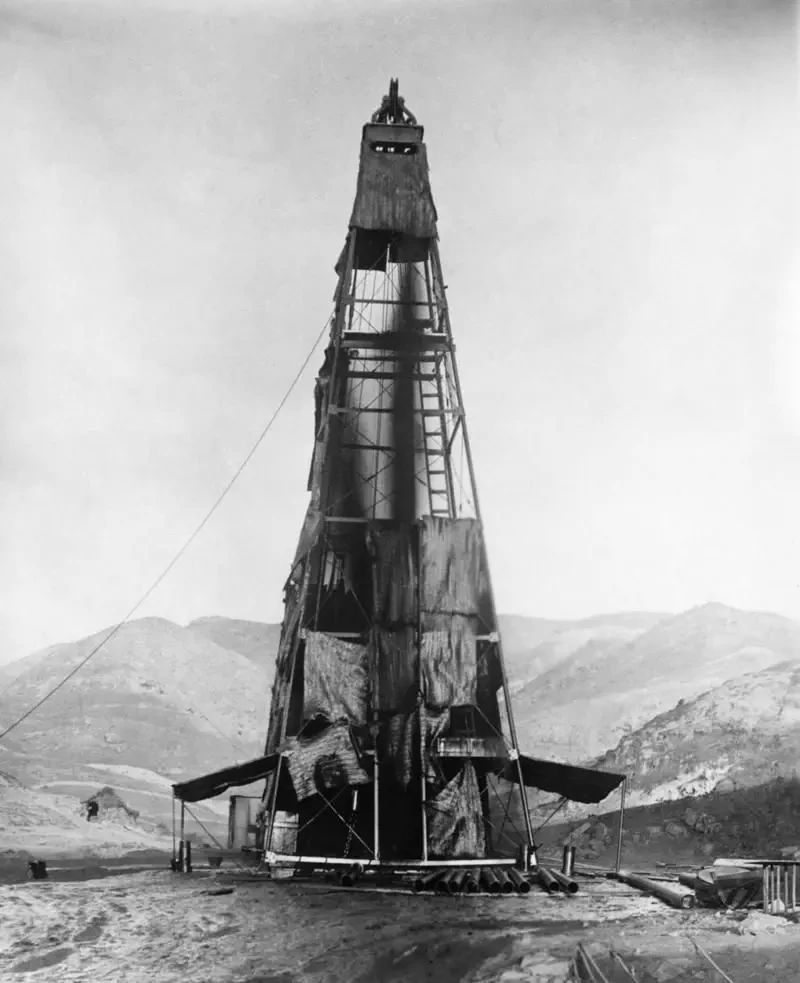
Oil and gas fulfill one-fourth of our electricity needs. Not only this, but it also provides raw materials for the plastics industry.
Besides this, there is the transportation sector. Initially, Edwin Drake thought, ‘Who would buy petroleum?’ But the invention of the combustion engine answered his question. From cars to trucks, from cargo ships to jet aircraft, today it is oil that is running our world.
Therefore, the ‘price of oil’ is possibly the most important price in the world.
In 1973, when some Arab countries announced a halt to oil sales to rich countries, the price of oil rose from $3 to $12 per barrel in just six months. Following this event, an atmosphere of economic slowdown was seen worldwide. Economic recessions occurred in the United States after oil prices rose in 1978, 1990, and 2001.
Some economists even believe that the historical rise in oil prices was the main cause of the 2008 global financial crisis, although the blame was placed on the banking crisis. As the price of oil rises, the economies of countries follow the same path.
But the question arises here: why did we become so dependent on this? The beginning of Daniel Yergin's famous book on the history of oil, ‘The Prize,’ starts with a dilemma faced by British leader Winston Churchill.
In 1911, Churchill was appointed head of the Royal Navy. One of his initial decisions was one that would determine the future of the British Empire: should Britain rely on Welsh coal to face the challenge of expansionist Germany, or on new warships powered by oil from distant Persia (modern-day Iran)?
Who would trust such an insecure and distant source? Because oil-powered warships could be built faster and required less manpower as they ran on fuel. Furthermore, warships had a greater capacity to carry weapons and ammunition.
Oil Was a Better Fuel Than Coal
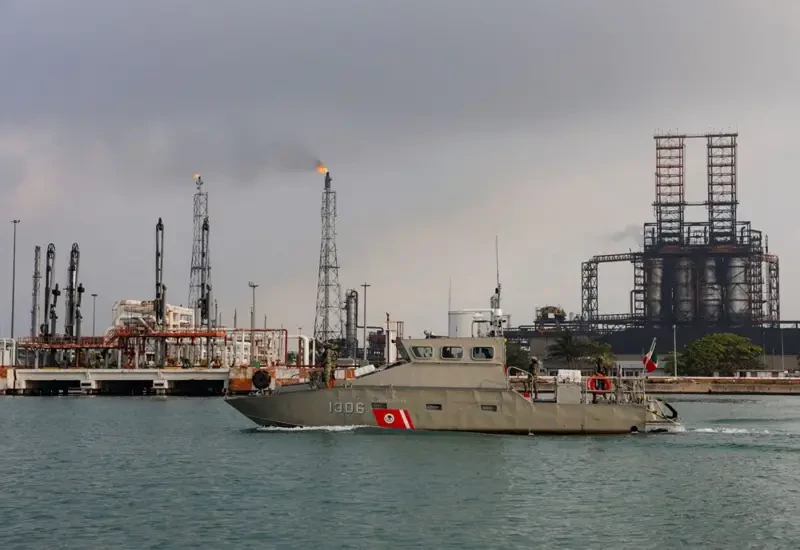
In April 1912, Churchill's decision established that logic: our dependence on oil is necessary. And from that point, the shape of global politics changed.
Following Churchill's decision, the British Treasury bought a majority stake in BP's (originally Anglo-Persian Oil Company) predecessor. In 1951, the Iranian government nationalized the oil company. The British protested, ‘This is our company.’
The Iranians responded firmly, ‘This is our oil.’ In the following decades, this argument was repeated throughout the world.
Some countries made great progress in the oil sector. Saudi Arabia is one of the richest countries on Earth, entirely credited to its vast oil reserves. The total valuation of its state-owned oil company, Saudi Aramco, exceeds that of Apple, Google, or Amazon. This most profitable oil company in the world was recently targeted via a ‘drone’ attack, incidents like this can cause the price of oil in the world market to spike sharply.
Despite all this, no one would make the mistake of considering the Saudi Arabian economy as sophisticated and sustainable as those of Japan or Germany. Perhaps this is just a temporary shine, like a large-scale ‘Pit Hole City.’
In other places, from Iraq to Iran and Venezuela to Nigeria, some oil-rich countries have considered this discovery a curse. Economists call this the ‘oil curse.’
As early as the beginning of the 1960s, Venezuela's Petroleum Minister Juan Pablo Pérez Alfonzo provided a vivid depiction of this. In 1975, he described it as the ‘devil's excrement,’ saying, ‘We are drowning in the devil's excrement.’
Why is Oil Such a Big Problem?
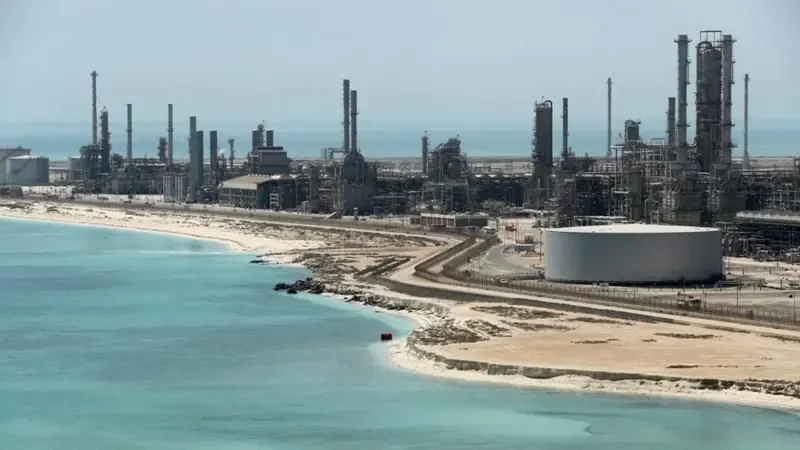
When a country exports oil, the value of its currency rises unnaturally, making everything produced in that country, except oil, expensive. This means it is very difficult to develop manufacturing or complex service industries there.
Historically, many politicians have tried to monopolize their country's oil for themselves and their cronies. It is common for this to breed dictatorial tendencies. Money is good for some things, but it weakens the foundation of the entire economy.
This is why we wish for the use of cleaner alternatives instead of oil. Climate change is clearly another major crisis standing before us. But oil has completely occupied the place of batteries so far.
The reason for this is that for moving machinery, its own energy source is lighter and more effective. The energy contained in one kilogram of petrol requires a 60-kilogram battery to obtain the same amount of energy. Furthermore, petrol has the convenient characteristic of being consumed upon use. But unfortunately, empty batteries are very heavy, and their management is another challenge.
While electric cars are finally gaining ground in the market, building an electric jumbo jet remains like chewing on an iron bone.
There was a time when it seemed the price of oil would go out of control—this was called peak oil. While it did cause prices to rise rapidly, it also inspired us to move towards a clean and renewable economy. But the reality is that today, many times more new oil reserves are being discovered than the amount of oil being consumed.
This has been made possible by the rapid development of hydraulic fracturing, or fracking technology. This is a controversial process in which water, sand, and chemicals are pumped underground at high pressure to extract oil and gas.
Overall, it seems we are still drowning in that ‘devil's excrement,’ and this situation may persist for some time yet.
(Based on material published by Collective Newsroom for the BBC)
This specific news has been automatically translated by AI. As a result, there may be some inaccuracies or language errors.