Saptari Farmers Plant 'Chaitra' Paddy, Hopeful for Government Support on Irrigation and Fertilizer


Saptari. As the final results of the House of Representatives elections are announced, the elected representatives are preparing to enter the parliament building. Meanwhile, the farmers of Saptari, who cast their votes, are heading to the fields to plant 'Chaitra' paddy, hoping that the new government will ensure timely supply of fertilizer, irrigation, and electricity. The hustle of planting 'Chaitra' paddy has begun in various municipalities of Saptari.
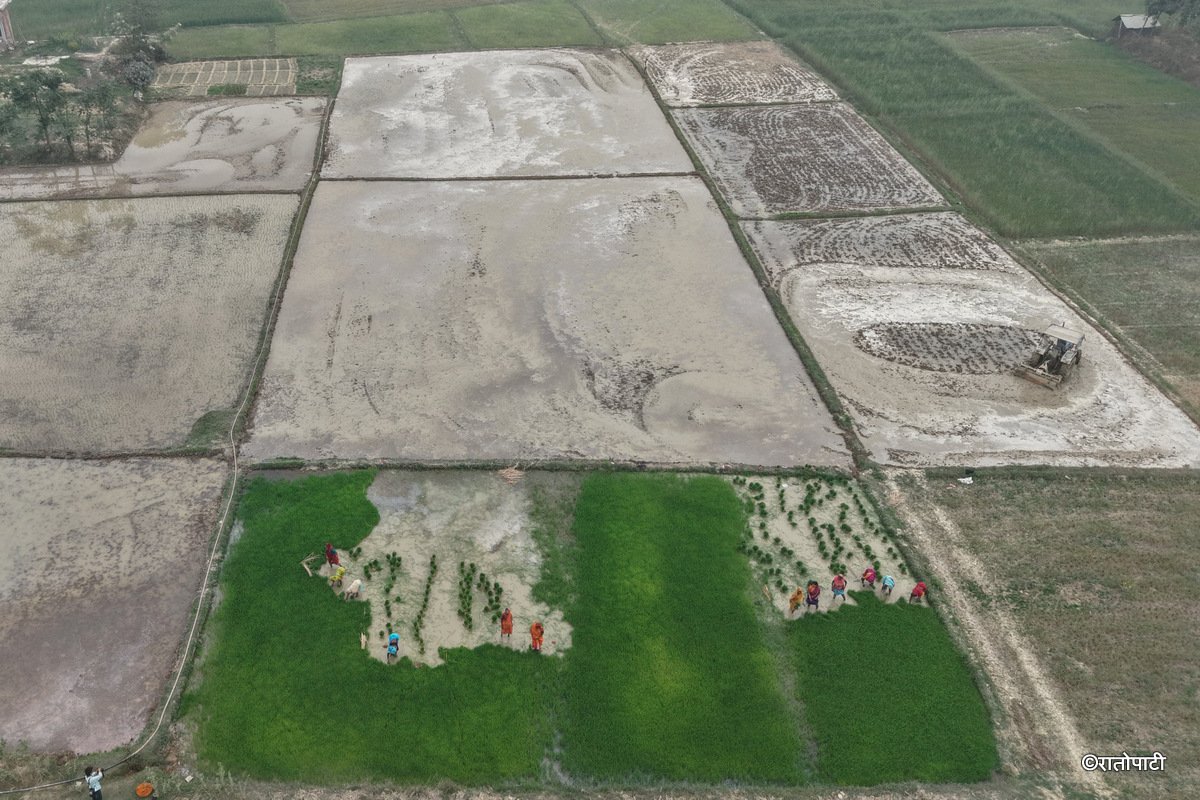
This paddy, which is typically sown in Falgun and transplanted in early Chaitra, is ready for harvest starting from Jestha 15th, maturing in a short period of 80 to 90 days. Farmers experience that although the yield of 'Chaitra' paddy is double that of the 'Barke' (monsoon) paddy harvested in Mangsir, this cultivation is quite expensive.
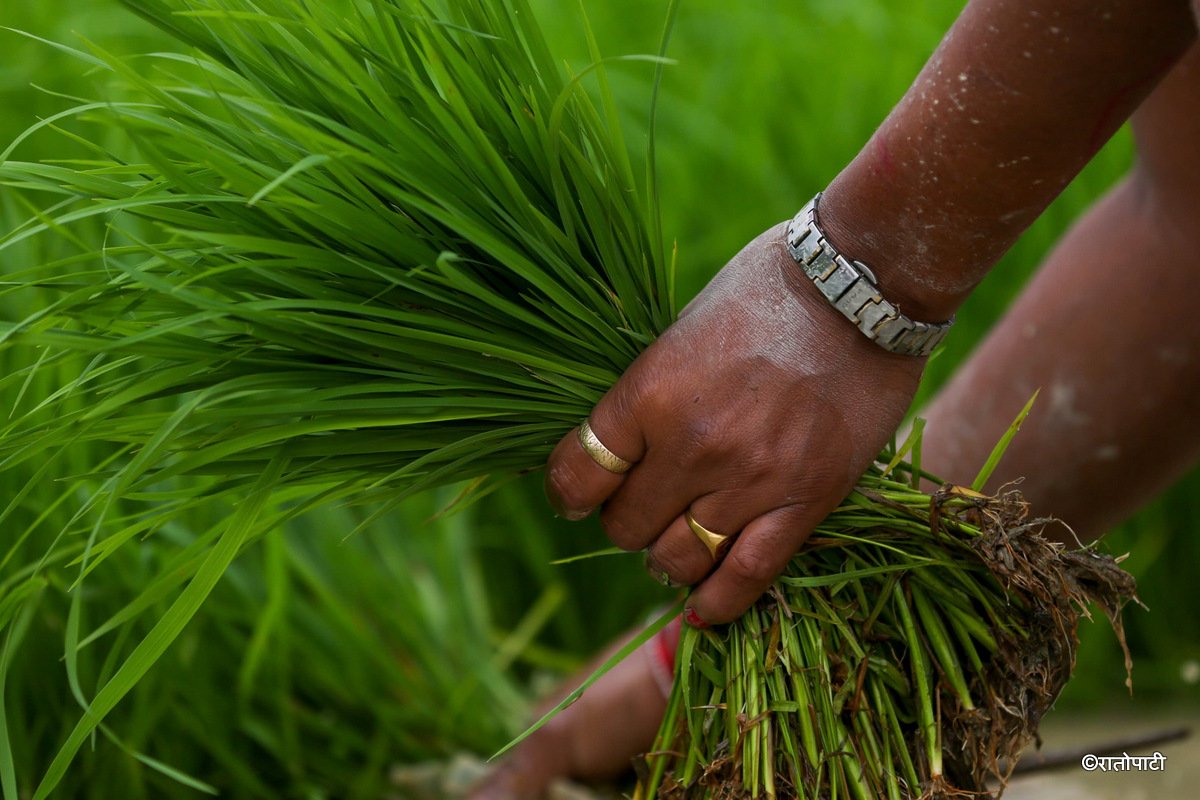
The cost incurred for irrigation puts farmers at a disadvantage compared to the expenses for uprooting seedlings, tilling the field, and weeding. With the cost reaching up to NPR 200 per katth for operating tube wells using electricity and NPR 300 when using diesel, farmers have demanded free irrigation arrangements.
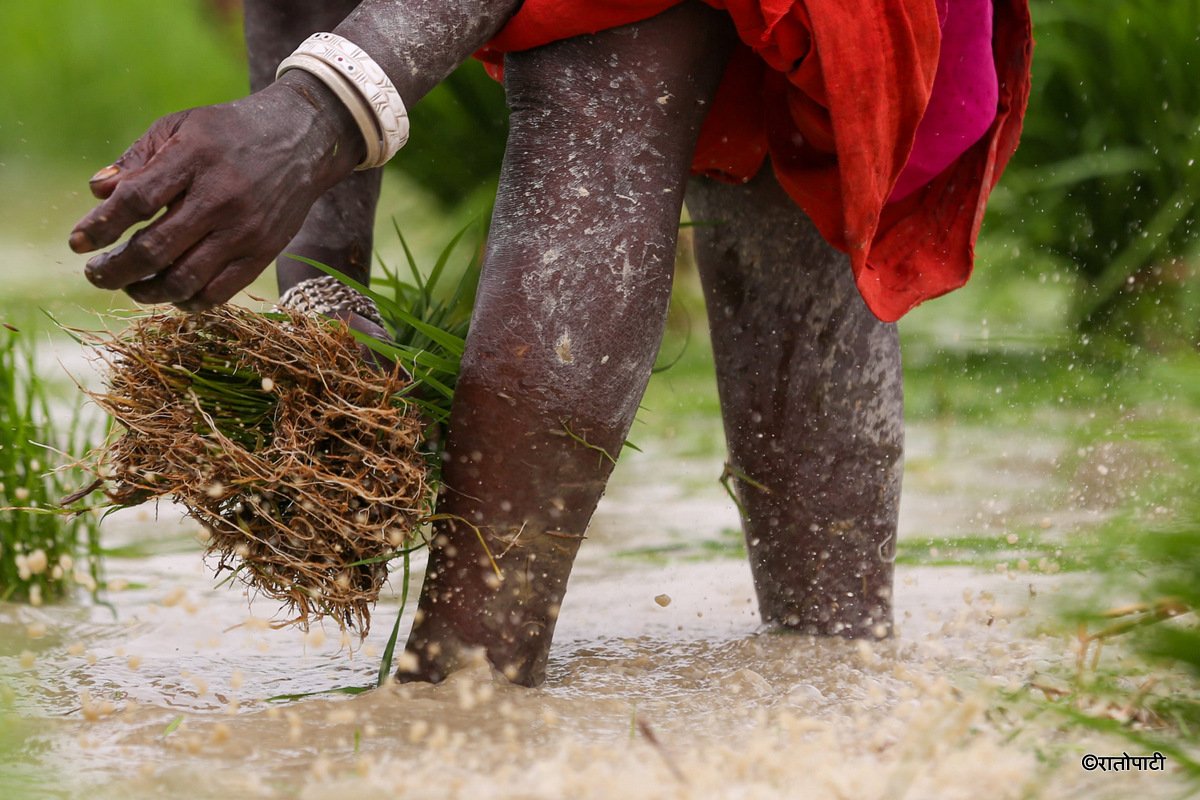
Local farmers state that the cost has increased due to the compulsion to irrigate every four days because of the dry weather. According to the Agriculture Knowledge Center Saptari, 'Chaitra' paddy is being cultivated in approximately 2,500 hectares of land across most of the 18 municipalities in the district, including Bishnupur, Chhinnamasta, Rajgadh, Tilathi Koiladi, Mahadeva, and Rupani. Experts suggest that the yield potential of this paddy is higher compared to monsoon paddy because it is grown during a time of abundant sunshine.
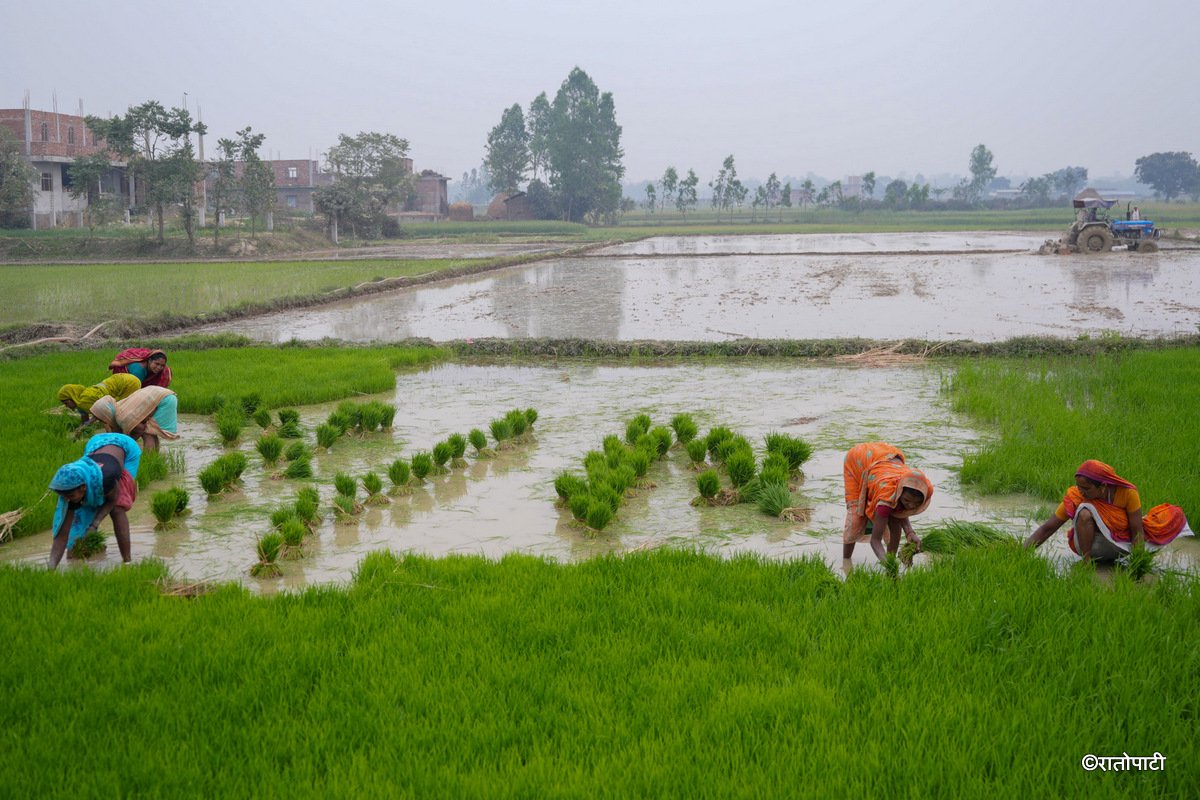
Statistics from the Ministry of Agriculture also show that the productivity of 'Chaitra' paddy is higher than that of 'Asare' (monsoon) paddy in Nepal. While 'Asare' paddy yields 3.74 tons per hectare in Nepal, 'Chaitra' paddy produces up to 4.98 tons. Although 'Chaitra' paddy is cultivated in over 108,000 hectares across the country, the lack of irrigation remains the main problem. It appears that if the new government can ensure irrigation and fertilizer, increasing paddy production could make the country self-sufficient in food grains.
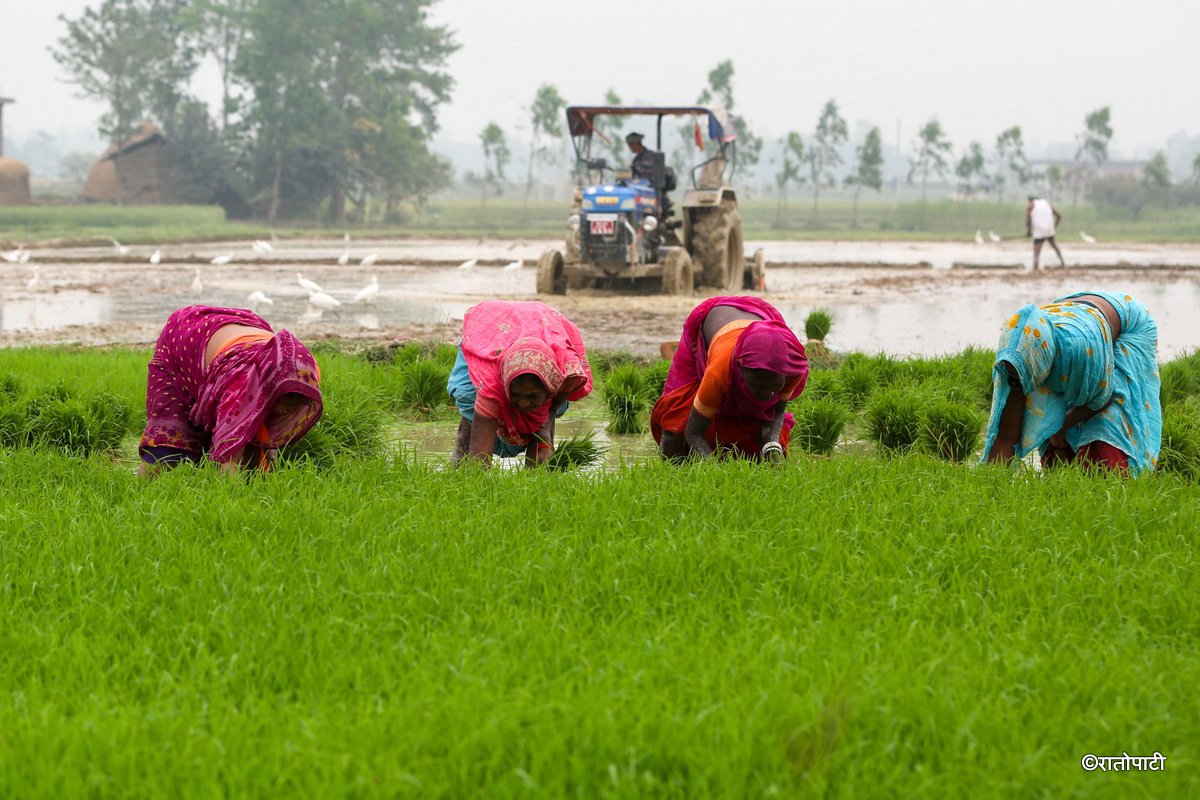
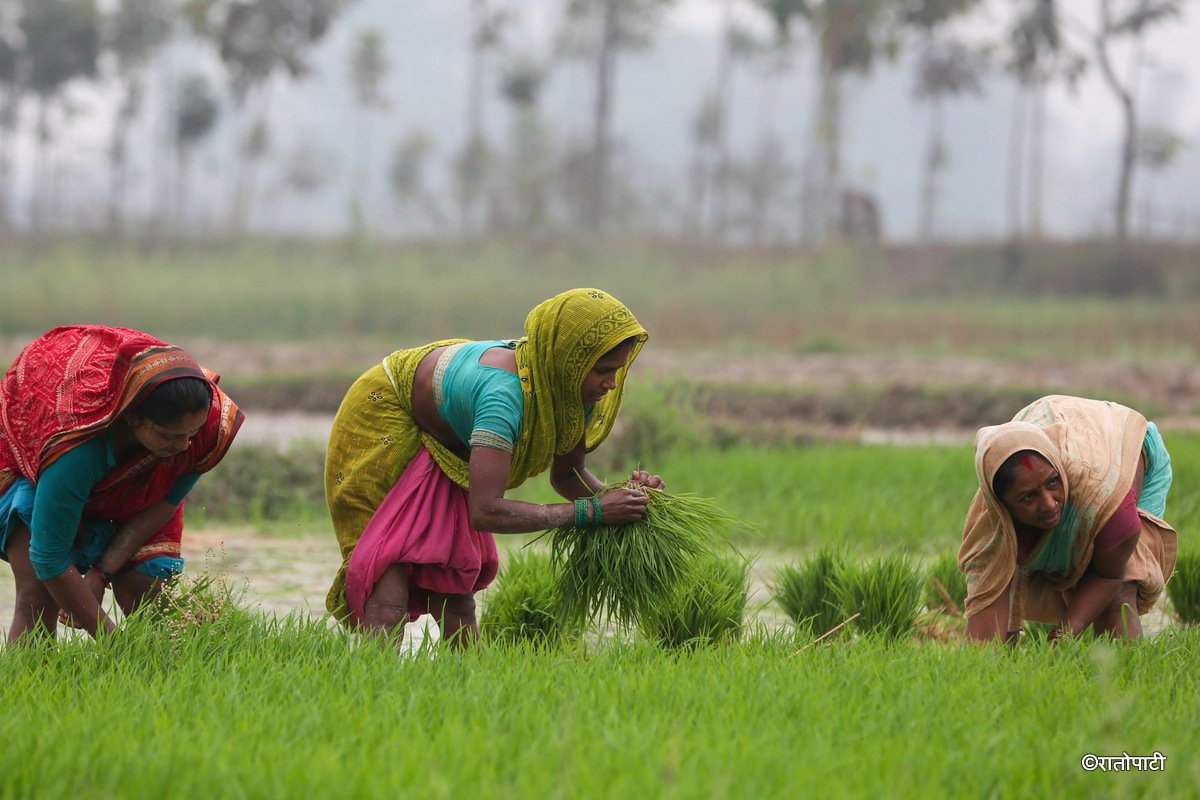
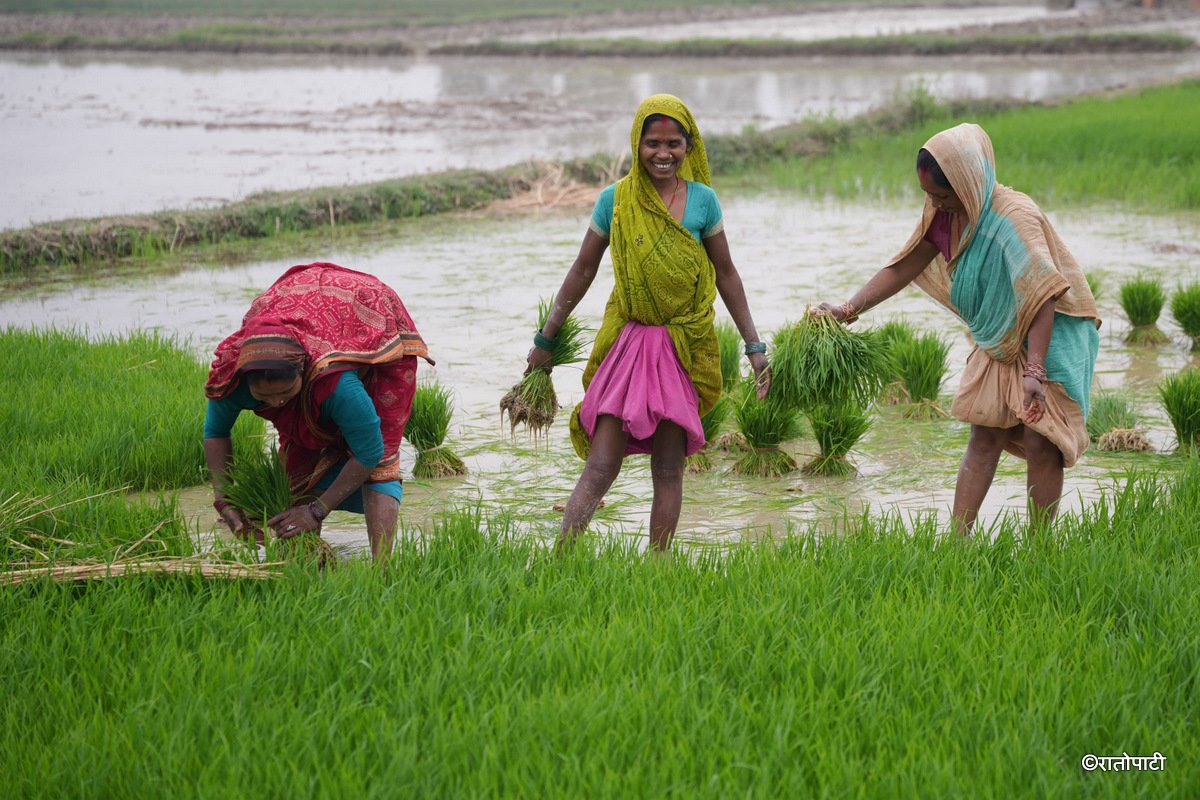
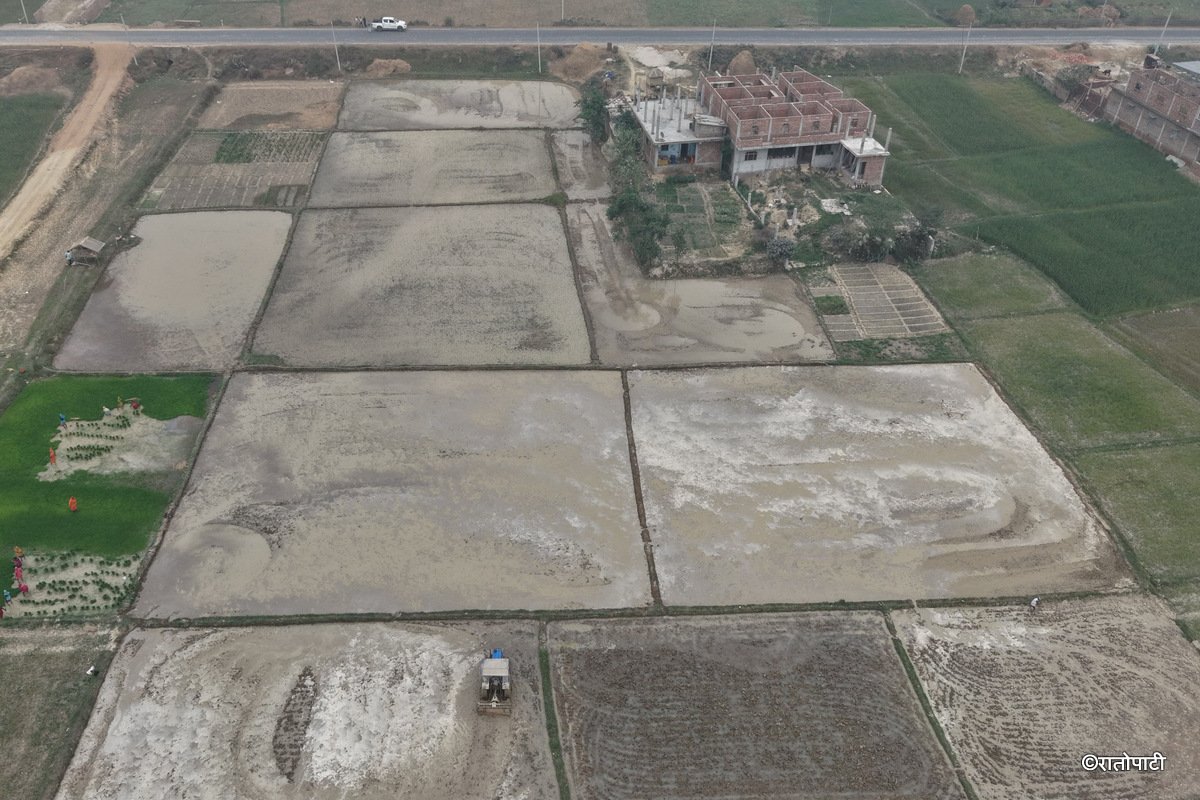
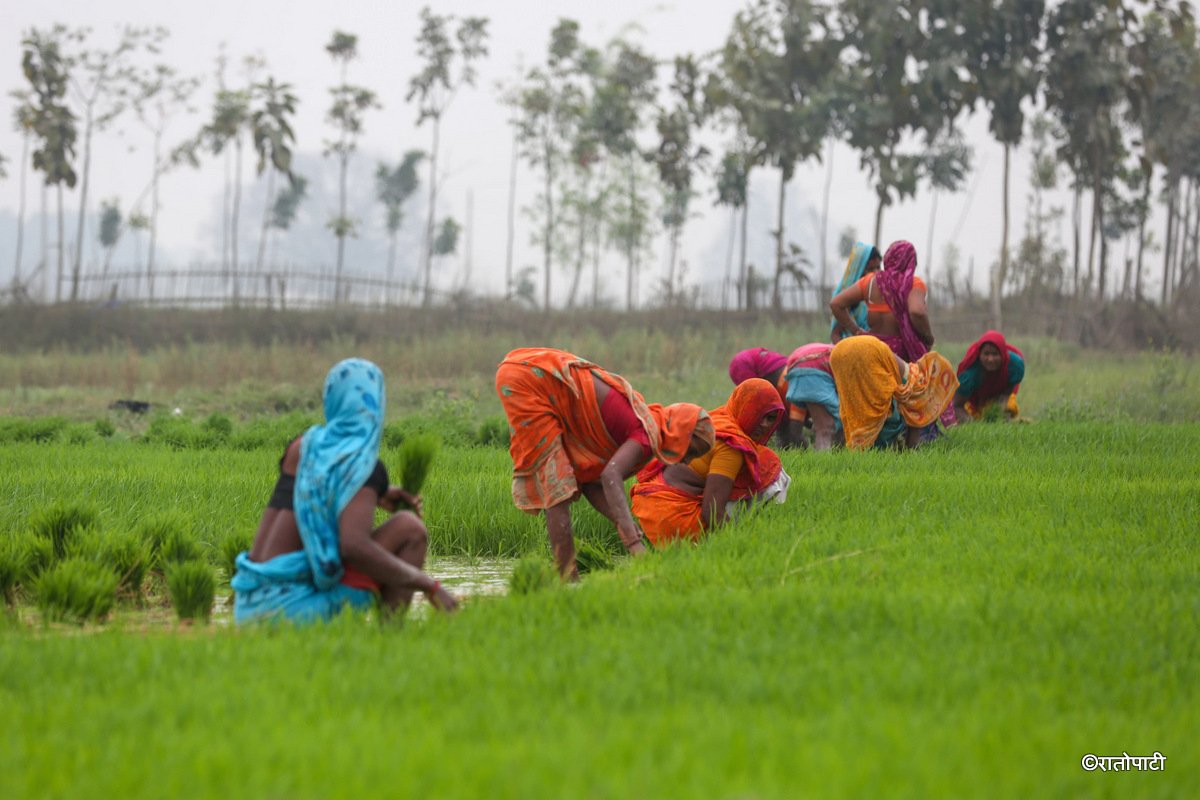
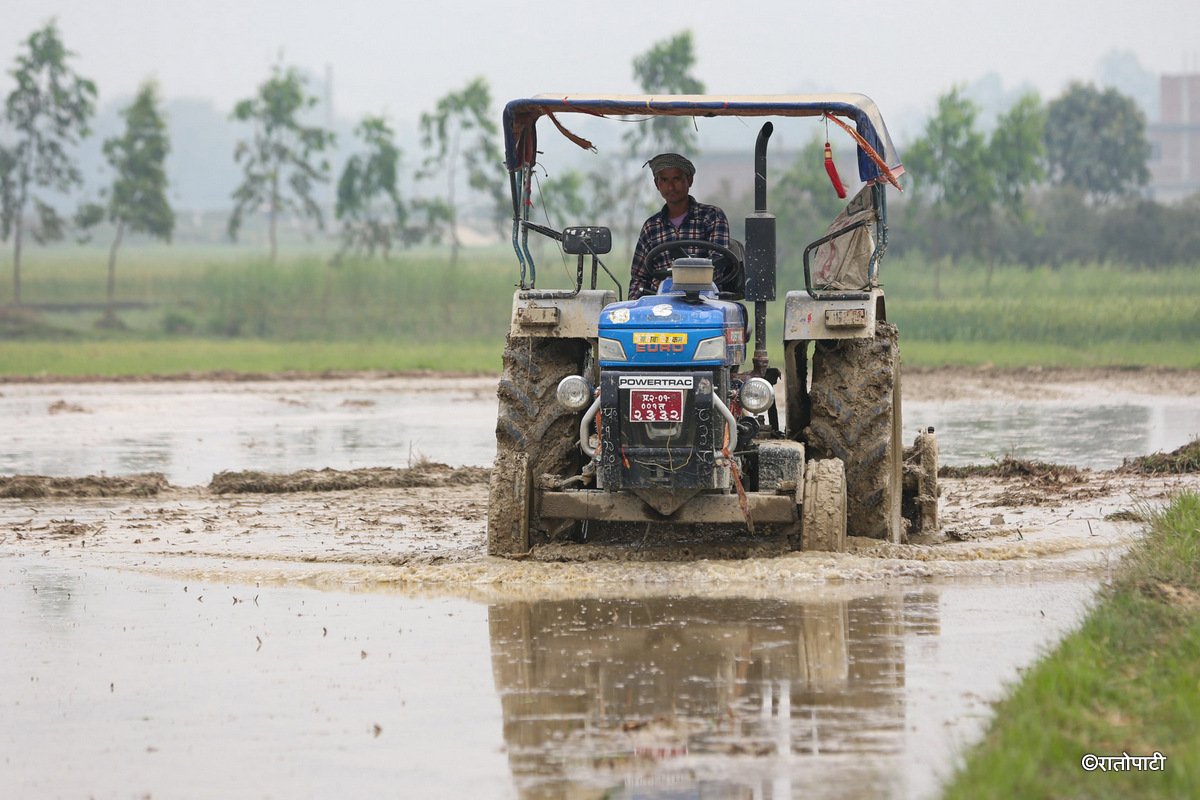
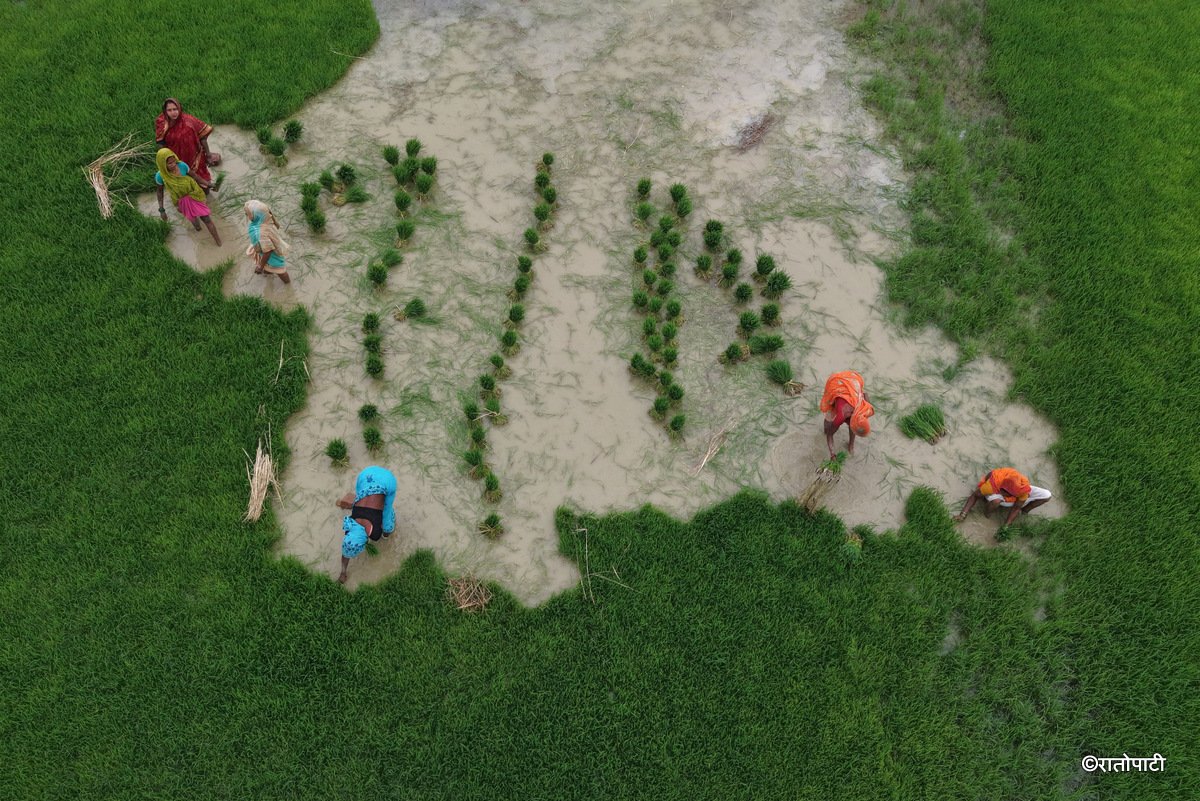
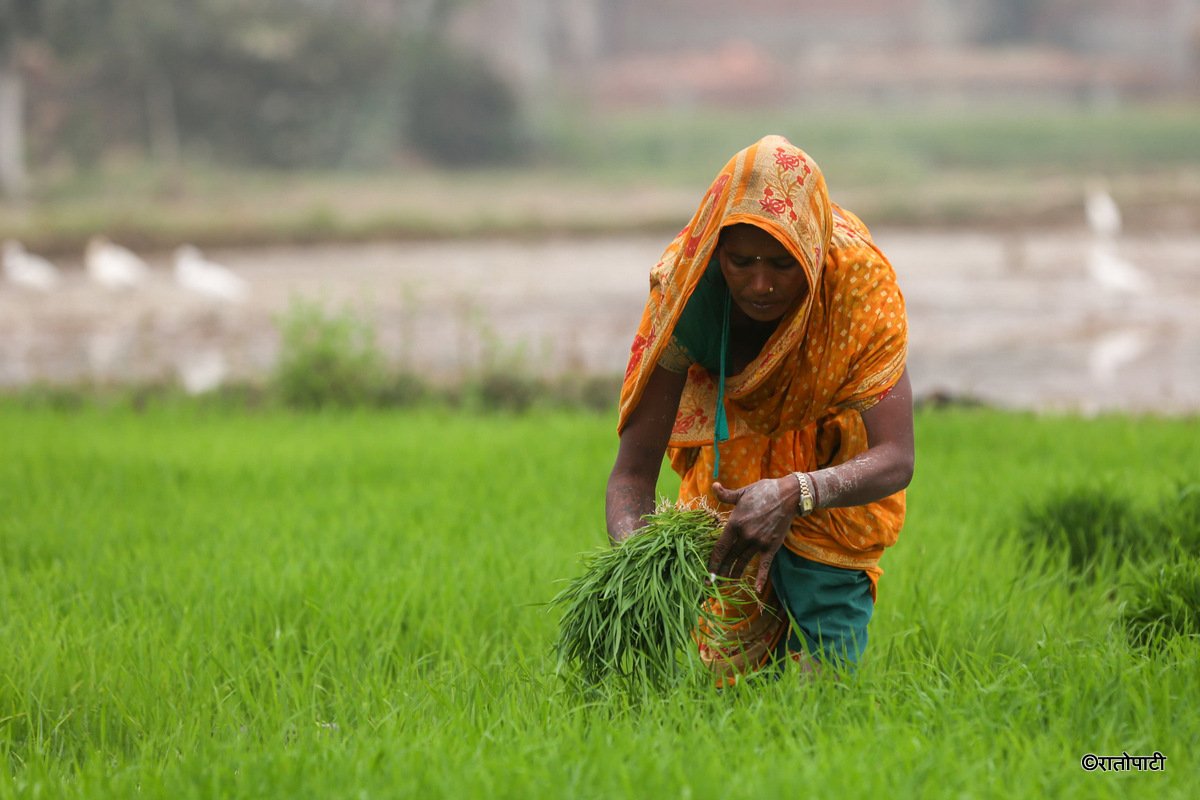
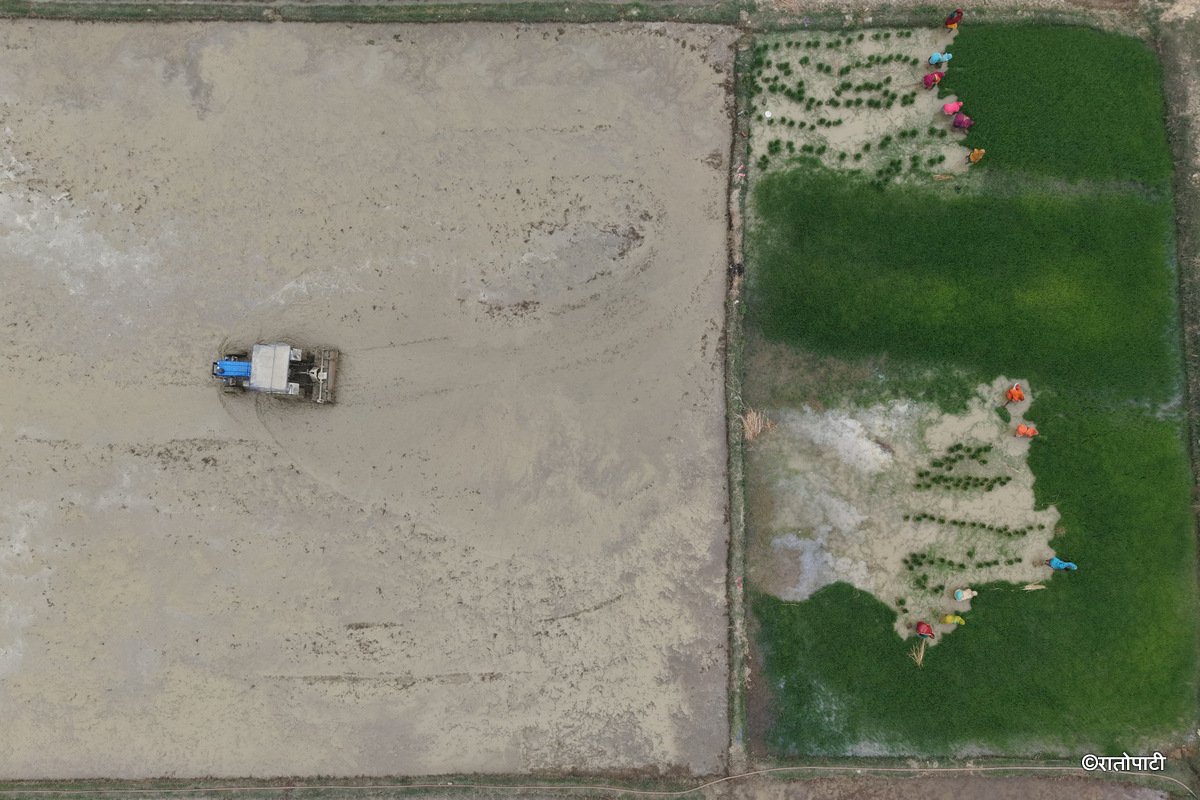
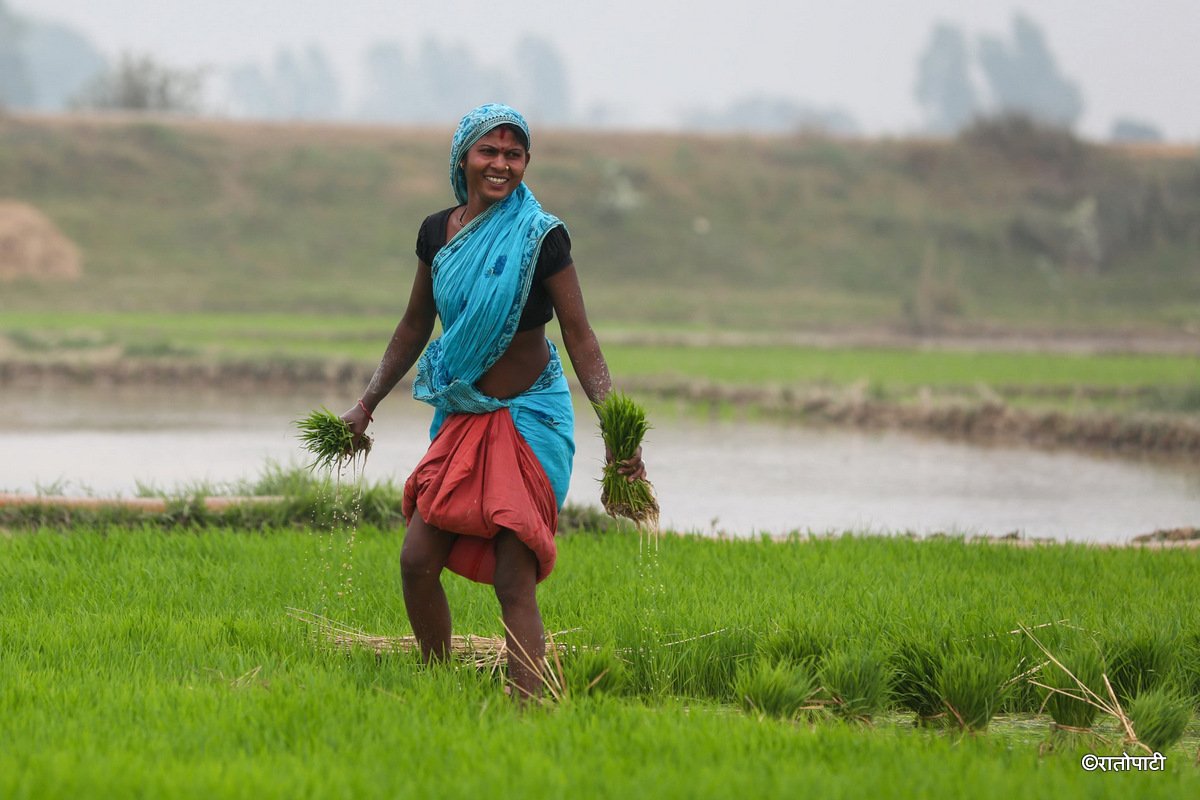
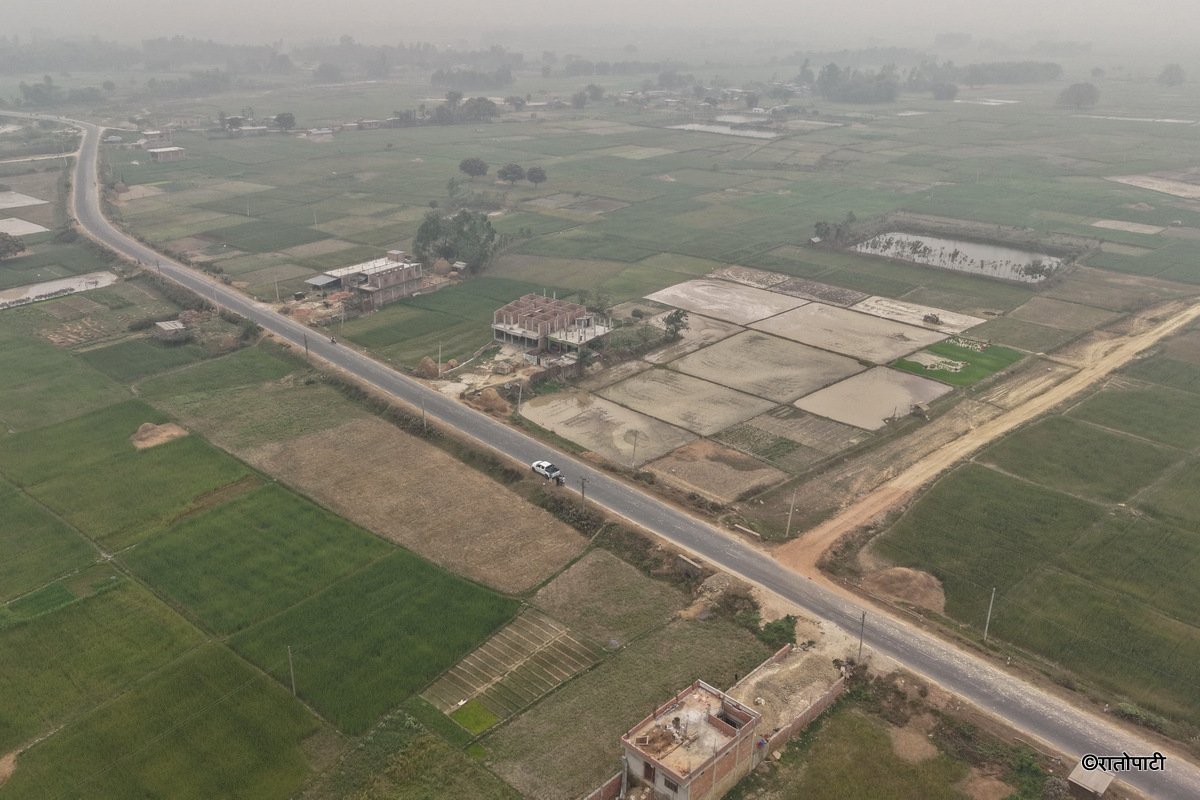
Photo: Bijen Amatya/ Nepal Photo Library
This specific news has been automatically translated by AI. As a result, there may be some inaccuracies or language errors.