Hardik Pandya: The Unconventional All-Rounder Who Delivers in T20 World Cup's Crucial Moments


A decade ago at the Chinnaswamy Stadium, or two years ago at The Oval, he was the one bowling the final over. And on Thursday night at the Wankhede, he was the one who bowled the 19th.
If India is bowling in the second innings of a highly crucial T20 World Cup match, and the game has reached a thrilling stage going into the final over, Hardik Pandya is almost always the one holding the ball in the middle of the field.
Usually, Hardik comes in to bowl immediately after Jasprit Bumrah finishes his final over. Often, Bumrah bowls such an exceptional over that it is talked about for days; that decisive over that tilts the game in India's favor.
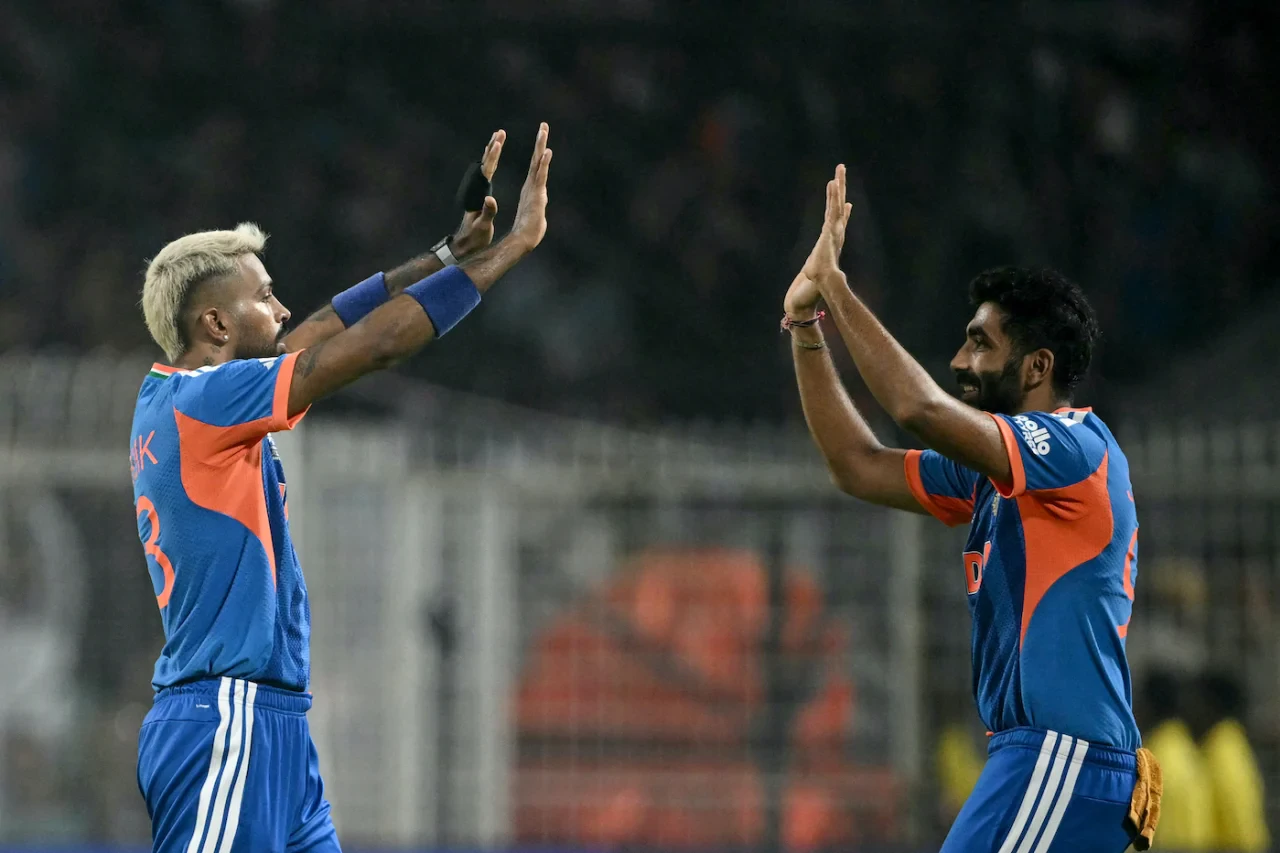
And Hardik completes that unfinished business and wins the match. It is slightly difficult to pinpoint exactly what Hardik does compared to Bumrah, because Hardik does not possess the magical skill or unerring accuracy that Bumrah has. He bowls a good yorker and, when the pitch assists, an extremely effective 'into-the-pitch cutter'. But one cannot say he is the world's best in any single specific art.
Sometimes it seems Hardik just runs in and leaves the rest to fate. He was the bowler when Bangladesh self-destructed needing 1 run off 3 balls. He was also the bowler when Suryakumar Yadav took that historic catch near the boundary line off David Miller, a catch many still doubt touched the boundary.
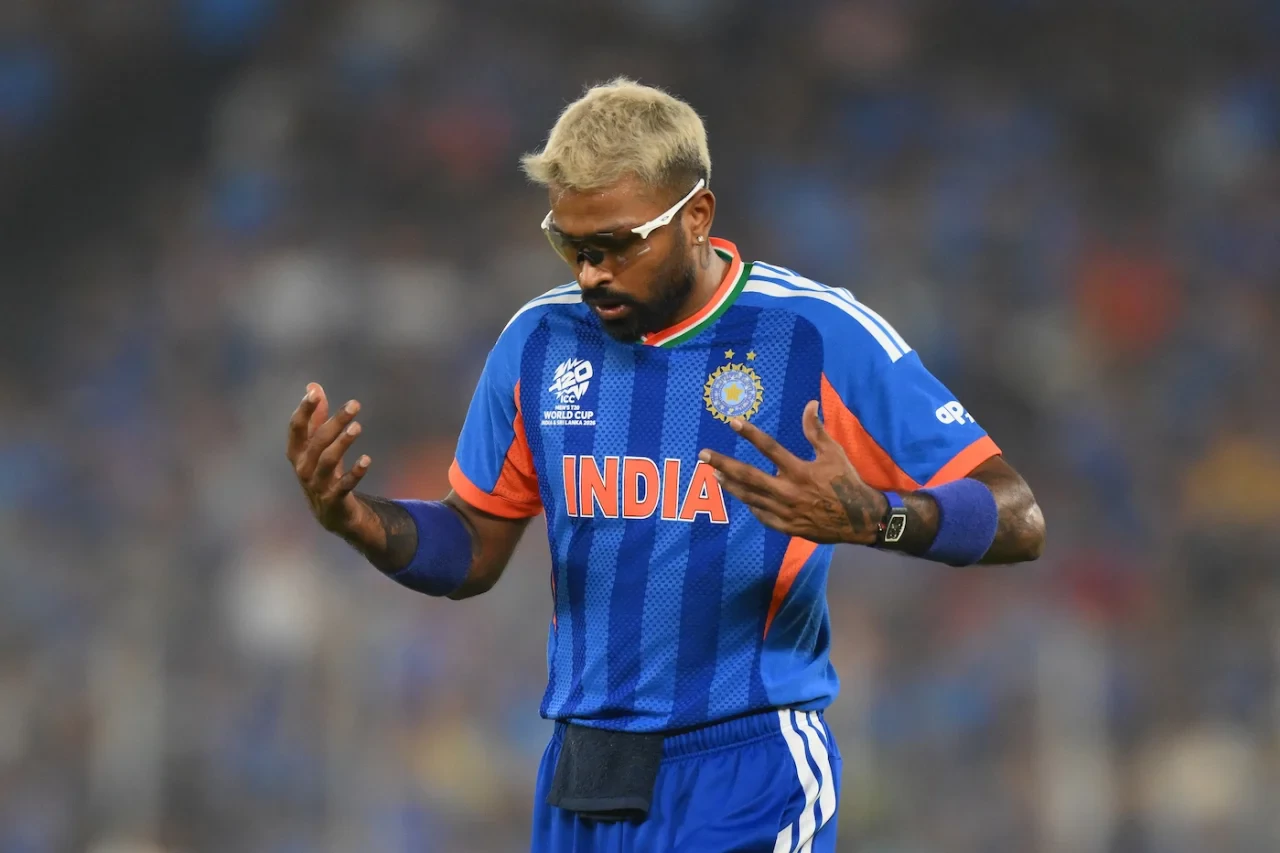
And on Thursday, when Sam Curran was caught by Tilak Varma at midwicket needing 32 runs off 10 balls, it was also him bowling. If the field placement had been a step or two differently, the result could have been different...
In terms of skill, Hardik is not a dangerous death bowler like Bumrah or Arshdeep Singh. But among the 29 bowlers who have bowled at least 100 balls in the death overs (overs 17-20) of the T20 World Cup, his economy rate of 8.23 is bettered by only eight of them.
Here is a list of some legendary bowlers among those 29 with a worse economy rate than Hardik: Pat Cummins (8.24), Arshdeep (8.30), Sam Curran (8.29), Mohammad Amir (8.34), Lasith Malinga (8.57), Kagiso Rabada (8.88), Andre Russell (9.55), Shaheen Shah Afridi (9.65), Dwayne Bravo (9.81), Mitchell Starc (11.2).
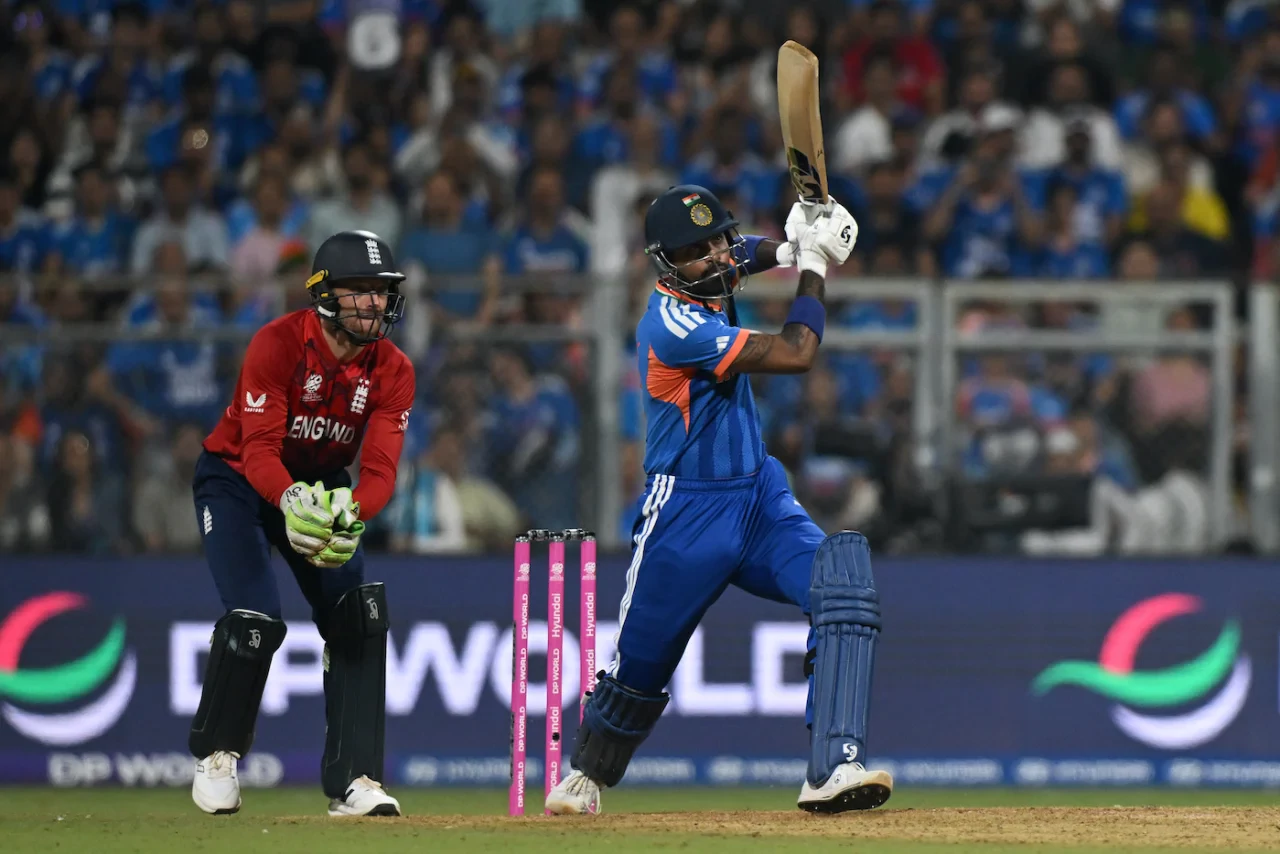
Among those 29 bowlers who have bowled 100 balls in the T20 World Cup death overs, Hardik is the only player who has also faced 100 balls in the death overs as a batter. In fact, no one else has scored more runs (307) in that phase. And among the 13 batters who have scored over a hundred runs, only Virat Kohli (197.50) and Michael Hussey (196.42) have a better strike rate than Hardik (193.08). Unlike Hardik, those two are top-order batters who are usually well-set by the time the death overs begin.
But Hardik often only reaches the crease at that very time. As happened on Thursday, when he opened his account on his third ball by playing a comfortable and spectacular ramp shot to the fine third boundary off Jofra Archer's bowling. He then scored 27 runs off 12 balls, which was the final link in the chain of aggressive and continuous hitting by the Indian batters that took the team's score past 250.
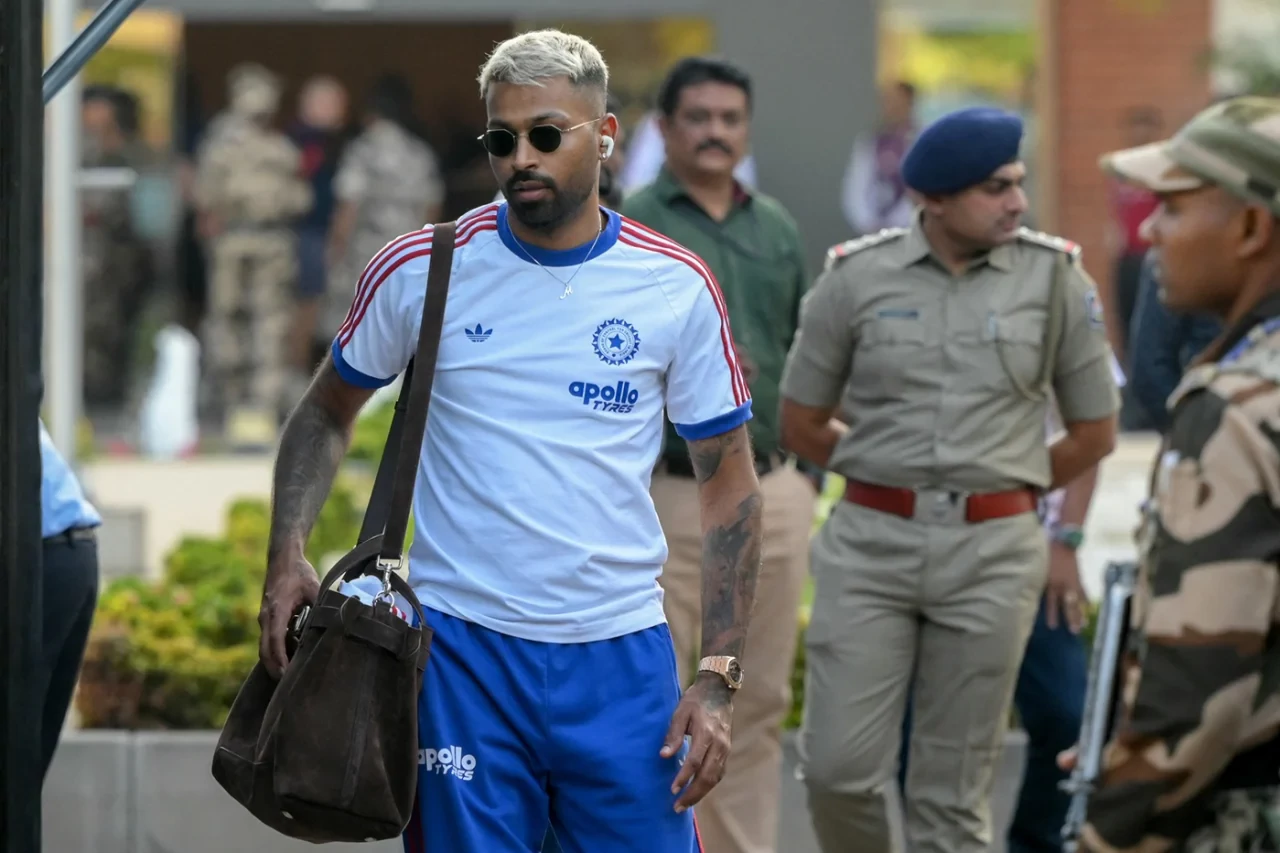
This innings of his and his bowling in the 19th over alone were enough to prove a great day on the field, but that was not his best or most impactful contribution in that night's game.
That was his first over (the second over of England's innings), in which he dismissed Phil Salt with an excellent outswinger. He then bowled four consecutive dot balls (including one leg-bye) to Jos Buttler, where he was swinging the ball both ways. In fact, he was generating swing even while bowling slightly shorter than a good length.
There are not many specialist new-ball bowlers who can perform such magic, and Hardik is not particularly famous for bowling with the new ball. He bowls in that phase because it helps India save Bumrah for later. But if he lacked skill, he would not get this responsibility.
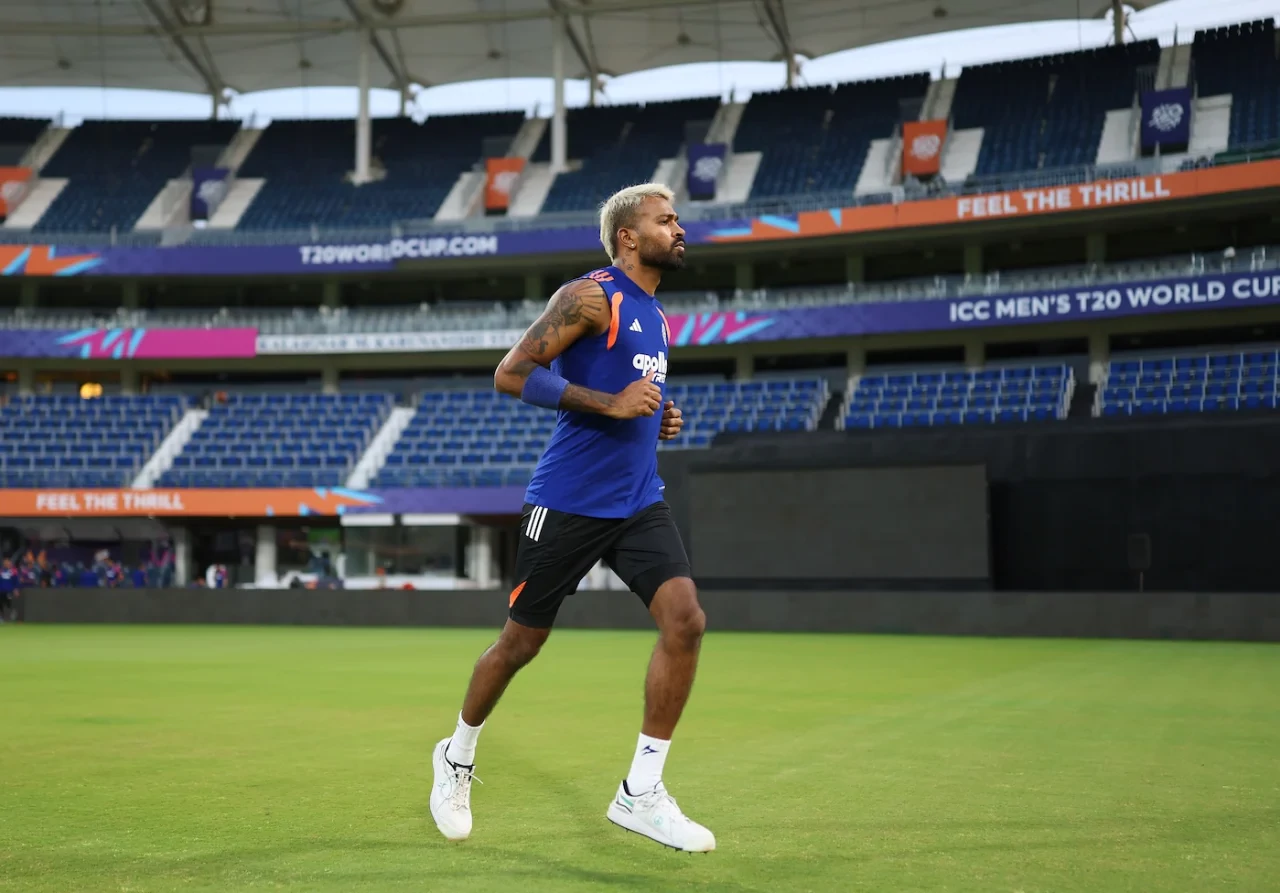
Hardik is not highly renowned for his fielding either, but there is one reason why India always places him in crucial hotspot positions. India would hardly have wanted anyone else at long-off when Jos Buttler hit a hard shot off the first ball of the last over.
Hardik moved quickly to his left, picked up the ball without losing his running momentum, and made an excellent throw while turning comfortably, understanding that the dangerous English batter would run hard to keep the strike.
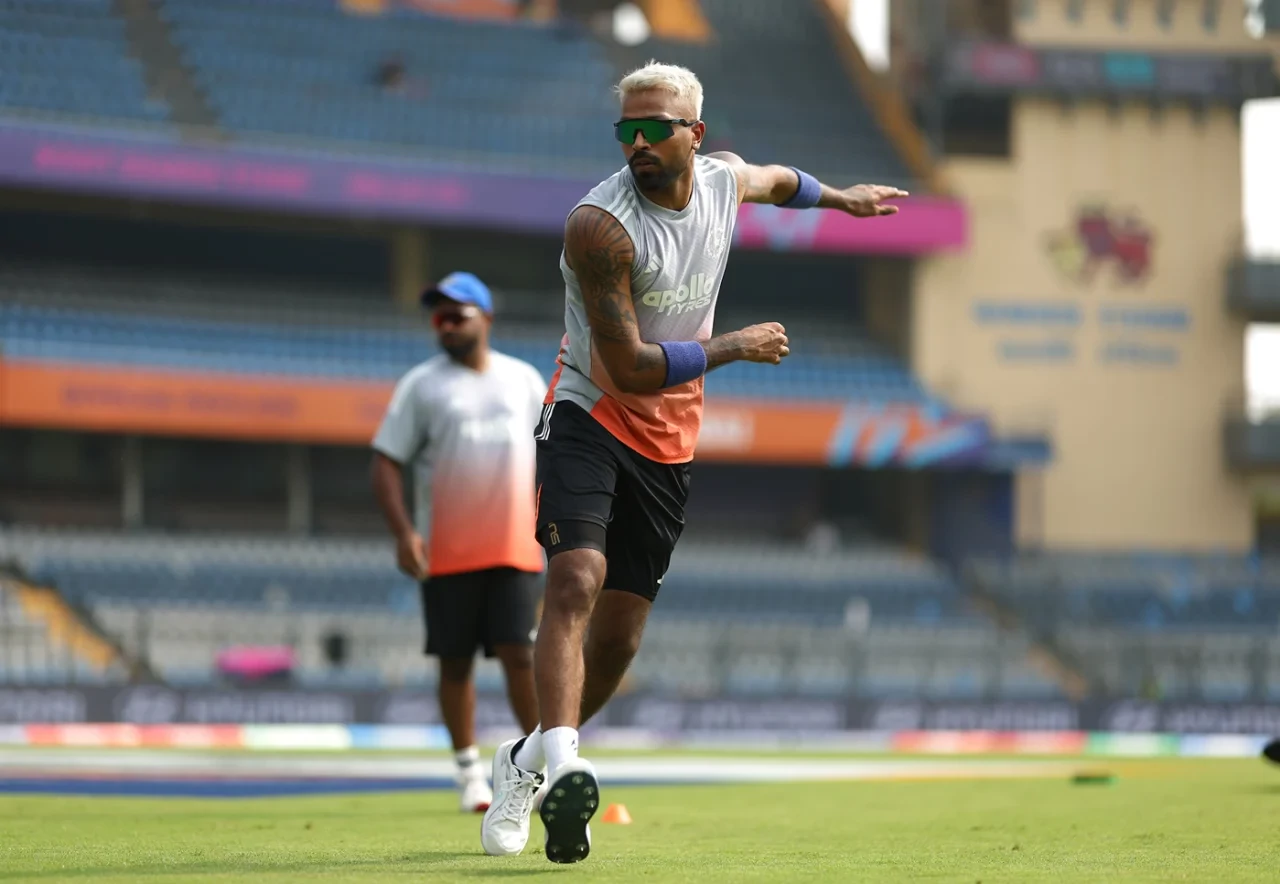
He had already won the semi-final for India by performing excellently with both bat and ball at the start and end of the innings. And finally, with that one excellent piece of fielding, he won the game once again.
Make a list of the elements required to create a seam-bowling white-ball all-rounder in a laboratory. India has had the living embodiment of that for the last decade on the field.
This specific news has been automatically translated by AI. As a result, there may be some inaccuracies or language errors.