China's 'Two Sessions' Convenes: A Look at Key Political and Economic Directives

Beijing. The stage is set for China's largest political gathering, featuring the carefully orchestrated annual meetings of its political advisory body and national legislature. Starting Thursday and typically lasting one to two weeks, these two sessions will signal the priorities for the world's second-largest economy.
Observers will be closely watching whether China sets an ambitious economic growth target, despite struggling to boost domestic consumption. Furthermore, the new Five-Year Plan will be scrutinized to understand Xi Jinping's roadmap for the country.
The dismissal of high-ranking military officials recently under Xi's long-running anti-corruption campaign has cast a shadow over the proceedings. Here is what you need to know about this gathering:
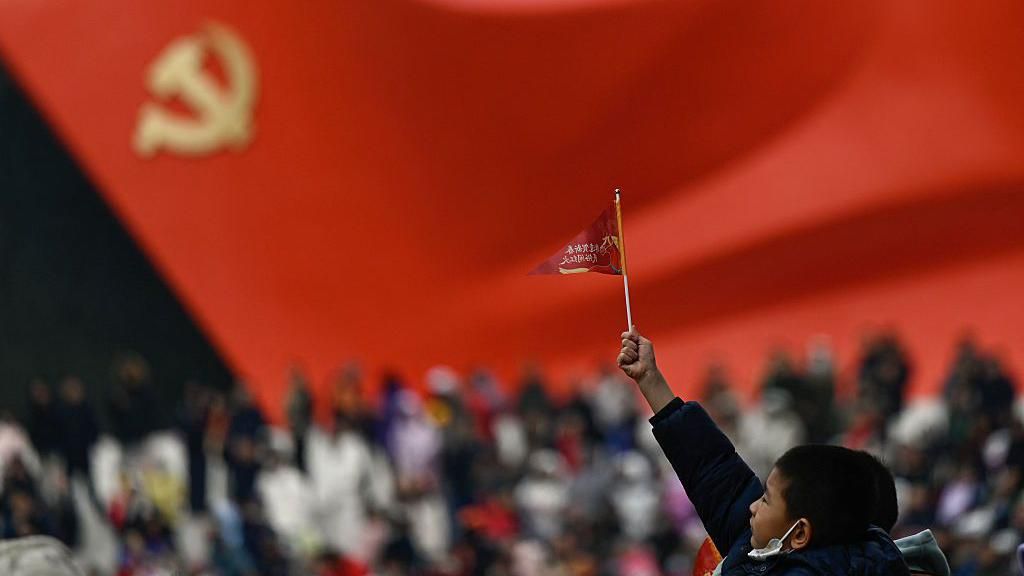
- What are the 'Two Sessions'?
The term refers to two distinct meetings. The first is the session of the Chinese People's Political Consultative Conference (CPPCC), the advisory body, which begins on Thursday. It has over 2,000 members selected not only from the Communist Party but also from various sectors. It is influential, and its discussions offer insight into major policy debates, but it holds no legislative power.
Technically, that power rests with the National People's Congress (NPC), which convenes on Friday. While its broad authority includes making laws, amending the constitution, and passing the state budget, it largely functions as a rubber stamp parliament, approving decisions made behind closed doors by the Communist Party.
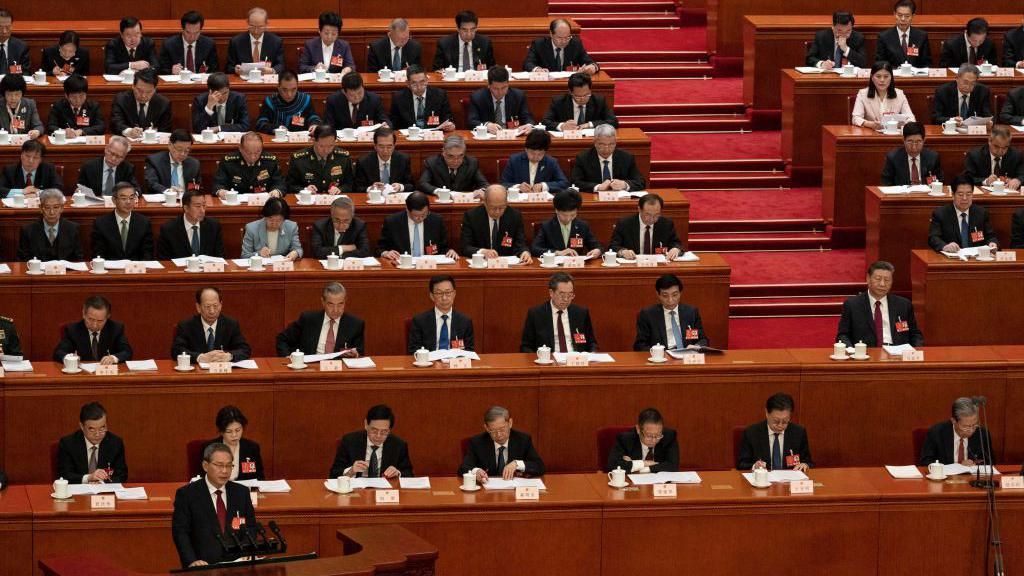
The NPC, established in 1954, meets only once a year. Nearly 3,000 delegates from various branches of government, including all provinces, autonomous regions, municipalities, and the armed forces, will travel to Beijing to attend the NPC. Most of them are Party members or government officials, and their term lasts five years each. Its real influence lies in the small Standing Committee elected from the Congress delegates, which meets every two months.
The current Standing Committee has 175 members and is chaired by Zhao Leji, who is also a member of the Communist Party's Politburo Standing Committee (an organ equivalent to China's cabinet).
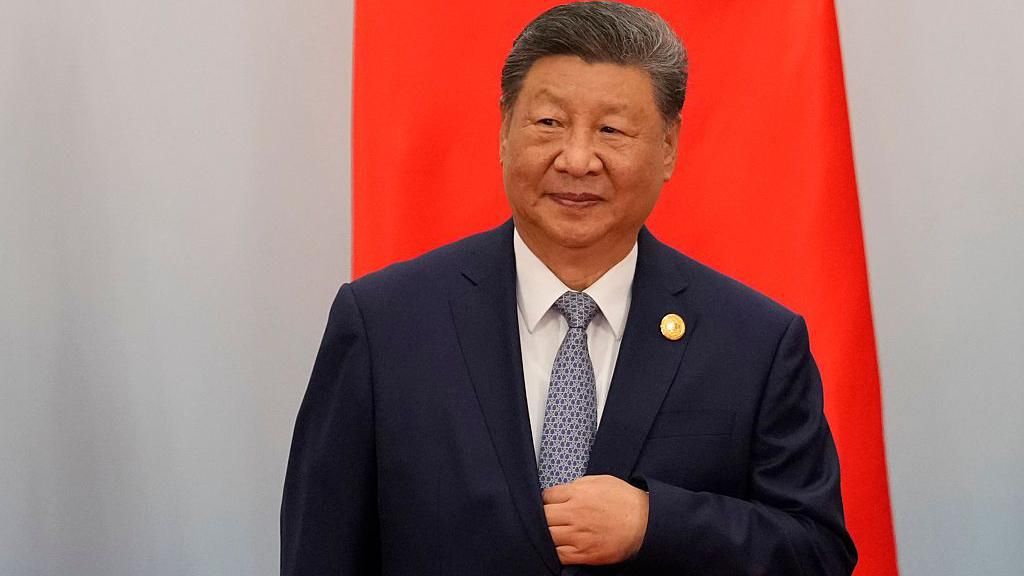
- Is the NPC just a rubber-stamp?
In short, no. But that certainly doesn't mean it's irrelevant for those wanting to understand where China is headed.
Although it is a highly managed event, featuring speeches approved by the Party and press conferences where pre-selected questions are asked, these messages signal the Party's goals and ambitions for China. Furthermore, it offers a rare glimpse into the workings of the Chinese government.
In past decades, when the Communist Party initiated market reforms to open up the economy, its direction emerged from these annual meetings. The same held true when Xi began expanding state control over the economy.
In addition to economic policies, past reports have included China's campaign to improve sanitation and calls to boost the country's 'soft power.'
- Why is this important for the rest of the world?
From electric vehicles and solar panels to humanoid robots and AI apps, China's industrial and technological influence has expanded rapidly in recent years. These developments follow a state-directed roadmap transforming the country's status from the world's factory to a global technological power.
This is not coincidental but the result of deliberate government strategy. This was evident in the language used in previous NPCs, so analysts will be closely watching this year's Congress for clues about what comes next.
Policy changes that sound minor in China can create ripples that eventually become large waves worldwide. Speeches may sound long and tedious, but they contain emphasis points that can signal significant attention and financial support for, for example, specific industries.
Moreover, this year's NPC is taking place as world leaders seek stable relations with Beijing, given how unpredictable a second Trump presidency might be. Western leaders, including UK Prime Minister Keir Starmer and Canada's Mark Carney, have been flocking to Beijing in recent months.
- What to expect this year?
A key topic of discussion this year is a law concerning ethnic unity, which human rights advocates warn could be used to further entrench repression against minority groups.
Coming after officials in Tibet, Xinjiang, and Inner Mongolia have already significantly cut back on education in local languages, this seeks to elevate the importance of Mandarin at the expense of other minority languages. It also encourages interethnic marriage between the majority Han Chinese and ethnic minorities and bans any act that harms ethnic unity. According to the draft law, parents and guardians are required to teach and guide minors to love the Chinese Communist Party.
This Congress is also set to pass an ecological and environmental code that will cover aspects such as pollution control, ecological conservation, and low-carbon development.
The highlight of the NPC is the government work report presented by the Premier, which reviews the previous year's performance and sets the policy agenda and economic targets for the coming year.
The report will include this year's economic growth target. In recent years, this target has been around 5%. Setting a lower target would signal significant pressure for slower but higher-quality growth in China.
This year's NPC is also significant because delegates will approve the next Five-Year Plan, the roadmap China will follow from 2026 to 2030.
This document will give the world clarity on Beijing's long-term economic goals, especially in high-tech and renewable energy sectors, as well as plans to boost sluggish domestic consumption.
Observers closely tracking Chinese affairs will look for empty seats at the Congress. The absence of delegates at such a major political gathering is sometimes an indication that they are in trouble.
Xi has already removed many top military officials in recent months, including nine who lost their NPC delegate status last week and three who lost their CPPCC delegate status this week. Officials in many other sectors have also gone missing, but the People's Liberation Army (PLA) has seen the most dismissals and resignations across all NPC delegations this term.
This specific news has been automatically translated by AI. As a result, there may be some inaccuracies or language errors.