Middle East Tensions Spark Concern for Nepali Workers; Commodity Prices Surge


Kathmandu. The Middle East is currently tense. Following attacks by the United States and Israel on Iran, and Iran's subsequent counter-attack, Gulf nations considered major destinations for Nepalis, including Qatar, the United Arab Emirates (UAE), Saudi Arabia, Bahrain, and Oman, have become volatile. It is reported that over 2 million Nepalis are employed in these countries alone.
During the counter-attack, Iran is currently targeting US military airbases located in these countries. Although the US military's defense systems are neutralizing most of the missiles launched by Iran, an atmosphere of fear remains prevalent across all these nations.
What is the status of citizen safety?
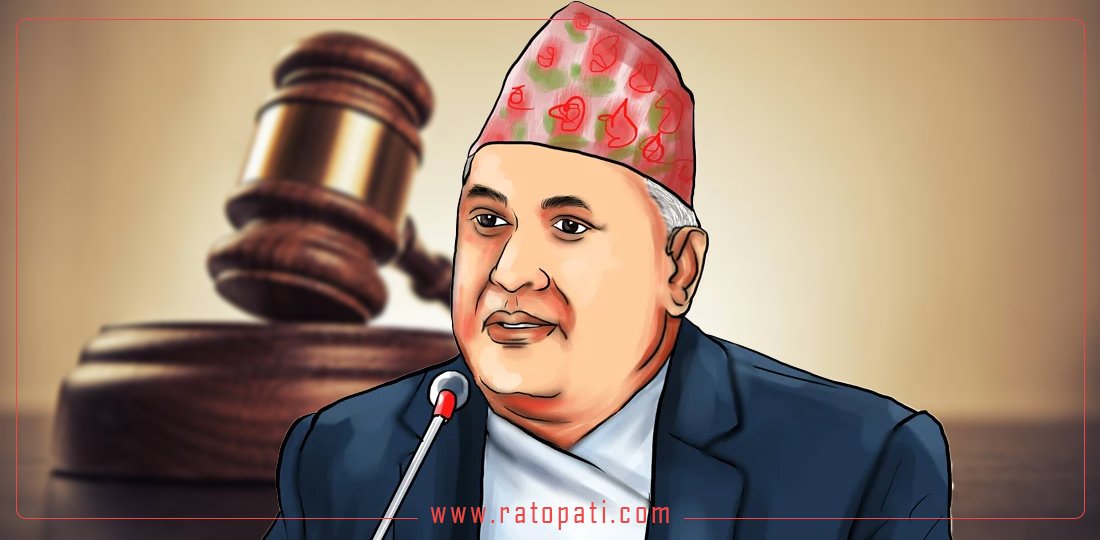
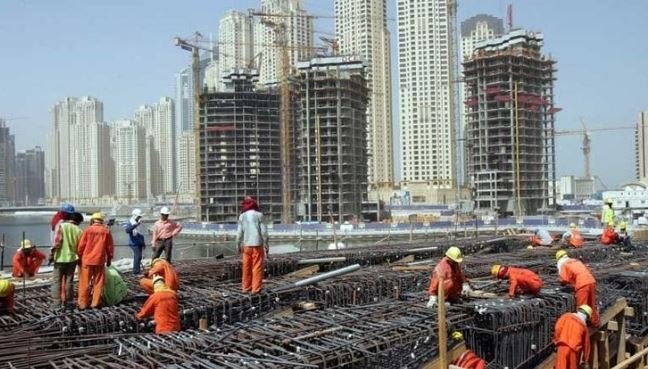
Although there is conflict between the two sides, civilians have not been directly targeted so far. Ramesh Poudel, the Nepali Ambassador to Qatar, stated that Iran is targeting US military camps in any country. However, he mentioned that fragments of neutralized missiles are falling in areas surrounding the conflict zones, affecting people there. Ambassador Poudel noted that this situation is somewhat less severe for Nepalis. "Nepalis are generally employed in domestic work, hotels, restaurants, and the construction sector. These areas are currently a bit far from the airbases. Therefore, many Nepalis have not been affected yet," Poudel said, "but the situation of 'what if' always remains."
Meanwhile, there is no issue in Iran itself as it is not a primary destination for Nepalis. Poudel, who also holds responsibility as the Ambassador to Iran, stated that the number of Nepalis there is very small. "According to our data, there are only 12 or 13 Nepalis in Iran right now. We are informed that they are working in embassies of countries like India," he said. "Since American and Israeli forces will not attack foreign embassies, there is no major concern regarding the safety of Nepalis there."
New Employment Halted Immediately
With the onset of the conflict, almost all destination countries in the Middle East have suspended air services. This situation has left Nepali workers and travelers traveling to or returning from Nepal stranded. Specifically, travelers who had secured visas and were preparing to leave Nepal for these countries are stuck in Nepal, and Nepalis whose tourist or work visas are expiring and were due to return are also stranded.
Ambassador Poudel suggests that as long as the situation is not normal, the demand for Nepalis in those countries is unlikely due to transportation and internal factors. He noted that if the war drags on, the employment of currently working Nepalis could also face problems. However, he remains optimistic that the ongoing efforts to end the war will bring a quick resolution.
Ambassador Poudel mentioned that Oman reacted strongly immediately after the war began, urging for a resolution. He believes that since other countries also do not want the conflict to prolong, the situation will not last for a very long period.
Since Iran is a predominantly Muslim country, it shares empathy with citizens of other Middle Eastern nations. Ambassador Poudel's experience suggests that other countries also share similar empathy towards Iran. However, the problem lies in whether they accept the US security policy or not. Because of this, he stated that the current conflict is unlikely to escalate to the civilian level.
Oil and Gold Prices Skyrocket, Signs of Further Increase
The tension in the Middle East is likely to cause a major surge in international commodity prices. About 20 percent of the world's fuel supply originates from this region, exiting through the Persian Gulf, which runs between Qatar and Iran. The current conflict is affecting oil production on one hand, and if Iran gains control over the Gulf, oil supply could be halted. This situation is projected to cause a sharp increase in crude oil prices.
On Saturday alone, the price of crude oil in the international market increased by 2.87 percent.
Gold and silver prices have also seen volatility. On Sunday, the price of the yellow metal (gold) increased by 1.94 percent, while the white metal (silver) increased by 7.59 percent in a single day. In Nepal, on Sunday alone, the price of gold increased by NPR 5,600 per tola, and silver increased by NPR 245 per tola. These prices are expected to rise further in the coming days.
Ministry of Labor Begins Discussions with Stakeholders
Following the tension in the Middle East, the primary destination for labor, the Ministry of Labor, Employment, and Social Security has held necessary discussions with stakeholders. The Ministry consulted with the Nepal Association of Foreign Employment Entrepreneurs (NAFEA) and other organizations.
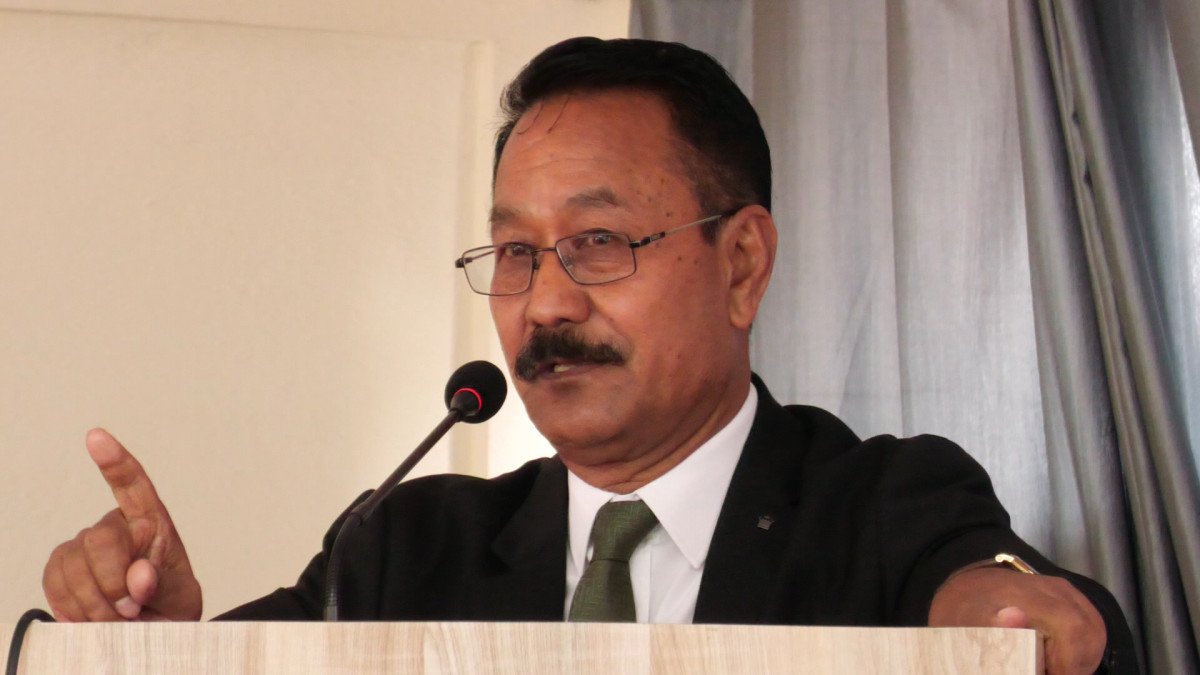
During the discussion, it was decided to coordinate with the Association to arrange accommodation and food for Nepalis who have already purchased tickets and reached the airport to travel abroad. Basanta Kumar Bohora, a director at the Ministry of Labor, informed that discussions were held with consuls and labor attachés from various countries regarding the situation in their respective countries and the security of workers.
Bohora stated that decisions regarding the rescue of workers and necessary assistance to be provided in those countries will be made following these discussions. The Ministry is preparing to provide dedicated hotlines and contact numbers to receive information from Nepalis requiring rescue.
The Ministry also discussed Nepalis flying to their destinations via Delhi airport with the airport immigration authorities. However, the Ministry stated that the number of Nepalis there was found to be insignificant, and if such a situation arises, the embassy is prepared to manage necessary arrangements for them.
This specific news has been automatically translated by AI. As a result, there may be some inaccuracies or language errors.