Tanahun-1 Election Ground Zero: Nepali Congress Candidate Govinda Bhattarai Discusses Development, Youth Issues, and Political Landscape
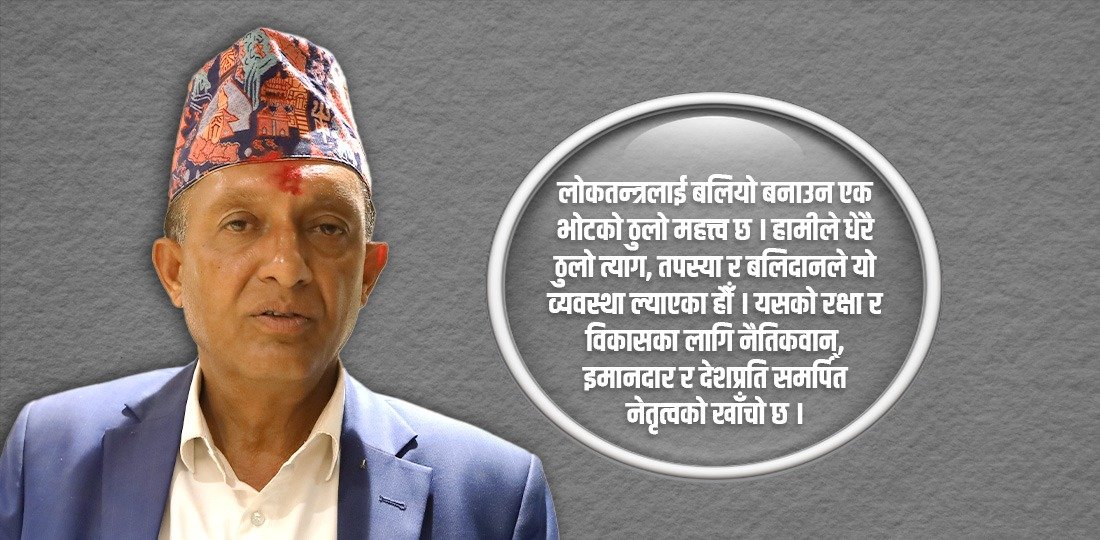
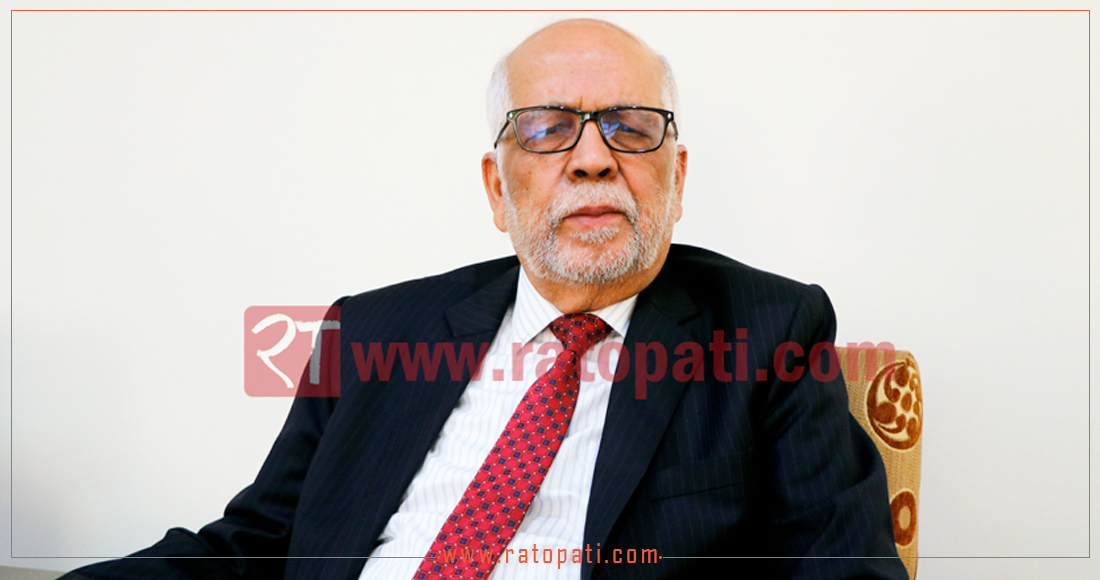
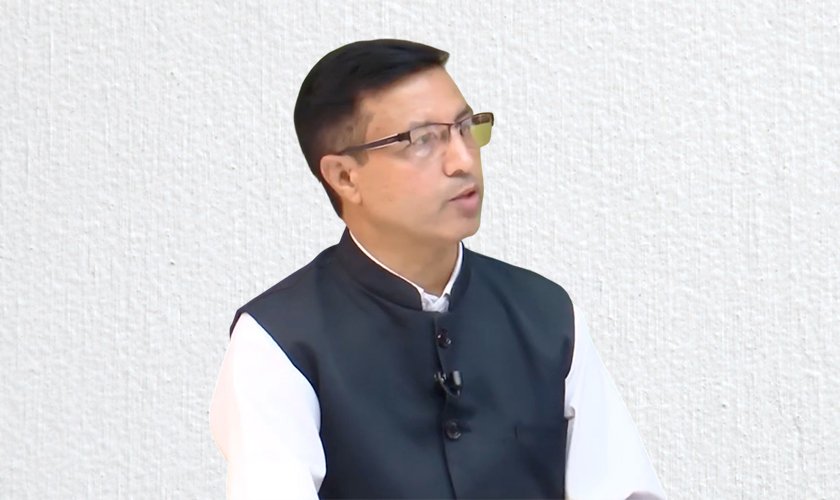
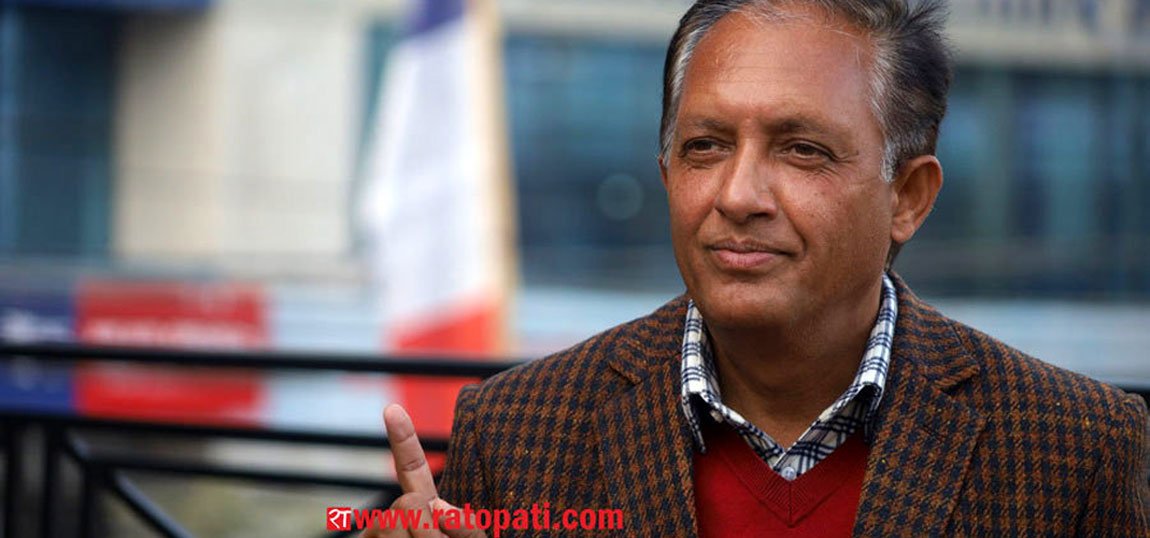
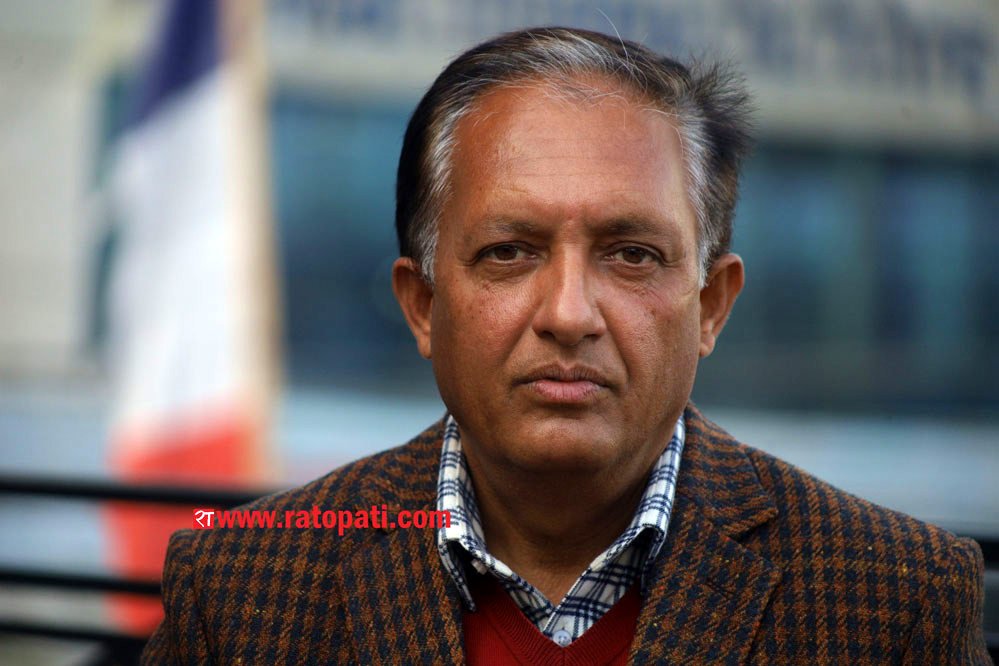
Kathmandu. Govinda Bhattarai is the candidate for the upcoming House of Representatives election in Tanahun Constituency No. 1. Bhattarai, who has maintained an image of an active and dedicated leader for a long time, is known as a clear speaker and a development-oriented leader. Known by the nickname 'Pani Manche' (Water Man), Bhattarai has established a distinct identity in the district due to his contributions to basic development such as drinking water, roads, and education.
As the election approaches, here is an interview focused on development agendas, the changing political situation, the rise of new parties, and the future of Tanahun with candidate Govinda Bhattarai.
You are the candidate for Tanahun Constituency No. 1 from the Nepali Congress. This constituency covers 42 wards of Tanahun district. How is the current election campaign progressing, and what kind of feedback have you received from voters during your door-to-door canvassing so far?
The election campaign is currently moving forward at a very fast pace. We are reaching every village and every locality. To be honest, I have found the feedback from the voters to be very positive and encouraging. This is a matter of happiness for me.
During the campaign, we also reviewed some past actions. We realized that we made some mistakes earlier, which now need to be corrected. In the past, we used to form opinions based on social media or external rumors. But when we reached the people's doorsteps, we found the reality to be different. I believe that after direct meetings and dialogue, we are now being freed from the illusions and influences that shaped our previous perceptions. The people have voiced their grievances, but the campaign has made it clear that their affection and trust still lie with us.
You mentioned making mistakes earlier. What kind of mistakes were they, and how are you correcting them now?
In politics, many opinions are formed based on the influence of social media and listening to others. When we form opinions about issues we haven't experienced firsthand on the ground or when we lack proximity to the people, those opinions can turn out to be different from reality.
The main objective behind how we voted or what we hoped for in the past was development. Development is the main issue in the villages. However, there is a complaint that the delivery, meaning service provision and the pace of development, did not happen as expected by the people. In some instances, issues that shouldn't have been raised were brought up, which created some confusion among the people. But what I see now is that the mindset of most voters has changed.
They have understood that one must choose the person who works continuously and stands by them in times of joy and sorrow, not based on momentary impulse or rumors. Therefore, this positive change in the psychology of the voters is encouraging us. We have intensified direct communication with the people, which is erasing the distance of the past.
As you head into a new election, the current situation is significantly different from the last time, especially with the atmosphere of the Gen Z movement and the aspirations of the new generation. What agendas are you taking to the public?
Certainly, times have changed, and voter priorities have also shifted. As far as Gen Z or the new generation is concerned, the Nepali Congress is the party that has most closely felt this movement and sentiment and is rapidly bringing changes within its party structure. We are transforming the party to address youth issues, which is an important aspect.
On the other hand, the core agendas that need to be addressed in the election are education, health, employment, and economic prosperity. Although these topics sound traditional, they are the basic needs of the people. Our debate now must focus on how to bring economic prosperity. Which sectors should we focus on? How to create employment? What is the practical framework, not just slogans? I have explained this in detail in my commitment letter. I have made the clear model for job creation and avenues for economic earning my main agenda.
What are your plans for transforming employment opportunities, education, and health sectors in Tanahun Constituency No. 1 over the next five years?
Tanahun-1 is not an ordinary area; it is a place full of vast potential. If the existing possibilities and foundations here are mobilized correctly, it can contribute to the economic prosperity not only of Tanahun but of the entire country.
I consider four things here as the basis for prosperity. First, Damouli (Tanahun), the birthplace of Ved Vyas, which has religious and historical significance. Second, Devghat, a holy pilgrimage site considered the abode of gods and the primordial confluence (Adi Prayag). Third, Chhimekswori Temple, considered the elder sister of Manakamana. Chhimekswori has not received the publicity it deserves. If infrastructure can be built there, tourists coming to Manakamana can be drawn there. Fourth, the birthplace of Adikavi Bhanubhakta Acharya, the heritage of Nepali language and literature. These places can become global destinations for religious, cultural, and literary tourism.
Besides these, agriculture and hydropower are major bases for development. The 140 MW Seti Project is in the final stage of construction. The PPA for Lower Seti is about to happen, and the survey is complete. The old Marsyangdi Project is also in our area. By utilizing the rivers here and building dams, it is possible to create a lake as large as or larger than Fewa Lake, which could revolutionize tourism.
These projects require extensive investment. If we can bring investment here, it can provide employment not only to the youth of Tanahun but to youth across the country. I plan to connect the youth with information technology, address climate change issues, and develop our towns as modern, well-equipped cities.
If we can capitalize on our geopolitical location between India and China and the religious significance here (the center of faith for nearly 1 billion Hindus), our economy will be transformed. A religious circuit can be created by connecting Lumbini, Muktinath, Pashupati, and Devghat. I have drawn a blueprint for development by integrating all these aspects.
Congress has won from this constituency many times. The current President, Ram Chandra Poudel, also won from here. How can the public trust that you can complete the tasks that they could not or left unfinished during their long tenure?
This is a very important question. We must understand that yesterday's priorities and today's priorities are vastly different. I myself campaigned for Ram Chandra Dai in the 2048 election. At that time, there was nothing in Tanahun except the Prithvi Highway. We used to walk to reach all places.
I recall an interesting anecdote: during the '48 election, our team of five (Rabikala Neupane, Uday Gauli, myself, an assistant, and Ram Chandra Dai) had Ram Chandra Dai carrying 'satu' (roasted gram flour) made by his daughter from Kathmandu in his bag. There were no taps in the villages; people had to drink water from wells. When people hurried to draw water, it would become muddy. When we got hungry while walking, he would eat the 'satu' mixed with that muddy water. We would walk around eating tea and biscuits. The southern region was even more remote.
What were the demands of the people back then?
'We need electricity in our village, roads, and schools.' Mobile phones and the internet were beyond imagination. Even when we lived in Kathmandu, it took 6-7 years to get a landline phone. They used to ask for telephone towers in the villages. Schools were so far away that half the children didn't go to school at all. There were no health posts. When the 2048 government decided to build 2,700 health posts at once, the total budget was only 26 billion.
But look today, how much the situation has changed? Today, roads have reached every village, electricity is available, and almost everyone has a mobile phone and internet. Health posts have been built, and hospitals are being established in the municipalities. Schools are in every village. In the past, the Panchayat government wouldn't even provide a sack of cement, but today, projects worth millions are going to the villages. Who brought this change? This change was brought by the policies and leadership of the Congress.

Today, the list of demands in the villages has become shorter. In the past, the demand was to dig a road; today, the demand is to pave it. In the past, they asked for a school; today, they ask for quality education and computer labs. This shows that development has occurred. But it is human nature; the more facilities are added, the higher the expectations become. The main problem now is not infrastructure, but employment and economic earning. In the past, we worked on infrastructure; now, we will work on employment and economic revolution. Therefore, the previous leadership laid the foundation, and now the responsibility to build a grand palace on that foundation is mine. The public must trust this.
You mentioned leadership change in Congress. The leadership at the center has changed, but how much impact do you see on the ground?
In politics, sometimes public expectations guide the leadership. A perception formed among the people was that old leaders stayed in power forever and did nothing. But those in power also have their own compulsions. No government could last a full five years. Running a coalition government requires many compromises, which prevents achieving the desired results. This led to an increase in irregularities, and people's attention was drawn more to those irregularities. The discussion about things that were set right diminished.
Amidst this negative narrative, new forces emerged. They seemed like an immediate alternative to the public when they said, 'We have reformed, we will do something.' This is also a beautiful aspect of democracy. But what long-term impact this will have remains to be seen. The current craze is based on populist agendas. But populism alone is not enough to run a country; clear vision and policy are needed.
Let's talk about Congress. Tanahun-1 was considered a constituency plagued by internal sabotage in the past. How likely do you see this possibility this time?
You mentioned the past. Yes, there were some problems in the past. For instance, even when RPP or UML contested elections, there were issues with their vote transfers. The factor of Govinda Raj Joshi also had some impact in the past. But the situation has changed now. This time, all parties have strong candidates. Bhagwati Neupane is from UML, and friends from RPP and other parties are also contesting. There is unprecedented unity within the Congress. The party leadership trusted me and gave me the ticket, and all colleagues on the ground are working together unitedly. Old bitterness has faded. We are clearly in a position to win now. Therefore, I do not see a possibility of internal sabotage. Rather, voters from other parties are also inclined to vote for me seeing my past work and integrity.
Your competitor is Swarnim Wagle from the Rastriya Swatantra Party (RSP). Your party is campaigning by projecting him as the Finance Minister. How do you view this?
I don't know what model of democracy they are trying to practice. In the world, it is rare in a parliamentary system to ask for votes by announcing 'this person will be the minister' before the election. The practice of forming a shadow government after winning the parliament exists, but announcing ministerial posts before the election seems like a sign of immaturity.
It looks like they are throwing a gimmick because they fear they might not win. If the cabinet is formed before going to parliament, what is the meaning of the parliament? They are knowledgeable people; they must have done this after much thought. But I think this reflects their lack of confidence.
The public votes based on a person's policies, integrity, and ground connection, not based on promises of a position. I am a person soaked in this soil, raised in the joys and sorrows here. I do not need to ask for votes by showing the lure of any post; my work is my identity.
So, who do you consider your main competitor?
Looking at the current situation, I do not underestimate anyone, but the main competition will be between us (Congress and RSP). However, I am fully confident that victory is assured for us.
Only a few days are left until the election. According to your own assessment, by how many votes do you think you will win?
It is difficult to state the exact arithmetic. Many voters might still be undecided. But in my assessment, the core vote base for Congress in Tanahun-1 is around 30,000. Looking at the local level election results, we are in a strong position.
My goal is to secure that 30,000 vote base and increase the vote count further. Looking at the current atmosphere, we are on track to win by a wide margin based on that 30,000 foundation. I believe securing that basic vote is enough for me to win. And I am confident that not only traditional Congress voters but also development-oriented and independent voters will choose me.
Finally, what would you like to say to your voters?
Your single vote holds great importance in strengthening democracy. We brought this system through great sacrifice, penance, and dedication. To protect and develop it, there is a need for ethical, honest, and dedicated leadership.
I am a candidate myself, and I want to make a promise—I am known as 'Pani Manche' (Water Man) because I worked in the drinking water sector. I have launched a campaign to free women sisters from carrying baskets and loads ('dokos-namlos'). I am a person connected to development. I can skillfully handle both responsibilities: from fixing a tap to formulating policies and regulations in parliament. I am a person who played in this dust and struggled with the problems here.
Nepal is at a turning point now. The average life expectancy, which was 54 years in 2048 BS, has now reached 73 years. Poverty has decreased. Literacy has increased. While protecting all these achievements, the next phase is about economic prosperity and employment. If there is political stability, we can double the country's income in the next 10 years.
Therefore, trust me once and cast your vote. I will serve you honestly for five years. I have 55-point commitments; these are not just empty papers, they are my resolutions. I will not do anything that would make you hang your heads in shame. I sincerely request you to vote for the 'Tree' symbol and make me victorious by an overwhelming majority.
This specific news has been automatically translated by AI. As a result, there may be some inaccuracies or language errors.