Voters Express Frustration as Candidates' Door-to-Door Campaigns Fail to Address Local Concerns
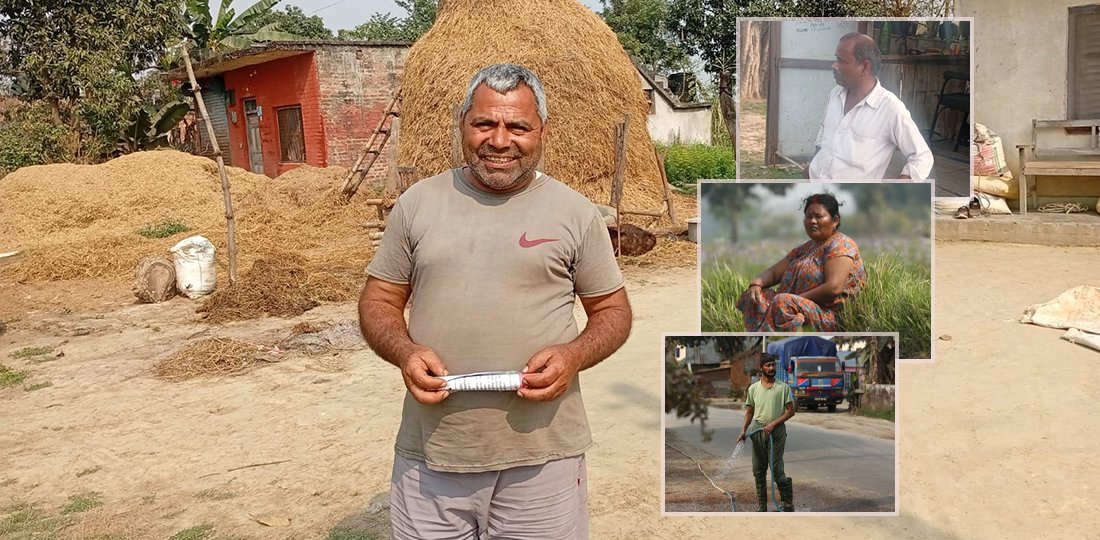
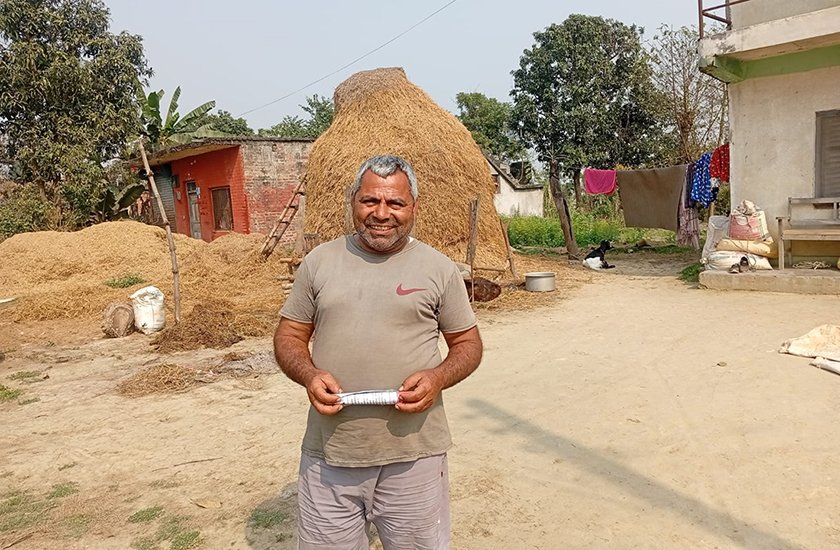
Kathmandu. Parashuram Kafle from Nawalparasi (Bardaghat Susta West) Constituency No. 1 wanted to ask the former lawmaker and House of Representatives candidate Binod Chaudhary a question: 'When will the boring (water well) be built for my neighborhood?' He hoped to at least receive an assurance, even if immediate resolution wasn't possible.
But the procession, adorned with garlands in a convoy of vehicles, looked at Kafle, and waved. He waved back in response, but as the vehicles moved out of sight, his heart sank. Contacting Ratopati, he said disappointedly, 'I might have to change my vote this time.'
Krishna Prasad Dhital, residing in Gunjanagar, Chitwan, wanted to ask Renu Dahal, 'Why doesn't the road near my house get gravel budget when smooth roads are being built elsewhere?'
He, whose neighbors had pitched in to gravel the road near his house, has not yet been visited by Renu or her team. 'They say there's a program at the outer junction, but they don't even inform me. They come, talk, and leave. They never listen to our concerns,' he complained.
Santaman Tamang, residing in Rapti Municipality-3 Bazarhatti, Eastern Chitwan, also wanted to convey the irrigation problem in his area to the former lawmaker and current candidate Hari Dhakal. Due to the high elevation, drawing water from tube wells is difficult, and he expected good winter crops if irrigation facilities were arranged. Like others, he failed to get his concerns across to the candidate.
These are the individuals met during Ratopati's on-the-ground reporting. Although the problems are personal, they illustrate the style and tendency of candidates seeking votes. During the 'Ground Zero' reporting, Ratopati observed the door-to-door canvassing and campaigning styles of various candidates.
The door-to-door visits of most candidates seem to be frustrating voters rather than convincing them. This trend appears to be pushing those with questions and grievances towards changing their votes.
This is the trend for most candidates. This tendency is even more pronounced among candidates who are entering the field for the second time or more. Even heavyweight leaders are reportedly not engaging in door-to-door visits.
Candidates Don't Ask for Votes from the 'Grassroots'
In the course of on-the-ground reporting, more than 80 percent of the over five hundred people interviewed in Chitwan, Nawalparasi, and Tanahun stated that no candidate had approached them to ask for their vote yet. However, they mentioned that they were well aware that elections were approaching and they needed to vote.
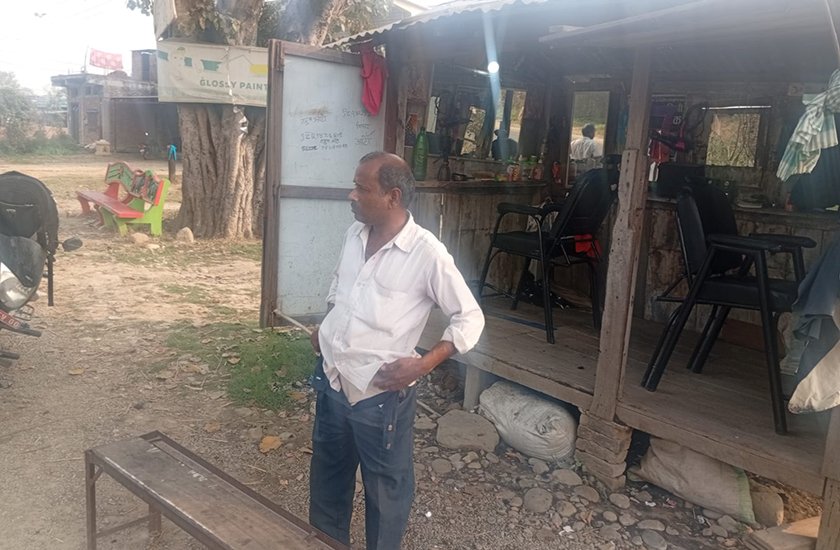
Harindra Thakur, who runs a saloon business in Piplantar, Nawalparasi-1, says he knows he has to vote on the 21st and has already decided whom to vote for, even if no one asks him.
Political analyst and professor Binodkhand Timalsina says the current style of vote-seeking is neither prosperous nor effective. He suggests that candidates need to develop a system to address voters' problems and queries, as voters will not necessarily vote based solely on door-to-door visits.
According to Timalsina, while the style of election campaigning in democratically prosperous countries is somewhat different, that is not immediately possible in Nepal. In such countries, he says, the practice is for candidates to present agendas through manifestos, engage in public debates, and base their voting decisions on those factors.
He notes that voters currently make their decisions based on debates and assessments happening on social media and at the local level. About 30 percent of the voters we directly spoke to said they have not yet decided whom to vote for. The final phase of the election campaign and the atmosphere at the polling centers seem to determine the voting decisions of those voters.
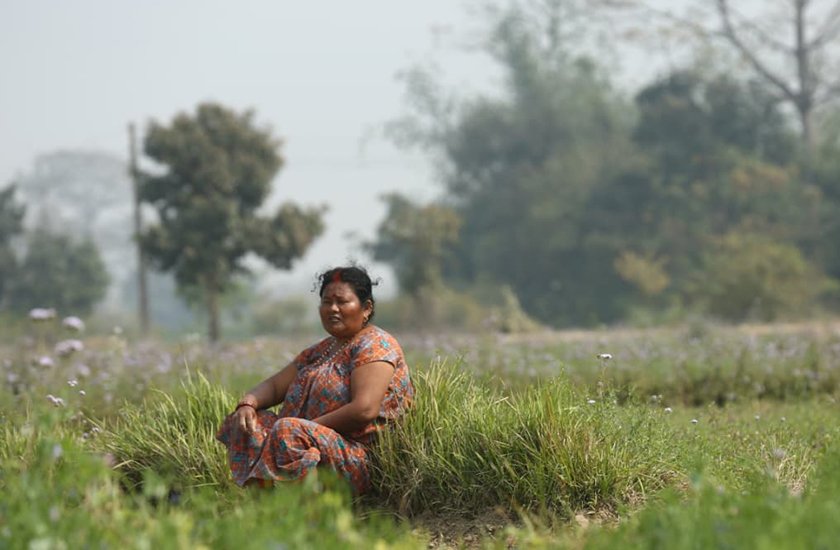
Biba Thapa from Ambukhairani, Tanahun, does not yet know when she will vote. Working as a laborer in the construction sector, she knows that elections are coming and she has to go vote, but she doesn't know which party to vote for. When asked whom she will vote for, she says, 'I will vote for whomever they tell me to vote for when I get there (at the polling center).'
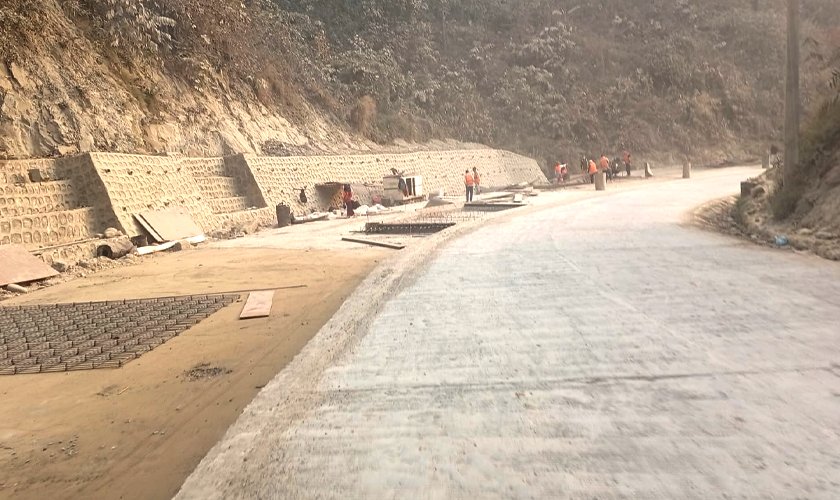
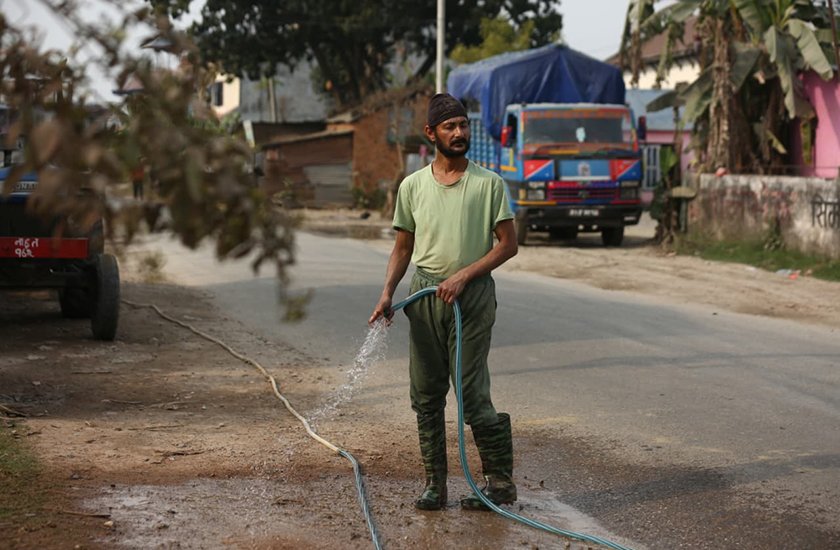
Pahuna Tharu is in the same situation. Involved in road construction in Daunne, Nawalparasi, he is a voter from Bardiya. He voted for the basket (dhakiya) last time and also doesn't know whom he will vote for this time. He says he will know whom to vote for once he goes to his village.
'There are 21 of us here. We get five days off for the election, but if we stay to guard the materials, we get overtime. I don't know what I will do,' he says. He mentions that no candidate has asked for his vote yet, either by phone or in person.
However, some candidates have a different approach. They visit various places to listen to the people's concerns. Candidates who were not elected previously, in particular, are seen interacting directly with voters during their door-to-door campaigns.
Govinda Bhattarai, a candidate from Tanahun Constituency No. 1, says he tries to answer as many questions as possible. 'Whether we are candidates or public representatives, we should not shy away from questions,' Bhattarai says. 'Whether during door-to-door visits or over the phone, I have been answering and will continue to answer.'
This specific news has been automatically translated by AI. As a result, there may be some inaccuracies or language errors.