Mexican Security Forces Kill 'El Mencho,' Most Wanted Drug Lord, Sparking Nationwide Violence

In a military operation supported by the United States, Mexican security forces have located and killed Nemesio Oseguera Cervantes, alias 'El Mencho,' the drug lord who was at the top of the country's most-wanted list.
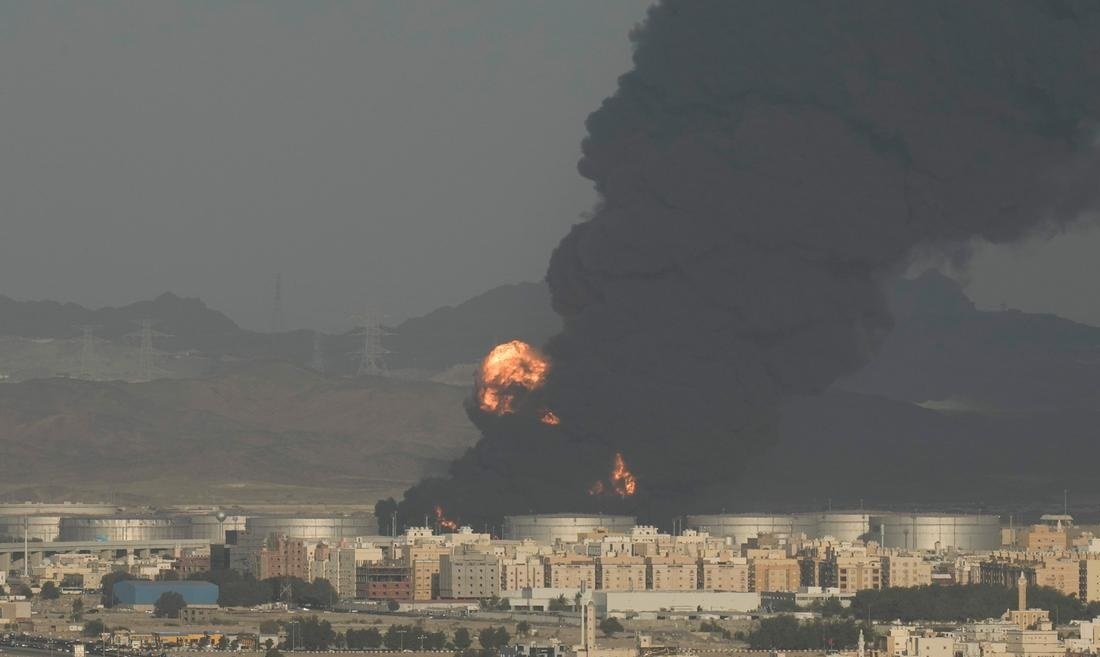
Violence erupted across various regions of Mexico immediately following his killing on Sunday. Armed individuals set fire to vehicles and blocked roads in 20 states.
Here, we analyze who El Mencho was, how he was killed, and what his death means for the United States and Mexico:
Who is El Mencho?
He was the leader of the Jalisco New Generation Cartel (CJNG), which operates out of the western state of Jalisco. This cartel is notorious for its large, military-style arsenal.
El Mencho, who was 59 at the time of his death, was a resident of the neighboring state of Michoacán. There are rumors that he was a police officer before becoming a drug trafficker.
He rose to prominence in Mexico's drug trafficking underworld in the 1990s. After being convicted in 1994 for heroin trafficking in the United States, he served about three years in prison before returning to Mexico.
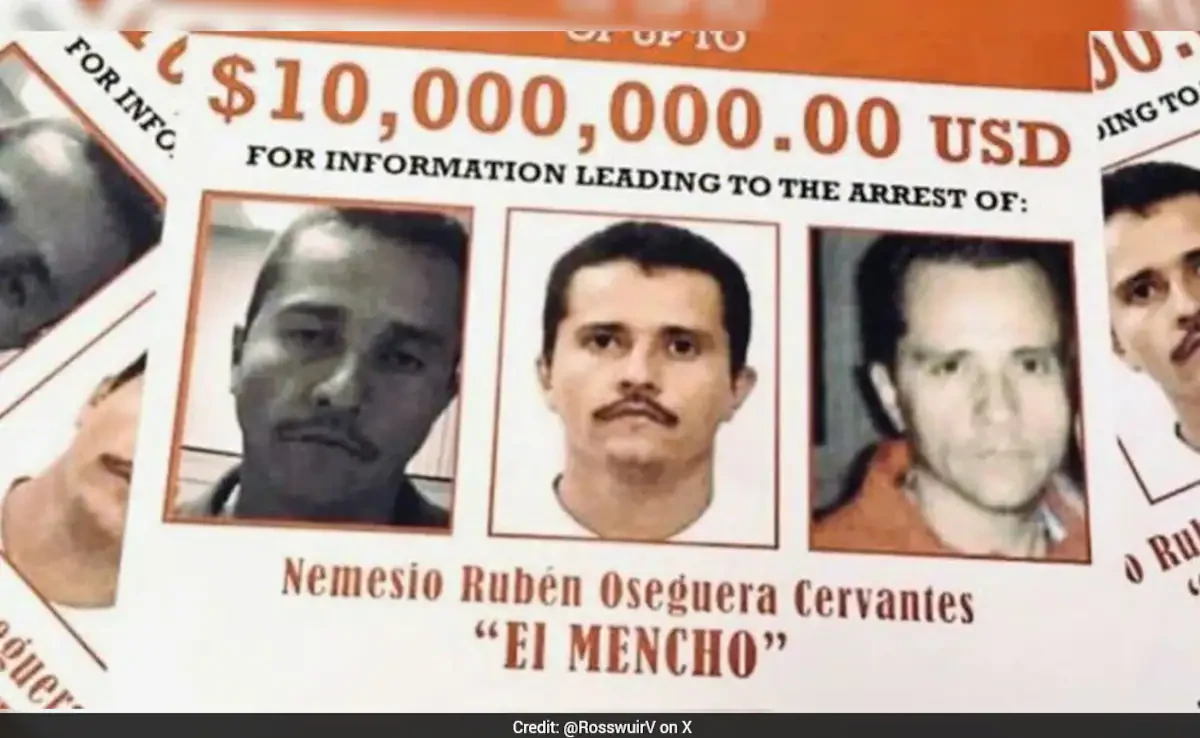
Many terrifying stories are heard about the ways El Mencho threatened and dealt with his rivals. In 2015, Rolling Stone magazine, citing an anonymous former DEA agent, reported that he once sent the severed head of a pig in an ice box to threaten a Mexican lawyer.
In a call recording, he can be heard threatening a local police commander with the call-sign Delta One, saying he would kill "the police commander and your dogs too" if his officers did not stand down. At the end of the call, he apologized in a very casual manner, saying, "Sorry for the bad language."
As El Mencho emerged as a powerful drug trafficker, he began investing heavily in submarines. According to Rolling Stone, he used these submarines to transport drugs from South America to the United States. Citing the former DEA agent, the magazine further wrote that El Mencho hired Russian Navy engineers to design the submarines.
He became one of the most wanted fugitives in the United States, and the U.S. had announced a $15 million reward for information leading to his arrest.
What is known about the Jalisco New Generation Cartel?
El Mencho founded this cartel around 2009. He rapidly expanded it by using online recruitment and increasing revenue sources through fuel theft, extortion, timeshare scams, and other criminal activities.
In recent years, the U.S. has identified the Jalisco Cartel, alongside the Sinaloa Cartel, as primarily responsible for trafficking 'Fentanyl' into the United States. The U.S. Drug Enforcement Administration (DEA) considers the Jalisco Cartel as powerful as the Sinaloa Cartel, which has a presence in all 50 U.S. states. According to the DEA, this cartel is active in 21 out of Mexico's 32 states.
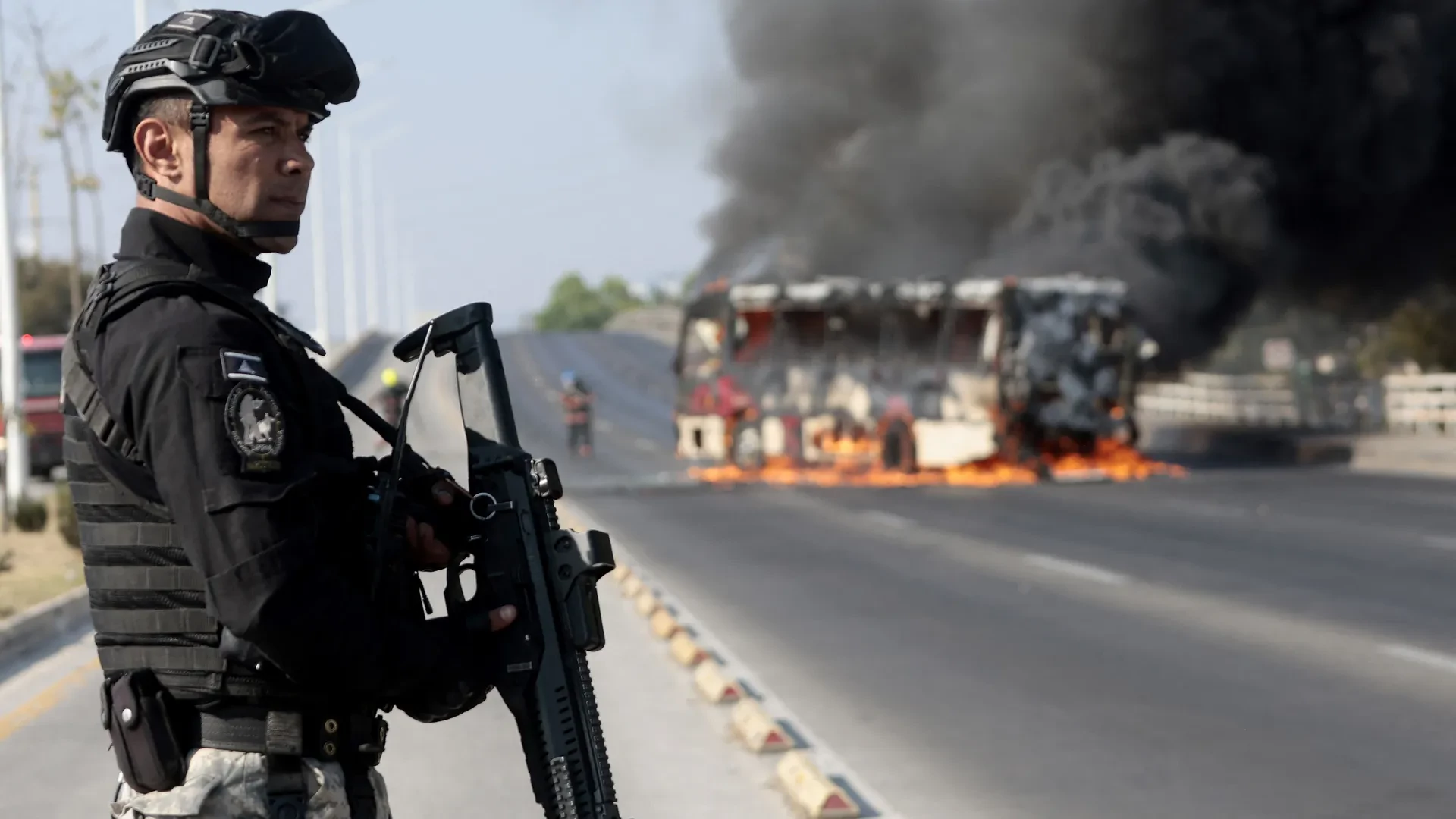
The Jalisco Cartel has become notorious for its attacks on Mexican security forces. In 2015, it shot down a military helicopter in Jalisco. In 2020, it attempted to assassinate the then-Mexico City Police Chief, Omar García Harfuch, who currently serves as the Federal Security Secretary.
Last February, Mexico extradited Antonio Oseguera Cervantes, a senior leader of the Jalisco Cartel and El Mencho's brother, to the United States. This move came just days after the U.S. designated the Jalisco Cartel, along with eight other Latin American criminal and drug trafficking groups, as transnational terrorist organizations.
How did El Mencho die?
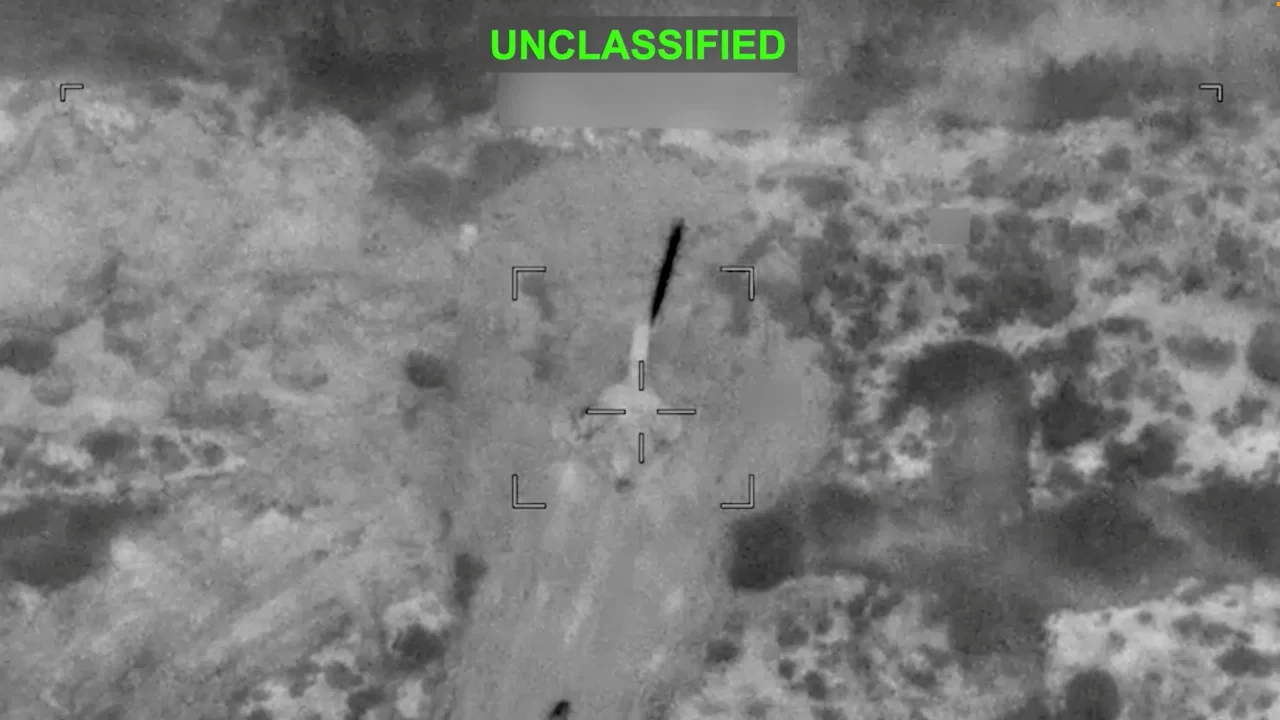
El Mencho was killed by Mexico's special security forces during a military operation to apprehend him in Talpa de Allende, in the southern part of Jalisco, on Sunday. The army was dispatched to arrest El Mencho, and his followers attempted to fight the military. According to officials, he was killed during that operation.
Mexico's President Claudia Sheinbaum stated on X on Sunday that the operation was carried out by federal forces, according to a report from the National Defense Secretariat. "I have the highest respect for the Mexican Army, the National Guard, the Armed Forces, and the Security Cabinet," Sheinbaum wrote.
White House Press Secretary Karine Jean-Pierre wrote on X that the U.S. provided intelligence information to the Mexican government to assist in this operation. "Three more cartel members were killed, three were injured, and two were arrested in this action," Jean-Pierre posted. Officials have not disclosed their identities.
How significant is the U.S. involvement?
Benjamin Smith, a professor of Latin American history at the University of Warwick in the UK, told Al Jazeera that U.S. support has been present in recent incidents involving the capture of Mexican drug bosses. "This is nothing new," he said.
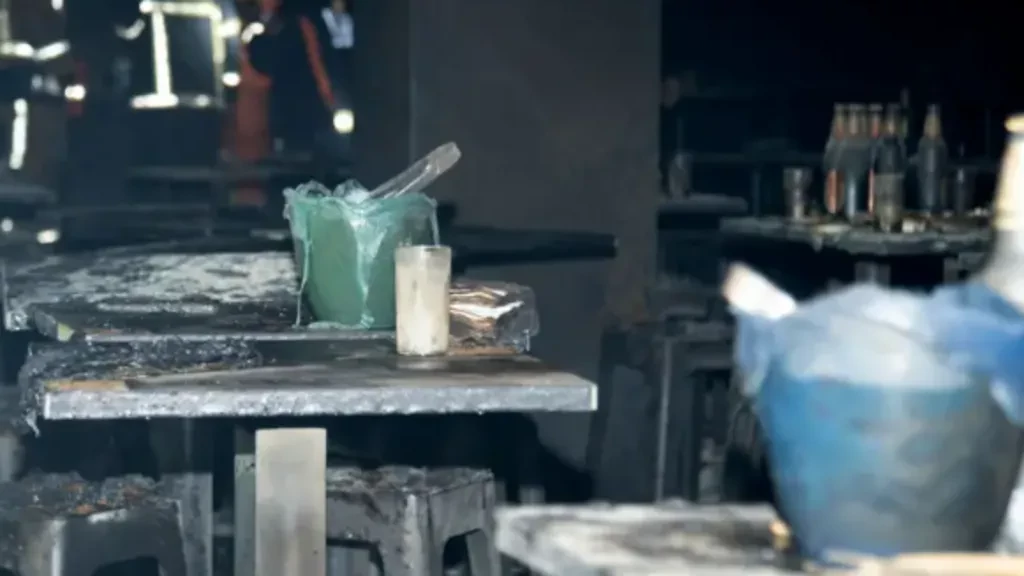
Violence erupted in at least 20 states across Mexico on Sunday, including Jalisco, Colima, Michoacán, Nayarit, Guanajuato, and Tamaulipas. Officials in Jalisco, Michoacán, and Guanajuato reported that at least 14 people died in Sunday's violence, including seven members of the National Guard.
According to Vanessa Rubio-Márquez, Associate Dean at the London School of Economics' School of Public Policy, U.S. involvement in this operation underscores the need for permanent and effective dialogue and cooperation between the two countries.
"Both countries must work together to stop transnational activities such as the import, production, trafficking, consumption of chemicals across the border, money laundering, arms flow, extortion, and corruption, to combat these organizations and their illegal activities, and to protect citizens," said Rubio-Márquez, who has represented Mexico in various international forums, including the United Nations and the International Monetary Fund.
What is happening after El Mencho's killing?
Violence erupted in at least 20 states across Mexico on Sunday, including Jalisco, Colima, Michoacán, Nayarit, Guanajuato, and Tamaulipas. Officials in Jalisco, Michoacán, and Guanajuato reported that at least 14 people died in Sunday's violence, including seven members of the National Guard.
Guadalajara, the capital of Jalisco—a state set to host many FIFA World Cup matches—was virtually shut down Sunday night, with locals hiding indoors. Four high-profile football matches scheduled for Sunday were postponed.
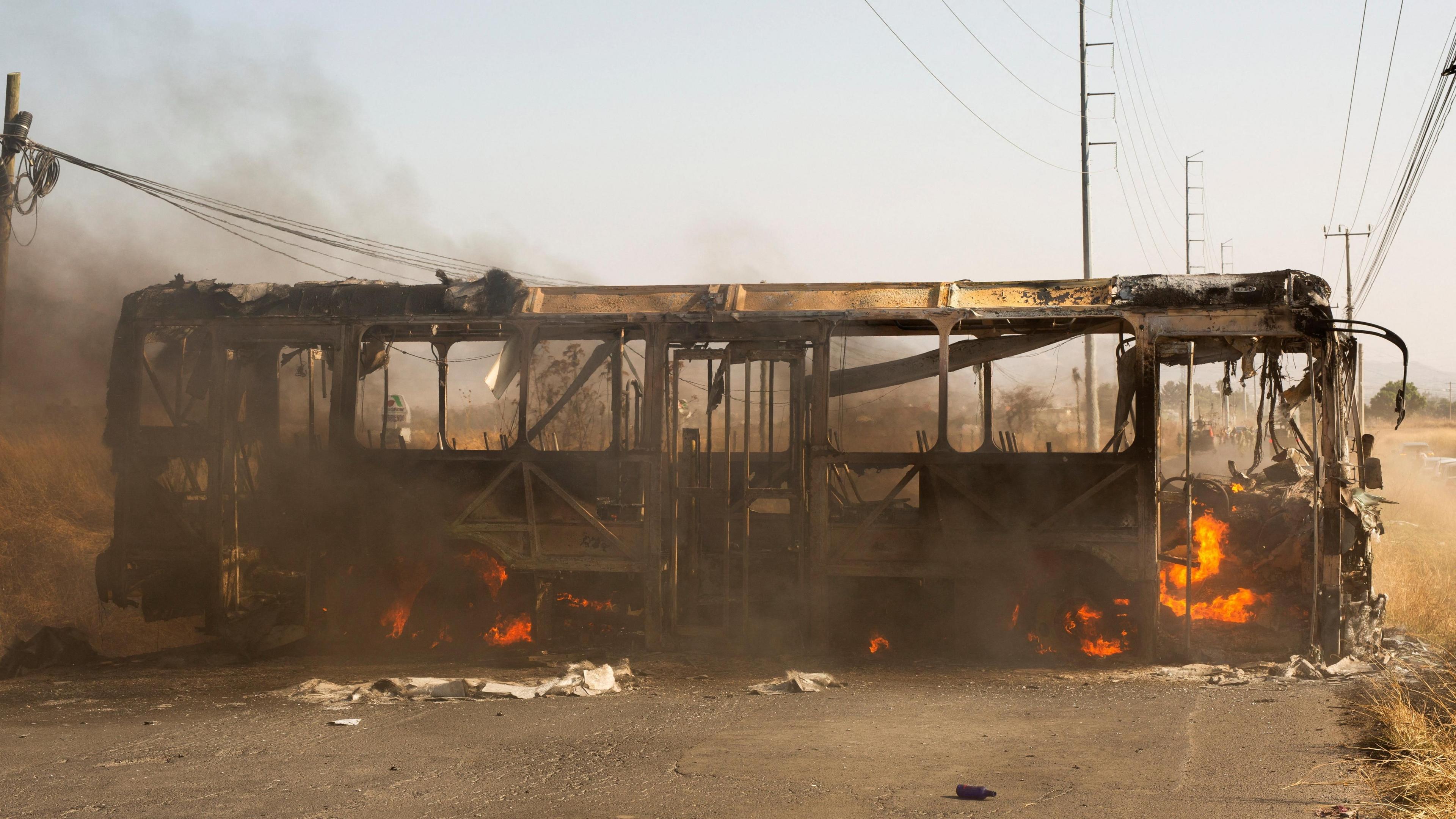
Videos circulating on social media showed panicked travelers running at the Guadalajara airport and smoke rising over the resort city of Puerto Vallarta. Governor Pablo Lemus urged people to stay indoors and suspended public transport, while schools were closed in many states on Monday.
The U.S. Embassy in Mexico issued a security alert for American citizens in Jalisco, Tamaulipas, Michoacán, Guerrero, and Nuevo León, advising them to remain indoors.
What is the Mexican reaction?
According to analysts, the government's move to control the cartels is supported by the majority of the Mexican public. According to a report released by the government in December, the average number of daily homicides in Mexico has decreased by 37 percent since Sheinbaum took office in October 2024.
"She (the President) is very popular," Smith said, "and many people hated Mencho."
The operation to kill El Mencho could benefit Mexico in negotiations with the administration of U.S. President Donald Trump. The Trump administration has threatened to raise tariffs or take military action if Mexico fails to control drug cartels.
According to the Americas Society & Council of the Americas, a New York-based organization focused on promoting cultural and political understanding and business relations in the U.S., Sheinbaum's 'approval rating' was around 70 percent as of the end of January. This rating has remained stable since she was elected.
"It is well known and criticized that President Claudia Sheinbaum's predecessor, Andrés Manuel López Obrador, adopted a policy of 'hugs, not bullets,'" said Rubio-Márquez. "This is a clear U-turn from the policy taken by the Morena (López Obrador and Sheinbaum's party) government, indicating that crime must be confronted firmly with a sophisticated strategy involving intelligence, intelligence apparatus, cooperation with the U.S., coordination and training with various levels of government agencies."
What might happen next?
The operation to kill El Mencho could benefit Mexico in negotiations with the administration of U.S. President Donald Trump. The Trump administration has threatened to raise tariffs or take military action if Mexico fails to control drug cartels.
However, experts suggest this action could trigger a new wave of violence in Mexico as cartels may seek revenge against security forces. According to Smith, this operation could lead to more public killings. "The Mexican government has succeeded in reducing the homicide rate over the past year. I suspect this killing will reverse that trend," he said.
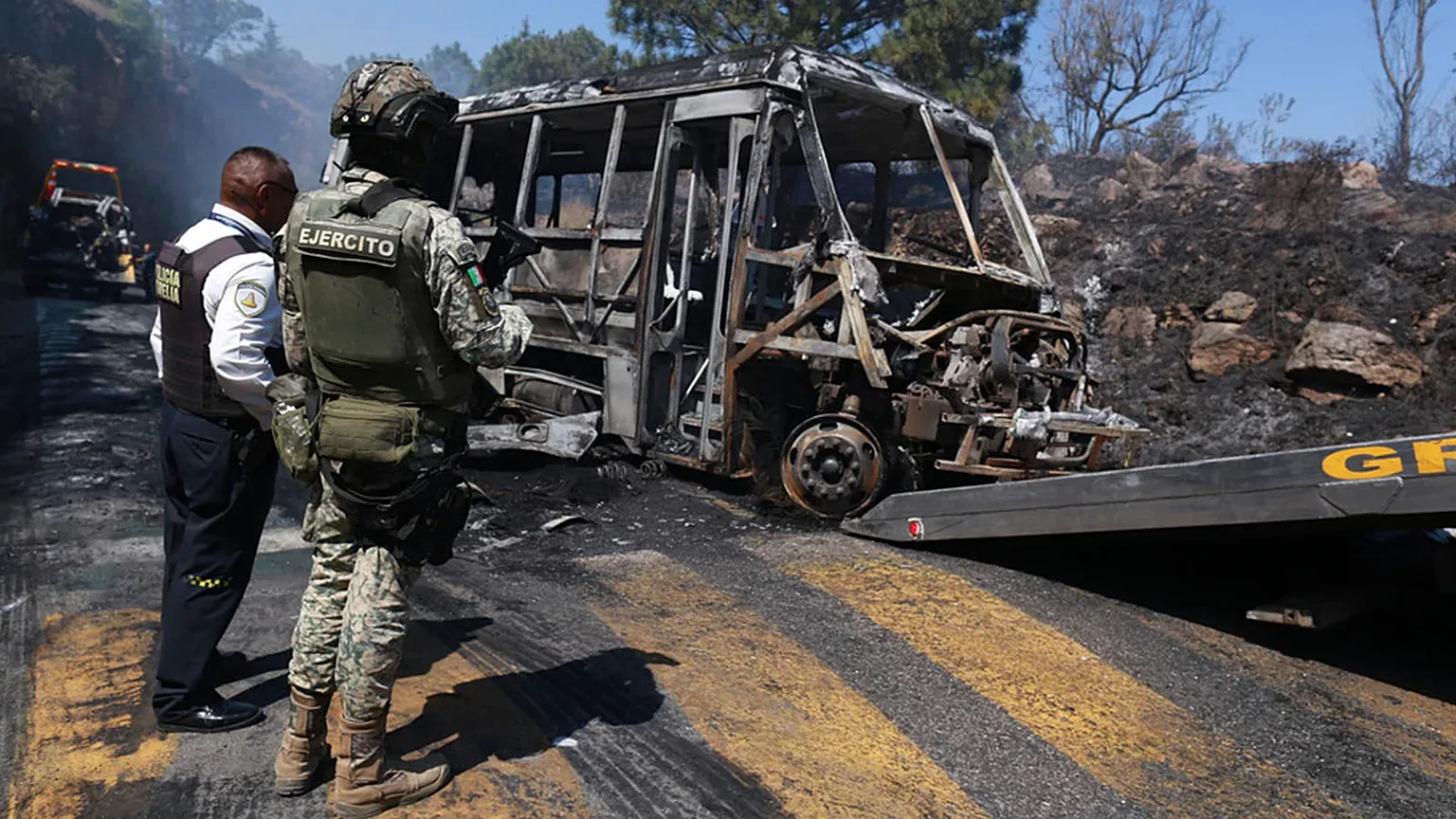
The future of the Jalisco New Generation Cartel remains unclear, as El Mencho's death has created a leadership vacuum, and his successor is still unknown.
"The fight against criminals is not just about eliminating leaders and bringing them to justice," said Rubio-Márquez. "It involves a complex strategy that includes prevention, control of the powerful weapons used by the cartels, dismantling their multi-level networks, protecting and safeguarding citizens, and effective policies for social inclusion, social harmony, and economic development."
This specific news has been automatically translated by AI. As a result, there may be some inaccuracies or language errors.