Nepal Prepares to Implement Policy Mandating 10% Ethanol Blending in Petrol

_jtO2XDteBb.jpg)
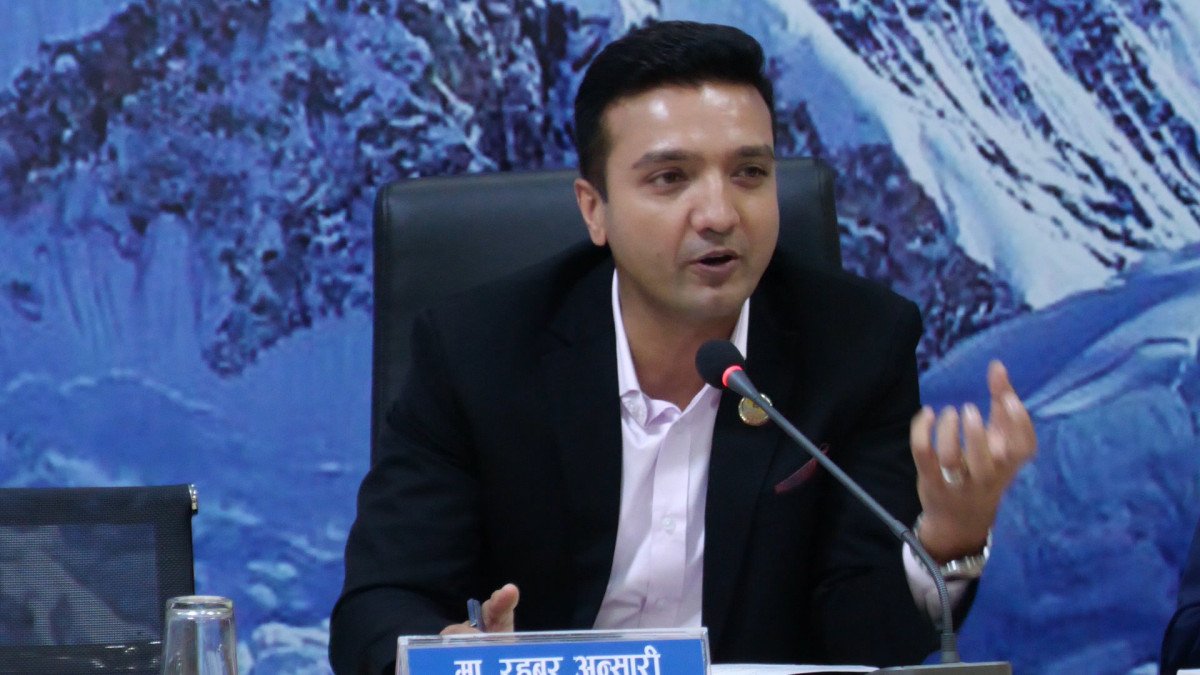
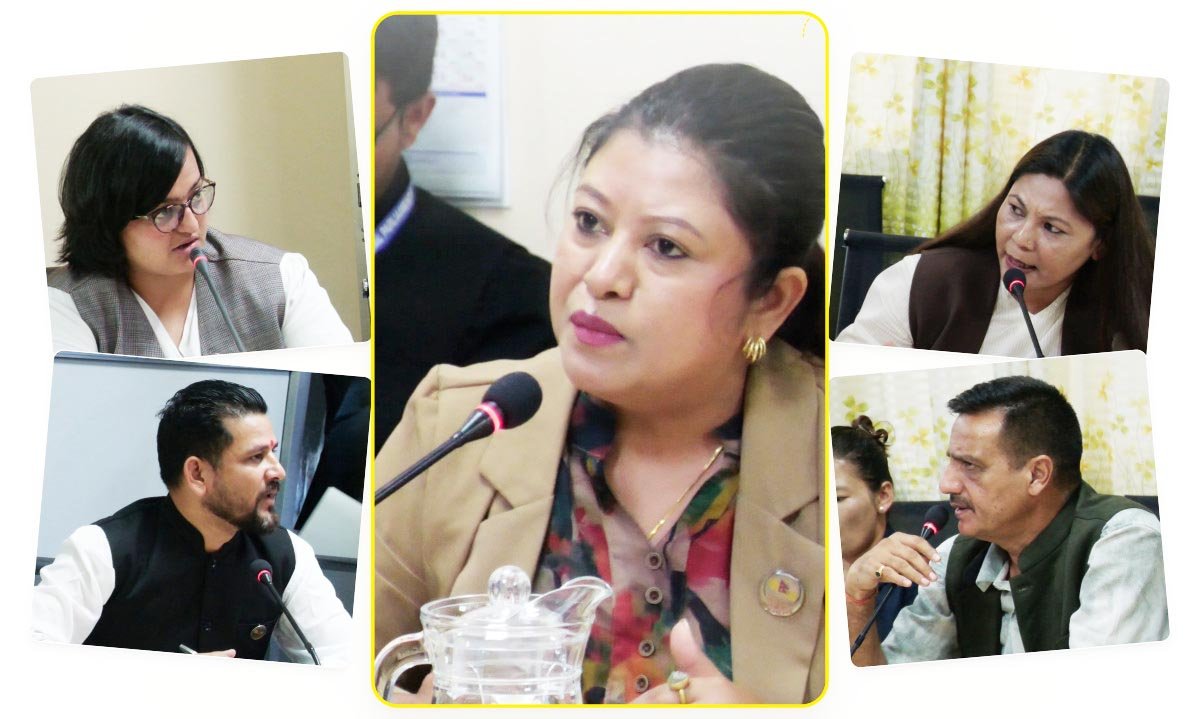
Kathmandu. Nepal is preparing to swiftly implement a policy to mix 10 percent ethanol with petrol. During a program organized here today by the Society of Economic Journalists, Nepal (SEJON) on the topic of 'Ethanol Blending Policy in Nepal: Opportunities, Challenges, and Implementation Strategy,' representatives from the government and the private sector emphasized the need for the rapid implementation of the policy to blend ethanol in petrol.
At the program, Minister for Industry, Commerce, and Supplies Anil Kumar Sinha stated that the decision to mix ethanol in petrol has reached the implementation stage after extensive study and discussion. Mentioning that studies on ethanol blending have been ongoing for two decades, he said, "Studies and discussions on this matter have been taking place for about 20 years. Currently, all studies are complete, and the Order on Blending Ethanol in Petrol-2082 has been approved. This policy will soon be published in the Nepal Gazette and come into effect."
Minister Sinha stated that blending 10 percent ethanol in petrol is a significant step towards clean energy, claiming that it could reduce Nepal's annual petroleum import bill by approximately Rs 6 billion. This, he noted, would help reduce the trade deficit.
Minister Sinha expressed confidence that this move would boost agricultural production, such as sugarcane for ethanol production, expand the use of agricultural land, and energize the domestic economy. He acknowledged challenges in establishing new industries, industrial environment, security, employment, and raw material production. "There are challenges along with opportunities. There is also a risk that focusing agriculture on cash crops could affect food security," he said.
Minister Sinha mentioned the possibility of foreign investment entering this sector and stressed the need to avoid unhealthy competition, although competition is necessary. He also informed that a working procedure would be introduced soon to make ethanol competitive, requiring the price of ethanol to be lower than that of petrol.
Govinda Bahadur Karki, Secretary at the Office of the Prime Minister and Council of Ministers, mentioned that several commissions and suggestion committees were formed in the past for ethanol blending in petrol, and the government issued the order on ethanol blending based on their recommendations.
Secretary Karki stated that all fuels must be advanced after analyzing their positive and negative aspects, and expressed the view that ethanol blending in petrol is in the country's interest. He expressed confidence that the government formed after the House of Representatives election would continue this policy.
Nepal Oil Corporation Executive Director Chandika Prasad Bhatta stated that the program, prepared for a long time, has now reached the implementation phase, making it clear that they will not back down from the decision. He said, "The program prepared for 20 years is now being implemented. This program will not be allowed to fail."
According to Executive Director Bhatta, it might take one to one and a half years for the program to be fully implemented. He mentioned that preparations are underway to set quality standards for ethanol. "The order to blend is not enough; it is necessary to establish quality standards," he said.
Shivaram Pokharel, Joint Secretary at the Ministry of Industry, informed that the Council of Ministers decided in Poush last year to blend 10 percent ethanol in petrol, adding that Nepal currently does not have commercial ethanol production. However, he stated that this order opens the way for production.
He informed that the government would move forward with the process of recommending a minimum price for ethanol, determining quality, and inviting tenders for production. According to him, once the order on ethanol blending is published in the Gazette, a price determination committee will be formed, and companies will be selected based on production capacity. "Since this is a new subject, implementation will take time, but we have proceeded by studying the practices of various countries," he said.
Representatives from the private sector, however, stated that although there is sufficient raw material for ethanol production, a conducive environment is necessary for establishing industries. Bed Prasad Kharel, Chairman of Kian Chemical Industries Limited, highlighted that investors face administrative hassles and emphasized the need to strengthen government mechanisms.
Shashikant Agrawal, Chairman of the Nepal Sugar Producers Association, informed that while Nepal consumes about 240,000 metric tons of sugar annually, domestic production is only around 200,000 metric tons. He suggested the possibility of achieving self-sufficiency within two years but noted that the working procedure and implementation plan for the ethanol blending decision are unclear.
Consumer rights activist Madhav Timalsina emphasized that the price, quality, and market regulation must be clear when implementing the ethanol blending program. "We need to evaluate what we need and whether the existing mechanisms can handle it," he said.
He stressed the need for clear arrangements regarding ethanol price fluctuations, regulation, and monitoring, stating that the goal of import substitution will not be met without quality production and effective market regulation. "The system for ethanol price, quality, and measurement must be clarified," he said.
This specific news has been automatically translated by AI. As a result, there may be some inaccuracies or language errors.