Opposition Lawmakers Criticize Industrial Sector Monitoring as Mere Formality

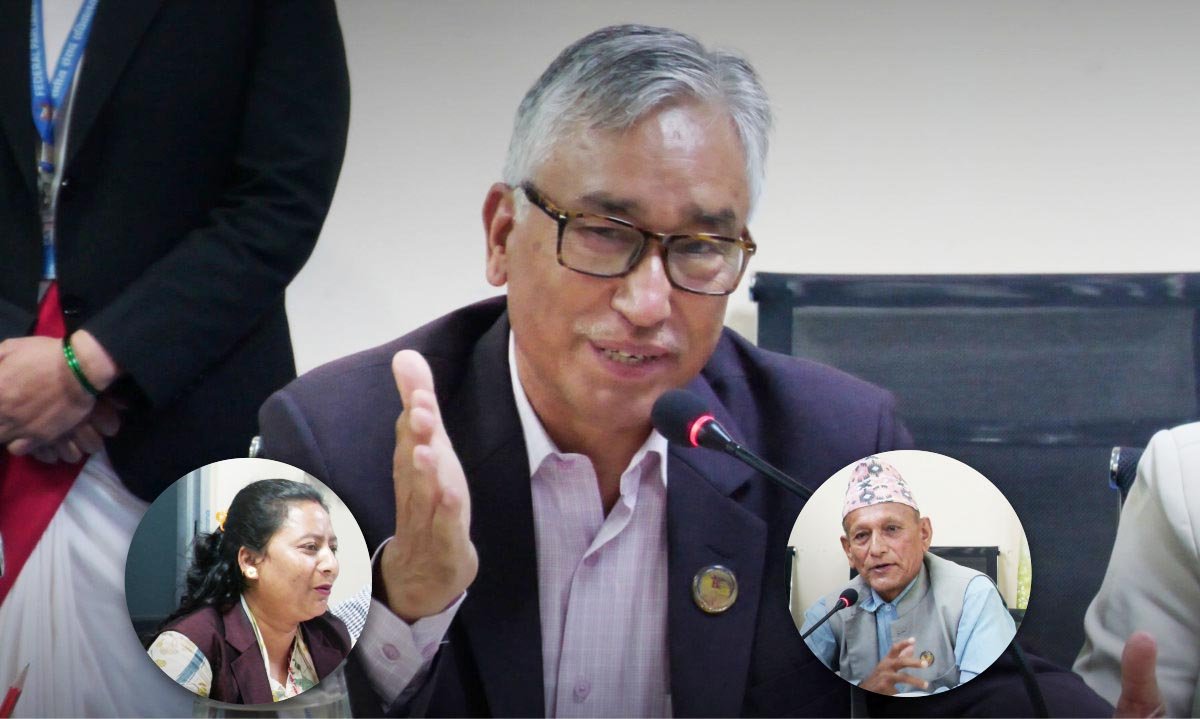
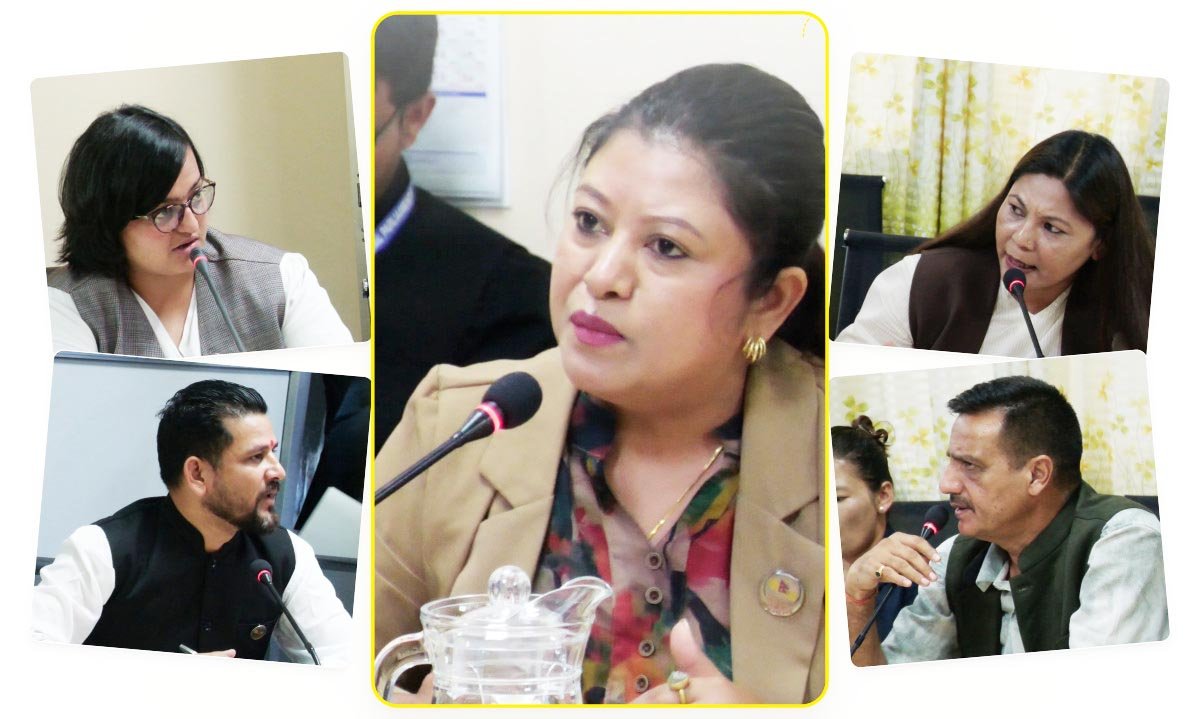
Kathmandu. Lawmakers from the main opposition party, Nepali Congress, have expressed dissatisfaction, stating that the monitoring of the country's industrial sectors is limited only to formality and ritual.
After the on-site inspection by the parliamentary monitoring team, the lawmakers emphasized the need for 'surprise visits,' arguing that monitoring conducted with prior notice does not depict the actual situation. Mentioning the dire condition of workers within industries, disorganized land management, and the dominance of middlemen, they drew the government's attention to improving management and sanitation. Specifically, their suggestions include addressing the problems of female workers, the environmental health of industries, and building a self-reliant economy by integrating agriculture with industry.
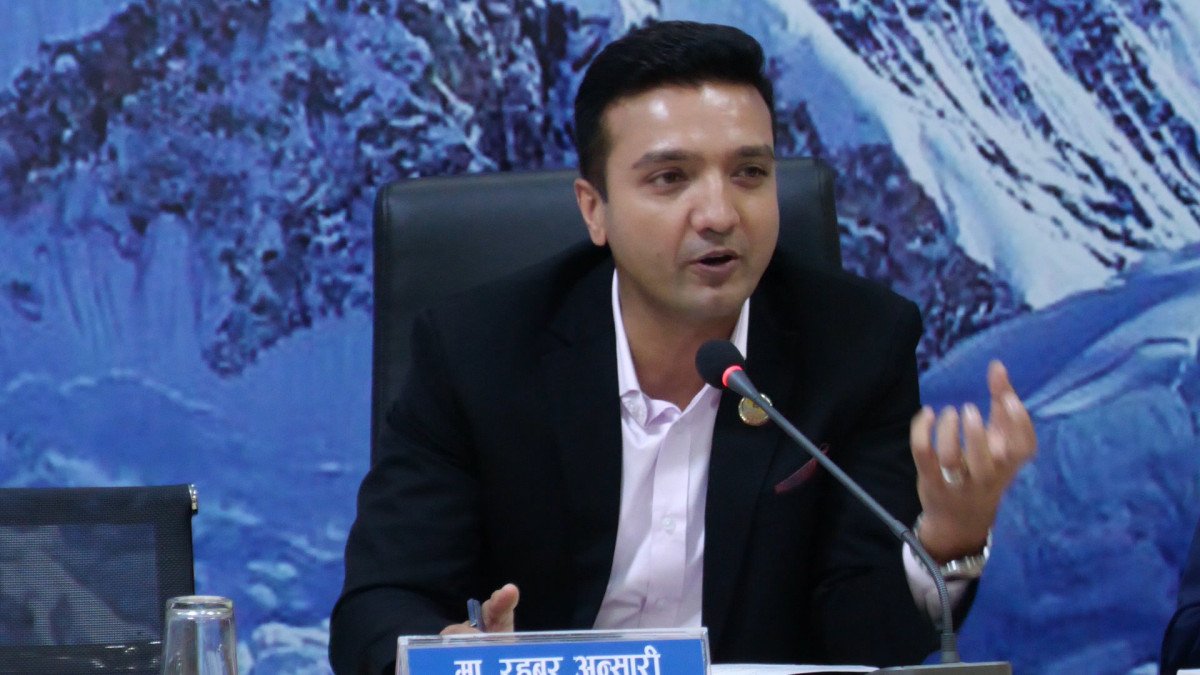
Nepali Congress lawmaker Prakash Singh Karki expressed dissatisfaction, stating that the monitoring of industrial sectors has not been effective. He commented that monitoring with prior notice does not reveal the actual situation, and the recent visit felt like merely looking at industries abroad and returning. During the monitoring, he mentioned that the working environment within the industrial sector is extremely difficult, and the condition of some workers is as dire as bonded laborers. He claimed that the tendency of middlemen holding onto spaces while actual workers do not get opportunities is prevalent.
Karki said, 'I also went to the main office. There too, they seemed very alert, as if they knew when we would come. When visiting such places, surprise visits should be made as much as possible.' Discussing the problem seen in land management, he added, 'The process of one person giving the land they took to another person and then transferring it from another to yet another makes it difficult for those who actually work to get a place.' He stated that one should not just look from the outside and that it is necessary to have separate dialogues with the management, industrialists, and workers. He added, 'When I spoke with some workers, their problems seemed very sensitive. We need to directly hear the real problems and experiences of many workers.'
Another Congress lawmaker, Harina Devi Kami, drew the government's attention to the problems of workers employed in industrial sectors and the poor sanitation of industries. During the monitoring, she mentioned that female workers, in particular, faced hardship due to their uniforms. She stated that industries do not provide weather-appropriate uniforms for workers, forcing them to wear 'burning' and uncomfortable clothes during the summer. She objected to the operation of vehicle repair garages in the same locations as food production industries like biscuits and Coca-Cola.
Kami said, 'A large number of female workers were seen working there. The main problem they raised was related to uniforms for the summer.' She demanded that since the uniforms specified by the company are not weather-appropriate, arrangements should be made to provide warm clothing in winter and light clothing in summer. Emphasizing the need to organize the garages within the industrial areas, she added, 'Excessive dirt was seen on Coca-Cola crates. It is not enough for industries to be in operation; sanitation, health, and safety standards at the production site are equally important.'
Another lawmaker, Kalibahadur Sahakari, stated that the government should prioritize the development of industrial and agricultural sectors to make the country self-reliant. He argued that if industries and agriculture are not strengthened, the country will always remain dependent. Expressing concern over the negative impact of increasing urbanization on agriculture, he said that the government should show promptness in stopping the trend of people moving to cities, leaving fertile land in the hills barren, and the destruction of arable land in cities due to plotting. Recalling the recent inspection of the Bansbari industrial area, he suggested that parliamentary monitoring should not be limited only to formality.
Sahakari said, 'If we cannot make industries and businesses and agriculture self-reliant, the country will always remain in a state of dependence. Therefore, we must move forward by giving high priority to these sectors.' He stated that the government should prioritize bringing closed or weakened industries back into operation. Mentioning that fertile land in villages is lying barren due to rapid urbanization and that land in cities is being destroyed due to plotting, he added, 'The government must formulate concrete policies by prioritizing both these sectors—industry and agriculture—and our committee must also seriously pursue this matter.' He emphasized making future monitoring and inspections practical and result-oriented rather than just theoretical.
This specific news has been automatically translated by AI. As a result, there may be some inaccuracies or language errors.