Indirect Nuclear Talks Between Iran and US Show 'Good Progress' Amid Gulf Tensions


Amid rising military tensions and threats of war in the Gulf region, 'good progress' has been made in the indirect nuclear talks between Iran and the United States.
Both sides agreed on a guiding principle during the talks held in Geneva, Switzerland, mediated by Oman on Tuesday.
Iranian Foreign Minister Abbas Araghchi stated that this agreement has paved the way for drafting a potential agreement in the coming days.
Foreign Minister Araghchi noted that compared to the previous round of talks, a clear roadmap has been established this time, which can be viewed positively.
It has been reported that both countries will now prepare a draft agreement from their respective sides, after which the date for the third round of talks will be set. However, he admitted that it will still take time to end the deep differences between the two countries.
Iran has insisted that its right to enrich uranium must be secured and economic sanctions must be lifted, while the US has maintained its stance that Iran's missile program should also be on the agenda for talks.
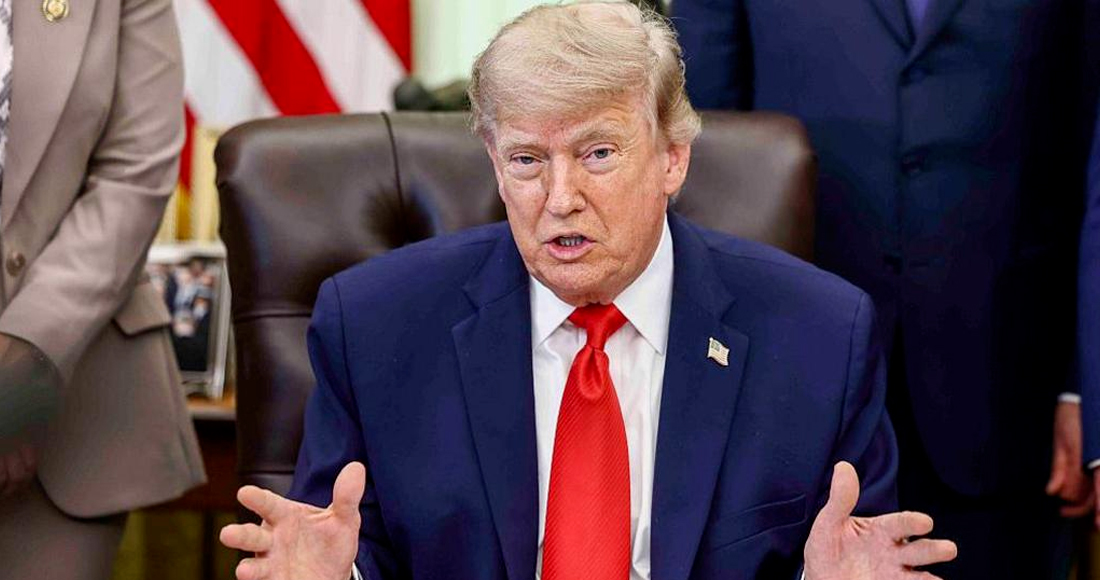
In Washington, US Vice President JD Vance welcomed the talks as positive but commented that Iran is still ignoring some 'red lines'. He also warned that the US might opt for a military alternative if diplomacy fails.
The US has increased pressure on Iran by deploying two aircraft carriers to the Gulf region. The American warship 'USS Abraham Lincoln' is located 700 kilometers from the Iranian coast, appearing ready to attack at any moment.
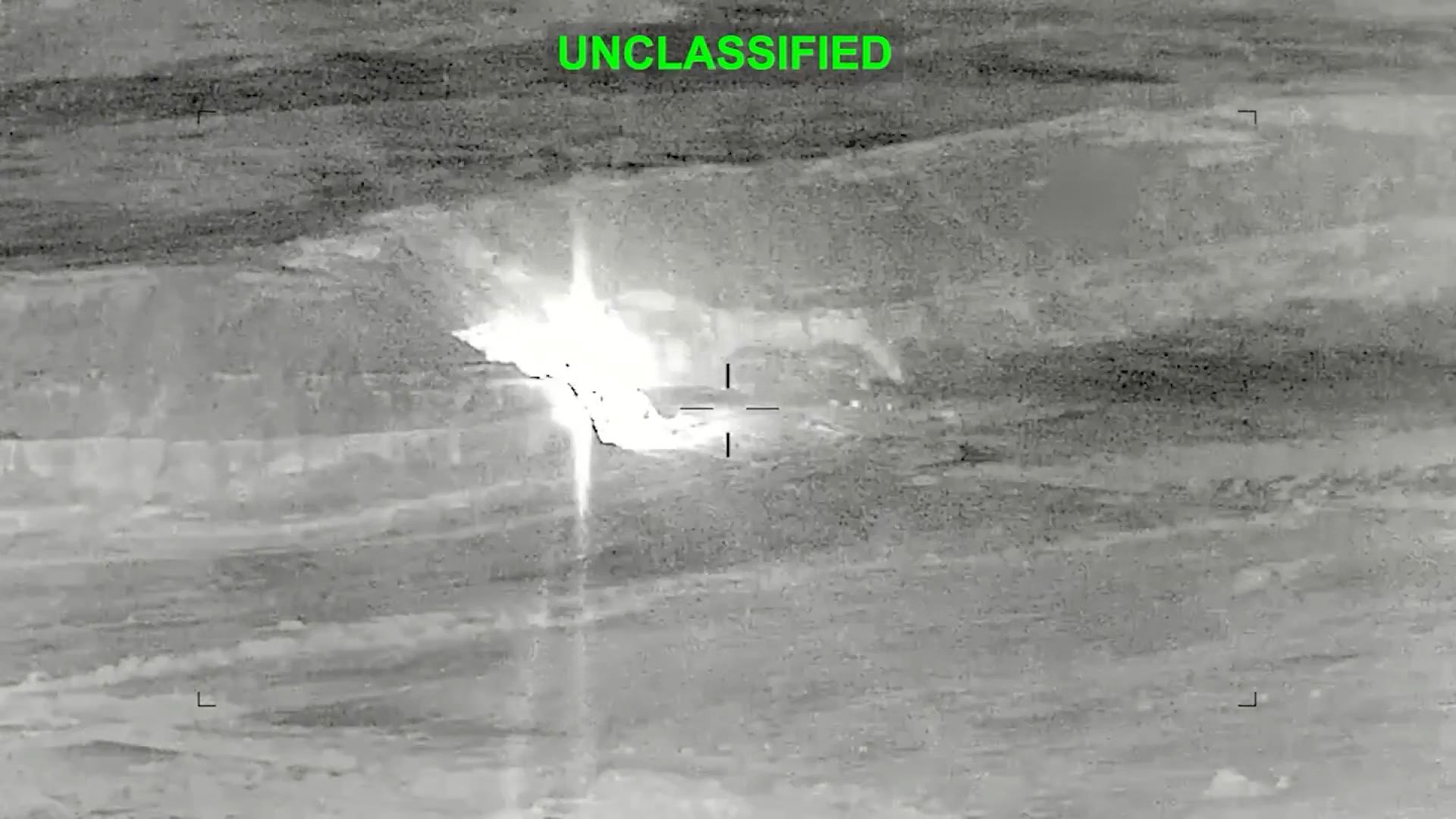
In response, Iran has also demonstrated its military strength, warning that it can sink the American warship. Iranian Supreme Leader Ayatollah Khamenei challenged the US, stating that weapons capable of sinking warships are more dangerous than dangerous weapons themselves.
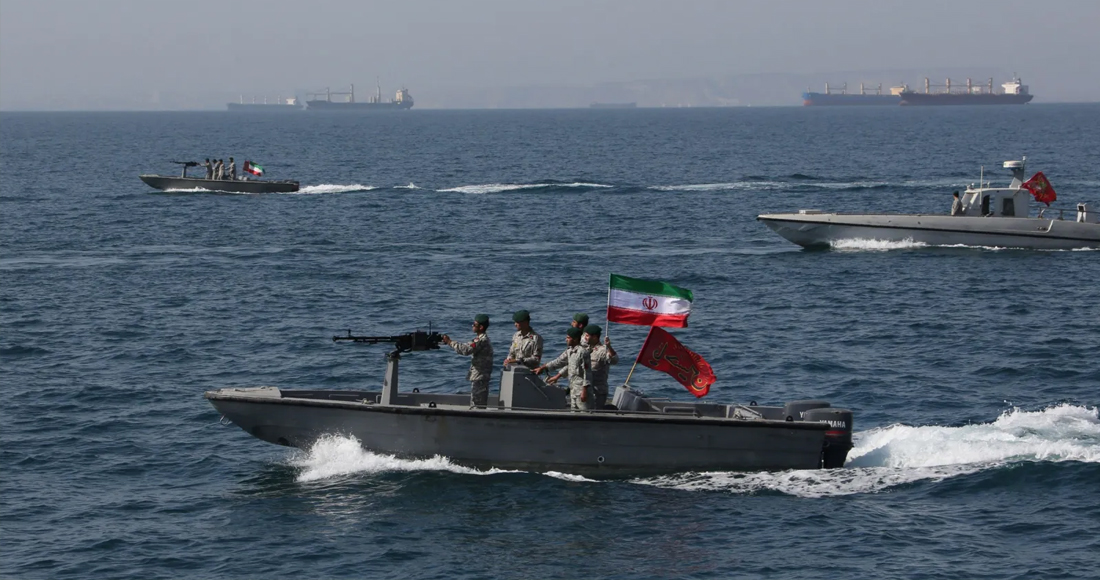
As the talks were about to begin, Iran's Islamic Revolutionary Guard Corps started military exercises in the strategically important 'Strait of Hormuz'. Under the guise of security vigilance, Iran temporarily closed parts of the world's major oil export route, creating fears that oil prices in the global market might rise.
Diplomatic efforts had stalled after last year's Israeli attacks on Iran's nuclear facilities and the subsequent 12-day conflict involving the US. The world community's attention is now focused on whether these resumed talks will avert the possibility of war or merely serve as an excuse to buy time for military preparations.
This specific news has been automatically translated by AI. As a result, there may be some inaccuracies or language errors.