
India Proposes Expressway to Connect Nepal's Pashupatinath Temple with Jharkhand's Baidyanath Dham


The process for constructing a bilateral expressway connecting two significant religious centers of Nepal and India, Pashupatinath Temple in Kathmandu and Baba Baidyanath Dham in Deoghar, Jharkhand, has moved forward. The Bihar government in India has forwarded a proposal for this ambitious plan to the central government.
Once this road becomes operational, the travel time from Kathmandu to Jharkhand is expected to be reduced by more than half. Bihar's Road Construction Minister, Dilip Kumar Jaiswal, publicly stated that the proposal for constructing this high-speed corridor connecting Jharkhand and Nepal is under consideration.
The Bihar government has allocated Indian Rupees 8,260 crore for road infrastructure in the budget for the fiscal year 2026-27, a significant portion of which is reported to be spent on this religious corridor. Construction work will commence immediately upon receiving approval from the central government.
The preliminary estimate suggests the total length of the proposed expressway will be approximately 250 kilometers. This road will start from Kathmandu, pass through Bhim Nagar and Birpur in Nepal, and enter India via Supaul district in Bihar. On the Indian side, it will connect the districts of Madhepura, Saharsa, Khagaria, Munger, and Banka in Bihar, facilitating easier access to Deoghar in Jharkhand. This route is expected to bring significant improvements in connectivity in the border areas.
Currently, the distance between Baba Baidyanath Dham and Pashupatinath Temple is about 534 kilometers, which takes 13 to 14 hours to cover by road. Minister Jaiswal claimed that upon completion of the expressway, this distance will shrink to 250 kilometers, and the travel time will drop to just 2 to 3 hours. This will not only save time but also result in a significant reduction in fuel costs.
The main objective of this project is to promote religious tourism and further strengthen cultural ties between Nepal and India. It is believed that the construction of the expressway will boost economic activities in various districts of Bihar and Jharkhand and contribute to regional development.
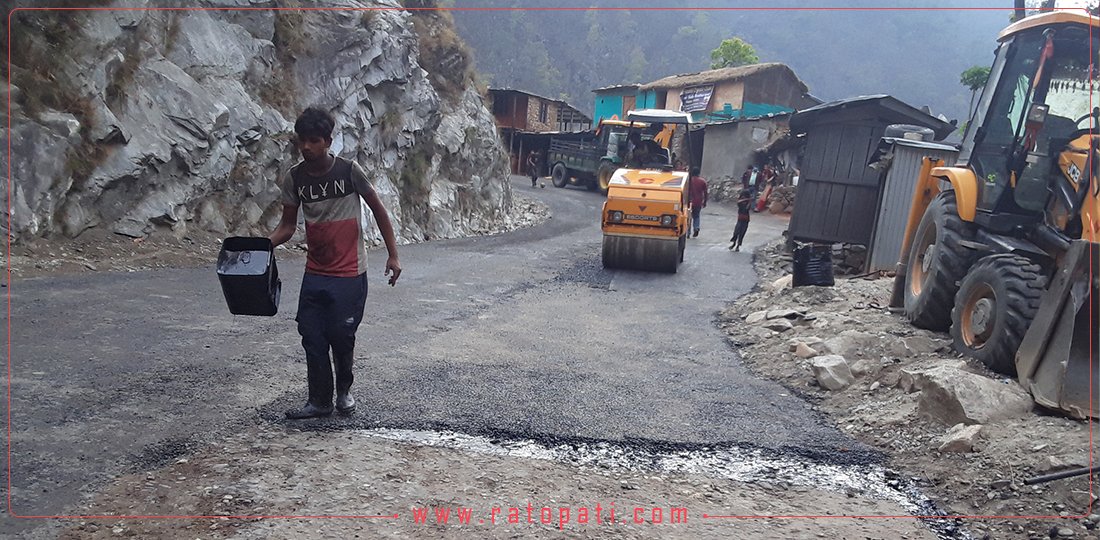
In the context of India having already constructed 554 kilometers of roads in the Nepal-India border area, this new expressway appears set to be a milestone in border infrastructure development. If the central government grants approval soon, the project is targeted for completion within the next five years.
This specific news has been automatically translated by AI. As a result, there may be some inaccuracies or language errors.


_u2fvYQUgFR.jpg)

