Four Key Development Ministries Show Dismal Spending in Mid-Year Budget Review


Kathmandu. Although the government allocated a large sum for development in the budget for the fiscal year 2082/83, actual spending has been meager. The mid-year expenditure status of four development ministries—Physical Infrastructure and Transport, Urban Development, Water Supply, and Energy and Water Resources—appears extremely disappointing.
According to the mid-year evaluation report, these ministries have managed to spend only a small fraction of their allocated budgets, seriously impacting the overall pace of development. The weak spending capacity of these ministries, which command a large portion of the budget, raises serious questions about the government's commitment to and capacity for implementing development.
Finance Minister Rameshwor Khanal stated that capital expenditure could not increase because of the tendency to pile up budgets in projects that are not ready. He claimed that when a ministry with the capacity to operate a 35 billion NPR program is given a 122 billion NPR budget at once, it cannot be spent.
The Finance Minister claimed that capital expenditure could not increase because projects worth approximately 80 billion NPR, which were not ready, were included in the budget, despite the policy that the federal government would not handle projects smaller than three crore NPR.

“Capital expenditure will not increase by allocating budgets to projects that are not ready,” he said. “The low percentage of capital expenditure currently seen is the result of not creating a realistic budget (407 billion NPR instead of 300 billion NPR).”
Finance Minister Khanal indicated low expectations for improvement in capital expenditure, although an estimated 95 percent expenditure is expected on the current expenditure side. However, he expressed hope that the pace of work would increase in the coming new government and the remaining three months (Baisakh, Jestha, and Ashadh).
The government had allocated a total of 19 kharba 64 arba 11 crore Nepalese Rupees for the current fiscal year. Of this, 6 kharba 90 arba 21 crore Nepalese Rupees have been spent up to the mid-year review period. This accounts for 35.14 percent of the total allocation. The share of current expenditure, which goes towards employee salaries and administrative work, is large. Although overall spending has increased by 3.39 percent compared to the same period last year, the economy does not appear to be dynamic due to the failure to increase development expenditure.
Urban Development: A New Record for Low Spending
The Ministry of Urban Development received a budget of a net 91 arba 34 crore 17 lakh Nepalese Rupees for the current fiscal year 2082/83. By the end of Poush (mid-year period), the ministry had spent only 57 thousand 667 lakh Nepalese Rupees, which is 6.31 percent of the allocated budget. Capital expenditure is further limited to 5.73 percent.
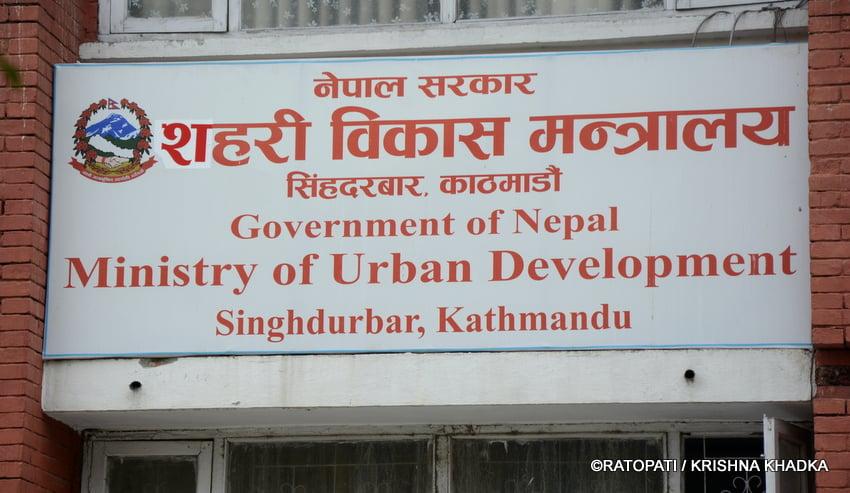
Although some progress has been seen in this ministry, such as the construction of 16 suspension bridges and 13 local level administrative buildings, the spending situation is the weakest. The sluggishness in the reconstruction of structures damaged by the agitation on Bhadra 23 and 24 also indicates that the ministry's weak spending capacity is hindering post-disaster reconstruction work.
Physical Infrastructure: Large Budget, Worrying Expenditure
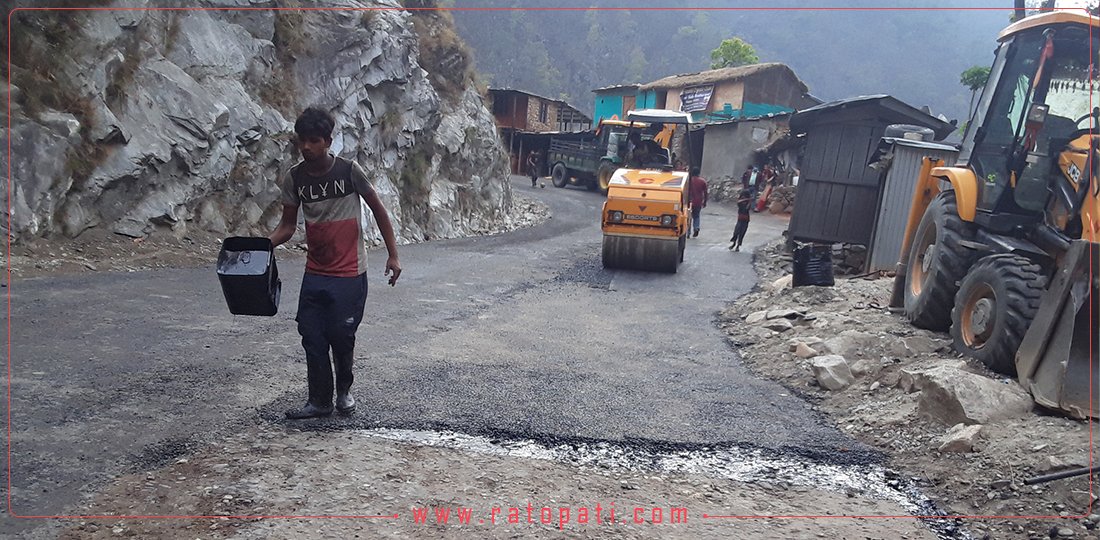
The Ministry of Physical Infrastructure and Transport was allocated the largest budget among development ministries, totaling 1 kharba 51 arba 74 crore 83 lakh Nepalese Rupees. However, considering the size of the budget, the expenditure situation is extremely disappointing. Up to the mid-year period, only 27 arba 87 crore 28 lakh Nepalese Rupees, or 18.37 percent of the budget, has been spent. Of this, 25 arba 58 crore 89 lakh, or 17.74 percent, was capital expenditure.
This ministry has achieved some concrete progress, such as paving 160 kilometers of roads and constructing 10 bridges. Work has also advanced on the Postal Highway and the Pushpalal (Mid-Hill) Highway.
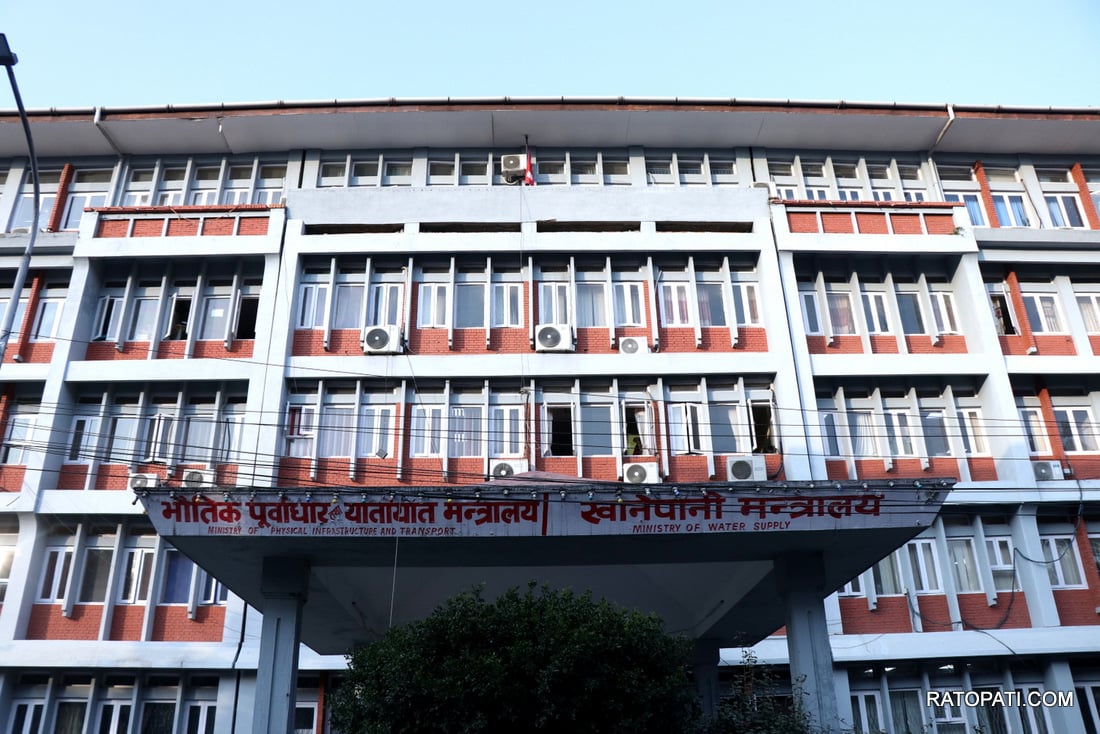
The lack of expected progress in railway construction and driving license distribution casts a shadow over the government's long-term transportation plans. The inability to spend the large budget, resulting in a lack of road maintenance and delays in transport infrastructure, directly causes suffering to the general public, raising serious questions about the ministry's implementation capacity.
Water Supply Ministry: Melamchi Achievement
The Ministry of Water Supply received a total budget of 20 arba 72 crore 6 lakh Nepalese Rupees for the current fiscal year. Up to the mid-year period, the ministry had spent only 24 thousand 778 lakh Nepalese Rupees, which is 11.96 percent of the allocated budget. Capital expenditure is further limited to 11.01 percent.
Although this ministry has achieved commendable milestones such as the successful operation of the Melamchi Water Supply Project and the supply of 17 crore liters of water daily in the Kathmandu Valley, the financial expenditure situation is pathetic.
The extremely slow progress in achieving national goals such as access to safe drinking water and sewerage management (27.80 percent and 3.00 percent, respectively) clearly shows that the ministry's weak financial execution directly affects the basic needs of the people. Even though a major project like Melamchi is operational, the risk of the government's goal of improving the overall water situation in the country remaining incomplete is increasing as other water supply projects and sanitation programs fail to gain momentum.
Energy, Water Resources and Irrigation: Leap in Electricity, Sluggish Spending
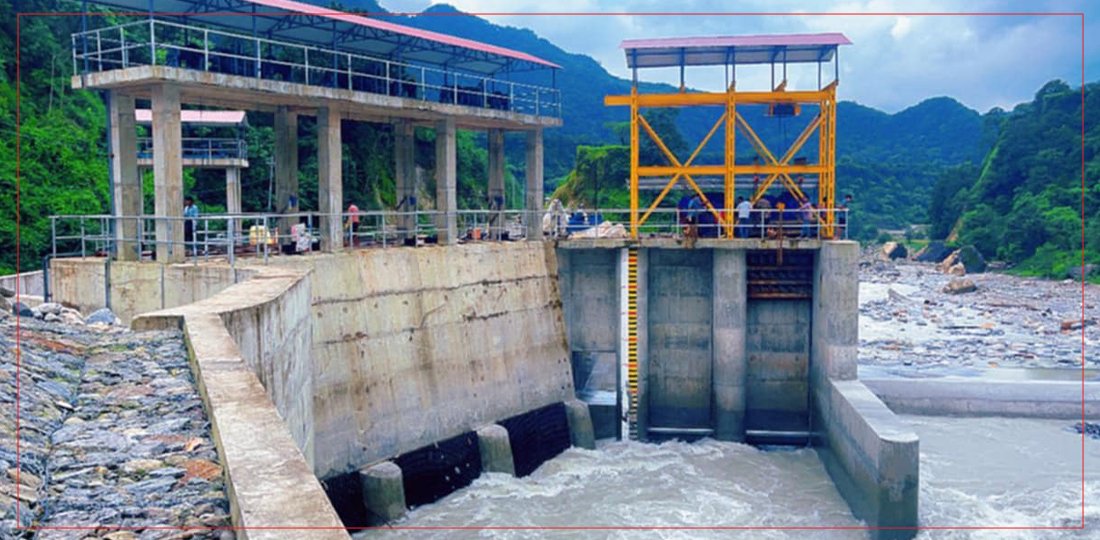
The Ministry of Energy, Water Resources and Irrigation received a large budget of a total of 42 arba 71 crore 39 lakh Nepalese Rupees for the current fiscal year. This ministry has spent only 70 thousand 832 lakh Nepalese Rupees, which is 16.58 percent of the allocated budget, up to the mid-year period. Capital expenditure being limited to 15.13 percent clearly signals delays in major hydropower and irrigation projects.
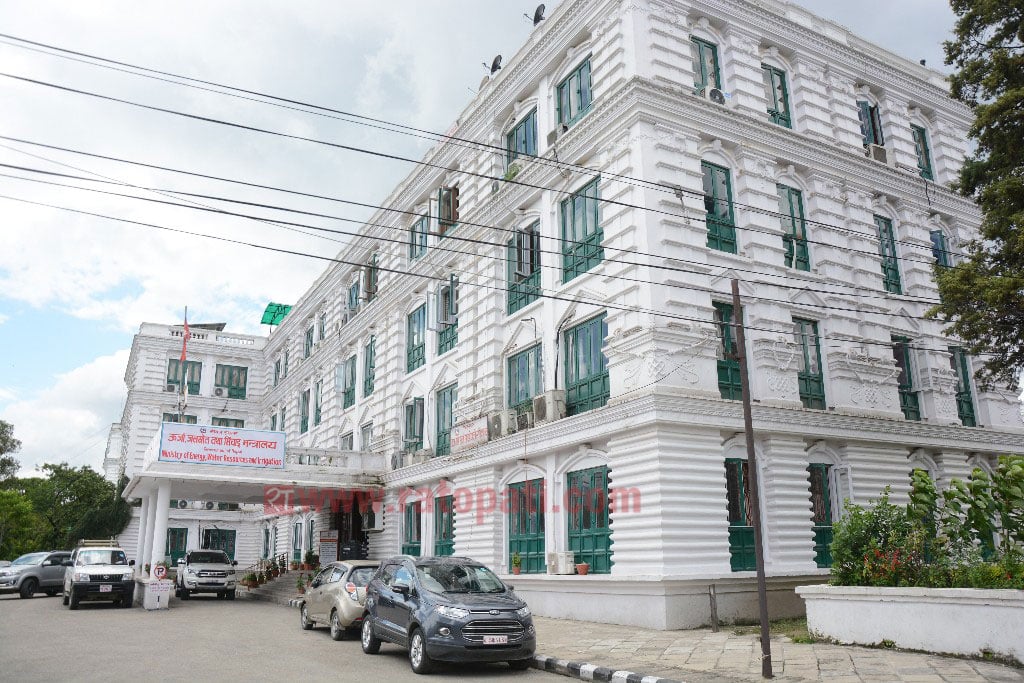
Although glorious achievements have been made, such as the electricity generation capacity reaching 4 thousand 86 megawatts, national grid access reaching 97 percent of the population, and 2 thousand 774 Gigawatt-hours of electricity being exported, the budget expenditure situation is not satisfactory.
While mixed progress is seen in civil and hydromechanical construction in national pride projects like the Bheri Babai Diversion Multipurpose Project, the weak state of overall capital expenditure raises questions about these projects being completed on schedule. Furthermore, the 12.73 percent electricity leakage and the lack of expected progress in micro and small hydropower generation indicate weaknesses in the efficient use of financial resources and project management.
This specific news has been automatically translated by AI. As a result, there may be some inaccuracies or language errors.