Nepal's Mid-Year Budget Review Reveals Dismal Capital Spending Amid High Administrative Costs

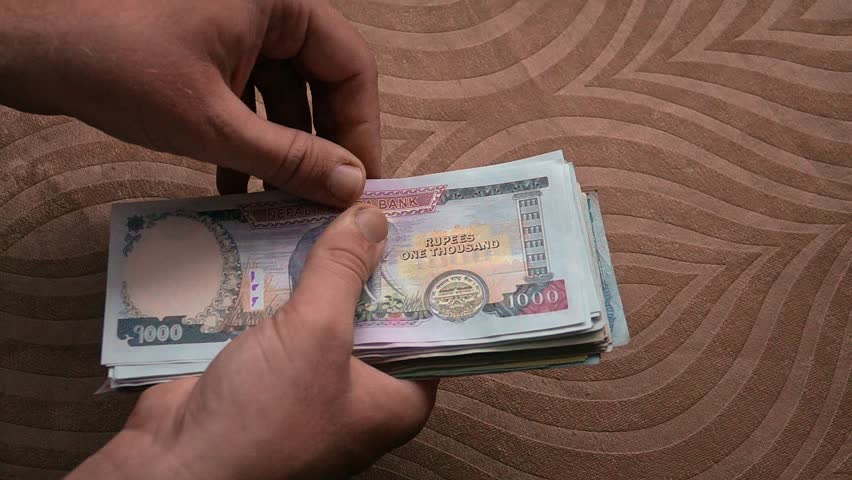
Kathmandu. The Ministry of Finance has published the mid-term evaluation report of the budget for the current fiscal year 2082/83. According to the public details, while the pressure from the government's daily administrative expenses and debt principal/interest payments appears high, the status of capital expenditure for development projects looks dismal.
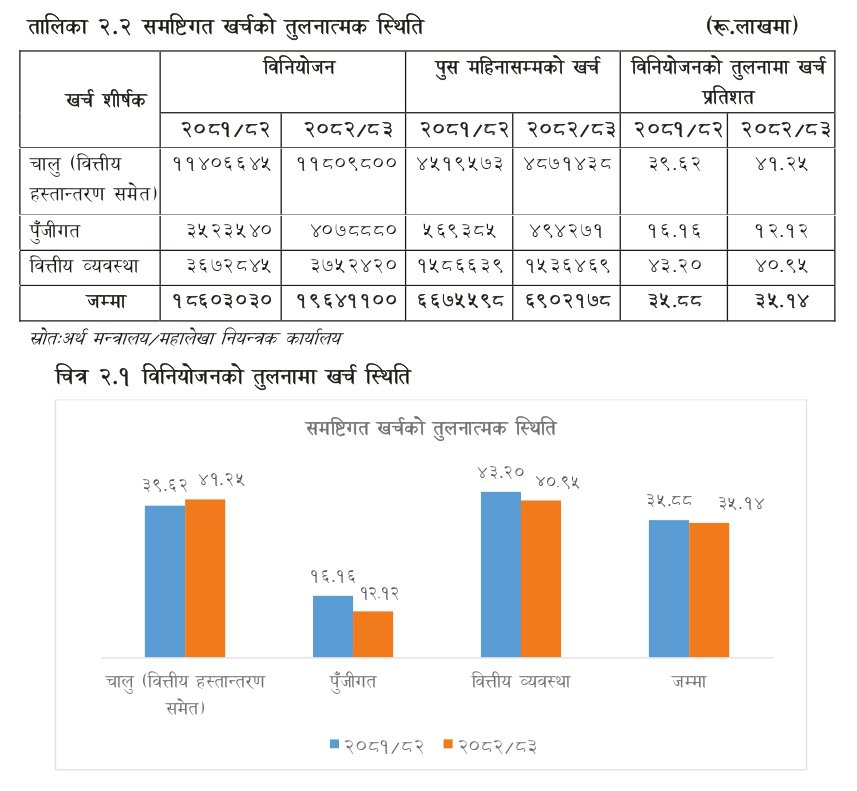
In the first six months of the current fiscal year (from Shrawan to the end of Poush), the government managed to spend only 12.12 percent of the development budget, which is capital expenditure. Out of the Rs 407.888 billion allocated for capital expenditure this year, only Rs 49.4271 billion was spent by the end of Poush. This indicates that the pace of development construction in the country is almost stagnant.
Looking at the overall budget expenditure status, the government had allocated a total of Rs 1964.11 billion for the current fiscal year. Of this, Rs 690.21 billion has been spent by the mid-year review period, which is 35.14 percent of the total allocation. The share of current expenditure, which includes employee salaries and allowances and administrative work, is large in this amount. Out of the Rs 1180.98 billion current budget, 41.25 percent, or Rs 487.14 billion, has been utilized. Furthermore, 40.95 percent of the budget for financial management, covering debt principal and interest payments, has also been spent. Although overall expenditure has increased by 3.39 percent compared to the same period last year, the economy is failing to gain momentum because development spending has not increased.
- Bhadra Incident Damaged 2100 Government Buildings
The Ministry of Finance has cited the incident that occurred on Bhadra 23 and 24 of this year as a major reason for the low capital expenditure. The ministry's report mentions that 2,134 buildings across 1,693 government offices were damaged during that incident. The government concluded that the damage to offices and important records therein caused some ongoing work to halt temporarily, thereby pushing back the progress of capital expenditure.
- Budget Allocated to Unprepared Projects, Work Halted
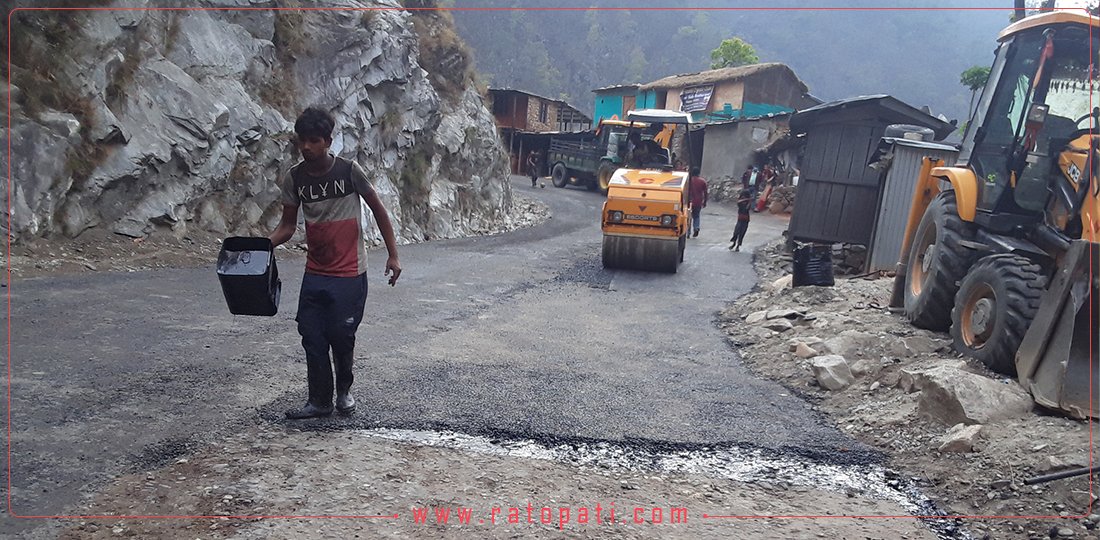
The old problems are recurring behind the lack of spending. The practice of allocating budgets to projects whose preparatory work—such as Detailed Project Reports (DPR), land acquisition, compensation distribution, and forest area usage—has not been completed has caused problems. The tendency to allocate less budget to old projects with secured resources while spreading the budget to new and unprepared projects has also led to issues in liability payments.
In addition, social security and development projects are being duplicated due to a lack of coordination among the three tiers of government. Frequent transfers of project chiefs and staff, shortages of construction materials, and legal hurdles have also halted the pace of development. Although it was planned for the budget to be implemented from Shrawan 1, following its presentation on Jestha 15, it appears that the basis for expenditure could not be established even by the end of Poush because procedures and directives were not finalized on time.
Problems persist in projects funded by foreign aid as well. Timely reimbursement is not being received because the procurement processes and accounting systems specified by donor agencies are not being followed, and projects are being affected because the counterpart fund that the government must bear is low. The ministry admits that the same problems are recurring every year because the suggestions provided by the National Development Problem Resolution Committee are not being implemented.
This specific news has been automatically translated by AI. As a result, there may be some inaccuracies or language errors.