Russian Startup Claims to Turn Pigeons into 'Biodrones' Using Brain Implants for Surveillance


Moscow. A startup company named Nairi in Moscow has developed a peculiar technology to transform pigeons into 'biodrones' using implants, claiming that birds are more effective than modern drones. The company chose live pigeons over machines because they do not have battery issues, can fly even in bad weather, and can easily reach some remote locations.
To control these pigeons, the company has installed a special type of implant in their brains. Under this technology, fine electrodes are placed inside the pigeon's brain, which are connected to a stimulator attached to the head.
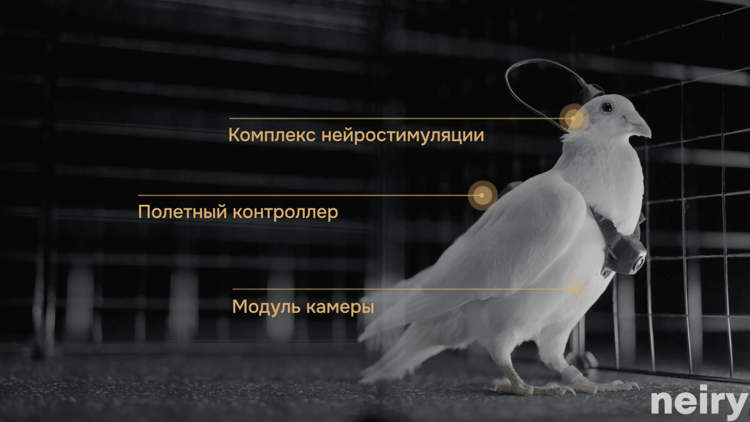
A bag containing a solar panel is placed on the bird's back, housing the controller and other electronic components, while a camera for surveillance is attached to its chest. The controller receives pre-loaded flight instructions, similar to a drone, and the pigeon turns right or left based on the electrical impulse provided by the stimulator.
According to the company's founder, Alexander Panov, this technology does not require any prior training for the birds. He claims that any animal can be made radio-controlled after the chip implantation surgery.
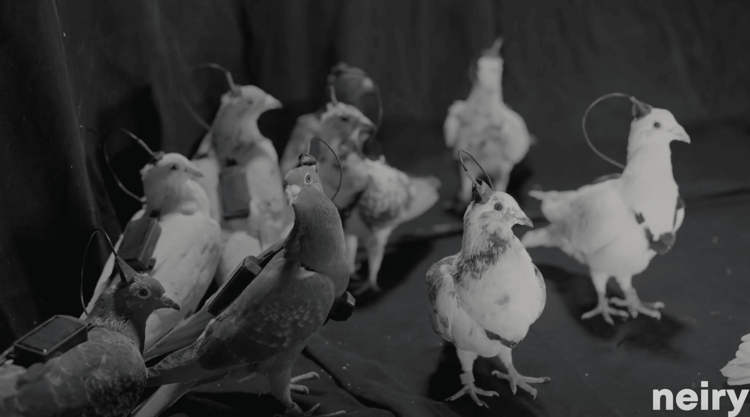
One pigeon can fly nearly 500 kilometers in a day without recharging its battery, which is almost impossible for a normal drone. The company plans to use larger birds like crows, seagulls, and albatrosses in a similar manner after pigeons.
Although Nairi states these biodrones will be used for industrial inspection and rescue operations, experts have expressed concern about their potential military use.
There is a growing fear, especially in countries like Russia, that such birds could be used for secret espionage. However, many are skeptical about whether this 'PJN-1' project will be as effective as claimed, given that Russian technologies have failed many times in the past.
This specific news has been automatically translated by AI. As a result, there may be some inaccuracies or language errors.