Intense Electoral Battle Heats Up in Baglung Constituency-1 as Candidates Intensify Campaigns
Baglung. As the fervor for the House of Representatives election increases, the activity of candidates is escalating in Baglung Constituency No. 1. Constituency No. 1, which includes the district headquarters Baglung Bazaar, has historically been considered a stronghold by both the Nepali Congress and the CPN-UML.
In the Constituent Assembly election held in 2070 BS, the Nepali Congress won this constituency. At that time, some areas, including Galekot and Tarakhola from the current Constituency No. 2, were part of Constituency No. 1. In that election, Hari Khadka of the Nepali Congress was elected, securing 13,500 votes. His rival, Hirabahadur KC of the CPN-UML, received 11,963 votes.
Similarly, the then Maoist candidate Krishna Bahadur KC secured 6,003 votes, and Tirthasingh Thapa of the Rastriya Janamorcha received 2,159 votes. KC of the UML is in the electoral field again this time. Following the accidental death of Hari Bahadur, who defeated KC in the Constituent Assembly election, a by-election for the Constituent Assembly member was held in Chaitra 2071 BS.
In the by-election, Champadevi Khadka of the Nepali Congress emerged victorious. She is the wife of the late Hari Khadka. Champadevi secured 17,154 votes, while her closest competitor, Mana KC of the UML, received 15,068 votes. In that election, Maoist candidate Krishna KC was in the running, receiving 2,505 votes. Netra Budhathoki of Janamorcha received 1,949 votes. Both KC and Budhathoki forfeited their deposits.
The Nepali Congress, which won in the 2070 BS Constituent Assembly election and the 2071 BS by-election, faced defeat in 2074 BS when the CPN-UML formed the Left Alliance. In 2079 BS, they could not field a candidate as they had an alliance with the Janamorcha.
In the 2074 House of Representatives election, Surya Pathak of the CPN-UML was elected from the Left Alliance. He defeated Champadevi Khadka of the Nepali Congress by a significant margin. Pathak received 33,657 votes, while Khadka secured 20,616 votes.
In the 2079 election, there was a five-party alliance including the Nepali Congress, CPN (Maoist Centre), and Rastriya Janamorcha, under which the Congress secured two provincial assembly seats. For the House of Representatives, the common candidate of that alliance, Chairman of the Rastriya Janamorcha, Chitra Bahadur KC, was elected.
Chitra Bahadur received 21,464 votes, while Pathak of the UML received 18,845 votes. At that time, Khimmananda Kandel of the Rastriya Swatantra Party (RSP) received 9,191 votes. The RSP garnered a significant number of votes in this constituency without any organizational structure.
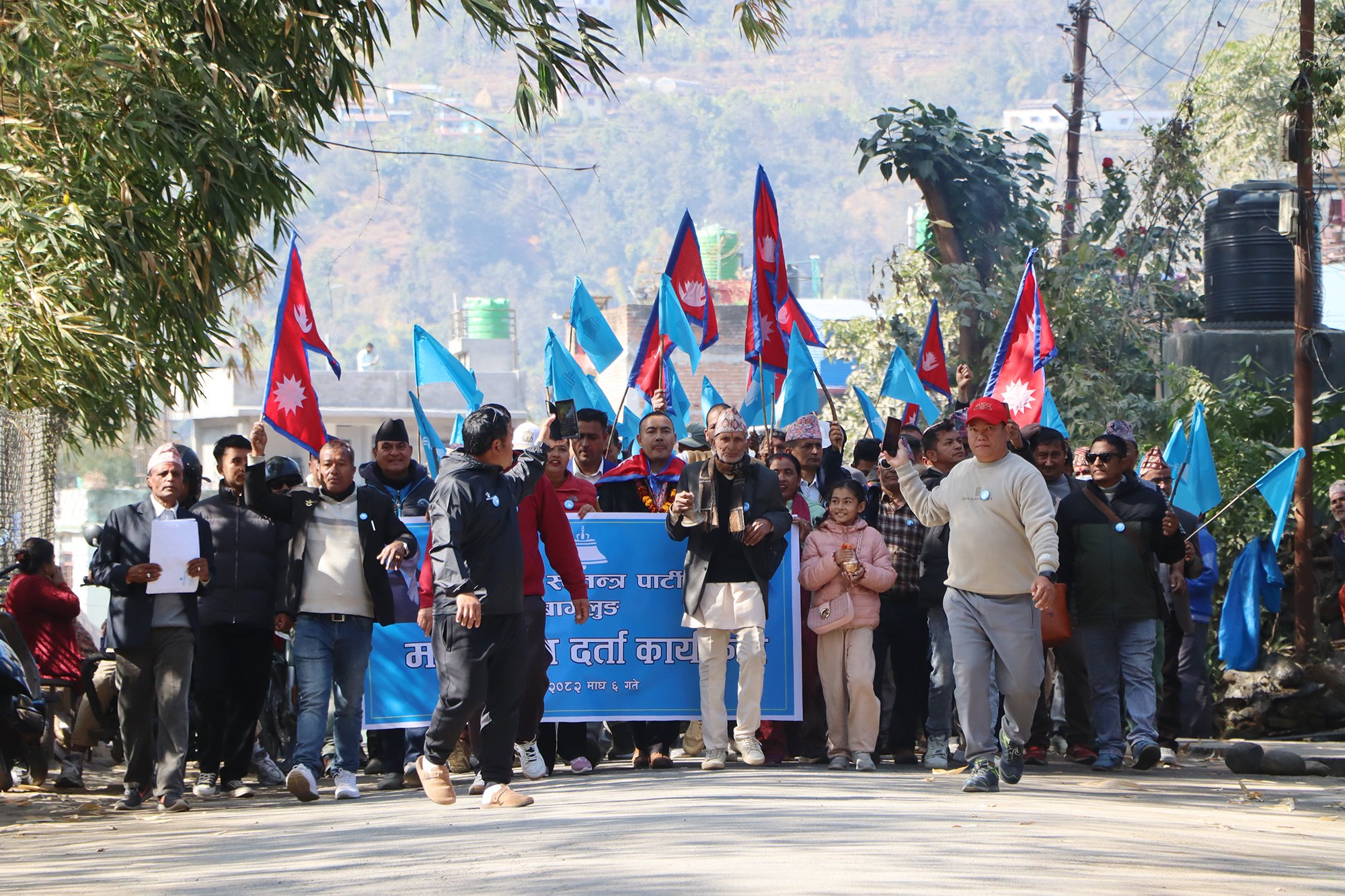
- Janmorcha-CPN Alliance, Others 'Single-Single'
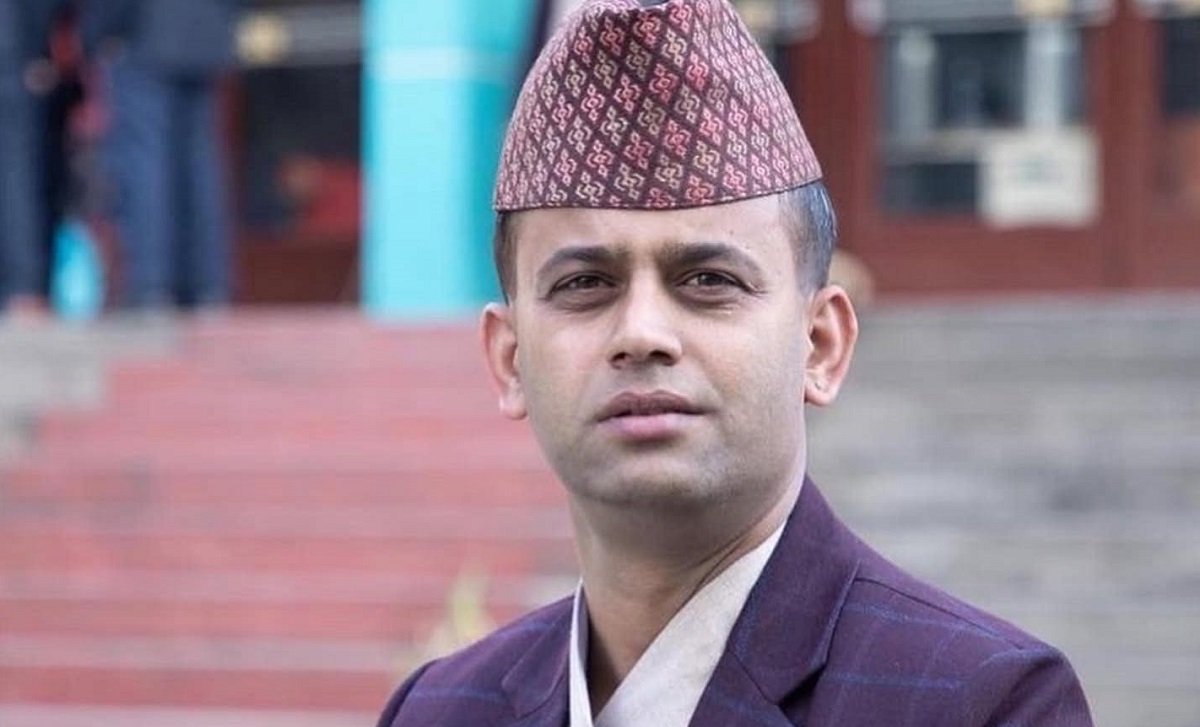
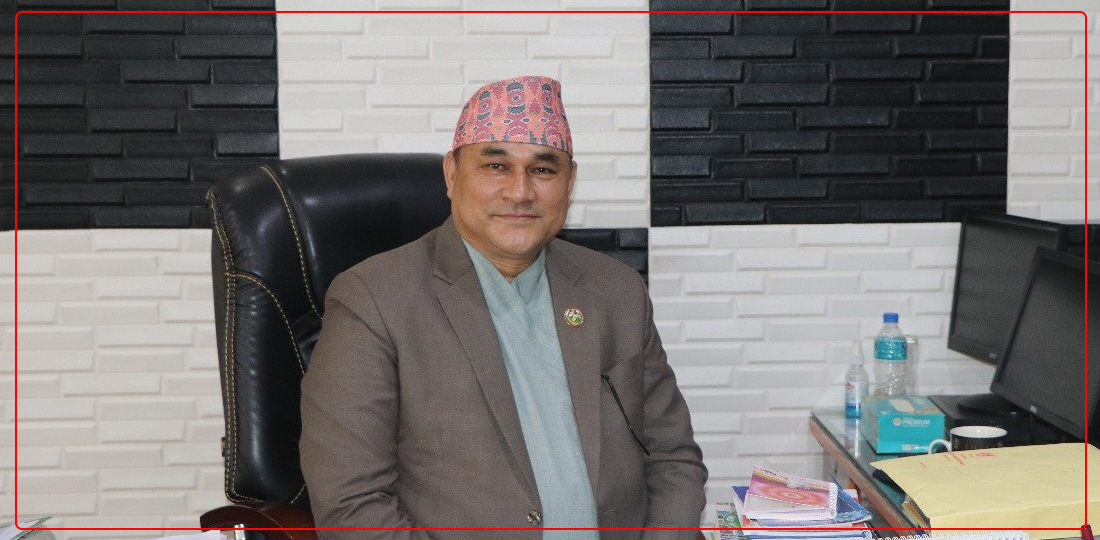
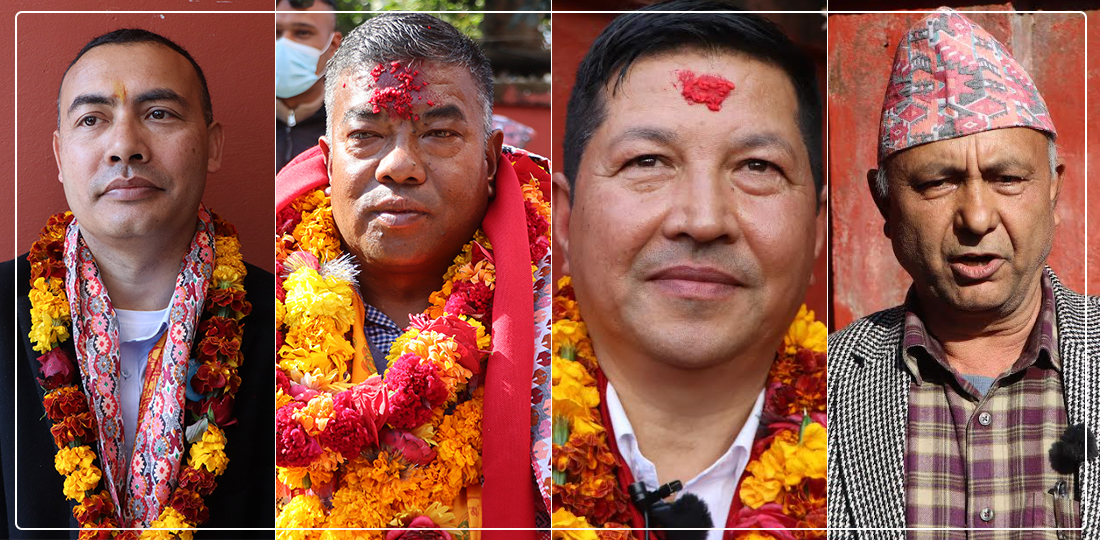
In this election, there are 11 candidates in Baglung-1. The main competition is expected to be among the Nepali Congress, CPN-UML, the Rastriya Janamorcha-CPN (CPN) alliance, and the Rastriya Swatantra Party. Bhim Shris from the Nepali Congress, Hirabahadur KC from the UML, Krishna Prasad Adhikari from the Janamorcha-CPN alliance, and Sushil Khadka from the RSP are in the electoral field for this constituency.
Looking at the proportional representation votes from the previous election, the Nepali Congress was first in this constituency. Congress received 16,493 votes, UML 15,428, RSP 7,877, and CPN-Janmorcha 8,325 votes. With the growing atmosphere for new forces now, intense competition is anticipated. There is pressure on the old parties to maintain their legacy and on the new ones to establish themselves.
Since the election is taking place after the Gen Z movement, it is difficult to predict who will win. While Congress, RSP, and Janamorcha have fielded new candidates, the UML has repeated an old face. The losing streak of Hirabahadur KC, the candidate nominated by the UML, is long. He has been defeated in elections ranging from the 2070 BS Constituent Assembly election to the 2079 BS Provincial Assembly election.
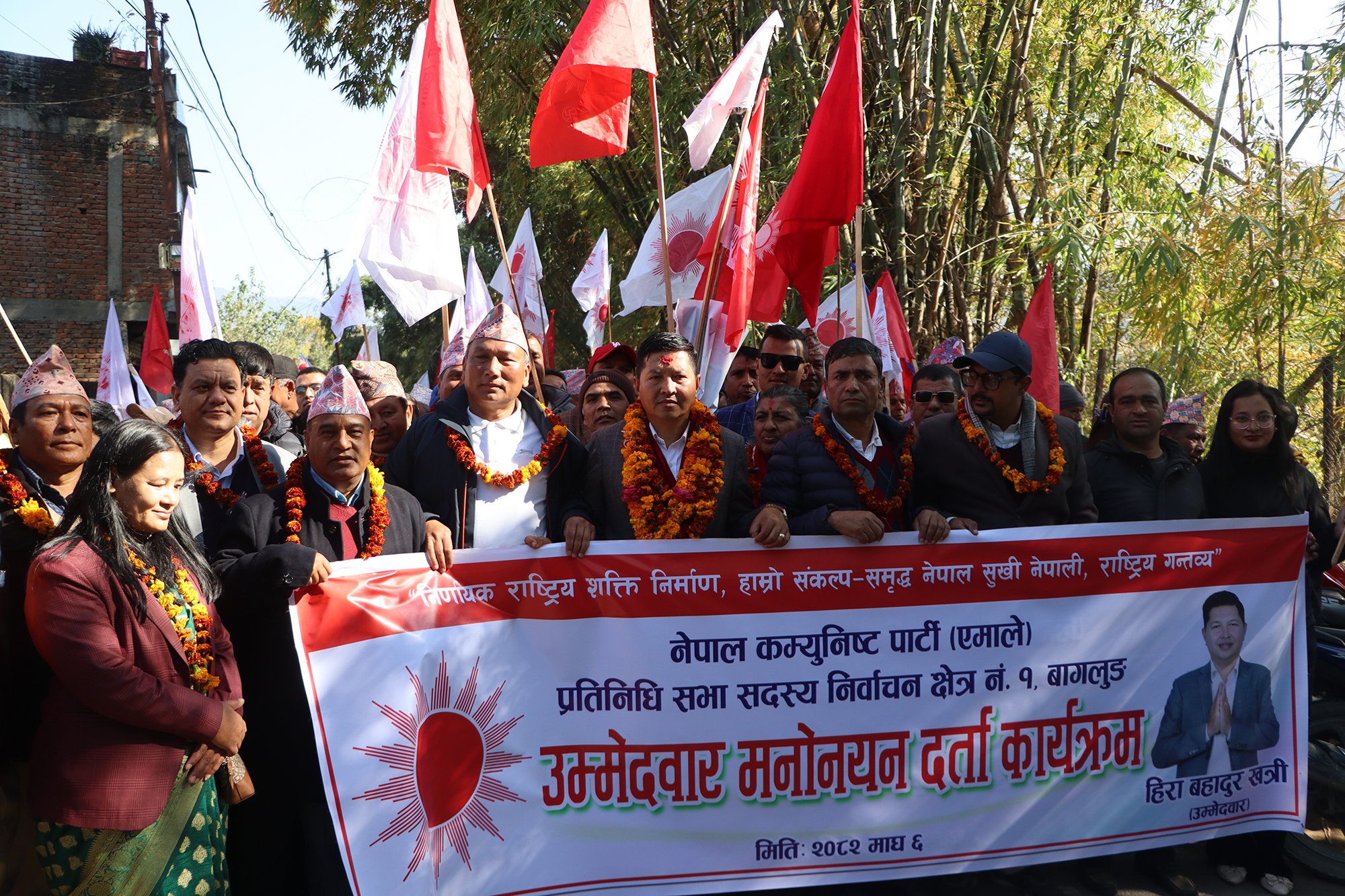
- Challenge for Chitra Bahadur's Successor to Win
In the previous election, Chairman of the Rastriya Janamorcha, Chitra Bahadur KC, was elected from this constituency. KC, who was elected with the support of the Nepali Congress and the then CPN (Maoist Centre), has been succeeded by Krishna Prasad Adhikari, who worked in his secretariat for a long time, as the Janamorcha candidate this time, with KC contesting under the proportional representation system.
Adhikari is aiming to secure the result in his favor by leveraging Janamorcha's organizational votes and the support of the CPN in this constituency. However, with the Janamorcha organization weakening recently and the alliance with the CPN having fewer votes, securing a victory is not that easy. Moreover, the aggressive rise of new parties suggests that significant effort will be required to win.
- Setback for Congress-UML Too
It is widely anticipated that the votes secured by the Rastriya Swatantra Party candidate in the 2079 election will increase this time. Last time, RSP's Khimmananda Kandel received 9,191 votes. This time, after the RSP nominated Sushil, sidelining Kandel who was hoping for a ticket, Kandel has become disgruntled. He has been voicing his opposition on social media.
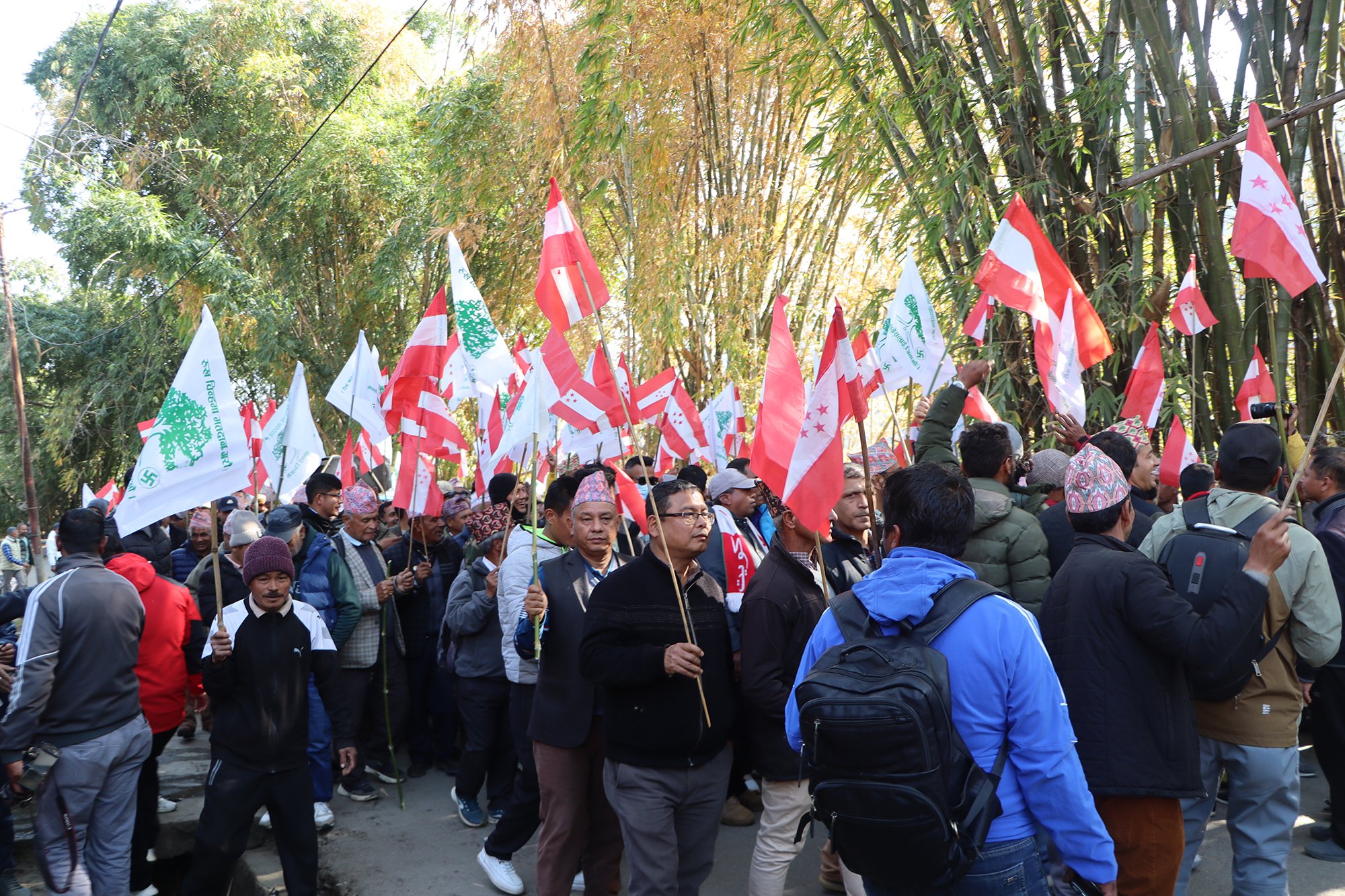
If Kandel and some other RSP leaders support Khadka, it appears it will heavily impact the Congress and UML candidates, potentially altering past results. Since Khadka is a resident of Baglung Bazaar, it is anticipated that the RSP will secure a large number of votes from the urban area.
However, the RSP's organizational structure is weak in the villages. If the RSP receives organizational votes correctly from all levels of the Congress and UML, it seems it will be difficult for them too.
- Local Level Votes Breakdown
This constituency comprises four local levels: two rural municipalities and two municipalities. Among these, the Nepali Congress leads in Baglung Municipality and Kathekhola Rural Municipality, while the Rastriya Janamorcha leads in Jaimini Municipality and Bareng Rural Municipality. In the local elections, there was also an alliance between the Nepali Congress, Rastriya Janamorcha, and CPN (Maoist Centre).
This constituency has 37 wards. Among the 14 wards of Baglung Municipality, wards 1, 3, 8, 9, 11, 12, 13, and 14 were won by the Nepali Congress, ward numbers 2, 4, 10 by the CPN, and ward numbers 5, 6, and 7 by the CPN-UML.
In Jaimini, which has 10 wards, wards 1, 2, 5, 7, 8 were won by the Nepali Congress, 3, 4, 6 by the CPN, ward number 9 by the CPN-UML, and ward number 10 by the Rastriya Janamorcha.
In Kathekhola Rural Municipality, which has 8 wards, wards 1, 5, 6, 8 were won by the Nepali Congress, 2, 3, 7 by the CPN-UML, and ward number 4 by the Rastriya Janamorcha.
Bareng Rural Municipality, considered a stronghold of the Rastriya Janamorcha, has 5 wards. Wards 1 and 2 were won by the Rastriya Janamorcha, wards 4 and 5 by the Nepali Congress, and ward number 3 by the CPN-UML.
This constituency has 115 polling stations across 48 locations, with a total of 98,846 voters.
This specific news has been automatically translated by AI. As a result, there may be some inaccuracies or language errors.