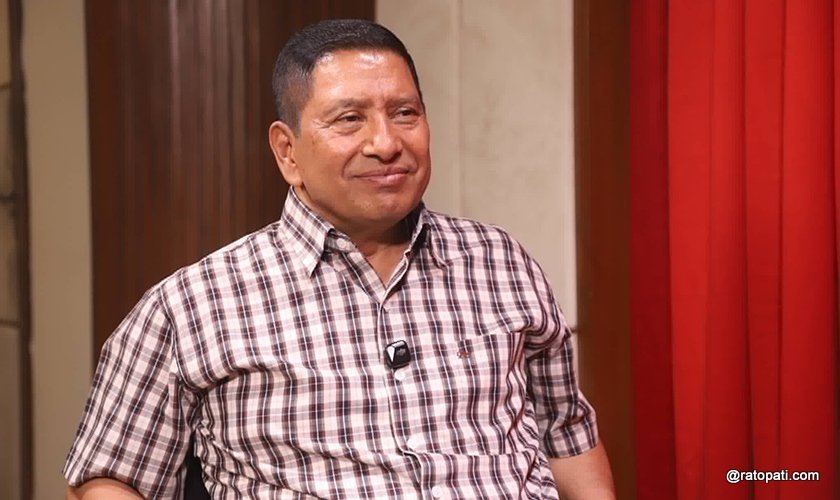
Actress Bipana Thapa Discusses Return to Nepali Cinema and New Film 'Aabata Aama'

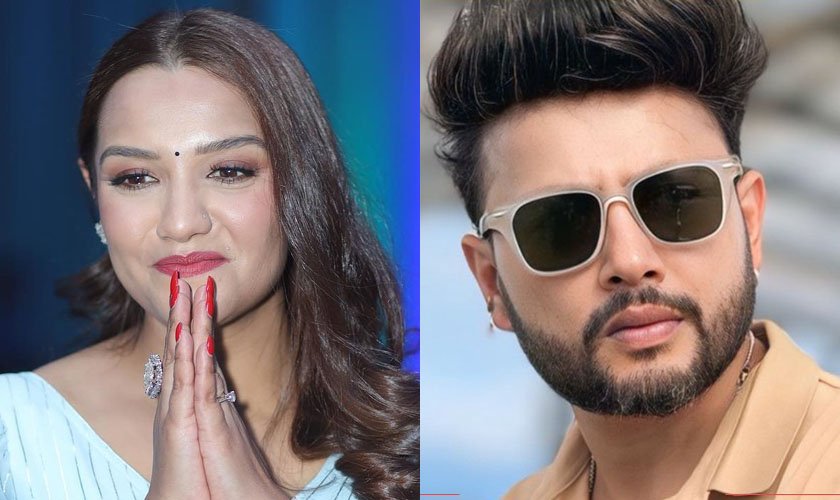
Kathmandu. Actress Bipana Thapa made her comeback to Nepali cinema last year with 'Hraswa Dirgha' after a 16-year hiatus. Her new film, 'Aabata Aama', was released on Friday, for which she has come to Nepal for promotion. Bipana, who is settled in India, was once a very popular actress.
Bipana, who plays an important role in 'Aabata Aama', considers it one of the best films of her career. Due to her duties towards her family and children, she hasn't been able to dedicate as much time to films as she would like, and recently she has started appearing as a character actress. Bipana, who prefers to be called an artist rather than an actress, says she is currently active in acting for the love and goodwill of the audience rather than for commercial gain or financial benefit. Here are the edited excerpts of the conversation Ratopati had with Bipana focusing on these topics:
- Is the purpose of your current visit to Nepal for the film 'Aabata Aama' or something else?
I have come to Nepal specifically for the release of the film 'Aabata Aama'. Not just me, Indian actor Pradeep Rawat is also here for the same reason. We are busy promoting the film and meeting the media.
- How are the preparations for the film's release?
They are very good. The film has also been censored. I have watched the film too. The film has turned out very well. All the songs, teasers, and trailers released for promotion have received 100% positive feedback. The entire unit has worked very hard for the film.
- How did you get involved in the film?
I made my comeback to film acting after 16 years through director Chandra Pant's previous film, 'Hraswa Dirgha'. During the shooting of that film, he told me, 'There is a good role in another film too, you must do it, Didi.' He offered me the role based on his trust in me. I was also impressed by his work. I joined because the first collaboration was good.
- The title itself is 'Aabata Aama', is this film made about mothers?
'Aabata Aama' is the first name of creation. This is the story of a mother, a film carrying an important message. It encompasses the stories and suffering experienced by every Nepali mother. It is both a message-oriented and an entertaining film. Its subject matter has been prepared keeping every viewer in mind.
- It has been about a year and a half since 'Hraswa Dirgha' and now you are appearing in a new film. Isn't this gap a bit long for an actress?
It is a long gap. But my first priority right now is my children and family. Films come second. Due to my child's studies, exams, and needs, I could not continue with films. Even now, I am not fully active; my responsibility towards home is still quite high until my son finishes his graduation. Even after acting in 'Hraswa Dirgha', I received film offers continuously. I acted in some, but due to various reasons, I couldn't continue and had to leave midway.
- When you returned after 16 years with 'Hraswa Dirgha', you received the same love from the audience. Don't you feel like continuing in films now?
I don't feel like it, because I chose family life myself. I am not in the industry now to build a career or struggle. I am only spending the time left after giving time to my family on acting. That is what I should be doing.
- Previously a heroine, now a character actress. How is the experience now?
Even before, I preferred to call myself an artist rather than a heroine. An artist does artistry, so I don't feel much difference in the role. But I consider myself lucky because in the films I am doing as a character actress, I am the main character. 'Aabata Aama' is based on a mother's story, and I am in the role of the mother. Perhaps others don't get a role like mine upon their comeback. This has happened due to everyone's support and love.
- Why do you think the audience should watch this film?
This film is one that every child and guardian must watch. This story is not just the story of a Nepali mother, but the story of mothers worldwide. No matter which corner of the world a mother is from, her struggle and love for her children are the same. This might not be different from the story inside every home. It also covers the plight faced by many mothers in Nepal after their children go abroad or leave them in old age homes. Message-oriented films are being made less frequently in Nepal lately. In such a situation, this film gives a positive message to society. This is the age of social media, where people are thinking only about themselves. This film teaches one to think and live for others.
- How easy is it to work in Nepali films while living in India?
It is a bit difficult, which is why I only do limited work. I am also a mother, wife, and daughter-in-law, so I have to move forward by balancing everything.
- How does the community there view your acting?
There is also a culture of respecting art and artists there. My family and neighbors are proud of me. Because I act in films, they give me even more respect and love. My sisters-in-law feel proud saying, 'My sister-in-law has done well in Nepali films.' They encourage my work.
- Does your family watch your films?
They haven't watched the films since my comeback to acting. I haven't been able to watch them live. But they enjoy watching my old films on YouTube.
- Is the remuneration from the film enough to cover your travel expenses to and from Nepal?
I am not acting for commercial gain now. I have joined this field out of my own desire and for the love of the audience. This field and its audience gave me name, fame, and respect first. I act to stay connected with the industry and the audience. The love of the audience and my identity are more important to me than money.
This specific news has been automatically translated by AI. As a result, there may be some inaccuracies or language errors.