Rupandehi-3 By-election: Rural Voters Feel Unreached by Candidates Focused on Urban Centers
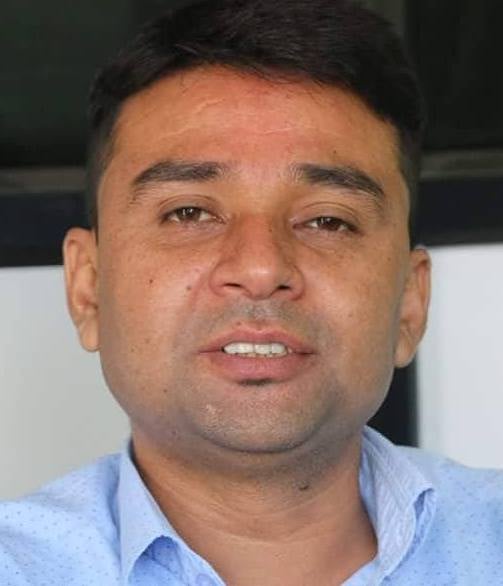

Butwal. Kishori Chaudhary, 46, who lives in Harnyaya, Syang Rural Municipality-3, Rupandehi district, has a five-member family. Chaudhary, whose economic condition is ordinary, works as a laborer in house and road construction.
Chaudhary, met by Ratopati near the Belwaha-Bethari road in Shuddhodhan on Thursday afternoon while working on construction at a house, said that she has not felt much interest in the election as leaders have not visited her home or neighborhood. 'I don't even know who the candidates are yet,' she said.
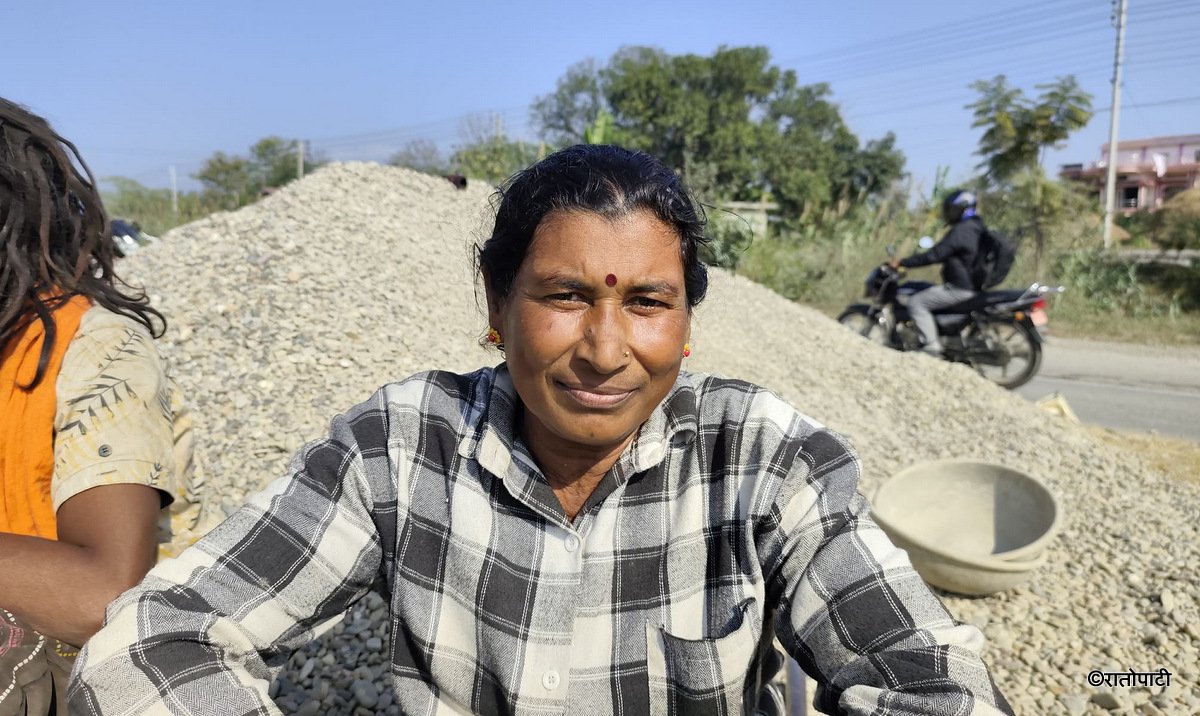
Similarly, 65-year-old Dhanraj Kewat from West Ammuwa, Syang Rural Municipality-7, depends on agriculture. Kewat, who takes the vegetables produced on his own farm to the market by bicycle for sale, also stated that no candidate has visited his home yet.
'We have voted many times, but leaders have never come to our homes,' he said, 'I don't even know what kind of candidate it is.' According to him, farmers are busy with farming. 'Planted vegetables, produced crops, went to sell. Leaders talk about elections, but I don't even know who the candidate is,' he complained. He has heard the names of old leaders but has not recognized or seen the current candidates. 'It doesn't even feel like an election has arrived yet,' Kewat added.
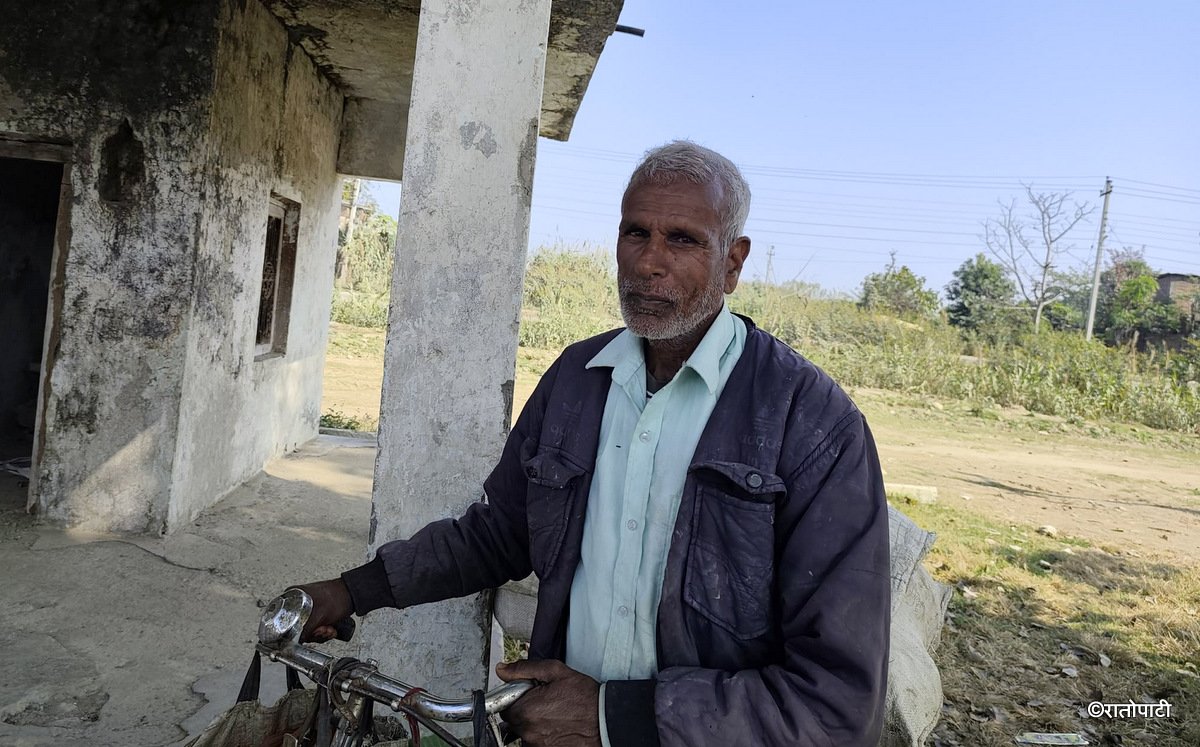
Both Chaudhary and Kewat are voters in Rupandehi Constituency No. 3.
In this constituency, 36 candidates from various professions, including doctors, engineers, and experienced politicians, are in the field. Candidates are prioritizing social media and internal meetings, running campaigns focused on urban areas. However, they have not yet reached the rural areas effectively.
The lower-class voters who have little interest in politics do not seem to have been touched by the election yet. Rupandehi-3 covers Shuddhodhan Rural Municipality, Siddharthanagar Municipality, wards 1 to 3, 6, and 7 of Syang Rural Municipality, ward number 2 of Omsatiya Rural Municipality, wards 7 and 8 of Mayadevi Rural Municipality, wards 13 and 14 of Tilottama Municipality, and wards 14 to 19 of Butwal Sub-Metropolitan City.
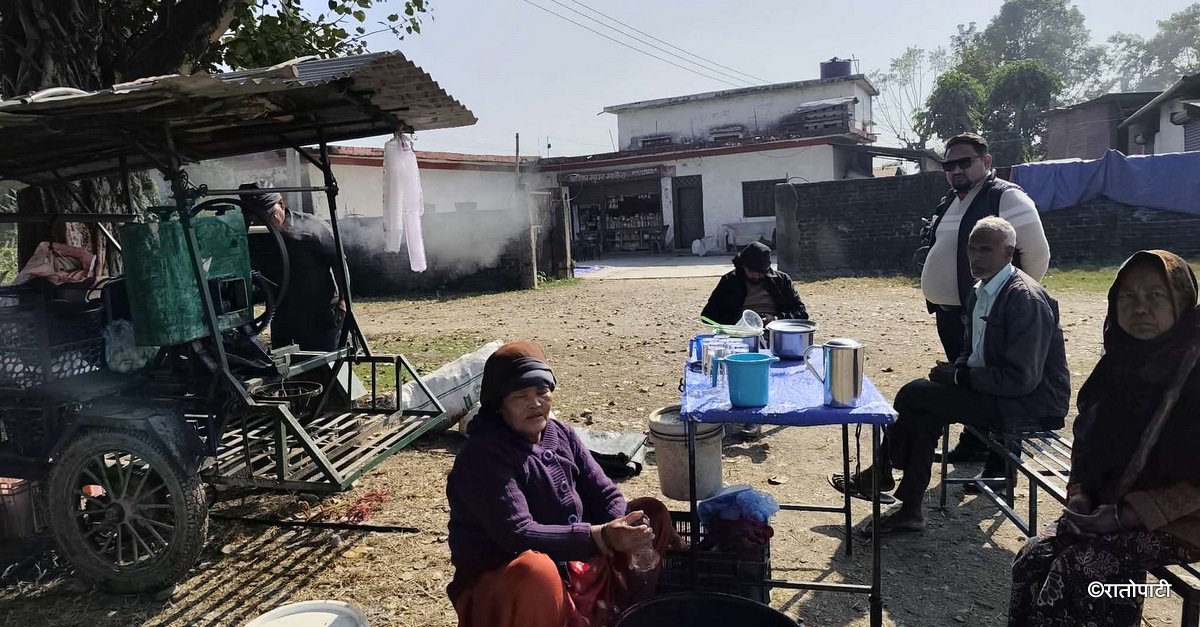
Among these, an election atmosphere has not yet been created in most rural areas. Election activities have started to be seen in some urban areas of Siddharthanagar (Bhairahawa) and Tilottama.
Candidates are still giving more priority to urban centers and access to media. Therefore, although candidates are being discussed in every urban square, voters in rural areas have not been able to recognize the candidates.
Mewalal Chaudhary, met at a junction in Motipur, Butwal Sub-Metropolitan City-17, also said that he has not had a direct meeting with any candidate yet. 'I never got a chance to find out what anyone would do,' he said.
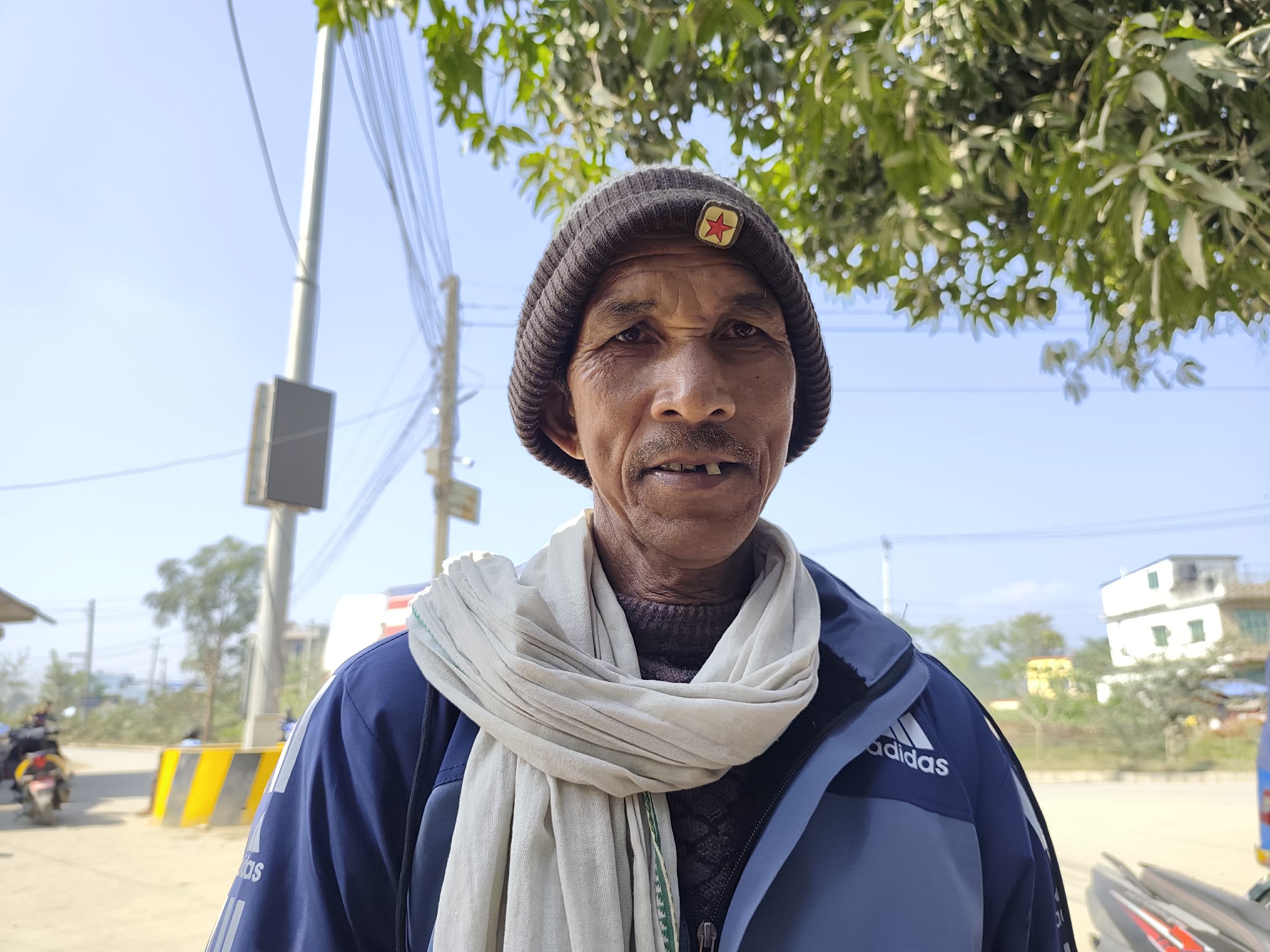
This area is considered less developed compared to Butwal city. Chaudhary, who previously worked in a government school, shared his experience that the election has not yet reached the rural areas. 'I haven't even had the opportunity to present the development problems of our neighborhood,' he said.
Khumkumari Pun from the same place also said that she does not recognize the candidates. She stated that although she knows the voting date, she has not received information about the candidates because she does not use social media.
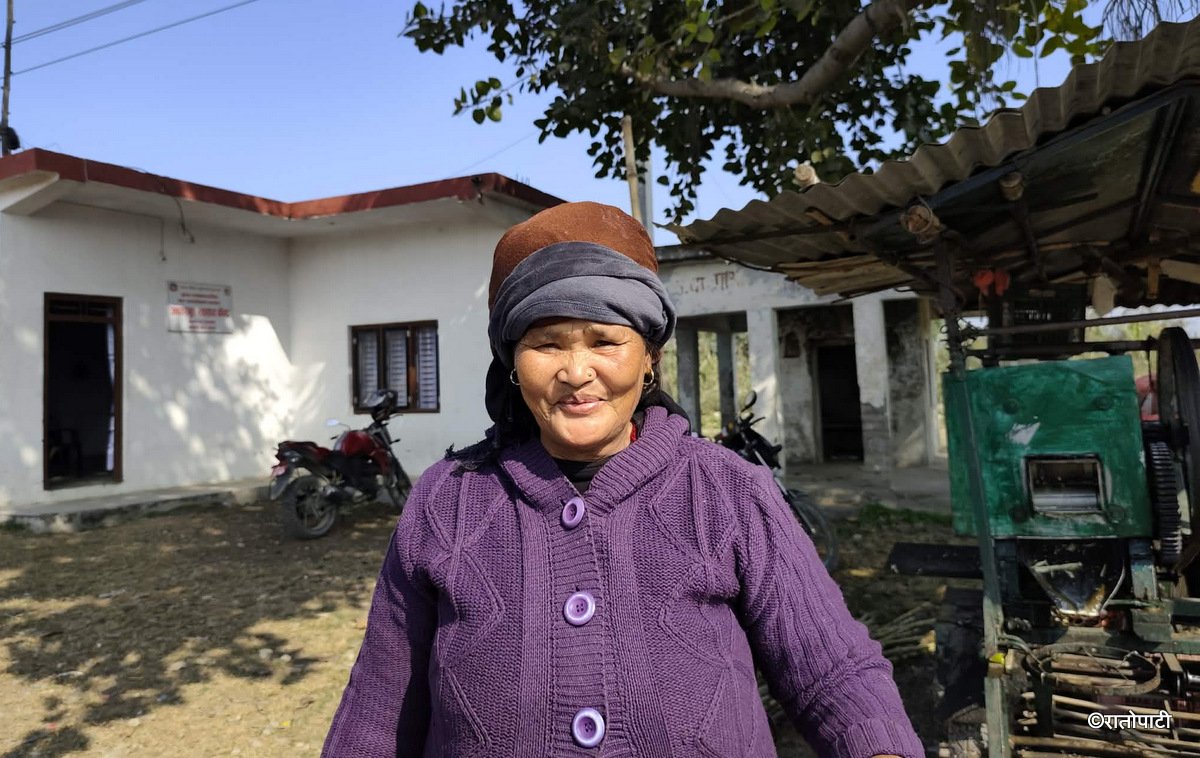
Similarly, Binod Bashyal, who runs a shop in Pokharabari, Butwal-18, also said that the election atmosphere has not yet arrived in his area. 'This area is rural,' he said, 'Although the road has been expanded, it has not been maintained. We need leadership that makes policies for the youth, but we haven't had the opportunity to meet candidates or read their manifestos.'
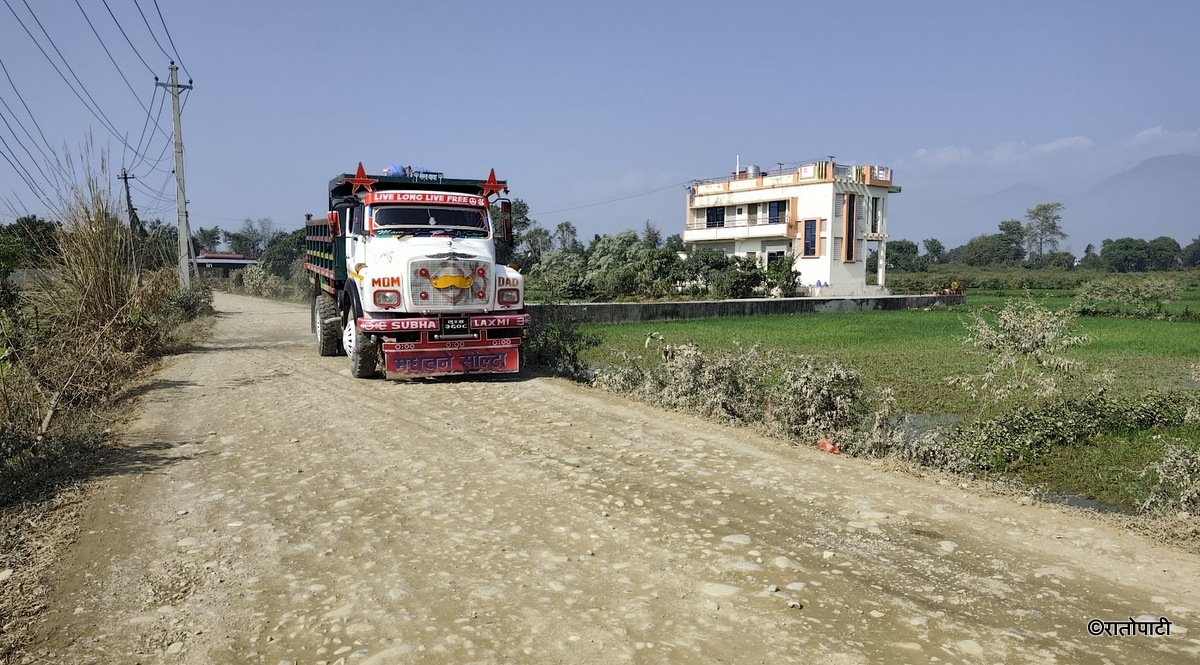
Hajarilal Baniya, 52, from Motipur, Annapurna Tole, sells cosmetic goods in the market. He said that the construction of the Belwaha-Bethari road started many years ago but is still not complete, causing them to suffer from dust and mud.
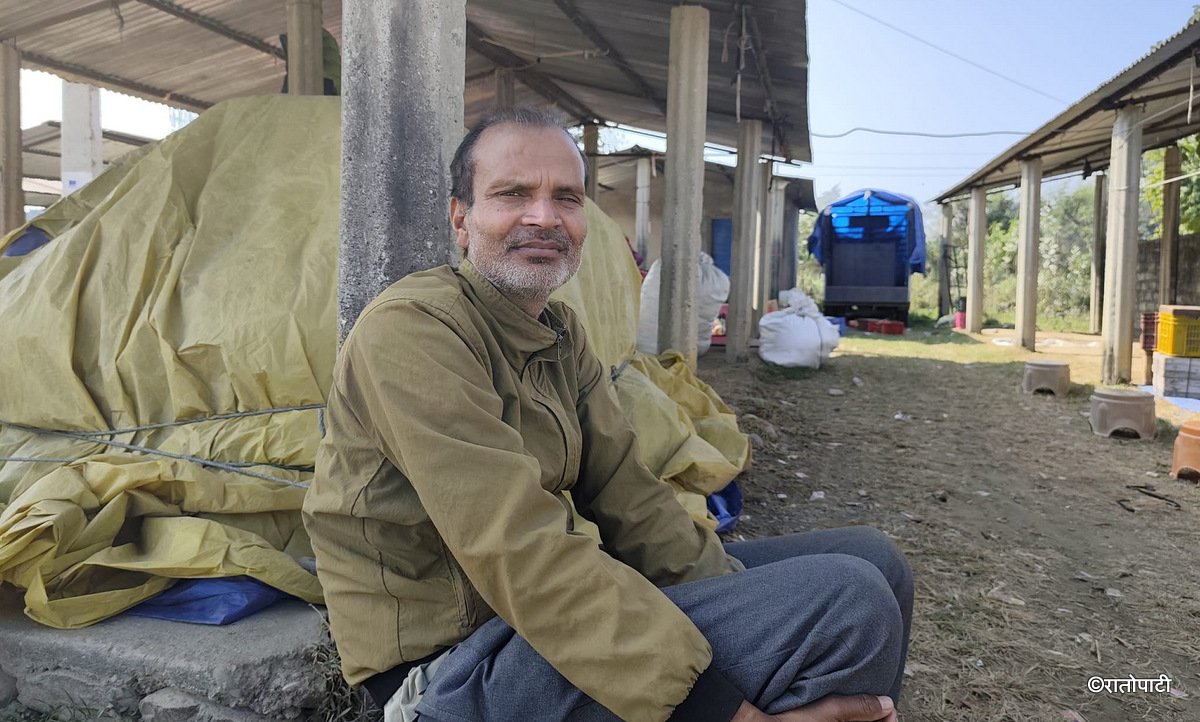
According to him, farmers also face the problem of not getting fertilizer and seeds on time. 'The landless squatters' problem remains the same for years,' he said, 'It doesn't seem like the parties are paying attention to the solution.'
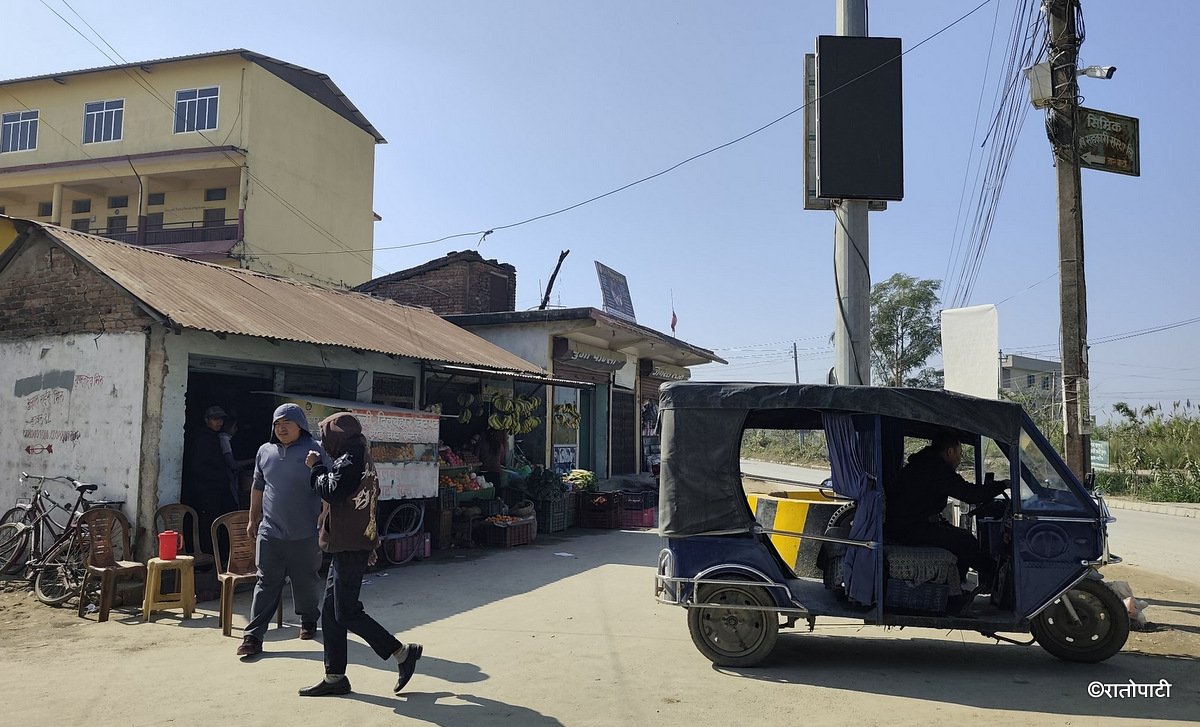
'Candidates who come greeting us during the time of asking for votes turn away when we approach them with problems later,' Baniya complained.
Older voters in Rupandehi Constituency No. 3, especially residents of rural areas, want to remind candidates of their old demands. Problems related to roads, health posts, and drinking water remain the same.
64-year-old Rukbahadur Pun says, 'Leaders only remember the village when they come to ask for votes, but now they have stopped coming to the village. In such a situation, how can we trust them?'
Dhan Kumari Chaudhary from Shuddhodhan Rural Municipality-3 also complained that candidates visit when asking for votes but refuse to meet later or avoid them when approached with problems.
Upendra Chaudhary of Bhairahawa said that although leaders have changed, the problems in urban and rural areas remain the same because past commitments are not being addressed. 'Whatever is announced in the election is not implemented,' he said.
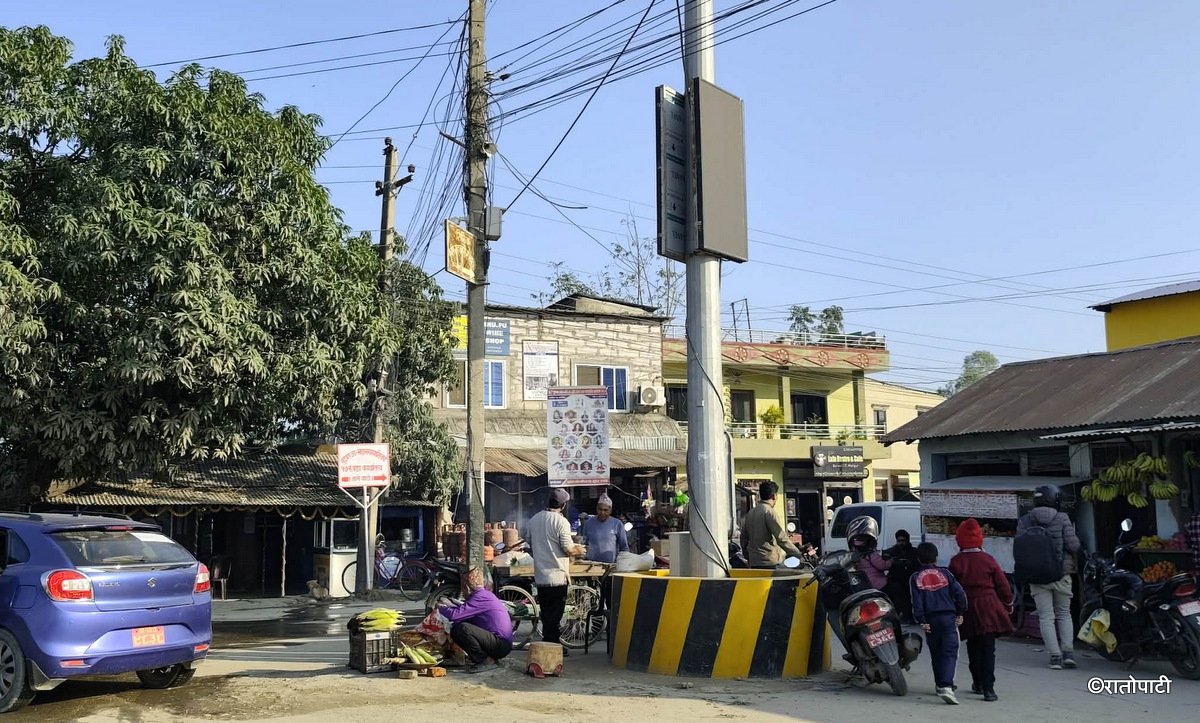
According to him, the construction of the Belwaha-Bethari road started nearly a decade ago, but problems persist in some places. The announcement for the Motipur Industrial Area construction was also made long ago, but concrete work is not visible.
What are the candidates doing?
Rupandehi Constituency No. 3 is an area of great interest compared to other constituencies. The government had set the date for a by-election in November after the death of the then House of Representatives member Deepak Bohara. It was later postponed, and the voting is now set for February. This time, young candidates from various professions are in the field in this constituency. Rastriya Swatantra Party candidate Dr. Lekh Jung Thapa is seeking votes through internal meetings and social media.
Similarly, UML candidate Basudev Ghimire is meeting voters in various places in Bhairahawa and Tilottama. Candidates including RSP's Gaurav Bohara, Nepali Congress's Sushil Gurung, CPN's Faiz Ahmed Khan, and JSP Nepal's Shrinivas Yadav are seeking votes through social media, cadre meetings, and phone contacts. However, their activities appear mostly concentrated in urban areas. Candidates say they plan to release their party's manifesto and hold election rallies after the manifesto is published.
Yagya Gaire, Chairman of UML Rupandehi, stated that large election rallies have not yet taken place in Constituency No. 3, nor in other constituencies. 'Door-to-door campaigning and other programs will gain momentum after the manifesto arrives,' he said.
According to Professor Madhav Kumar Paudel, while it is natural for candidates to focus on urban areas where voters are numerous, it is also necessary to have direct meetings with rural voters soon.
Past Situation
In the 2079 House of Representatives election, Deepak Bohara of RPP won from Rupandehi-3. He defeated the then Home Minister Balkrishna Khand of the Nepali Congress. At that time, RPP had the support of UML, and UML did not field a candidate in the direct election. Bohara received 36,648 votes, while Khand received 34,006 votes.
_4EtGSCWLMY.jpg)
In the proportional representation category, Congress received 20,278 votes. UML received 16,986 votes, and RPP received 14,154 votes. RPP, which won the direct election, received only 9,183 votes in proportional representation. Similarly, Nagarik Unmukti Party received 6,000, JSP Nepal received 5,000, Lospa received 5,000, Janmat Party received 3,700, Maoist Center received 2,600, Janmukti Party received 1,900, Hamro Nepali Party received 1,347, and CPN (Unified Socialist) received 781 votes.
This specific news has been automatically translated by AI. As a result, there may be some inaccuracies or language errors.