Digital Banking Brings Both Opportunities and Risks: Deputy Governor Dhungana

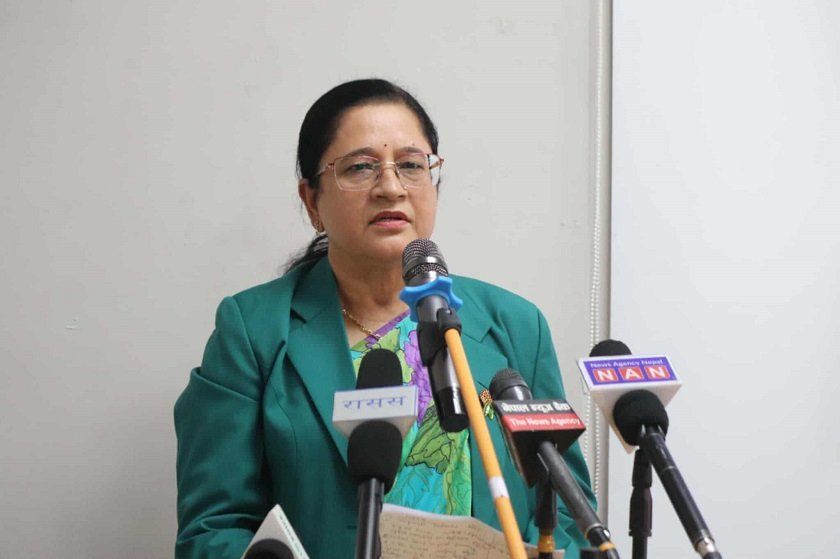
Kathmandu, Nepal – Deputy Governor of Nepal Rastra Bank (NRB), Neelam Dhungana Timsina, has highlighted the dual impact of digital banking on Nepal's financial landscape, emphasizing both its transformative potential and emerging challenges. Speaking at the "Future Banking" program organized by the Economic Media Association Nepal (EMAN), Dhungana provided crucial insights into the evolving banking sector.
Digital Transformation in Banking
The rapid adoption of digital banking has revolutionized financial services in Nepal, making transactions faster and more accessible. Mobile banking and online payment systems have significantly improved convenience for customers. However, Dhungana cautioned that this shift has also introduced new risks, particularly in liquidity management and cybersecurity.
Economic Recovery and Growth
Nepal's economy shows promising signs of recovery post-pandemic, with a projected GDP growth rate of 3.9% for the current fiscal year. Inflation remains under control at 4.4%, indicating stable economic conditions. These positive trends suggest gradual improvement across various sectors, including banking and finance.
Regulatory Challenges and Solutions
To address the risks associated with digital banking, NRB has implemented several measures, including the establishment of a dedicated Payment Systems Department in 2018. Dhungana stressed the importance of cautious licensing policies, noting that unplanned expansion could lead to instability, as seen in past forced mergers of banks.
Key Concerns in the Banking Sector
Despite progress, challenges persist, particularly in managing non-performing loans (NPLs) and ensuring robust corporate governance. Dhungana urged banks to prioritize credit risk assessment and recovery processes while fostering a culture of transparency and accountability.
A Call for Collaborative Efforts
Sustainable growth in Nepal's banking sector requires collective action from regulators, financial institutions, and customers. Dhungana emphasized the need for responsible practices to harness the full potential of digital banking while mitigating associated risks.
Conclusion
As Nepal's financial sector embraces digital innovation, balancing opportunity with risk management remains critical. With prudent regulation and collaborative efforts, the country can achieve a resilient and inclusive banking system for the future.