Only Half of Pregnant Women Deliver Babies in Gandaki Province

Pokhara, Nepal, Health authorities in Gandaki Province have raised serious concerns as data reveals a troubling gap between the number of pregnant women and actual childbirths, with evidence pointing to widespread sex-selective abortions in the region.
Concerning Statistics Highlight the Issue
Recent government records show that while approximately 35,000 women become pregnant annually in Gandaki Province, only about half of them (16,000–17,000) actually give birth. In the fiscal year 2081/82, out of 35,334 registered pregnancies, only 16,839 births were recorded, leaving 18,495 cases unaccounted for. Similarly, the previous year saw 40,983 pregnancies but only 21,164 live births, with 19,819 pregnancies mysteriously disappearing from records.
Sex-Selective Abortions Suspected
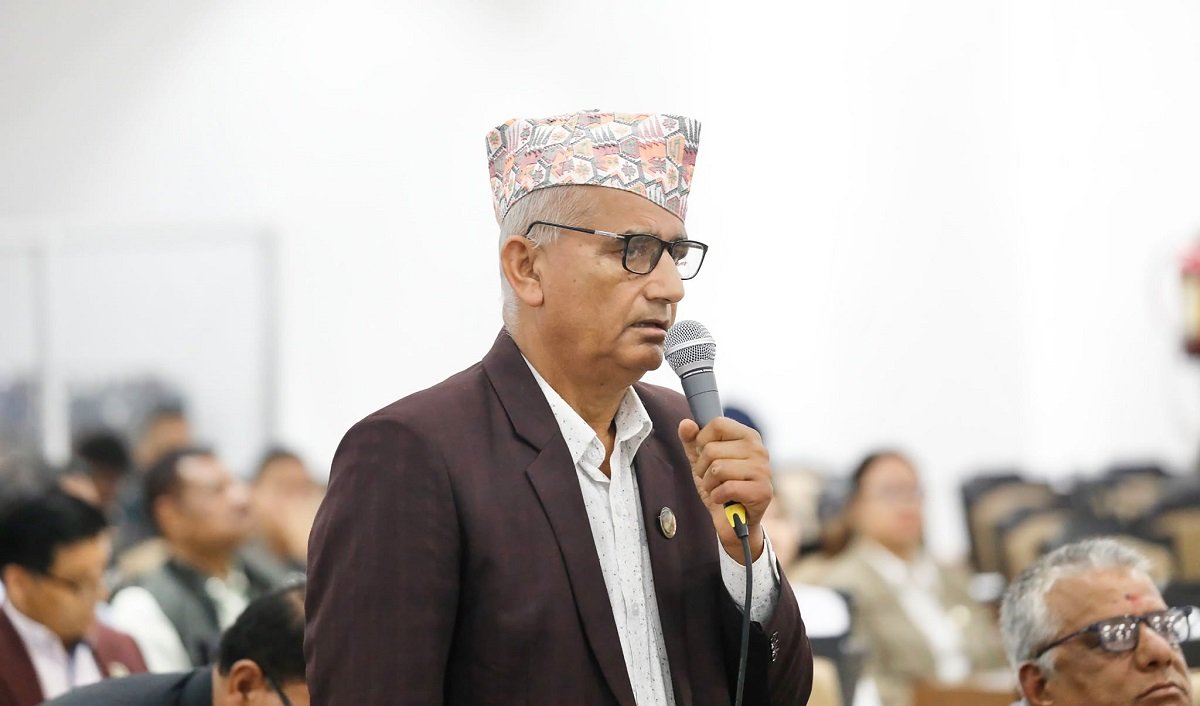
Health Director Khim Bahadur Khadka expressed grave concerns, stating that while some births may go unreported if they occur at home, the massive discrepancy strongly suggests the prevalence of sex-selective abortions. A survey conducted across Gandaki's 73 local governments revealed a disturbing gender imbalance among children under five: 45,000 boys compared to just 39,000 girls. "This gap of 6,000 girls clearly indicates that female fetuses are being selectively aborted," Khadka warned, emphasizing the long-term social and demographic consequences of such practices.
Exploitation of Legal Abortion Provisions
Nepal's law permits abortion only under specific circumstances, including cases of rape, incest, or when the pregnancy poses a serious risk to the mother's or child's health. However, reports suggest that private clinics and pharmacies in Gandaki are exploiting loopholes, conducting illegal sex-determination tests and abortions for profit. Despite regulations allowing abortions up to 12 weeks (via medication) or 28 weeks (surgically, with restrictions), there is little to no monitoring of these facilities, enabling widespread misuse.
Additional Contributing Factors
-
Underreporting of Births: Some women may deliver outside the province or in private healthcare facilities, leading to gaps in official records.
-
Teen Pregnancies: Approximately 11% of pregnant women in Gandaki are under the age of 20, highlighting issues of early marriage and lack of reproductive health education.
-
Lack of Awareness: Many women remain unaware of the severe health risks associated with unsafe abortions, including life-threatening complications.
Calls for Immediate Action
Dr. Dela Singh, Head of Obstetrics at Pokhara Health Science Institute, stressed the urgent need for stricter enforcement of abortion laws and community education programs to combat gender discrimination and promote safe reproductive health practices. "We must crack down on illegal abortions and raise awareness about their dangers to protect women's health and ensure a balanced society," she said.
Moving Forward
To address this crisis, experts recommend:
-
Strengthening monitoring systems to track pregnancies and births accurately.
-
Launching awareness campaigns to educate communities about gender equality and the legal consequences of sex-selective abortions.
-
Providing support services for young and vulnerable pregnant women to reduce reliance on unsafe practices.
Without immediate intervention, Gandaki Province risks severe gender imbalances and long-term social disruptions, underscoring the need for coordinated efforts from government, healthcare providers, and civil society.