Electric Buses in Kathmandu Valley: Progress and Challenges

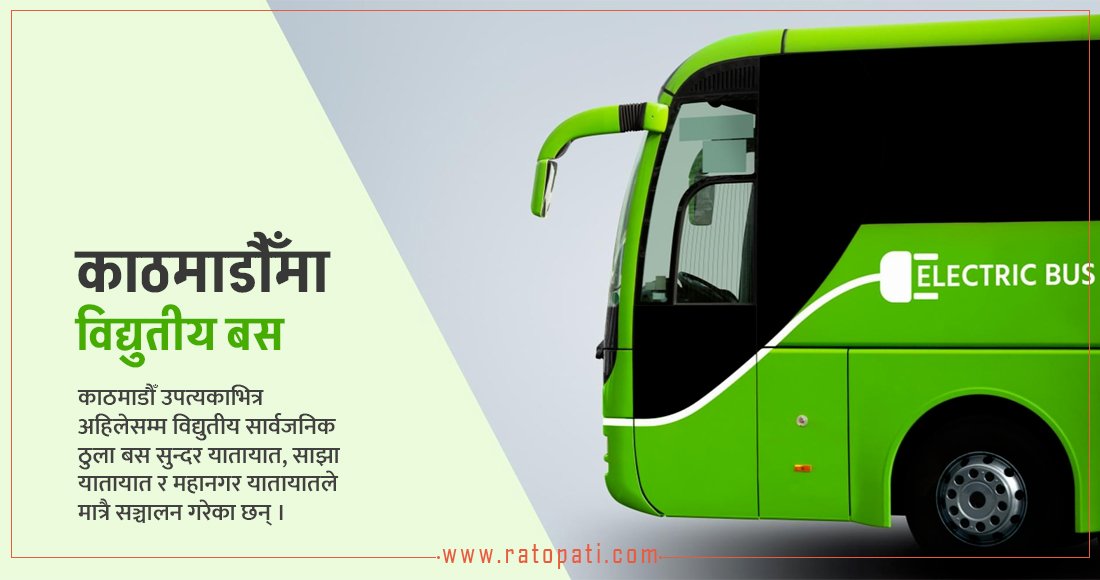
Kathmandu Valley's electric bus initiative, launched with much fanfare in 2019, has struggled to gain momentum with only 54 electric buses currently operating across three operators. This modest fleet represents a fraction of the valley's public transport system, despite the environmental benefits of zero emissions and reduced noise pollution that electric buses promise. The slow growth stems from multiple systemic challenges, including policy gaps that fail to differentiate between electric and diesel vehicles in taxation and fare structures. Operators highlight the irony that while their electric buses cover over 300 km daily - far more than private electric vehicles - they receive no proportional subsidies or incentives.
Infrastructure limitations further constrain expansion, with only 1,511 charging stations nationwide despite recent additions. The government's budget commitment for 100 new electric buses remains stalled in procurement processes, while private electric vehicle adoption surges ahead with over 15,000 electric cars registered in Kathmandu last fiscal year. Experts argue that meaningful progress requires policy reforms to create separate fare structures for electric buses, strategic placement of charging infrastructure along major routes, and public-private partnerships to accelerate implementation. Without such systemic changes, Kathmandu's electric bus program risks remaining a symbolic gesture rather than the transformative solution to urban pollution and fuel dependency it was envisioned to be.