Putin Meets Senior Advisor to Iran's Supreme Leader in Moscow

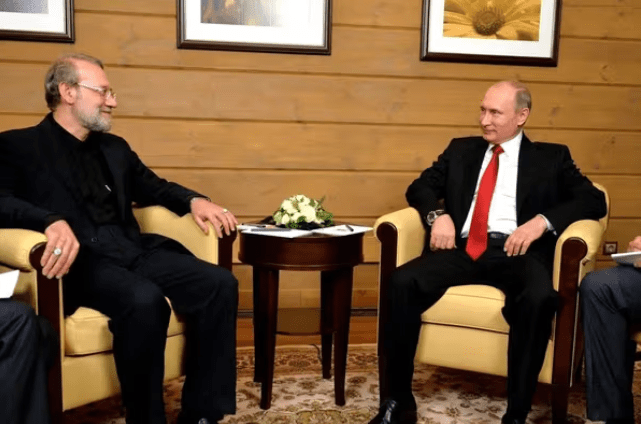
Moscow, Russia – Russian President Vladimir Putin met with Ali Larijani, a senior advisor to Iran’s Supreme Leader Ayatollah Ali Khamenei, in Moscow on Sunday to discuss escalating regional tensions and Iran’s nuclear program. The high-level talks come as West Asia faces heightened instability, with Iran-Israel hostilities and ongoing disputes over Tehran’s atomic ambitions.
Focus on Regional Security and Nuclear Program
The discussions centered on de-escalating conflicts in West Asia, particularly the volatile standoff between Iran and Israel. Larijani conveyed Tehran’s position on its nuclear activities, while Putin reiterated Russia’s support for Iran’s right to peaceful nuclear research—provided it remains under International Atomic Energy Agency (IAEA) monitoring. The meeting follows Putin’s recent engagement with Iran’s foreign minister, highlighting Moscow’s growing role as a mediator in the region.
Strategic Partnership Without Military Guarantees
Russia and Iran share a strategic cooperation agreement, but the pact does not obligate either nation to provide military support in case of an attack. Instead, it emphasizes:
-
Immediate political negotiations during crises
-
No backing for aggressors in conflicts
-
Collaboration on nuclear energy within IAEA guidelines
The talks gained urgency after the U.S. conducted airstrikes on Iranian nuclear facilities in late June, raising fears of a broader confrontation.
Larijani’s Role in Iran’s Nuclear Diplomacy
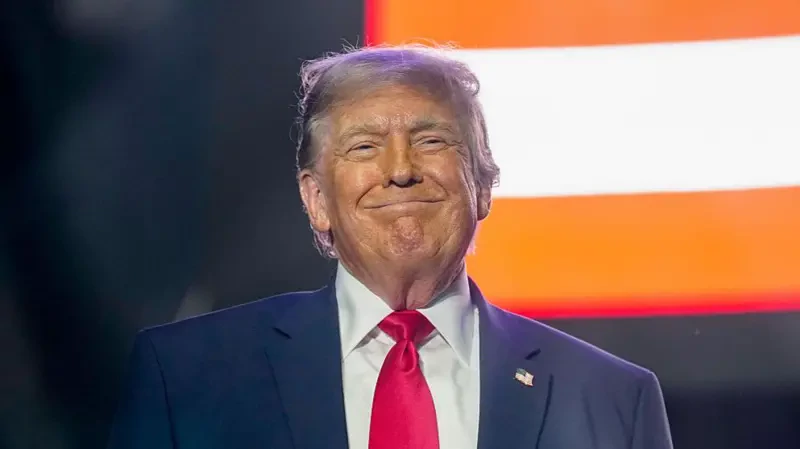
A former parliamentary speaker, Larijani was instrumental in securing domestic approval for the 2015 Iran nuclear deal (JCPOA), which offered sanctions relief in exchange for limits on uranium enrichment. However, the agreement collapsed after the U.S. withdrew in 2018 under President Donald Trump, who later ordered strikes on Iranian nuclear sites and demanded a complete halt to enrichment—a move critics argue violates the Non-Proliferation Treaty (NPT).
Russia’s Balancing Act
Moscow has positioned itself as a neutral mediator, advocating for diplomacy while maintaining ties with both Iran and Western nations. The Kremlin’s engagement with Tehran underscores its strategy to expand influence in West Asia amid strained relations with the U.S. and Europe over Ukraine.
Why This Meeting Matters
The Putin-Larijani talks signal:
-
Russia’s attempt to stabilize West Asia amid Israel-Iran hostilities
-
Iran’s search for allies as U.S. sanctions and isolation persist
-
Potential shifts in nuclear diplomacy, with Moscow advocating for IAEA-led solutions
As global powers navigate these complex dynamics, the outcome could redefine security alliances and nuclear policies in the region.