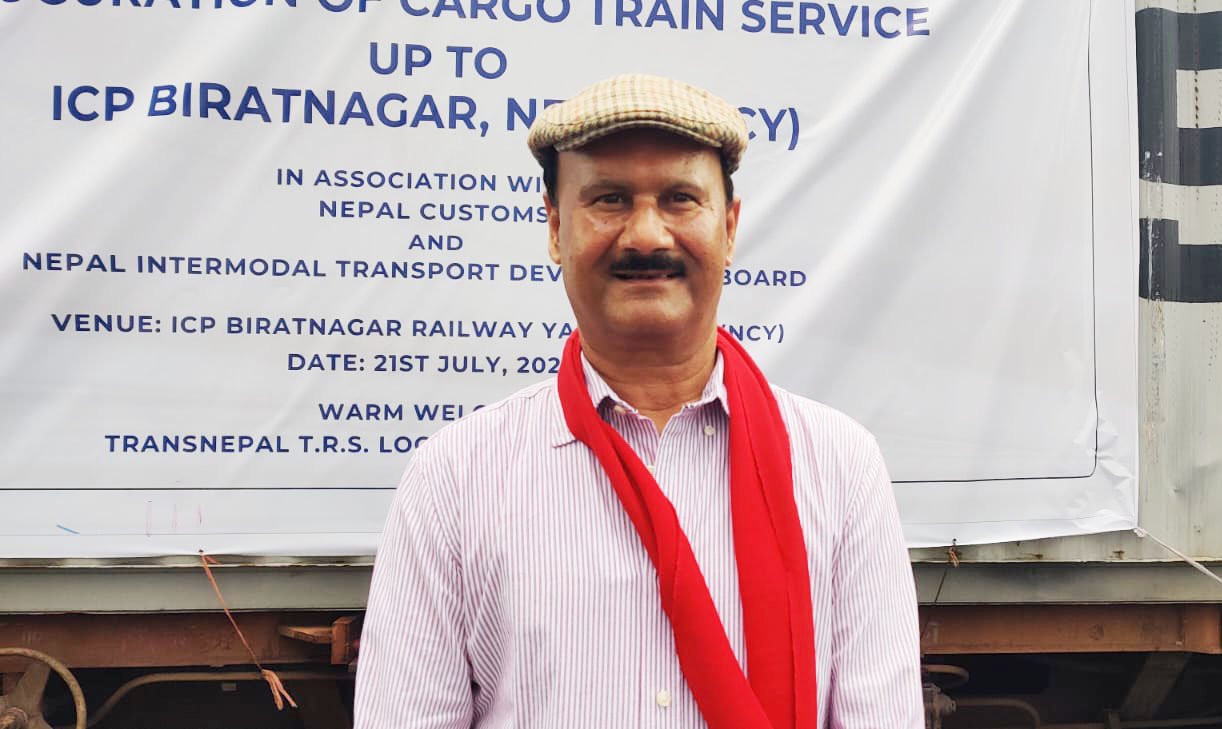
Cargo Rail Arrives in Biratnagar, Boosting Industrial Corridor

The commercial arrival of cargo rail in Biratnagar has brought new enthusiasm to the Morang-Sunsari industrial corridor.
This historic achievement is also a result of decades of struggle, advocacy, and policy advocacy by the private sector.
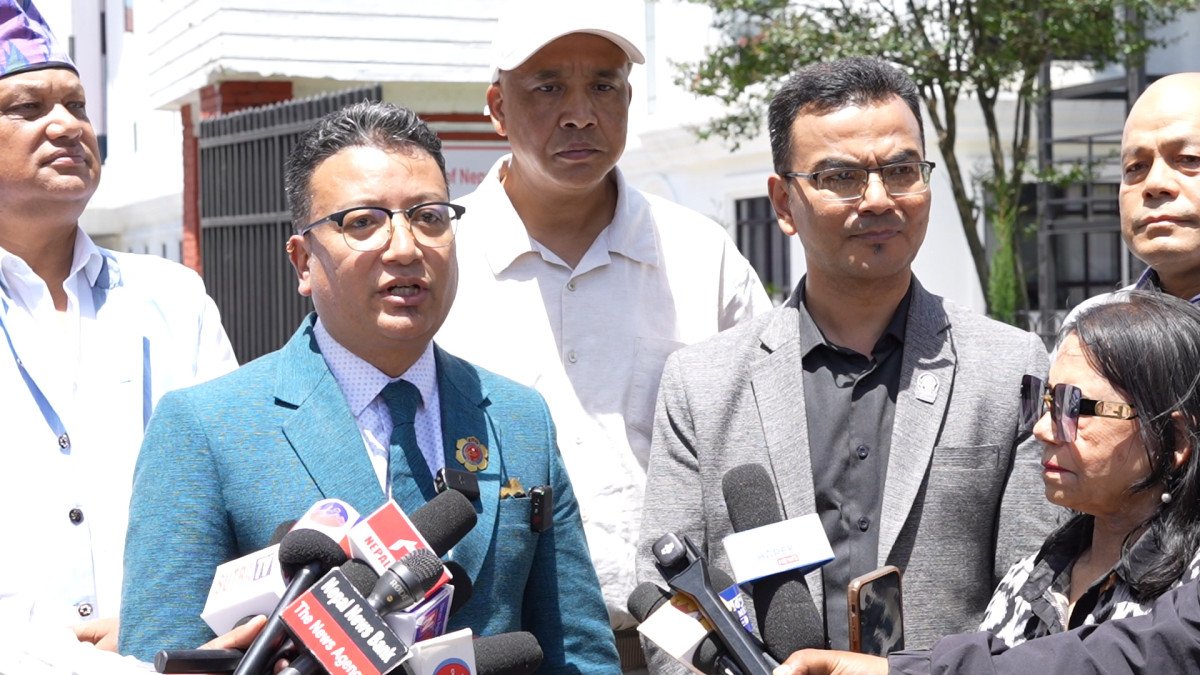
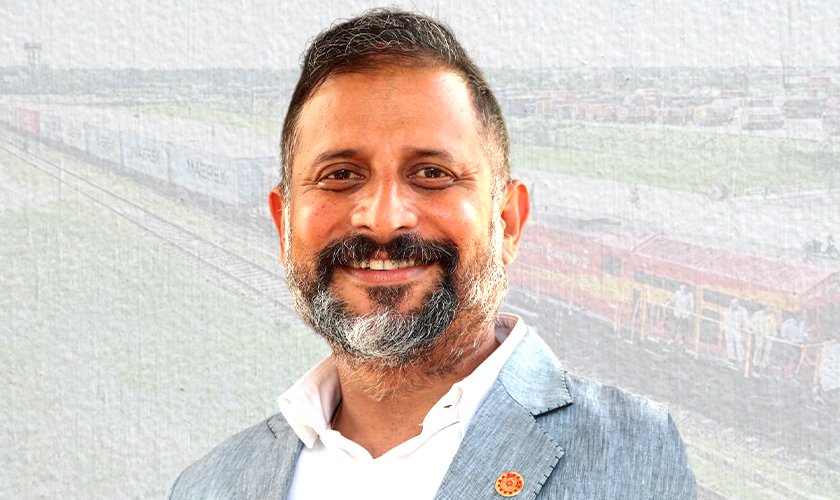
Especially during his tenure as President of the Morang Industrial Organization, Suyash Pakurel worked hard and played a leading role in accelerating this project, clearing policy ambiguities, and coordinating with government and private sectors on both Nepal-India sides.
Pakurel was interviewed about the current status of the Biratnagar cargo rail service, the challenges to its regularity, and measures for cost reduction. Here is the edited excerpt of the conversation with him:
- Cargo rail has arrived in Biratnagar. How do you view this moment when a long-term effort has been successful?
This is a moment of great happiness, enthusiasm, and pride for all of us. When I was the President of the Morang Industrial Organization, we worked very hard to bring this plan to fruition.
This is a dream that has finally come true after five-six years of relentless effort, policy advocacy, and overcoming many ups and downs like the Corona pandemic. The practical result of the delegation and advocacy we made to the federal government and the Indian railway mechanism to make the industries in this region competitive in the past has been achieved today.
This project is a milestone for the corridor, and we must keep it regular at all costs.
- The rail has arrived, but what improvements are still needed to make it 'sustainable'?
Yes, the arrival of a cargo rail in Biratnagar alone is not the ultimate success. To make it sustainable, improvements are mainly needed in its operation process and service charges.
Until its overall cost is reduced and it economically attracts industrialists, it cannot be sustainable. The handling and unloading charges at the yard on the Nepal side are somewhat more expensive compared to the yard on the Indian side. This must be revised. Trans Nepal has expressed commitment to reduce it. Let's hope the charges will be reduced soon.
- You are saying the charges are expensive for now. Yet, there is much happiness that the goods have started arriving. What are the immediate benefits of operating the cargo rail?
The biggest benefit is the time taken for transportation and the security of materials. It takes at least three days by truck from Kolkata port, but by rail, the goods arrive directly at the Biratnagar yard within 24 hours. This greatly reduces the inventory cost of the industries.
Secondly, this transportation system is very secure. As it is equipped with a modern tracking system, there is no fear of goods being lost or stolen. This is a much more modern and organized transport model than traditional truck transportation.
- In the long term, how can the rail service be made regular financially?
It's simple: it must be cheaper than road transport. If industrialists do not benefit from bringing goods by rail compared to bringing them by truck, no one will use the rail. For the railway to be commercially viable, it must be fully competitive and cost-effective.
For this, Trans Nepal or Indian Concor, which operates this service, must reduce handling charges. Even if the cost is high with a small volume of goods initially, we believe the rates will be reduced as the volume increases. In addition, we industrialists must also commit to regularly providing the necessary load for the rail.
- The biggest challenge in cargo rail transport is considered 'one-way transport' and empty returning containers. What could be the solution?
This is a very practical and sensitive issue. If containers come full on the rail's arrival but return empty, the railway company charges both the incoming and outgoing fares from the Nepali importer, making the overall import cost expensive.
For a sustainable solution, arrangements must be made to load goods exported from Nepal to India and third countries onto the same empty containers and send them to Kolkata.
- How do you see the future of Biratnagar compared to Birgunj?
Birgunj also had similar problems and ambiguities in its early days as seen in Biratnagar now, but today most of its industrial cargo arrives by rail. In Biratnagar, we have excellent physical infrastructure ready. If the handling and unloading process here is made more practical and competitive by studying the rates and model of Birgunj, then Biratnagar's cargo rail service will also be fully successful and regular.
To keep this historic project alive and utilize its full potential, we industrialists are fully prepared to cooperate in every way with the state and the operating company. If the cargo rail service can be made regular, it will help make the economy of the entire country, including Koshi Province, more dynamic.
This specific news has been automatically translated by AI. As a result, there may be some inaccuracies or language errors.