Power Purchase Agreement Deadlines Extended for Hydropower Projects

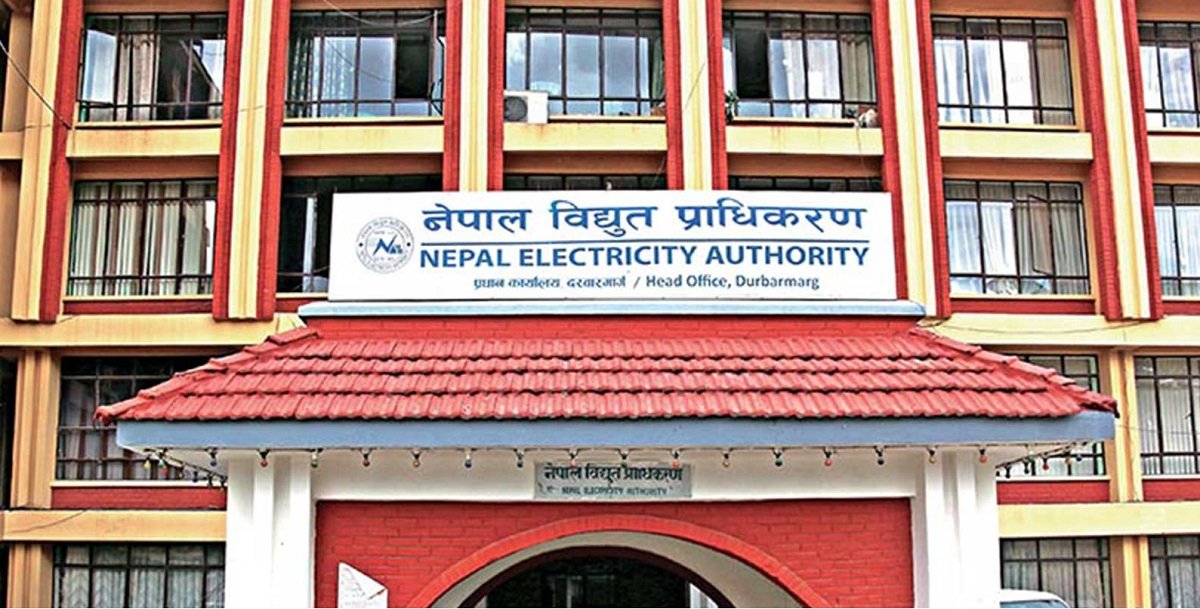
Kathmandu. The deadline for hydropower projects that have signed Power Purchase Agreements (PPAs) and reached various stages of construction but could not come into operation within the stipulated time will be extended. The Nepal Electricity Authority has put forward a new action plan to address the demand for extension of the RCOD (Commercial Production Start Date) deadline, which has been raised by energy producers for a long time.
The Authority stated that the meeting of the Authority's board of directors held on Asar 32 decided to classify the projects into four groups based on their physical progress, implementation of PPA obligations, and current status.
NEA's acting executive director Dirghayu Shrestha informed that the process of extending the deadline for the commercial production start date, or RCOD, of hydropower projects is proceeding regularly.
He said that the deadline extension work is being done by creating a procedure to give equal opportunity to all promoters.
According to him, the authority to extend the deadline as per the PPA provision rests with the executive director. 'The deadline for 8-10 projects that have been stalled for a long time has been extended,' he said.
Shrestha said that only in cases where a lump-sum extension of the deadline is required due to force majeure events like COVID-19, it needs to be presented to the Authority's board of directors, while extensions for other normal circumstances are being processed at the MD level.
Classification of Projects into Four Groups
- Group A: Projects with Satisfactory Progress
Group A includes projects whose RCOD deadline has not expired. They are placed in this category if they have fulfilled PPA conditions such as production license, financial management, and land management on time or are in a position to fulfill them within the stipulated time.
- Group B: Projects Delayed Due to Authority or Unforeseen Circumstances
Projects whose RCOD has expired but could not come into operation due to reasons attributable to the Authority (non-construction of transmission lines or substations) fall into this group.
Projects confirmed to have faced unforeseen circumstances and achieved more than 25 percent physical progress within the RCOD period are also placed in this group. These projects will be strictly monitored by the Electricity Trading Department, and instructions will be given to move forward with the work.
- Group C: Projects with Weak Progress
Projects whose RCOD has not expired but have not fulfilled key obligations (financial management, land acquisition, etc.) or have less than 25 percent physical progress by the RCOD expiry date fall into this category.
A Notice of Default will be issued to such projects, and if a satisfactory response is not received, the process of contract cancellation will be initiated, the Authority has stated.
- Group D: Projects with Cancelled Licenses or Abandoned Projects
Projects that have not fulfilled any legal or physical obligations even after the RCOD has expired, and whose survey or production licenses have been cancelled, are placed in this group.
How is Physical Progress Measured?
The Authority has set clear criteria for measuring physical progress. In the case of hydropower, the construction of main structures such as headworks, tunnels, pipe alignments, and powerhouses will be considered. In the case of solar projects, panel purchase agreements, LC, land management, and the commencement of foundation construction will be considered indicators of progress. The calculation of 25 percent progress will be in accordance with the Physical Progress Related Work Procedure 2071.
Goal to Make it Organized and Transparent
This decision by the Authority is believed to encourage promoters who are genuinely working and discourage those who are holding onto projects without working on them. A provision has also been made to reclassify projects in Group B after regular monitoring for up to six months, as needed.
The Authority expects that this arrangement will help make electricity project management more organized, transparent, and accountable, as well as facilitate the faster connection of electricity to the national grid.
Projects whose RCOD period has expired but have not fulfilled obligations mentioned in the PPA, such as obtaining a production license, financial management, land management, or whose survey and production licenses have been cancelled, will be included.
Physical progress measurement will be in accordance with the work procedure determined by the Nepal Electricity Authority. The commencement of construction of main structures (such as headworks, pipe alignments, tunnels, powerhouses, etc.) and the achievement of progress will be considered the basis for physical progress.
Similarly, projects falling under Group C will be issued a Notice of Default as per the PPA provisions. If a satisfactory response is not received or no improvement is observed, the process of contract cancellation will also be initiated.
This is expected to create a clear distinction between projects that have been stalled for a long time, projects that are progressing, and projects that have been delayed in coming into operation, thereby making electricity project management more organized, transparent, and accountable.
This specific news has been automatically translated by AI. As a result, there may be some inaccuracies or language errors.

_zp49KLQnq8.jpg)