IMO Prepares to Rescue Over 11,000 Sailors Stranded in Gulf Amid US-Israel-Iran Conflict
New York. The International Maritime Organization (IMO) under the United Nations (UN) is preparing to rescue and relocate more than 11,000 sailors stranded in the Gulf region due to the war between the US-Israel and Iran. IMO Secretary-General Arsenio Dominguez said this massive rescue operation will be conducted in cooperation with Iran, Oman, the US, other coastal nations in the region, and the maritime industry.
He also informed that the necessary security guarantees for safe navigation have been obtained and the conditions for operation have been well assessed. Although an interim agreement (MOU) was reached last week to end the war, there are still differences between the US and Iran regarding various points of the agreement. The US claims that the agreement includes provisions to bring Iran's nuclear weapons program under the inspection of the International Atomic Energy Agency (IAEA).
US President Donald Trump claimed on social media on Tuesday that Iran has accepted long-term high-level nuclear inspections. According to him, this will ensure nuclear transparency. However, some time before Trump's statement, Iran had said it would not allow the IAEA to inspect its nuclear facilities, which were attacked by the US and Israel last year.
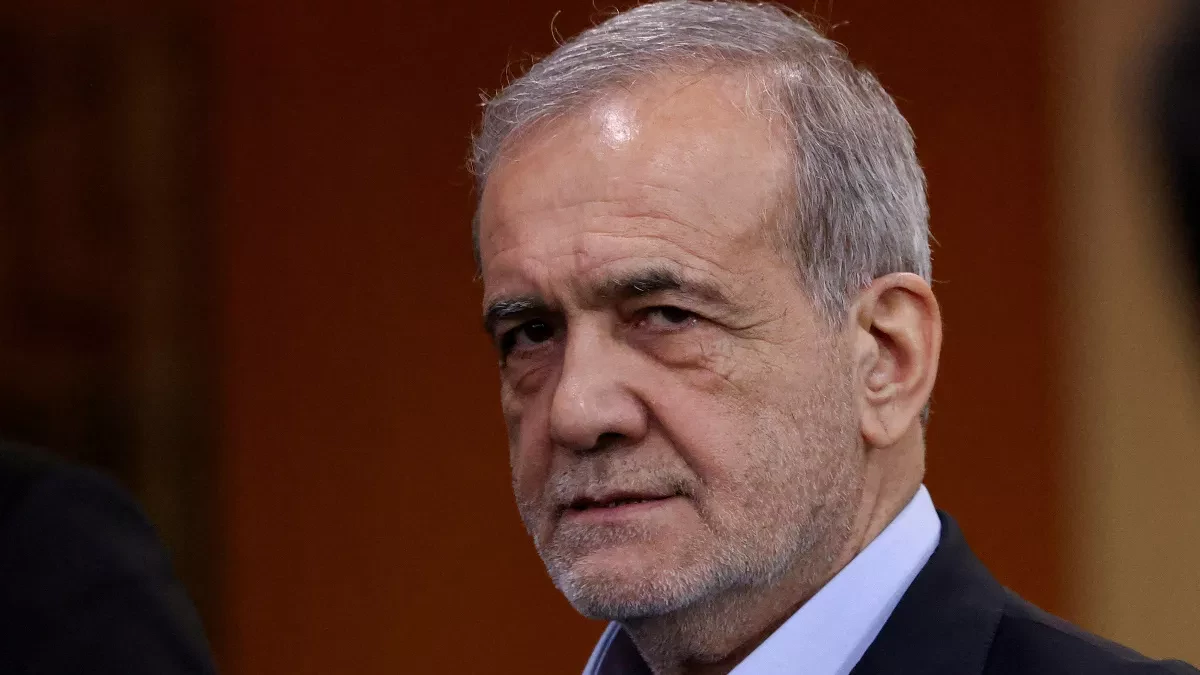
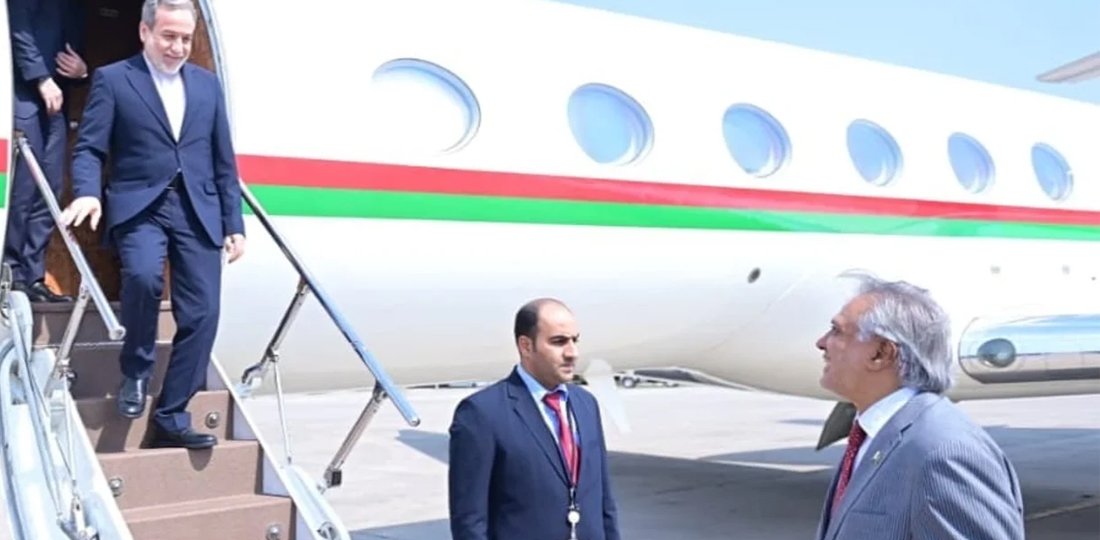
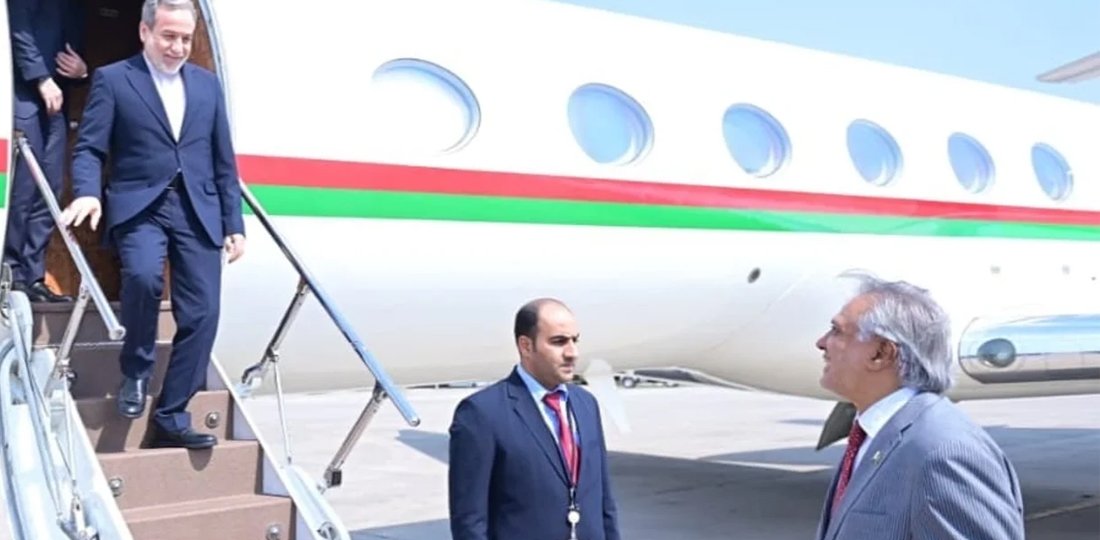
Responding to this, a US official claimed that Iran has accepted strict IAEA inspections of the remnants of its nuclear weapons program. Meanwhile, Iranian President Masoud Pezeshkian made it clear during his visit to Pakistan on Tuesday that Iran will not negotiate its defense capabilities under any circumstances. Pakistani Prime Minister Shehbaz Sharif said at a joint press conference that the issue of ballistic missiles was not raised in the US-Iran talks and the agreement does not mention it.
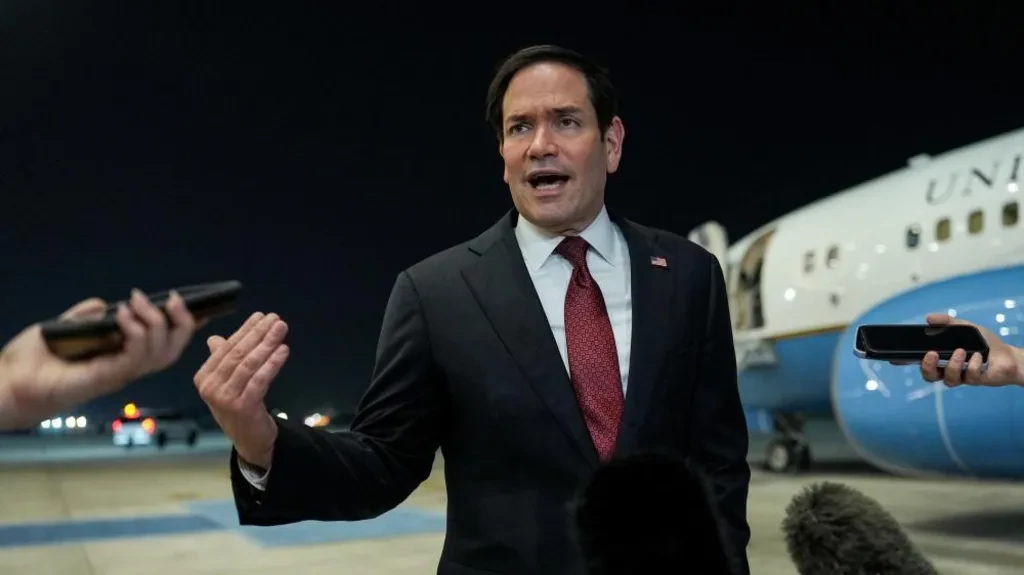
Meanwhile, US Secretary of State Marco Rubio began his tour of Gulf nations from the United Arab Emirates (UAE) on Tuesday. He is also scheduled to visit Kuwait and Bahrain, where US military bases are located. Rubio warned that no country can charge tolls or fees in the Strait of Hormuz. Iran had proposed to collect fees from ships using the waterway. He said, 'This is an international waterway. No country can collect tolls or fees here according to international law.'
The Strait of Hormuz remaining open is the main basis for the rescue plan for stranded sailors. IMO chief Dominguez said the agreement is an important step towards restoring maritime security and ending unacceptable attacks on civilian ships. Under the IMO's rescue plan, two temporary routes can be used in the Strait, and ships will be given additional individual instructions.
Hormuz has been almost paralyzed since the attacks on Iran began on February 28. The disruption in the supply of crude oil and liquefied natural gas (LNG) to the world market through this waterway caused the price of crude oil to rise above $114. The closure of this route also affected the transportation of essential goods like fertilizers. Since the agreement, at least 172 ships have traveled through the reopened Strait of Hormuz. On Saturday alone, 42 ships used this route. However, this number is still less than the pre-war daily average of 138 ships. Ship tracking data shows that as of Tuesday, more than 200 oil tankers were waiting in the Strait of Hormuz area.
This specific news has been automatically translated by AI. As a result, there may be some inaccuracies or language errors.