Government Silent on Dedicated and Trunkline Electricity Arrears Dispute

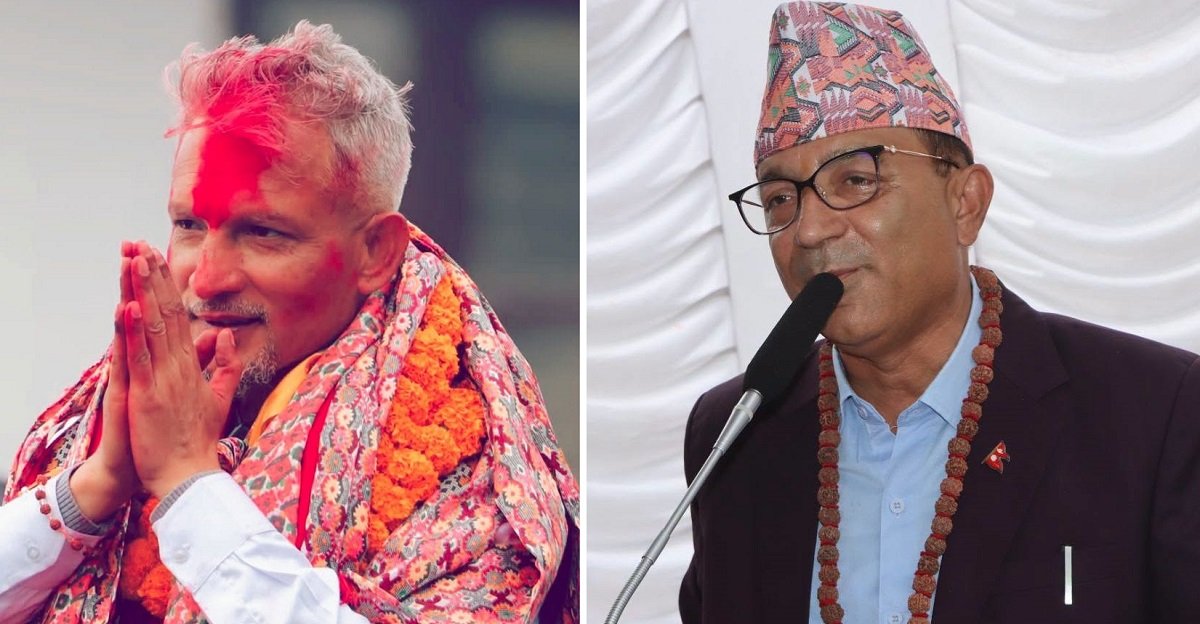
Kathmandu. The government has remained silent on the issue of collecting electricity arrears for dedicated and trunkline, which has been a long-standing dispute between industrialists and the Nepal Electricity Authority. Although four months have passed since the formation of the government, no initiative has been taken to collect the disputed arrears. In the past, Members of Parliament from the Rastriya Swatantra Party (RSP) had strongly raised their voices in Parliament, saying, 'The money that should come into the state treasury must be collected at all costs.' However, the RSP government, led by Balen Shah, has been formed with nearly a two-thirds majority in the elections held on February 21, 2082. Despite having nearly a two-thirds majority of MPs from the RSP in Parliament, Balen's government and RSP MPs have remained silent on this issue so far. Although four months have passed since the responsibility of collecting approximately seven and a half billion rupees in disputed electricity arrears fell on the shoulders of the Balen government, the government has not been able to make any concrete decisions. However, the Electricity Authority has kept the path open for industrialists for legal battles. With the formation of the current government, a meeting of the Authority's board of directors held on June 19, chaired by Energy Minister Birajbhakta Shrestha, decided to re-initiate the process of reviewing electricity arrears. The meeting formed a review committee under the convenorship of Authority director Krishna Bassel. Although it is said that this committee will review the electricity arrears of the industrialists, there has been no significant progress so far. Authority spokesperson Rajan Dhakal, however, claimed that the committee is working. He stated that the claim that the Authority has not moved forward with the process is untrue and that the committee is working. 'Many decisions have been made on the issue of disputed electricity arrears at various times, but a solution has not been found. Many had expected the current government to provide a solution, but this government has also revived the old review committee and moved forward.' He said, 'In the past, industrialists paid up to two installments. After that, as there was a provision to go for review, the work of collecting the amount has stopped. But the Authority is continuously reminding them. Since the committee is working, no arrears have been collected from any industry for now.' He claimed that the work is being done accordingly as the path to a solution is being sought through the committee. About a month after taking charge as the Minister of Energy, Water Resources and Irrigation, Minister Birajbhakta Shrestha had stated that the authority to resolve the arrears dispute has been given to the Nepal Electricity Authority itself. Stating that the responsibility and authority to collect arrears lie with the Authority, he had absolved himself of responsibility from the ministry's side by entrusting it to the Authority.  However, he said that if the dispute cannot be resolved by the Authority's review committee, the ministry will discuss with the Auditor General and the Commission for Investigation of Abuse of Authority and move forward. Minister Shrestha had said at the time, 'The dispute over dedicated and trunkline arrears is old. Therefore, the ministry will give the responsibility to the Authority for its resolution.' Minister Shrestha had clarified that the ministry would take steps based on past decisions, court verdicts, and various reports, adding, 'There are reports that some industries have paid money. This issue has become more complicated, so we will discuss with the Auditor General and the Commission for Investigation of Abuse of Authority and reach a conclusion.' However, no concrete process has moved forward in that direction so far. Many decisions have been made on the issue of disputed electricity arrears at various times, but a solution has not been found. Many had expected the current government to provide a solution, but this government has also revived the old review committee and moved forward. Earlier, during the tenure of the then KP Sharma Oli government, Energy Minister Deepak Khadka had initiated a review process in March 2081 with a plan to provide arrears exemption to industrialists. However, that committee submitted a report on October 8 stating that review was not possible. Based on a letter from the Prime Minister's Office on November 21, 2082, a decision was made to form an administrative review committee based on the legal opinion obtained from independent legal experts. In January, the Authority's board of directors, chaired by then Energy Minister Anil Kumar Sinha, decided to seek an opinion from independent legal experts based on the letter from the Prime Minister's Office. On March 29, 2081, then Energy Minister Deepak Khadka formed such a committee under the convenorship of director Shyamkishor Yadav, to which 46 industries had applied. However, that committee submitted a report on October 8, citing seven reasons, stating that the review process could not be moved forward. Based on that, on October 10, 2082, a meeting of the Authority's board of directors chaired by then Energy Minister Kulman Ghising decided to collect the arrears.
 _skOct5aygv.jpg) Subsequently, the Authority issued a public notice giving an ultimatum to pay the arrears by November 2. According to that ultimatum, only a limited number of industries came forward for the process. The lines of 25 out of 31 industries that ignored the ultimatum were cut by the then Energy Minister Kulman. After the industries' lines were cut, most industries paid the first installment and some paid the second installment. However, on November 17, 2082, an agreement was reached between then Prime Minister Sushila Karki, then Energy Minister Kulman Ghising, and the then President of the Federation of Nepalese Chambers of Commerce and Industry, Chandra Prasad Dhakal, at the Prime Minister's Office to pay the first installment and proceed with the judicial process. According to that agreement, the first installment was to be considered as a deposit, according to the industrialists. After that, although most industries paid the first installment, they have not paid the remaining amount despite continuous reminders from the Authority. 'The Authority had given industrialists the facility to pay the amount in 28 installments with a deadline of November 2. However, within that deadline, only 6 out of 31 industries showed interest in the process, and they had already obtained an interim order from the court. The lines of the remaining 25 industries were cut by the Authority.' Kulman Ghising has expressed dissatisfaction due to the government's lack of diligence in collecting arrears. He alleges that the government is not serious about collecting billions of rupees in arrears from industrialists. He expressed dissatisfaction, stating that the new government is not showing interest in the amount that industrialists claim to have paid but appears as outstanding in the Authority's records. He said that the lack of effective efforts to collect the remaining arrears, even from industries that have paid the first installment for dedicated and trunkline, raises doubts about the government's slogan of good governance. 'In the past, arrears collection was obstructed due to political interference. But now there is a government with nearly a two-thirds majority. Who is stopping the collection of arrears according to the law?' he questioned. According to Ghising, attempts are being made to create uncertainty in the collection process by re-raising the issue of administrative review that has already been concluded. During the load-shedding period, the Authority provided electricity to industries for 20 hours from the trunkline and 24 hours from the dedicated feeder on the condition of charging an additional 65% premium. According to the Authority, approximately seven and a half billion rupees in arrears from January 2072 to April 2075 are yet to be collected from 46 industries. The Authority had given industrialists the facility to pay the amount in 28 installments with a deadline of November 2. However, within that deadline, only 6 out of 31 industries showed interest in the process, and they had already obtained an interim order from the court. The lines of the remaining 25 industries were cut by the Authority. After the latest action, 35 industries agreed to pay installments. However, Reliance Spinning Mills paid the first installment and obtained an interim order from the court, after which the other 34 industries have not come forward so far, the Authority stated. Including Reliance, seven industries currently have interim orders from the court against the Authority. Currently, a total of seven and a half billion rupees are yet to be collected from 46 industries, including government-owned, those who stopped installments, those who obtained 'stay orders' from the court, and those who are not in contact. According to the Authority's data, a total of 58 industries were on the list of those who had to pay arrears from January 2072 to April 2075. Out of 58, only 12 industries have paid all their arrears, while two government-owned industries have given written commitments to pay the arrears.
Subsequently, the Authority issued a public notice giving an ultimatum to pay the arrears by November 2. According to that ultimatum, only a limited number of industries came forward for the process. The lines of 25 out of 31 industries that ignored the ultimatum were cut by the then Energy Minister Kulman. After the industries' lines were cut, most industries paid the first installment and some paid the second installment. However, on November 17, 2082, an agreement was reached between then Prime Minister Sushila Karki, then Energy Minister Kulman Ghising, and the then President of the Federation of Nepalese Chambers of Commerce and Industry, Chandra Prasad Dhakal, at the Prime Minister's Office to pay the first installment and proceed with the judicial process. According to that agreement, the first installment was to be considered as a deposit, according to the industrialists. After that, although most industries paid the first installment, they have not paid the remaining amount despite continuous reminders from the Authority. 'The Authority had given industrialists the facility to pay the amount in 28 installments with a deadline of November 2. However, within that deadline, only 6 out of 31 industries showed interest in the process, and they had already obtained an interim order from the court. The lines of the remaining 25 industries were cut by the Authority.' Kulman Ghising has expressed dissatisfaction due to the government's lack of diligence in collecting arrears. He alleges that the government is not serious about collecting billions of rupees in arrears from industrialists. He expressed dissatisfaction, stating that the new government is not showing interest in the amount that industrialists claim to have paid but appears as outstanding in the Authority's records. He said that the lack of effective efforts to collect the remaining arrears, even from industries that have paid the first installment for dedicated and trunkline, raises doubts about the government's slogan of good governance. 'In the past, arrears collection was obstructed due to political interference. But now there is a government with nearly a two-thirds majority. Who is stopping the collection of arrears according to the law?' he questioned. According to Ghising, attempts are being made to create uncertainty in the collection process by re-raising the issue of administrative review that has already been concluded. During the load-shedding period, the Authority provided electricity to industries for 20 hours from the trunkline and 24 hours from the dedicated feeder on the condition of charging an additional 65% premium. According to the Authority, approximately seven and a half billion rupees in arrears from January 2072 to April 2075 are yet to be collected from 46 industries. The Authority had given industrialists the facility to pay the amount in 28 installments with a deadline of November 2. However, within that deadline, only 6 out of 31 industries showed interest in the process, and they had already obtained an interim order from the court. The lines of the remaining 25 industries were cut by the Authority. After the latest action, 35 industries agreed to pay installments. However, Reliance Spinning Mills paid the first installment and obtained an interim order from the court, after which the other 34 industries have not come forward so far, the Authority stated. Including Reliance, seven industries currently have interim orders from the court against the Authority. Currently, a total of seven and a half billion rupees are yet to be collected from 46 industries, including government-owned, those who stopped installments, those who obtained 'stay orders' from the court, and those who are not in contact. According to the Authority's data, a total of 58 industries were on the list of those who had to pay arrears from January 2072 to April 2075. Out of 58, only 12 industries have paid all their arrears, while two government-owned industries have given written commitments to pay the arrears.
This specific news has been automatically translated by AI. As a result, there may be some inaccuracies or language errors.

_CiyNEtuLZ6.jpg)